Table of Contents >> Show >> Hide
- What Are Nano Spy Helicopters?
- How Ukraine Became a Drone War Laboratory
- The Black Hornet: The Pocket-Sized Star of the Story
- Why Nano Drones Matter in Ukraine’s Drone-Saturated Skies
- The Limits of Nano Spy Helicopters
- How Nano Drones Change the Psychology of Combat
- Ukraine’s Broader Drone Ecosystem
- Why the World Is Watching
- Field Experiences and Practical Lessons from the Nano Drone Era
- Conclusion
- SEO Tags
Note: This article is based on publicly reported information from reputable defense, military, and news sources, rewritten in original editorial style for web publication.
On the battlefields of Ukraine, the loudest weapons do not always make the biggest difference. Artillery still shakes the ground. Missiles still light up the night. Tanks still look intimidating enough to make a field mouse reconsider its career choices. But some of the most valuable machines in the war are small enough to fit in a soldier’s hand.
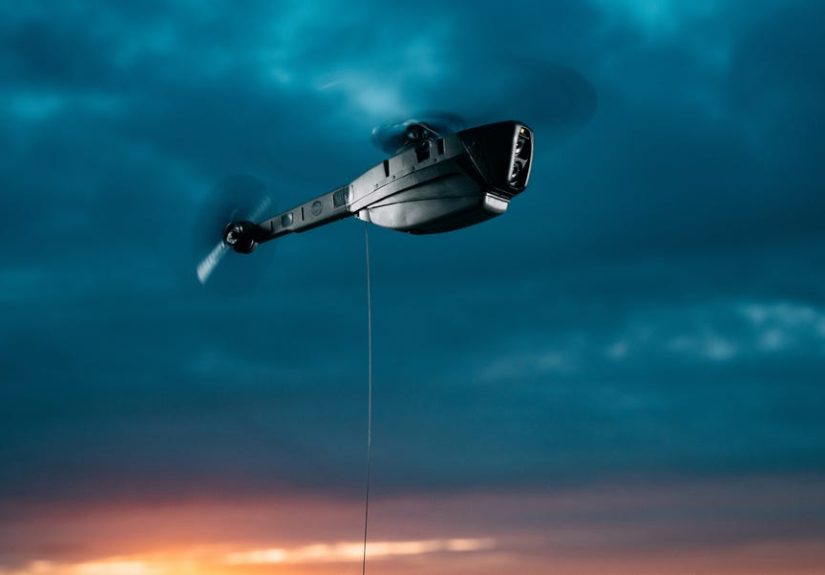
Meet the nano spy helicopter: a pocket-sized reconnaissance drone that looks more like a gadget from a spy movie than a serious military tool. The most famous example is the Black Hornet, a tiny military micro-drone used for close-range intelligence, surveillance, and reconnaissance. It is not built to carry bombs or dominate headlines with dramatic explosions. Its job is quieter, sneakier, and often more important: look first, move second.
In Ukraine, where drones have transformed nearly every layer of combat, nano reconnaissance helicopters have become a symbol of a much larger shift. War is no longer only about who has the biggest gun. It is increasingly about who sees first, understands fastest, and acts before the other side can react. In that contest, a drone weighing less than a candy bar can become a soldier’s extra set of eyes.
What Are Nano Spy Helicopters?
Nano spy helicopters are extremely small unmanned aerial systems designed for short-range reconnaissance. Unlike larger quadcopters or fixed-wing drones, these systems are built to be carried by individual soldiers or small units. They can be launched quickly, flown over obstacles, and used to inspect areas that would be dangerous for troops to enter blindly.
The Black Hornet is the standout name in this category. Earlier versions such as the Black Hornet 3 weigh about 33 grams and can transmit live video and still images to an operator. Newer systems such as the Black Hornet 4 are heavier but more capable, with improved sensors, longer flight time, obstacle avoidance, and better performance in rough weather.
Calling them “spy helicopters” is not just colorful language. Their helicopter-like rotor design, tiny size, and quiet flight allow them to hover, peek, and maneuver in tight spaces. They can help soldiers see around corners, over walls, across trenches, through damaged streets, and into areas where sending a person would be extremely risky.
Small Size, Big Battlefield Value
The biggest advantage of a nano drone is not that it flies far. It usually does not. These systems are not meant to replace long-range reconnaissance aircraft or larger tactical drones. Their strength is immediacy. A squad can carry one, launch it quickly, and get near-real-time information about what lies ahead.
That matters because modern front lines in Ukraine are intensely dangerous. Trenches, tree lines, ruined villages, and industrial zones can hide enemy troops, mines, ambushes, and drones. A soldier walking forward to “take a look” may be exposed to snipers, artillery, or first-person-view attack drones. A nano helicopter changes the question from “Who wants to go check?” to “Let’s send the flying insect with a camera.” Morale improves when the insect volunteers.
How Ukraine Became a Drone War Laboratory
Ukraine did not invent drone warfare, but the war has turned the country into one of the world’s most active testing grounds for unmanned systems. Small commercial drones, FPV strike drones, reconnaissance aircraft, loitering munitions, naval drones, ground robots, and interceptor drones all now play visible roles in the conflict.
At the start of Russia’s full-scale invasion, drones were useful but not yet fully integrated into every unit. Over time, both Ukrainian and Russian forces adapted. Reconnaissance drones began guiding artillery. FPV drones began hunting vehicles and infantry positions. Drone operators became as essential to many units as radio operators or medics. The sky above the front became crowded, contested, and very dangerous.
In that environment, nano spy helicopters fill a specific niche. Larger drones can scan fields, roads, and rear areas. FPV drones can strike targets. Nano drones help the smallest units answer immediate tactical questions: Is anyone in that building? Is that trench empty? Is the route ahead blocked? Did the strike hit the target? Is the next room safe enough to approach?
Why “Seeing First” Saves Lives
In conventional warfare, information often flows from scouts to commanders and then down to units. On Ukraine’s front lines, decisions sometimes need to happen in seconds. A nano drone gives soldiers information at the point of danger. That can reduce guesswork, prevent unnecessary exposure, and help commanders avoid walking into traps.
For example, in urban combat, a unit may need to move through a damaged neighborhood where buildings have broken windows, collapsed roofs, and hidden firing positions. A tiny drone can rise above a wall, slip past a window, or hover near a doorway long enough to give troops a glimpse of what is waiting. It does not make war safenothing doesbut it can make the next decision less blind.
The Black Hornet: The Pocket-Sized Star of the Story
The Black Hornet has become the best-known nano reconnaissance drone associated with Ukraine. Developed in Norway and produced by Teledyne FLIR Defense, the system was already used by several Western militaries before Ukraine received it. Its reputation comes from a combination of portability, quiet operation, thermal imaging, and simple tactical usefulness.
Norway and the United Kingdom supported the transfer of Black Hornet systems to Ukraine through international assistance efforts. Later, additional deliveries and contracts expanded the number of systems available. The United States also included Black Hornet surveillance drones in a security assistance package for Ukraine. These deliveries reflected a clear battlefield lesson: small drones are not accessories anymore. They are core tools.
What Makes the Black Hornet Different?
Many drones used in Ukraine are modified commercial quadcopters. They are effective, relatively affordable, and widely available, but they are not always discreet. The Black Hornet is a purpose-built military personal reconnaissance system. It is designed for soldiers who need a quick, quiet look without carrying a bulky aircraft or operating a complicated ground station.
Earlier Black Hornet systems are tiny enough to be mistaken for a large insect or small bird at a distance. They provide live video, still images, and thermal views. Newer Black Hornet 4 systems are larger at about 70 grams, but they offer better endurance, stronger sensors, and improved performance in contested conditions. In plain English: it is still tiny, but it has been eating its vegetables.
The drone’s value is not just in its hardware. It is in how naturally it fits into small-unit tactics. A soldier can use it like a flying periscope. Instead of lifting a head above cover, the unit lifts a tiny camera. Instead of entering a suspicious courtyard, the unit sends a miniature scout. Instead of arguing over what might be behind the next tree line, soldiers can check.
Why Nano Drones Matter in Ukraine’s Drone-Saturated Skies
Ukraine’s battlefield is saturated with sensors. Drones watch roads, trenches, supply routes, artillery positions, and troop movements. Electronic warfare systems try to jam signals. Air defenses hunt larger threats. The result is a brutal contest between visibility and survival.
Nano spy helicopters matter because they operate close to the user and focus on immediate awareness. Their small size and low acoustic signature make them harder to notice than many larger drones. They are not invisible magic bees, but they can be discreet enough to gather useful information before the enemy reacts.
Urban Combat and Trench Warfare
The war in Ukraine has repeatedly shown how difficult it is to fight in urban ruins and trench networks. A single building can hide multiple firing positions. A tree line can conceal anti-tank teams. A trench can appear abandoned until it suddenly becomes very unfriendly. Nano drones help reduce uncertainty in these environments.
In trench warfare, a tiny helicopter can look over berms, inspect dugouts, or check the path ahead. In urban fighting, it can examine windows, rooftops, alleys, and courtyards. These are not glamorous missions. Nobody writes epic songs about “checking the suspicious shed.” But suspicious sheds have a habit of becoming extremely important at exactly the wrong moment.
Artillery Spotting and Battle Damage Assessment
While nano drones are mainly designed for close reconnaissance, their information can support broader battlefield decisions. If a unit needs to confirm whether a position is occupied, whether a route is passable, or whether a strike had the intended effect, a small drone can provide a fast answer.
Larger drones often handle artillery spotting over longer distances, but nano systems can help with immediate battle damage assessment near a unit’s position. That allows soldiers to adjust movement, request support, or avoid wasting time and ammunition on empty positions.
The Limits of Nano Spy Helicopters
For all their advantages, nano drones are not miracle machines. Their size creates trade-offs. Small batteries mean limited endurance. Small airframes can struggle in harsh weather. Short-range systems cannot replace larger reconnaissance platforms. And like all drones, they can be affected by jamming, signal interference, terrain, and operator skill.
Another limitation is cost. Military-grade nano drones are far more expensive than hobby drones. They are built with specialized sensors, encrypted communications, ruggedized components, and support systems. That makes them valuablebut not disposable in the same way as many low-cost FPV drones.
Not a Weapon, But a Force Multiplier
The Black Hornet is not designed to be a strike drone. Its role is reconnaissance. That may sound less dramatic, but reconnaissance is what makes many other actions possible. A unit that knows where the enemy is can move smarter, shoot more accurately, and avoid unnecessary risks.
In military language, that makes the nano drone a force multiplier. In normal human language, it means the little helicopter helps a small team punch above its weight because it reduces the amount of guessing involved. And on a battlefield, guessing is often a very expensive hobby.
How Nano Drones Change the Psychology of Combat
Technology changes tactics, but it also changes nerves. Soldiers under constant threat must make decisions with incomplete information. Every doorway, tree line, and abandoned vehicle can become a question mark with teeth. A nano spy helicopter does not eliminate fear, but it can shrink the unknown.
That psychological effect matters. When troops can inspect an area before moving, they may feel more confident and less exposed. Commanders may be more willing to maneuver when they have fresh visual information. Units may avoid wasting energy on false alarms or, more importantly, avoid walking into real ones.
The enemy also has to adapt. If a force knows that even the smallest Ukrainian unit may have a pocket drone, hiding becomes harder. Camouflage, movement discipline, electronic warfare, and counter-drone awareness all become more important. The battlefield becomes a place where even a buzzing speck may be watching.
Ukraine’s Broader Drone Ecosystem
Nano spy helicopters are only one part of Ukraine’s unmanned revolution. The country has embraced a layered drone ecosystem. Commercial quadcopters scout and drop munitions. FPV drones strike vehicles and positions. Long-range drones attack military infrastructure far behind the front. Interceptor drones chase Russian attack drones. Ground robots carry supplies, evacuate wounded troops, and support assaults.
This layered approach is important because no single drone solves every problem. A Black Hornet cannot replace a long-range reconnaissance UAV. A large drone cannot safely peek inside a ruined house from a few meters away. A naval drone cannot inspect a trench, unless the trench has made some very poor drainage decisions. Each system has a role.
The Rise of Integrated Drone-Infantry Warfare
Ukraine has increasingly emphasized the integration of drones with infantry. Instead of treating drones as separate specialty tools, units are learning to combine aerial reconnaissance, ground systems, electronic warfare, and infantry movement into a single battlefield rhythm. Nano drones fit naturally into this model because they belong close to the troops making immediate decisions.
This is one of the biggest lessons of the war: drones are not just flying cameras. They are part of the unit’s senses. They extend vision, shorten reaction time, and help soldiers understand the environment before committing people and equipment.
Why the World Is Watching
Militaries around the world are studying Ukraine closely because the war has compressed years of drone experimentation into a brutal real-world laboratory. Technologies that once seemed optional now look essential. Small-unit reconnaissance, electronic warfare resilience, rapid drone production, and counter-drone tactics are being reconsidered by NATO members and other defense planners.
The Black Hornet’s growing use among Western forces reflects that trend. The U.S. Army began acquiring Black Hornet systems for its Soldier Borne Sensor program years before the current phase of the Ukraine war, but Ukraine has sharpened global attention on why such systems matter. The lesson is simple: the squad that sees first may survive first.
Field Experiences and Practical Lessons from the Nano Drone Era
The experience of nano spy helicopters in Ukraine offers a practical lesson for anyone studying modern warfare: the smallest tool can change the biggest decision. Soldiers do not need a drone to be dramatic. They need it to be useful at the exact moment uncertainty becomes dangerous.
One of the most important experiences reported from drone-heavy combat is the value of speed. Information that arrives too late is just history with a battery icon. A nano drone gives troops a quick answer while they are still able to act on it. A unit approaching a damaged building can pause, launch the drone, check the upper floor, inspect a courtyard, and decide whether to move, wait, or call for support. That short loopquestion, launch, look, decideis where the drone earns its place.
Another lesson is that simplicity matters. Soldiers already carry weapons, ammunition, radios, armor, medical gear, water, and enough stress to power a small city. A reconnaissance tool must be portable and understandable. If a device requires too much setup, too much training, or too much attention, it risks becoming another burden. The appeal of nano helicopters is that they are designed to fit into the soldier’s workflow rather than dominate it.
The Ukraine war also shows that every useful technology creates a countermeasure. Drones invite jamming. Cameras invite camouflage. Signals invite detection. That means nano drones work best as part of a flexible system, not as a standalone miracle. Operators must understand when to use them, when not to use them, and when a larger drone, ground scout, or different sensor would be better.
There is also a human lesson. A tiny drone can reduce risk, but it cannot remove responsibility. Commanders still need judgment. Soldiers still need discipline. Operators still need training. A blurry video feed can be misread. A quiet area can become dangerous seconds later. A drone can show what is visible, not guarantee what is true. The best units treat nano drones as powerful tools, not crystal balls with rotor blades.
For defense planners, the experience points toward a future where personal reconnaissance becomes standard equipment. Just as night vision once moved from elite units to broader military use, pocket drones may become normal tools for infantry, engineers, scouts, and special operations teams. The next generation will likely bring better batteries, smarter autonomy, stronger resistance to electronic warfare, and improved sensors.
For civilians watching from far away, the lesson is more sobering. The war in Ukraine has shown how quickly consumer technology, military innovation, and battlefield necessity can merge. A drone small enough to look harmless can shape life-or-death decisions. The sky is no longer controlled only by jets and helicopters. It is also occupied by machines that fit in a pouch, launch from a hand, and turn a blind corner into a known risk.
Nano spy helicopters do not rule the skies in the old sense. They do not dominate with speed, altitude, or firepower. They rule by being present where larger systems cannot be, by giving soldiers information when seconds matter, and by proving that in modern war, the most powerful view may come from the smallest aircraft.
Conclusion
Nano spy helicopters in Ukraine represent one of the clearest examples of how modern warfare is becoming smaller, faster, and more information-driven. The Black Hornet and similar micro reconnaissance systems are not flashy battlefield celebrities. They are quiet assistants, flying scouts, and tiny risk reducers.
Their power lies in giving soldiers a safer way to look before they move. In a war defined by trenches, ruins, drones, artillery, and electronic warfare, that advantage can be decisive. A nano helicopter cannot win a war by itself, but it can help a unit survive the next minute, avoid the next ambush, and make the next decision with better information.
Ukraine’s experience shows that the future of military technology is not always bigger. Sometimes it is smaller, quieter, and hovering just above a wall.