Table of Contents >> Show >> Hide
- Why Pet Urine Smell Is So Hard to Remove
- Before You Clean: Check the Upholstery Tag
- How to Remove Fresh Cat or Dog Urine From Upholstery
- How to Remove Old or Dried Urine Smell From a Couch or Chair
- DIY Solutions That Can Help and the Ones That Can Backfire
- What Not to Do When Cleaning Pet Urine From Upholstery
- When You Need a Machine or a Professional Upholstery Cleaner
- How to Keep Pets From Repeating the Accident
- Quick Prevention Tips for Upholstery Owners With Pets
- Final Thoughts
- Real-World Experiences Pet Owners Commonly Have With Upholstery Urine Odor
- SEO Metadata
Pet ownership is wonderful right up until your couch starts smelling like a litter box with trust issues. One accident from a cat or dog can seep into upholstery fast, cling to the fabric, and make the whole room feel suspicious. The problem is not just the visible stain. The real trouble is what sinks into the fibers, padding, and cushion inserts, then hangs around long after you think the disaster has been handled.
If you want to know how to remove the smell of cat or dog urine from upholstery, the good news is that it can usually be done. The less-good news is that it takes the right method. Randomly spraying air freshener on the sofa and hoping for the best is not a cleaning plan. It is a scented surrender. To truly remove pet urine odor from upholstery, you need to absorb the moisture, break down the odor source, protect the fabric, and dry the area thoroughly.
This guide walks you through exactly how to get cat urine smell or dog urine smell out of a couch, chair, cushion, or upholstered headboard. It also covers what to do with old urine odors, which DIY methods actually help, when enzyme cleaners are worth every penny, and when the smartest move is calling a professional upholstery cleaner. If your sofa has been through some things, this is your reset button.
Why Pet Urine Smell Is So Hard to Remove
Pet urine is stubborn because it is not just “wet.” It contains compounds that soak into soft materials and keep producing odor unless they are fully broken down. That is why a couch can smell fine for a day, then suddenly smell terrible again when the humidity rises or someone sits on the cushion. Upholstery padding acts like a sponge, and if the urine reached the insert, you are dealing with more than a surface stain.
Cat urine is especially notorious because it is concentrated and pungent. Dog urine can be just as frustrating when it has soaked into seat cushions, armrests, or furniture seams. Either way, the main mistake people make is treating only the visible spot. The smell often lingers below the fabric, which means the odor source is still there, quietly plotting its comeback.
Before You Clean: Check the Upholstery Tag
Before you spray, scrub, or unleash your inner cleaning warrior, check the care label on the furniture. It is usually under the cushion, beneath the frame, or attached near the base. Upholstery codes matter because the wrong cleaner can leave a water ring, fade the fabric, or make the whole problem more expensive.
Common upholstery cleaning codes
- W: Safe to clean with water-based products.
- S: Use solvent-based cleaners only. Water is not recommended.
- WS: Water-based or solvent-based cleaners can be used.
- X: Vacuum only. Home cleaning products are risky, so professional cleaning is usually best.
If there is no tag, test any cleaner on a hidden area first. If the fabric is vintage, silk-like, suede, leather, velvet, or otherwise delicate, play it safe. A professional cleaner is cheaper than replacing a ruined sofa.
How to Remove Fresh Cat or Dog Urine From Upholstery
The best way to remove pet urine smell from upholstery is to act fast. Fresh accidents are much easier to fix than dried ones. Here is the step-by-step method that gives you the best chance of saving both the couch and your sanity.
1. Blot, do not scrub
Press clean paper towels or white absorbent cloths onto the wet area and blot firmly. Stand on the towels if needed to push liquid up from deep in the cushion. Replace the towels and keep blotting until they come up mostly dry.
Do not scrub. Scrubbing spreads the urine, pushes it deeper into the fibers, and can rough up the fabric. This is one of those rare times when less drama gets better results.
2. Treat the area with an enzyme cleaner
If you have a pet urine enzyme cleaner, this is its time to shine. Enzyme-based cleaners are usually the most effective choice because they break down the organic material causing the odor rather than simply covering it with fragrance. For cat urine smell on a couch or dog urine odor in cushions, that matters a lot.
Apply the enzyme cleaner according to the label. Make sure it reaches at least as deep as the urine did. On removable cushions, unzip the cover if possible and inspect the insert. If the urine soaked through, the cleaner should treat both the fabric and the cushion interior. Let the product sit for the recommended dwell time. Rushing this step is like microwaving cookie dough and calling it baking.
3. Blot again
After the cleaner has had time to work, blot up excess moisture with a clean cloth. Avoid over-wetting the furniture. You want the cleaner to do its job, not create a brand-new damp-furniture problem.
4. Use baking soda once the area is only slightly damp
When the area is no longer wet but still a little damp, sprinkle baking soda over it. Baking soda can help absorb lingering odor and moisture. Let it sit for several hours or overnight, then vacuum it thoroughly using an upholstery attachment.
5. Dry the upholstery completely
Complete drying is not optional. Use fans, open windows if the weather allows, and separate cushions so air can move around them. A slightly damp couch can trap odor and invite mildew, which is the sort of sequel nobody asked for.
How to Remove Old or Dried Urine Smell From a Couch or Chair
Old urine odor is trickier because the liquid has already settled into the upholstery and padding. Still, you can often improve it significantly with a careful, layered approach.
Start with a thorough vacuum
Vacuum the entire piece first, especially seams, crevices, and under cushions. This removes pet hair, dust, dried residue, and baking soda leftovers from previous cleaning attempts that may be holding onto odor.
Rehydrate the spot carefully
On W or WS fabrics, lightly dampen the affected area so the odor source can be treated more evenly. Do not soak it. You are trying to loosen old residue, not marinate the loveseat.
Apply enzyme cleaner generously
For old urine smell in upholstery, enzyme cleaner is still the best first choice. Dried urine may require more than one treatment. Follow the label directions, allow enough dwell time, and repeat if the odor remains after drying.
Try a vinegar solution if needed
If enzyme cleaner is not available and your upholstery code allows water-based cleaning, a light solution of white vinegar and water can help neutralize odor. Lightly mist a cloth, dab the area, and blot. This is a backup option, not necessarily a better option. It can help, but it does not replace a good pet enzyme cleaner for deep odor removal.
Finish with baking soda and airflow
Once again, baking soda can help after treatment, followed by a careful vacuum once everything is dry. Then keep air moving until the upholstery is fully dry all the way through.
DIY Solutions That Can Help and the Ones That Can Backfire
There is a reason people go straight to the pantry when pet accidents happen. Household ingredients are easy to grab, and some of them genuinely help. But “DIY” and “works on every sofa” are not the same thing.
DIY methods that can help
White vinegar and water: Helpful for neutralizing some odor on water-safe fabrics. Use lightly and always blot.
Baking soda: Good for absorbing odor and moisture after the main cleaning step.
Mild dish soap: Sometimes useful for general stain cleanup on compatible fabrics, though it is not the strongest option for odor removal.
Methods to be careful with
Hydrogen peroxide: It may help on some light-colored, washable materials, but it can bleach or discolor darker fabrics.
Strong homemade mixes: Combining multiple ingredients can damage upholstery and leave residue behind.
Heavy saturation: More liquid does not equal more clean. It often just means deeper cushion problems.
One especially important rule: do not mix vinegar and hydrogen peroxide, and do not treat upholstery like a science fair volcano. Your couch deserves better.
What Not to Do When Cleaning Pet Urine From Upholstery
Do not rub the stain
Rubbing spreads the mess and can force urine deeper into the stuffing.
Do not rely on fragrance sprays
Fabric refreshers can make the room smell nicer for a little while, but they usually do not remove the urine odor source. That is deodorizing theater, not actual cleaning.
Do not start with hot water or steam
Heat can set protein-based messes and make odors harder to remove on some fabrics and soft surfaces. If you plan to use an upholstery machine or steam cleaner, pretreat first, make sure the care tag allows it, and do not make heat your opening move.
Do not use ammonia-based cleaners
Ammonia smells similar to urine and may encourage repeat marking in some pets. If your dog or cat thinks the couch still smells like an approved bathroom location, congratulations, you have accidentally created a terrible loyalty program.
Do not ignore the cushion insert
If the urine reached the foam or batting inside the cushion, surface cleaning alone will not solve the odor problem.
When You Need a Machine or a Professional Upholstery Cleaner
Sometimes the smell is too deep for hand cleaning alone. If the urine soaked into the padding, if the furniture is large, or if the odor returns after multiple treatments, a portable upholstery extractor or professional upholstery cleaning service may be the better choice.
Look for a pet-safe upholstery cleaning service if:
- the furniture still smells after two or three careful treatments,
- the urine reached multiple cushions or the frame,
- the fabric is delicate or expensive,
- there is visible staining plus odor,
- or the item has an X or solvent-only care code that makes DIY cleaning risky.
Professional cleaning can also help with deep extraction, odor treatment, and faster drying. That can be worth it when the alternative is replacing your favorite couch and pretending you wanted a new one all along.
How to Keep Pets From Repeating the Accident
Removing the smell matters not just for your nose but for your pet’s behavior. If any scent remains, cats and dogs may return to the same spot. For repeated accidents, solving the odor and solving the cause need to happen together.
For cats
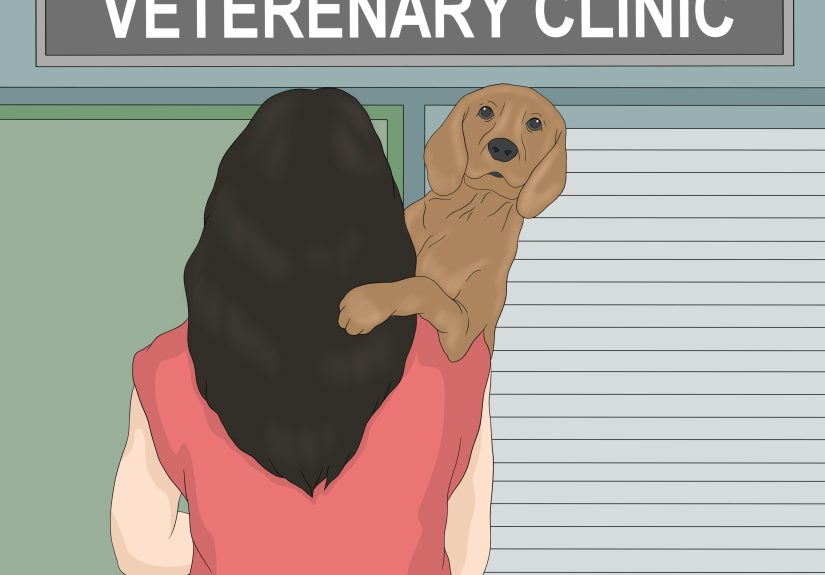
If your cat suddenly starts peeing outside the litter box, schedule a vet visit. Inappropriate urination can be linked to medical issues, stress, litter box aversion, or territorial behavior. Clean the area thoroughly, review litter box setup, and avoid punishing the cat. That teaches fear, not bathroom etiquette.
For dogs
If your dog is marking furniture, clean the spot with an enzyme cleaner and address the underlying habit with supervision, potty breaks, training, or management. Belly bands and diapers may help temporarily, but they are not the long-term fix.
Quick Prevention Tips for Upholstery Owners With Pets
- Vacuum upholstered furniture regularly to remove hair, dander, and hidden debris.
- Use washable throws or covers on your pet’s favorite seat.
- Clean accidents immediately, even tiny ones.
- Wash removable cushion covers only if the care label allows it.
- Keep enzyme cleaner in the house before you need it.
- Use good airflow in rooms where pets spend the most time.
- Address sudden bathroom behavior changes with a veterinarian.
Final Thoughts
Learning how to remove the smell of cat or dog urine from upholstery is really about doing the boring but effective things in the right order: blot, treat, absorb, dry, repeat if needed. The magic is not in some dramatic one-spray miracle. It is in getting to the odor source and giving the cleaner enough time to work.
If the accident is fresh, your odds are excellent. If it is old, you may need patience, multiple rounds, or professional help. Either way, the goal is not just a couch that smells better for an hour. It is a sofa that no longer smells like your pet secretly pays rent.
Real-World Experiences Pet Owners Commonly Have With Upholstery Urine Odor
In real homes, the experience of cleaning pet urine from upholstery is usually less glamorous than the internet makes it sound. Nobody calmly glides into the room holding a perfectly folded white cloth while inspirational music plays. Usually, someone sits down, makes a face, and starts asking, “Wait, what is that smell?” That is often how the mystery begins. Pet urine on upholstery has a sneaky timeline. Fresh accidents are obvious. Older ones turn into detective work.
One very common experience is assuming the smell is gone because the surface looks clean. Then later that day, or the next humid afternoon, the odor comes back like it has unfinished business. This happens because the fabric may be clean while the cushion insert is still holding onto urine. Many pet owners learn this the hard way after doing one quick surface wipe, lighting a candle, and declaring victory much too early. The nose, sadly, files an appeal.
Another common experience is discovering that the “problem spot” is bigger than expected. A dog may have urinated on the front edge of a cushion, but the liquid traveled inward. A cat may have chosen the corner of the couch, yet the odor somehow ends up strongest under the cushion seam. That is why people often say the smell seems to move. It is not moving. It is revealing where the liquid actually went.
Pet owners also tend to remember the moment they learned that scrubbing is a trap. The instinct to attack the stain like it insulted your family is understandable, but vigorous rubbing usually makes the area look worse and pushes moisture deeper. Many people only switch to blotting after they realize that their first cleaning attempt created a larger damp patch and a bigger headache. Upholstery has a way of punishing panic.
There is also the very relatable experience of trying a heavily scented spray first because it is fast and easy. For about twenty minutes, the room smells like lavender, citrus, or “mountain breeze.” Then the fragrance fades, the urine odor reappears, and now the couch smells like a pine forest that lost a bar fight. This is usually the moment pet owners become believers in enzyme cleaners.
Households with multiple pets often report a second layer of frustration: once one accident happens, another pet may become interested in the same area. That is why full odor removal matters so much. The furniture is not just stained; it can become a repeated target if any scent remains. In these cases, cleaning and prevention have to work together.
And finally, there is the experience many pet owners hate admitting: sometimes the answer is calling a professional. Not because they failed, but because upholstery can hold odor in foam, batting, and even the furniture frame. Knowing when a stain is a DIY project and when it is a “please bring equipment stronger than my optimism” situation is part of the learning curve. In the end, most people do figure it out. They learn the fabric, keep a pet urine cleaner on hand, act faster next time, and become weirdly knowledgeable about couch cushions. It is not the hobby anyone asked for, but it is a very practical one.