Table of Contents >> Show >> Hide
- Quick reality check: the “cantaloupe” you buy in the U.S. is usually a muskmelon
- Cantaloupe nutrition snapshot
- Benefit #1: Hydration support that actually tastes good
- Benefit #2: Vitamin C for immune support and collagen production
- Benefit #3: Eye-friendly carotenoids (hello, beta-carotene)
- Benefit #4: Potassium to support heart-healthy blood pressure patterns
- Benefit #5: Digestion support from water + fiber (aka the gentle duo)
- Benefit #6: Weight-management friendly (without feeling like punishment)
- How to pick a cantaloupe that doesn’t taste like sadness
- Food safety: the one cantaloupe tip that’s actually non-negotiable
- Easy ways to eat more cantaloupe (without getting bored)
- Who should be a little cautious?
- Conclusion: the benefits of cantaloupe add up fast
- Experiences section: what these cantaloupe benefits look like in everyday life (extra insights)
Cantaloupe is the summer fruit equivalent of finding money in your pocket: sweet, refreshing, and oddly
satisfying for something so simple. It’s juicy, low-key nutritious, and somehow manages to feel like a treat
even when you’re trying to “be good.”
In this guide to the benefits of cantaloupe, we’ll break down six science-backed healthy
advantages (without turning your snack into homework). You’ll also get practical tips for picking a great melon,
storing it safely, and using it in real lifebecause “eat more fruit” is not a plan.
Quick reality check: the “cantaloupe” you buy in the U.S. is usually a muskmelon
Fun fact: what Americans commonly call cantaloupe is typically a type of muskmelon with that familiar netted rind
and orange flesh. “True” European cantaloupes look different and aren’t the standard grocery-store melon in the U.S.
Either way, the nutrition story is similarand the deliciousness is very much real.
Cantaloupe nutrition snapshot
Nutrition can vary by size and ripeness, but a typical serving (about 1 cup of cubed/ball
cantaloupe) is light in calories and heavy on hydration. Here’s a helpful ballpark:
| Per ~1 cup cantaloupe | What it means |
|---|---|
| ~60 calories | Snack-friendly without feeling like “diet food.” |
| ~90% water | Hydration support with a side of sweetness. |
| Vitamin C (roughly ~65 mg) | Strong daily-value contributor for immune and collagen support. |
| Vitamin A (as carotenoids; ~300 mcg RAE) | Supports vision and healthy cells; gives cantaloupe its orange glow. |
| Potassium (~470 mg) | A mineral tied to healthy blood pressure patterns. |
| Fiber (~1.5–1.6 g) | Helps digestion and adds a little “stick-with-you” power. |
Translation: cantaloupe is a hydrating fruit that delivers meaningful vitamins and minerals
without a lot of calories. Now let’s get to the good stuffthe six advantages.
Benefit #1: Hydration support that actually tastes good
If drinking plain water feels like doing chores, cantaloupe is a delicious workaround. Because it’s mostly water,
it helps contribute to daily fluid intakeespecially useful in hot weather or after activities.
Why it matters
- Hydration affects energy and focus. Even mild dehydration can make you feel sluggish.
- Water-rich foods count. Fruits and vegetables contribute to total hydration.
- It’s easy to eat. No blender required. No “wellness ritual” needed.
Practical example: Try a bowl of chilled cantaloupe after being outdoors, or add it to a snack plate with
yogurthydration plus protein is a power combo.
Benefit #2: Vitamin C for immune support and collagen production
Cantaloupe brings a strong dose of vitamin C, which plays a role in immune function and helps
your body make collagen (a protein that supports skin, connective tissue, and wound healing).
What this can look like in real life
- Immune support: Vitamin C helps support normal immune defenses (it’s not a magic force field, but it matters).
- Skin support: Collagen production relies on vitamin Cso yes, your fruit can help your glow-up plan.
- Better “nutrients per bite”: You’re not just eating sugar-water. You’re getting useful micronutrients.
Practical example: Add cantaloupe to a breakfast bowl with Greek yogurt and a sprinkle of nuts. You get
vitamin C plus protein and healthy fatsmore balanced than fruit alone.
Benefit #3: Eye-friendly carotenoids (hello, beta-carotene)
That bright orange flesh isn’t just for aestheticscantaloupe contains carotenoids such as beta-carotene,
which your body can convert into vitamin A. Vitamin A supports normal vision and the health of cells throughout the body.
Bonus points: antioxidant variety
Many nutrition experts highlight cantaloupe’s mix of antioxidants (including carotenoids). Antioxidants help protect
cells from oxidative stressone of those behind-the-scenes processes that’s normal in the body but becomes a problem
when it runs hot for too long.
Practical example: If you’re building a “rainbow plate,” cantaloupe is an easy orange optionespecially if you
don’t love carrots or sweet potatoes.
Benefit #4: Potassium to support heart-healthy blood pressure patterns
Cantaloupe contains potassium, a mineral that supports normal muscle and nerve function and is frequently
discussed in the context of healthy blood pressure. Many heart-health guidelines encourage potassium-rich foods as part
of overall dietary patterns that support cardiovascular health.
Why potassium gets so much hype
- It helps balance sodium. Potassium-rich diets can help blunt sodium’s effects on blood pressure.
- It supports blood vessel function. Healthy blood pressure is partly about how relaxed or tense blood vessels are.
- Food-first is the usual advice. Getting potassium from foods is generally preferred over supplements for most people.
Practical example: Make a simple “summer heart-friendly” snack: cantaloupe + cottage cheese + a few whole-grain crackers.
You’ll get potassium, protein, and staying power.
Benefit #5: Digestion support from water + fiber (aka the gentle duo)
Digestion isn’t just about fiber. It’s also about fluid. Cantaloupe brings both, which can support
normal bowel regularity as part of an overall fiber-and-fluid-friendly diet.
How to make this benefit work better
- Pair it with other fiber foods: berries, oats, chia, nuts, or whole grains.
- Go slow if you’re sensitive: A huge bowl of fruit can cause bloating for some people.
- Make it consistent: Regular fiber intake works better than “random fiber events.”
Practical example: Add cantaloupe to a high-fiber breakfast: oatmeal topped with cantaloupe and a spoonful of nut butter.
It’s a sweet, creamy, “I have my life together” moment.
Benefit #6: Weight-management friendly (without feeling like punishment)
One underrated advantage in the list of cantaloupe health benefits: it’s naturally low in calories
for the volume you get. That matters because feeling satisfied often comes down to volume, not just willpower.
Why it’s satisfying for the calories
- High water content adds volume.
- Natural sweetness can satisfy dessert cravings.
- It plays well with protein (yogurt, cottage cheese, nuts), which helps you stay full longer.
Practical example: Swap “random cookies” for a snack plate: cantaloupe + a handful of pistachios + string cheese.
You still get something sweet, but it’s more balanced.
How to pick a cantaloupe that doesn’t taste like sadness
A good cantaloupe is aromatic, juicy, and sweet. A bad cantaloupe is… orange water pretending to be fruit.
Here’s how to improve your odds:
Selection tips
- Smell it: Look for a sweet aroma (especially near the blossom end).
- Feel it: It should feel heavy for its sizeoften a sign of juiciness.
- Press gently: A ripe one may yield slightly to light pressure (not squishy, not rock-hard).
- Avoid obvious bruises or mold: Your future self will not thank you.
Note: cantaloupe can soften after you buy it, but it typically won’t become dramatically sweeter if it was harvested under-ripe.
So buying a good one matters.
Food safety: the one cantaloupe tip that’s actually non-negotiable
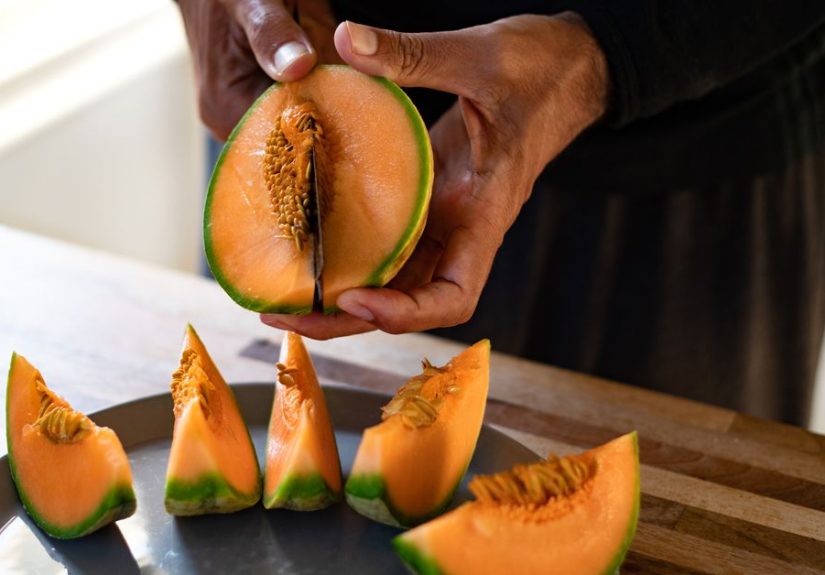
Melons grow on the ground, and their textured rinds can pick up bacteria. When you cut through the rind, the knife
can transfer microbes to the flesh. This is why washing and scrubbing the rind before slicing is a big deal.
Simple, smart handling habits
- Rinse and scrub the rind under running water before cutting.
- Use a clean cutting board and knife (and clean them after).
- Refrigerate cut cantaloupe promptly and don’t leave it out for long periods.
- When in doubt, throw it outespecially if it sat warm for hours.
Easy ways to eat more cantaloupe (without getting bored)
If you only eat cantaloupe as sad cubes in a plastic container, you’re missing its full potential. Try these:
Sweet ideas
- Breakfast bowl: cantaloupe + yogurt + granola + a drizzle of honey.
- Smoothie booster: blend cantaloupe with Greek yogurt and a squeeze of lime.
- Frozen “sorbet-ish” slush: freeze cubes, then blend with a splash of water.
Savory ideas (yes, really)
- Prosciutto wrap: classic salty-sweet combo (use turkey or a plant-based alternative if you prefer).
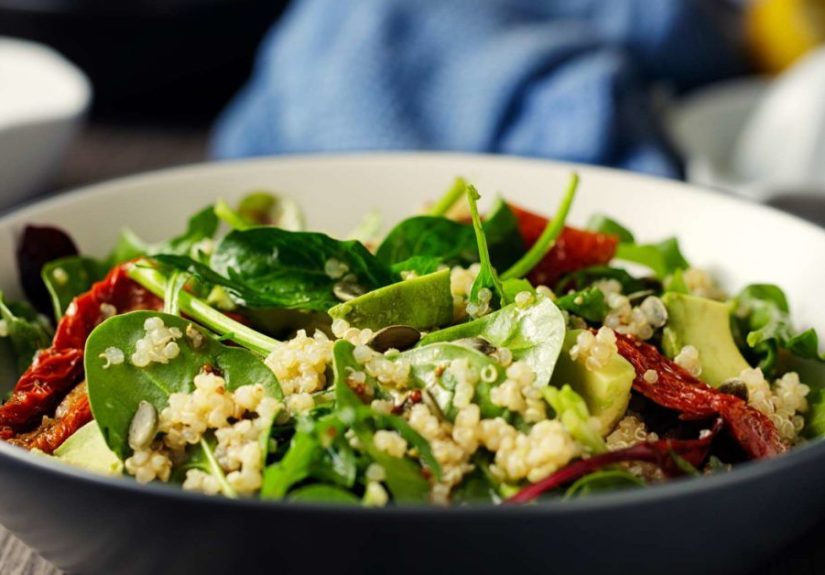
- Salad upgrade: cantaloupe + cucumber + feta + mint.
- Salsa twist: diced cantaloupe + jalapeño + red onion + lime for grilled fish or tofu.
Who should be a little cautious?
Cantaloupe is a healthy food for most people, but a few situations call for extra attention:
- Blood sugar management: Cantaloupe contains natural sugars. Portion size and pairing with protein/fat can help keep snacks more balanced.
- Kidney issues or potassium restrictions: If someone has been told to limit potassium, they should check with a clinician about fruit choices.
- Higher food-safety risk: People with higher risk from foodborne illness may want to avoid cut melon that wasn’t handled carefully or stored cold.
This article is for general education, not medical advice. If you’re managing a specific health condition, it’s smart
to ask a qualified healthcare professional for personalized guidance.
Conclusion: the benefits of cantaloupe add up fast
Cantaloupe earns its spot on the “actually healthy and actually enjoyable” list. It supports hydration, delivers vitamin C,
provides eye-friendly carotenoids, contributes potassium for heart-healthy eating patterns, helps digestion with water and fiber,
and can support weight-management goals because it’s low-calorie for the portion size.
The best part? You don’t have to choke down a bland “health food.” You just have to pick a ripe melon, handle it safely,
and eat it in a way that makes sense for your day. That’s not a diet. That’s a good snack.
Experiences section: what these cantaloupe benefits look like in everyday life (extra insights)
A lot of nutrition advice lives in the land of “should,” like you’re supposed to have a perfectly balanced plate while
floating through your day on a cloud of hydration and calm. Real life is more like: you’re hungry, you’re busy, and the snack
options are either a mystery granola bar from the bottom of your bag or something that feels like a small act of self-care.
This is where cantaloupe quietly wins.
For starters, the hydration benefit is one you can actually notice. People often describe feeling more refreshed
after water-rich foodsespecially in hot weatherbecause it’s easier to eat juicy fruit than to remember yet another glass of water.
A cold bowl of cantaloupe after being outside can feel like flipping a switch from “dry and tired” to “okay, I’m back.”
It’s not a miracle; it’s just water plus a little natural sweetness that makes hydration feel less like a chore.
Then there’s the vitamin C angle, which shows up in a sneaky way: you start thinking of cantaloupe as “dessert that counts.”
Instead of hunting for something sugary after a meal, a few slices of melon can hit that sweet spot (literally) while still giving you
something useful nutritionally. It’s also a low-effort add-ontoss cubes into a yogurt bowl or blend a quick smoothieand suddenly your
snack has that “I planned this” energy, even if you didn’t.
The eye- and skin-related nutrients tend to feel abstract until you realize how often orange fruits and veggies are recommended for
carotenoids. If you’re not a carrot person (no judgmentsome carrots taste like crunchy air), cantaloupe is a friendlier way to get orange
on your plate. Many people find it easier to stick with healthy habits when the food feels like a treat, and cantaloupe is basically a
treat that accidentally brought vitamins to the party.
The digestion benefit is also a “small but real” experience. Water-rich fruit plus a little fiber can help you feel less weighed down,
especially if your meals have been low on produce lately. It’s not a dramatic cleanse situationthankfullybut more of a gentle nudge in the
right direction. The key is not to make cantaloupe your entire personality overnight. Start with a reasonable portion, pair it with something
filling (like yogurt, cottage cheese, or nuts), and notice how your body responds.
And for weight management, cantaloupe shines because it changes the snack equation. A big bowl of melon feels generous. It’s visually satisfying.
It takes time to eat. That matters. Plenty of people find that high-volume, lower-calorie foods help them feel content without feeling restricted.
The experience is less “I’m dieting” and more “I’m choosing something that won’t leave me hungry again in 20 minutes.”
Finally, there’s the confidence factor: once you learn how to pick a good cantaloupe, you stop rolling the dice in the produce aisle.
You smell for sweetness, choose one that’s heavy for its size, avoid obvious bruises, and you’re suddenly the person who brings a perfect melon
to a picnic. Is it a life skill? Maybe not. Is it satisfying? Absolutely. Because the best “health” foods are the ones you’ll actually eat
and a ripe cantaloupe makes that part easy.