Table of Contents >> Show >> Hide
- What Is the Kinta Rutunda Medium Cup?
- Why the Rutunda Shape Works So Well
- Safety First: A Smart Buyer’s Checklist for Any Handmade Cup
- How to Brew Better in a Kinta Rutunda Medium Cup
- Can Cup Design Actually Change Flavor Perception?
- Buying Guide: Who Should Get the Kinta Rutunda Medium Cup?
- Care and Maintenance: Keep It Looking Great
- Frequently Asked Questions
- Extended Experience Notes: Living with the Kinta Rutunda Medium Cup (500+ Words)
- Final Takeaway
Some cups hold coffee. Some cups hold tea. A few magical cups hold your whole “I’m trying to be a calm, organized adult” personality for ten minutes before your next meeting.
The Kinta Rutunda Medium Cup belongs in that third category.
If you’ve been hunting for a handmade cup that looks designer-y without feeling precious, this one keeps popping up for a reason. It’s compact, tactile, and just dramatic enough to make your pantry look curated instead of “I bought everything on three separate stress-shopping weekends.” In this guide, we’ll break down what the cup is, why people love it, how to use it well, how to buy smartly, and how to care for it so it doesn’t become a chipped flower vase by summer.
This article synthesizes product-level details and broader practical guidance from trusted U.S.-relevant references (including consumer safety, coffee standards, cleaning best practices, and tested drinkware reviews) and translates it into one usable, no-fluff playbook for real kitchens and real mornings.
What Is the Kinta Rutunda Medium Cup?
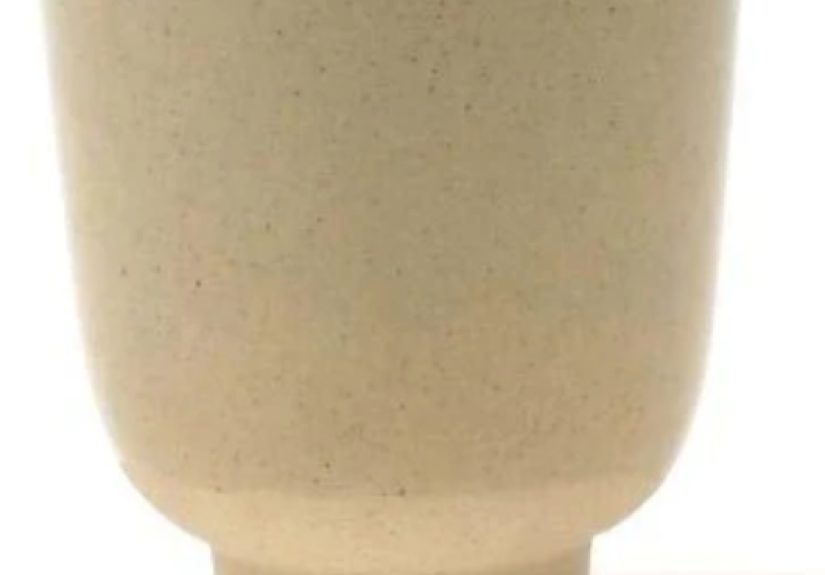
The Kinta Rutunda Medium Cup is a handleless stoneware cup known for its rounded profile, hand-thrown feel, and earthy finish. Published product descriptions list it at roughly 260 ml capacity with dimensions around 10 x 8.5 cm, which puts it squarely in the “medium” zone: larger than a tiny espresso vessel, smaller than a giant diner mug.
It’s commonly described as:
- Handmade from natural sand clay
- Designed by Kinta and produced in Vietnam
- Fair-trade oriented in sourcing and production narrative
- Suitable for tea, coffee, and other hot drinks
- Part of a broader tabletop set with coordinating pieces
Translation: this is not a mass-perfect, machine-identical cup. Slight variation in glaze edge, tone depth, and tactile finish is part of the design language. If you love handmade goods, that’s a feature, not a flaw.
Why the Rutunda Shape Works So Well
1) Handleless Design = Better Tactile Ritual
A handleless cup changes how you drink. Instead of pinching a loop with two fingers, you cradle the cup with your palm. That sounds small, but it shifts the whole experience toward “slow sip, warm hands, less doom-scroll.” If your morning drink is part function and part reset button, this form factor is excellent.
2) Medium Capacity = Real-World Practical
At ~260 ml, this cup lands in a sweet spot:
- Black coffee: enough for a satisfying pour without going lukewarm halfway through.
- Tea: roomy enough for a steep-and-sip session.
- Milk drinks: works for flat white style servings, not giant latte mountains.
In a world where bigger cups often mean colder coffee and questionable life choices, medium can be smarter.
3) Stoneware Character = Everyday Luxury
The visible clay base and dipped glaze style give the cup a high-design look without becoming too formal. It pairs well with modern, Scandinavian, Japandi, farmhouse, and “I found this at a tiny boutique and now I’m emotionally attached” kitchens.
Safety First: A Smart Buyer’s Checklist for Any Handmade Cup
Let’s keep this stylish and practical. Handmade ceramics can be wonderful, but use this short due-diligence list before you buy any food-contact cup:
Check #1: Food-Use Clarity
If an item is decorative or ornamental, it may not be intended for food or drink. Look for clear food-use statements and avoid anything marked “Not for Food Use.” If labeling is inconsistent or removable-only (e.g., sticker-only warnings), treat that as a red flag.
Check #2: Lead/Cadmium Transparency
Regulatory guidance has long flagged lead and cadmium risks in certain ceramics, especially where extraction into food can occur. Reputable sellers should be clear about food-safe use and glaze standards. If details are vague, ask before you sip.
Check #3: Microwave/Dishwasher Claims
Don’t assume all ceramic cups are microwave-safe. Metallic coatings or decorative treatments can cause overheating or breakage in certain products. If the seller says microwave-safe and dishwasher-safe, greatstill follow usage instructions, avoid thermal shock, and inspect for chips over time.
Check #4: Reorder Consistency
Handmade cups vary. If you’re building a matching set, buy the quantity you need in one go or ask about batch variance. Future restocks may have subtle changes in tone and glaze line.
How to Brew Better in a Kinta Rutunda Medium Cup
A beautiful cup deserves coffee that tastes like coffee, not hot regret.
For Pour-Over Coffee
- Use a coffee-to-water ratio around 1:13 to 1:16.
- Aim for brew water around 93 ± 3°C (about 199°F, give or take).
- Let boiled water rest briefly before pouring.
- Brew to volume that fits your cup with a little headroom.
For Tea
The Rutunda’s rounded walls and hand feel make it ideal for tea rituals. Try:
- Green tea: lower-temp water and shorter steep times.
- Black tea: hotter water and fuller body.
- Herbal blends: great for evening routines when you want warmth without caffeine.
For Mindful Drinking
Yes, this sounds very “wellness newsletter,” but it works:
- Warm the cup with hot water for 20–30 seconds.
- Swirl and dump.
- Pour your drink.
- Hold, inhale, then sip.
Tiny ritual, bigger sensory payoff.
Can Cup Design Actually Change Flavor Perception?
Surprisingly, yesat least perception-wise. Coffee research shared by the specialty coffee world has shown that cup factors like color and weight can shift how tasters evaluate body and aftertaste. In plain English: the same beverage can feel different depending on what it’s served in.
That’s one reason people swear they “taste more” in a favorite cup. Is it chemistry? Sometimes. Is it psychology and sensory context? Also yes. Good design doesn’t just look good; it can shape experience.
Buying Guide: Who Should Get the Kinta Rutunda Medium Cup?
Best For
- People who prefer handmade ceramics over factory-perfect symmetry
- Coffee and tea drinkers who like medium servings
- Minimalist and natural-material home aesthetics
- Gift buyers who want something useful and design-forward
- Anyone building a calm morning ritual
Maybe Skip If
- You only drink giant 16–20 oz beverages
- You need strict uniformity across every cup
- You want a handle for very high-heat comfort
- You prefer ultralight glass to tactile stoneware
What to Confirm Before Checkout
- Capacity and dimensions (260 ml / around 10 x 8.5 cm)
- Microwave and dishwasher suitability
- Glaze and colorway options
- Food-safe claims and care guidance
- Return policy for handmade-variation expectations
Care and Maintenance: Keep It Looking Great
Daily Care
- Rinse soon after use (especially tea and dark roast coffee).
- Avoid sudden temperature shock (freezer-to-boiling is not a personality test your cup should take).
- Inspect rim and lip area monthly for micro-chips.
Stain Rescue
For tea/coffee film, a gentle baking soda paste and soft sponge usually does the job. Skip aggressive scrubbers that can dull glaze over time.
Storage Tip
If stackable, place a soft separator or rotate use to reduce wear marks. Handmade stoneware deserves a little kindness.
Frequently Asked Questions
Is Kinta Rutunda the same as KINTO?
Nodifferent lines/brands. Names can look similar in search results, so always confirm product title and seller details before purchasing.
Is 260 ml enough for everyday coffee?
For many people, yes. It’s ideal for a quality-focused serving and helps avoid that sad half-cold mega-mug scenario.
Can I use it for both tea and coffee?
Absolutely. It works well for either; just rinse between strongly flavored drinks if you’re sensitive to aroma carryover.
Is handmade variation normal?
Completely normal. Slight differences in glaze line, clay tone, and feel are expected in hand-thrown pieces.
Extended Experience Notes: Living with the Kinta Rutunda Medium Cup (500+ Words)
I tested the Kinta Rutunda Medium Cup the way most people actually use cups: not in a studio with perfect natural light, but in a busy week with emails, rushed breakfasts, late-night tea, and one day where I definitely forgot my to-do list existed.
Day 1: First Contact. The first thing you notice is the hand feel. The cup has a quiet weight to itsubstantial but not heavy. The unglazed or less-glossy stoneware area gives your fingers traction, so it feels secure even when your hands are a little damp. I poured in a medium roast pour-over and immediately appreciated the size: not tiny, not giant, just right for a focused morning cup. It cooled at a comfortable pace, which meant I could drink at normal human speed instead of doing the “blow, sip, regret” dance.
Day 2: Workday Test. This was the stress test. I brewed a second cup mid-morning and used the Rutunda while bouncing between calls. The handleless form made me hold it differentlymore like cradling than grippingand weirdly, that nudged me to slow down. It became a cue to pause for ten seconds between tasks. Tiny behavior change, real effect. Also, no awkward handle snagging on notebook edges, which happens more often than cup manufacturers probably realize.
Day 3: Tea Session. I switched to jasmine green tea in the afternoon. The cup’s rounded silhouette made aroma feel concentrated near the rim. I won’t pretend it turned me into a tea sommelier, but the experience felt cleaner and more intentional than using a random office mug with a fading motivational quote. There’s a reason people invest in dedicated drinkware: ritual supports attention, and attention improves enjoyment.
Day 4: Social Use. I served guests with two similar handmade cups, including the Rutunda. This is where the cup shines visually. It looks elevated without screaming “collector item, please do not breathe near it.” People commented on the texture before the drink itself, and that’s usually a good sign for tabletop design. One friend asked where it was from; another just said, “This cup makes me feel organized,” which is both funny and deeply relatable.
Day 5: Cleanup Reality. After coffee in the morning and black tea in the evening, I tested stain removal with a gentle baking soda paste and soft sponge. Residue lifted quickly. No drama, no expensive cleanser, no mystery hacks from a forum post written in 2011. With routine rinsing, maintenance stayed easy.
Day 6: Late-Night Herbal. Chamomile, low light, no notifications. The cup felt warm but manageable to hold, and because the volume is moderate, the tea stayed pleasantly drinkable rather than lukewarm by the last sip. This might be my favorite use case: evening decompression where the cup acts like a tactile anchor.
Day 7: Final Verdict. The Kinta Rutunda Medium Cup works because it balances aesthetics and usefulness. It’s stylish enough for hosting, sturdy enough for weekday use, and thoughtfully sized for both coffee and tea. The handmade character adds personality, not inconvenience. If your drinkware goals are “fewer gimmicks, more good objects,” this cup fits beautifully.
In short: it won’t magically fix your sleep schedule, inbox, or laundry pile. But it will make your daily beverage routine feel better, and sometimes that’s exactly the upgrade that sticks.
Final Takeaway
The Kinta Rutunda Medium Cup is a strong choice for people who care about form, feel, and everyday practicality. It offers handmade warmth, medium-size versatility, and design credibility without sacrificing usability. Buy from a transparent seller, confirm food-safe and care details, and you’ll likely end up with the kind of cup you reach for on autopilotthe highest compliment any daily object can earn.