Table of Contents >> Show >> Hide
- What Is Eastern Prickly Pear Cactus?
- Why Gardeners Love This Native Cactus
- How to Grow Eastern Prickly Pear Cactus
- How to Plant Eastern Prickly Pear Cactus
- How to Propagate Eastern Prickly Pear Cactus
- Seasonal Care Tips
- Common Problems and How to Fix Them
- Landscape Ideas for Eastern Prickly Pear Cactus
- Real-World Growing Experiences With Eastern Prickly Pear Cactus
- Conclusion
If you think cactus care is reserved for desert people with cowboy boots and a suspicious amount of gravel, allow the Eastern prickly pear cactus to politely prove you wrong. Opuntia humifusa, commonly called Eastern prickly pear, is a hardy native cactus that grows in parts of the eastern United States and handles conditions that would make many fussy garden plants file a complaint. It laughs at sandy soil, shrugs at drought, and somehow manages to look dramatic while staying low to the ground.
That said, this plant is not indestructible. It is tough, yes, but it still has opinions. It wants sunshine, excellent drainage, and a gardener who understands that “helping” too much usually leads to soggy disaster. If you are looking for a low-maintenance native plant with bright yellow flowers, edible fruit, and enough personality to keep things interesting, this cactus may be your new favorite spiky roommate.
In this guide, you will learn how to grow and care for Eastern prickly pear cactus, including light, soil, watering, propagation, seasonal care, common problems, and what real gardeners often experience when growing this wonderfully stubborn plant.
What Is Eastern Prickly Pear Cactus?
Eastern prickly pear cactus is a low-growing, clump-forming cactus native to much of the eastern and central United States. Unlike towering desert cacti, this species spreads close to the ground in flattened pads. Those pads are not leaves, by the way. They are water-storing stems, which is a very efficient design if your life goal is surviving hot sun, dry soil, and the occasional forgetful gardener.
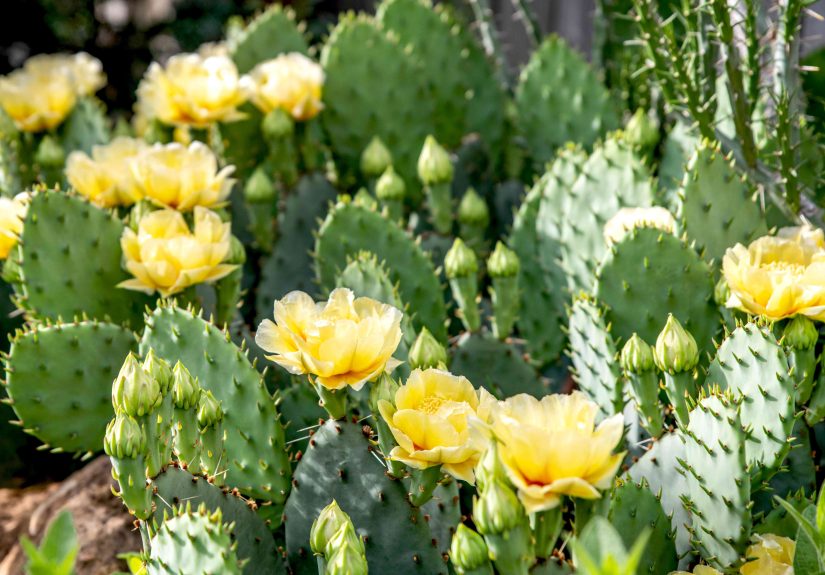
The plant usually stays relatively short, often under a foot tall, but it can spread outward into attractive colonies. In late spring or early summer, mature pads produce large, satiny yellow flowers, often with warm reddish centers. Later in the season, those flowers become red to purplish fruits. In winter, the pads may shrivel, flatten, or bronze, which looks alarming the first time you see it. Do not panic. The cactus is not composing a farewell letter. That seasonal slump is often a normal cold-weather response.
Why Gardeners Love This Native Cactus
There are plenty of reasons Eastern prickly pear has earned a loyal following among native plant fans, rock garden enthusiasts, and busy people who appreciate plants with a strong sense of self-reliance.
Top benefits of growing Eastern prickly pear cactus
First, it is highly drought tolerant once established, which makes it a strong option for water-wise landscapes. Second, it handles poor, sandy, rocky, and lean soils far better than many ornamental plants. Third, it brings real seasonal interest. You get sculptural pads, cheerful flowers, colorful fruit, and winter texture all from one plant. Finally, it is one of the few cacti that feels completely at home in many eastern landscapes, especially in sunny sites with sharp drainage.
It also works beautifully in native gardens, dry meadows, slopes, coastal-style plantings, gravel beds, and rock gardens. In other words, if your site is dry and sunny and your soil drains quickly, this cactus is already interested.
How to Grow Eastern Prickly Pear Cactus
Light requirements
If there is one non-negotiable rule for Eastern prickly pear cactus care, it is this: give it full sun. This plant wants as much direct light as you can reasonably provide. A minimum of six hours of full sun is a good target, but more is even better. Shade is not its friend. In low light, the plant may become weaker, flower less, and sit around looking disappointed.
For container-grown plants, place the pot in the brightest location available. Outdoors, choose a site that gets strong sun throughout the day. Avoid crowding it with taller perennials or shrubs that will eventually cast afternoon shade.
Best soil for Eastern prickly pear cactus
This cactus is not picky about rich soil. In fact, rich soil can be part of the problem if it holds too much moisture. The best soil for Eastern prickly pear cactus is sandy, rocky, gravelly, or otherwise sharply drained. If water lingers after rain, the plant is already planning its complaints.
In garden beds, mix in coarse sand, small gravel, or grit if your soil tends to stay wet. Raised beds, berms, slopes, and rock gardens are excellent choices because they improve drainage naturally. In containers, use a cactus mix or create your own fast-draining blend with potting soil, coarse sand, and grit or perlite.
The goal is simple: roots should never sit in soggy soil for long. Poor drainage is a much bigger threat than nutrient-poor ground.
How often to water Eastern prickly pear cactus
Newly planted Eastern prickly pear cactus needs some moisture while it settles in, but even then, restraint is the secret. Water lightly after planting if the soil is completely dry, then let the soil dry out before watering again. Once the plant is established, it usually needs very little supplemental water in the ground unless you are dealing with a long dry spell.
For potted plants, use the classic cactus strategy: water thoroughly, then wait until the mix dries out completely before watering again. Do not give it tiny sips every few days. That kind of hovering tends to create weak growth and root problems. During winter dormancy, reduce watering sharply. Think “barely enough to keep it from collapsing into a dramatic puddle,” not “spa treatment every weekend.”
Temperature and hardiness
One of the most impressive features of Eastern prickly pear cactus is its cold tolerance. This is not a cactus that faints at the first mention of winter. It is widely grown in colder regions than many people expect, especially where the soil stays dry and drainage is excellent. That combination matters. Cold plus wet is far riskier than cold alone.
In frosty weather, the pads may look deflated, wrinkled, or purplish. That is often part of the plant’s winter survival strategy. When temperatures rise in spring, the pads usually plump back up and resume growth. If you are new to growing this plant, winter can feel like a trust exercise. The cactus tends to win.
Fertilizer needs
Eastern prickly pear cactus is not a heavy feeder. In the ground, it often performs beautifully with no fertilizer at all, especially in a native or low-input planting. For containers, a light application of cactus fertilizer or a diluted, low-nitrogen fertilizer in spring can support growth without pushing the plant into soft, floppy behavior.
Avoid heavy feeding, especially high-nitrogen formulas. Too much fertilizer can produce lush growth that is more vulnerable to rot and less in tune with the plant’s natural habit. This cactus does not want to bulk up like a bodybuilder. It wants to stay lean, sunbaked, and competent.
How to Plant Eastern Prickly Pear Cactus
Planting in the ground
Choose the sunniest, best-drained spot you have. If necessary, build up the area with a mound or raised bed. Dig a hole only as deep as the root ball and slightly wider. Set the plant so it sits at the same depth it was growing before, then backfill with your gritty soil mix. Do not bury it too deeply.
After planting, water lightly only if the soil is bone dry. Then step away. The less you fuss, the better the odds of success.
Planting in containers
Pick a container with excellent drainage holes. That is not optional. Terracotta is especially helpful because it dries faster than plastic. Use a cactus or succulent mix amended with extra coarse material if needed. Keep the crown high, do not overpot, and place the container in strong sun.
Container growing is a smart option if your native soil is heavy clay or if you want tighter control over moisture. It also makes it easier to protect the plant from excessive winter wet in rainy climates.
How to Propagate Eastern Prickly Pear Cactus
Propagation from pads
Pad propagation is the easiest and fastest way to make more Eastern prickly pear cactus. Select a healthy mature pad and remove it carefully with clean pruners or by gently separating it at the joint. Wear thick gloves and use tongs unless you enjoy surprise encounters with glochids.
Let the removed pad dry for several days to two weeks, until the cut end forms a callus. This step helps prevent rot. Once callused, place the pad upright about an inch deep in a gritty mix, or lay one side of the pad on the soil where it can root naturally. Keep it in a bright, warm location and resist the urge to water heavily right away. Roots will develop over time.
Propagation from seed
You can also grow Eastern prickly pear cactus from seed, but this method requires more patience. Germination can be slow, and seedlings take time to become sturdy plants. Seed growing is rewarding for enthusiasts, but if you want quicker results, pads are the way to go.
Seasonal Care Tips
Spring
As temperatures warm, inspect the pads for winter damage, remove any mushy sections, and resume moderate watering for container plants. This is also the time for light feeding if you plan to fertilize at all. Expect the pads to plump up again and flower buds to begin forming on mature plants.
Summer
Summer is the show-off season. The cactus flowers, sets fruit, and generally acts like it owns the place. Water only during extended dry periods for in-ground plants. Container plants may need more regular watering, but always let the mix dry between soakings. Watch for weeds or dense nearby growth that blocks airflow and sun.
Fall
Ease off fertilizer and reduce watering as growth slows. This is also a good time to evaluate drainage before winter rains or snow arrive. If the site stays wet, consider adding gravel mulch or improving runoff.
Winter
Do not overreact to shriveled pads. That winter look is often normal. The biggest winter danger is excess moisture, not ordinary cold. Protect container plants from prolonged saturation, and make sure outdoor specimens are not trapped in low, wet spots.
Common Problems and How to Fix Them
Root rot
The number one problem is root rot caused by wet soil or poor drainage. If pads turn mushy, translucent, or collapse from the base, excess moisture is the likely culprit. Move container plants into a faster-draining mix or improve the site if the plant is in the ground.
Wrinkled pads
Wrinkling is not always bad news. In summer, it can mean the plant needs water. In winter, it may be part of its normal cold-weather adaptation. Context matters. Check the season and the soil before deciding what to do.
Pests
Eastern prickly pear cactus usually has few serious pest problems, but occasional scale or mealybugs can appear, especially in containers or crowded conditions. Improve airflow, avoid overwatering, and address infestations early before they spread.
Handling injuries from glochids
The plant’s tiny barbed bristles are far more annoying than they look. They detach easily and can irritate skin. Always use gloves, tongs, or folded newspaper when handling pads. This cactus is beautiful, but it does not believe in hugs.
Landscape Ideas for Eastern Prickly Pear Cactus
Because it stays relatively low and spreads outward, Eastern prickly pear cactus works well at the front of sunny dry borders, in gravel gardens, between rocks, on slopes, and in native plantings. Pair it with drought-tolerant companions that enjoy similar conditions, such as butterfly weed, blazing star, little bluestem, or other sun-loving natives. The contrast between bold cactus pads and airy grasses can look fantastic.
It is also a strong candidate for gardeners dealing with coastal exposure or sandy soils where thirstier ornamentals struggle. Instead of fighting the site, Eastern prickly pear lets you lean into it.
Real-World Growing Experiences With Eastern Prickly Pear Cactus
Gardeners who grow Eastern prickly pear cactus often report the same funny pattern: the plant seems almost too quiet at first. You plant a pad or a small clump, give it a bright spot, and then it just sits there like a green pancake with attitude. There is little drama, little visible growth, and not much to brag about. Then one season later, sometimes after what feels like months of stubborn stillness, it suddenly looks settled, starts producing new pads, and begins acting like it has owned that corner of the garden since the invention of sunshine.
One of the most common experiences is learning not to overwater. Many gardeners come to this plant after caring for annuals, vegetables, or thirsty perennials, and they apply the same nurturing instincts. That usually backfires. Eastern prickly pear teaches a useful lesson: sometimes good plant care means doing less. People who succeed with it often say the turning point came when they stopped trying to improve everything and simply let the plant live the dry, bright life it wanted.
Another shared experience involves winter panic. The first cold season can be unsettling. Pads flatten, wrinkle, darken, and appear to give up on life entirely. New growers often assume the plant has died, or at least become deeply offended. Then spring arrives, temperatures rise, and those same pads gradually plump up again. Seeing that transformation once tends to cure the panic forever. After that, gardeners start greeting the winter slump with a relaxed nod, as if to say, “Ah yes, the seasonal cactus pancake phase. Carry on.”
People also notice that Eastern prickly pear cactus has a knack for finding the spots where other plants complain. Dry banks, gravelly edges, sandy beds near driveways, rocky corners, and awkward sunny slopes often become its favorite places. Gardeners who once viewed those areas as problem zones often end up using this cactus as a design solution. Instead of hauling in compost, mulch, and endless irrigation, they plant something that actually likes the challenge. That feels oddly satisfying.
There is also the delight of bloom season. Because the pads are interesting but fairly understated for much of the year, the flowers can feel like a surprise performance. One day you have a tidy, low green clump. Then suddenly there are bright yellow blooms with warm centers glowing in full sun, and the plant goes from “quietly competent” to “main character energy.” Many gardeners say those flowers are what turned them from cautious testers into devoted fans.
Propagation brings its own stories. Pads break off, root nearby, or get deliberately replanted, and before long one plant becomes several. Gardeners who start with a single specimen often end up sharing divisions with friends, expanding the patch, or moving rooted pads into new dry areas of the yard. It is one of those plants that makes you feel resourceful because multiplying it feels almost suspiciously easy.
Perhaps the best long-term experience is the sense of trust that develops. Eastern prickly pear cactus does not reward constant interference. It rewards observation, patience, and smart placement. Once gardeners understand that, the relationship gets much easier. You stop trying to make it behave like a tropical houseplant or a thirsty flower border plant. You give it sun, drainage, and a little breathing room. In return, it gives structure, flowers, fruit, and a very satisfying sense that your garden contains something both rugged and unexpectedly elegant.
Conclusion
Learning how to grow and care for Eastern prickly pear cactus is mostly about understanding what not to do. Do not smother it with rich soil. Do not water it like a tomato. Do not assume winter shriveling means disaster. Give it full sun, sharp drainage, and a little respect for its bristly boundaries, and it will reward you with hardy beauty, bright flowers, colorful fruit, and remarkably easy care.
For gardeners who want a native cactus that can handle eastern conditions, this plant is a standout. It is practical, eye-catching, and surprisingly adaptable. Best of all, it proves that a garden can be dramatic without becoming high-maintenance. Honestly, that is a personality trait worth copying.