Table of Contents >> Show >> Hide
- Why Can Young Adults Get Shingles?
- What Shingles Looks and Feels Like in Young Adults
- How Long Does Shingles Last?
- Complications Young Adults Should Not Ignore
- When to See a Doctor
- Treatment for Shingles in Young Adults
- Can Young Adults Prevent Shingles?
- Shingles in Young Adults: The Emotional Side No One Mentions Enough
- Experiences Young Adults Often Describe
- Final Thoughts
- SEO Tags
You expect shingles to show up with gray hair, reading glasses, and a firm opinion about lawn fertilizer. So when it lands in your 20s, 30s, or 40s, it can feel downright rude. But shingles in young adults is absolutely possible. It is less common than in older adults, yet it still happens, and when it does, it can be painful, surprising, and more than a little confusing.
Shingles, also called herpes zoster, is caused by the same virus that causes chickenpox. After chickenpox clears, the virus does not pack its bags and leave town. Instead, it stays quiet inside nerve tissue. Years later, it can reactivate and create a painful rash, nerve pain, and a very strong desire to avoid fitted shirts.
The good news is that many younger adults recover well, especially when shingles is recognized early and treated quickly. The tricky part is that early symptoms do not always look like a rash at first. In fact, they can feel like muscle pain, burning skin, tingling, or even a mysterious patch of pain that seems to come out of nowhere.
This guide explains why shingles can happen in young adults, what symptoms to watch for, how it is treated, when it becomes urgent, and what real-life experiences often feel like.
Why Can Young Adults Get Shingles?
The short answer is simple: if you have had chickenpox before, shingles is possible. Age increases the risk, but age is not the only factor. That means a younger adult is not the “usual” shingles patient, but they are definitely not impossible either.
In many cases, shingles in younger adults shows up when the immune system is under strain. That does not always mean a person is seriously ill. Sometimes the strain is linked to a health condition or medication. Other times, it may follow a period of physical stress, poor sleep, major illness, or emotional burnout. Life has a charming way of piling work deadlines, family stress, and a surprise viral reactivation into the same month.
Common reasons shingles may happen earlier in life
- A weakened immune system: This can happen because of certain diseases, cancer treatment, organ transplant medicines, autoimmune disease treatment, HIV, or long-term steroid use.
- Recent illness or immune disruption: Sometimes the body is simply dealing with a lot at once.
- Severe stress or exhaustion: Stress alone is not a guaranteed trigger, but it may play a role in some people.
- A history of chickenpox: If the virus is already in your body, reactivation is possible later.
That said, shingles can also happen in young adults who seem otherwise healthy. This is one reason it is often misread at first. A younger person with burning pain on one side of the chest may worry about a pinched nerve, a skin allergy, or a very dramatic bra strap. Then the rash arrives and solves the mystery in the least fun way possible.
What Shingles Looks and Feels Like in Young Adults
Shingles usually follows a nerve path, which is why the rash often appears in a stripe or band on just one side of the body. The torso is common, but shingles can also affect the face, neck, scalp, or even the area around one eye or ear.
Early shingles symptoms
Before the rash starts, many people notice warning signs for a few days. These can include:
- Pain, burning, tingling, itching, or numbness in one area
- Sensitivity to touch
- Headache
- Fatigue or malaise
- Light sensitivity
- Low-grade fever in some cases
This early phase is why shingles can be sneaky. The skin may look normal while the nerves are already throwing a tantrum.
The rash stage
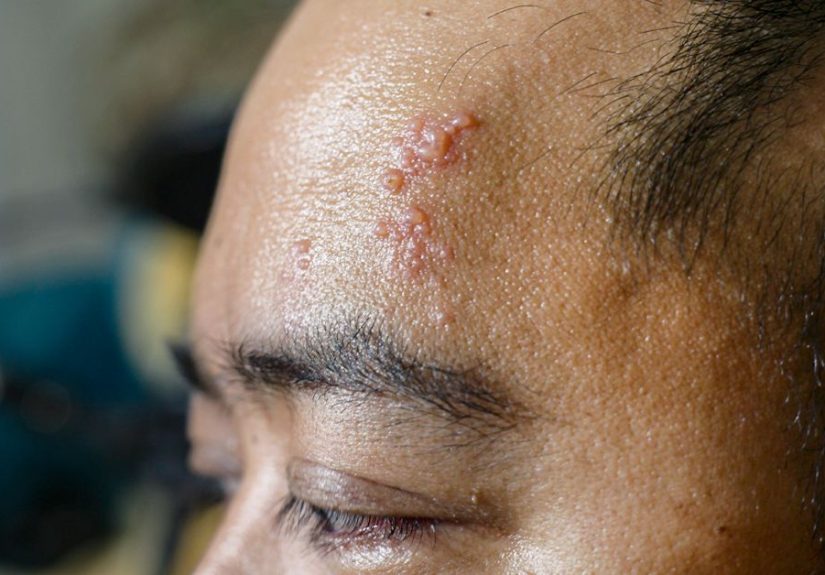
After the pain or tingling begins, a rash usually appears. It often starts as red patches and then turns into clusters of fluid-filled blisters. Those blisters eventually break, crust over, and heal.
Classic shingles symptoms include:
- A one-sided rash
- Blisters in a strip or patch
- Burning or stabbing nerve pain
- Itching and skin sensitivity
- Discomfort from clothing, bedsheets, or even a light touch
In younger adults, the rash may still be mild-looking while the pain feels much bigger than the rash suggests. That mismatch can be frustrating. People often think, “How can this tiny rash hurt this much?” Because shingles is a nerve problem wearing a skin costume.
How Long Does Shingles Last?
For many people, shingles lasts about 3 to 5 weeks from the first symptoms to healing. The nerve pain and rash do not always leave at the same time, though. The rash may crust and improve while the skin still feels raw, electric, or oddly sensitive.
A rough shingles timeline
- Days 1 to 5: Tingling, burning, pain, itching, fatigue, or headache may begin.
- Days 3 to 7: The rash appears and starts forming blisters.
- Week 1 to 2: Blisters may continue, then break and crust.
- Week 2 to 5: The rash dries and healing continues.
- After the rash: Some people feel lingering nerve pain, itch, or skin sensitivity for weeks or longer.
Younger adults are generally less likely than older adults to develop long-term nerve pain, but it can still happen. So “young” is not a magic shield. It is more like a mild discount, not full immunity.
Complications Young Adults Should Not Ignore
Most cases improve without major complications, especially with prompt treatment. But shingles is not something to shrug off, particularly if it affects the face, eye, or ear.
Postherpetic neuralgia
This is the most well-known complication. It means nerve pain continues after the rash is gone. The pain may feel burning, stabbing, deep aching, or like the skin is reacting dramatically to air itself. It is more common in older adults, but younger adults can still experience it.
Eye involvement
If shingles affects the forehead, eyelid, nose, or eye area, get medical care right away. Shingles in or around the eye can threaten vision and may require urgent treatment. This is not the time for “I’ll see how it looks tomorrow.”
Ear and facial nerve problems
Shingles involving the ear can sometimes affect hearing, balance, or facial movement. This needs medical attention quickly.
Skin infection
If blisters are scratched or become infected, the skin can develop a secondary bacterial infection.
Widespread rash in immunocompromised people
For people with weakened immune systems, shingles may be more severe, more widespread, or more likely to cause complications.
When to See a Doctor
Call a healthcare professional as soon as you suspect shingles. Antiviral treatment is most effective when started early, ideally within about 72 hours of symptom onset or rash appearance.
Seek prompt medical care if:
- You have pain, tingling, or a rash on one side of the body
- The rash is on your face, forehead, nose, or near your eye
- You are pregnant
- You have a weakened immune system
- The pain is severe or the rash is spreading fast
- You have eye redness, blurred vision, ear pain, facial weakness, or trouble hearing
Shingles is usually diagnosed based on symptoms and the appearance of the rash. In some cases, a clinician may take a sample from a blister or order testing if the diagnosis is unclear.
Treatment for Shingles in Young Adults
There is no instant “erase” button for shingles, but treatment can shorten the illness, reduce severity, and lower the risk of complications. Prescription antiviral medications are the main treatment. These commonly include acyclovir, valacyclovir, or famciclovir.
What treatment may include
- Antiviral medication: Helps the outbreak resolve faster and may reduce complications when started early.
- Pain relief: Depending on severity, this may include over-the-counter pain relievers or prescription medications.
- Skin care: Cool compresses, loose clothing, and gentle skin care can help.
- Rest and hydration: Basic, yes. Helpful, also yes.
Try not to scratch the blisters. Keep the rash clean and covered when practical. Also remember that shingles itself is not spread in the same way chickenpox is, but the virus in the blister fluid can cause chickenpox in someone who has never had chickenpox or the chickenpox vaccine. Until the rash has crusted over, avoid close contact with pregnant people who are not immune, premature infants, newborns at risk, and anyone who is immunocompromised.
Can Young Adults Prevent Shingles?
Prevention is a little more nuanced in younger adults. The main vaccine used to prevent shingles is Shingrix. In the United States, it is routinely recommended for adults age 50 and older. It is also recommended for adults age 19 and older who are or will be immunocompromised because of disease or therapy.
That means a healthy 27-year-old usually is not getting the shingles vaccine as routine care. But a 27-year-old starting certain immune-suppressing medications might be having a very different conversation with their doctor.
Other practical prevention habits
- Take immune health seriously if you have a chronic condition
- Ask about vaccine timing before starting immune-suppressing treatment
- Get medical advice early if you have suspicious one-sided pain or rash
- Do not assume you are “too young” for shingles
Shingles in Young Adults: The Emotional Side No One Mentions Enough
Shingles can be weirdly isolating for younger adults. People often expect a broken ankle, seasonal flu, or a burnout spiral. They do not expect a nerve virus from childhood to stage a comeback tour.
Because of that, younger adults may delay care or second-guess what they are feeling. Some worry the pain sounds exaggerated. Others assume the rash is a bug bite, allergic reaction, or workout chafing gone rogue. Meanwhile, the discomfort can affect sleep, work, exercise, childcare, and concentration.
Even when the rash is small, the pain can be intense. That mismatch can make people feel misunderstood. If that is you, know this: shingles pain is real, and getting checked early is smart, not dramatic.
Experiences Young Adults Often Describe
The following examples are written as realistic, experience-based snapshots of how shingles in young adults often feels in everyday life.
“I thought I had pulled a muscle.”
A lot of young adults first notice shingles as pain without a rash. It may start as a weird burning stripe on the ribs, a stabbing patch near the shoulder blade, or a tingling area on one side of the torso. Because many younger people are active, sit at desks all day, carry toddlers, lift weights, or sleep like folded laundry, the first assumption is often a muscle strain. It does not help that the pain may come and go, or feel deeper than the skin. Then a few days later, the rash appears and suddenly the mystery becomes much less mysterious and much more annoying.
“The rash looked small, but the pain was huge.”
This is one of the most common experiences. Young adults may have a relatively limited area of blisters but feel intense pain, skin sensitivity, and fatigue. A seatbelt can feel like sandpaper. A T-shirt seam can feel hostile. Sleep gets disrupted because rolling over onto the area hurts. Some people say the pain is burning; others describe it as electrical, stabbing, or like a severe sunburn mixed with pins and needles. It can make normal routines feel bizarrely difficult.
“I was shocked because I thought shingles only happened to older people.”
This reaction is incredibly common. Younger adults often feel blindsided, especially if they are otherwise healthy. Some trace the timing to an especially intense period, such as final exams, a new baby, a major illness, long work hours, or treatment for another condition. Others cannot identify a clear reason at all. The surprise itself can cause anxiety, particularly when they start searching symptoms online and realize shingles can affect the eye or lead to lingering nerve pain.
“I felt better once treatment started, but recovery still took patience.”
Even with prompt antiviral treatment, shingles is not always a one-week inconvenience. Many younger adults start improving within days, but the skin may stay tender and the nerves may remain cranky for a while. Some feel wiped out for a week or two. Others notice the rash healing while the area still tingles or burns. That can be emotionally frustrating because the visible part looks better before the body fully feels better.
“The worst part was not knowing if it was serious.”
When shingles shows up on the face, scalp, ear, or around the eye, fear tends to spike. And honestly, that is understandable. Those locations deserve prompt medical attention. But even when shingles is on the torso, uncertainty can be stressful. Young adults often wonder whether they are contagious, whether they should go to work, and whether the pain means something dangerous is happening. Clear medical guidance usually helps a lot: get evaluated early, start treatment if prescribed, protect the rash, rest, and watch closely for symptoms involving the eye or worsening pain.
The biggest takeaway from these experiences is simple: shingles in young adults may be unexpected, but it is real. Listening to early symptoms and getting care quickly can make the whole ordeal shorter, safer, and a little less miserable.
Final Thoughts
Shingles in young adults is one of those diagnoses that sounds wrong until it is yours. But it can happen, and it usually starts the same way: the chickenpox virus reactivates, the nerves get irritated, and a one-sided painful rash appears. Younger age may lower the odds of complications, but it does not cancel them.
The smartest move is to act early. If you notice one-sided burning, tingling, or a blistering rash, especially on the face or near the eye, get medical advice promptly. Fast treatment can shorten the course and reduce the chance of long-term pain. In other words, do not let nostalgia for your childhood chickenpox make a surprise sequel harder than it needs to be.