Table of Contents >> Show >> Hide
- Why Clean a Washer with Bleach?
- Way 1: Use the Washer’s Clean Cycle with Bleach
- Way 2: Deep-Clean a Top-Load Washer with Bleach and Hot Water
- Way 3: Detail-Clean a Front-Load Washer with Bleach
- Mistakes to Avoid When Cleaning a Washer with Bleach
- How Often Should You Clean a Washer with Bleach?
- How to Keep Your Washer Fresh Longer
- Final Thoughts
- Real-Life Experiences: What Cleaning a Washer with Bleach Actually Feels Like
If your washing machine has started smelling less like “fresh laundry day” and more like “mystery swamp behind the gym,” you are not alone. Washers clean your clothes, sure, but they also collect detergent residue, lint, body oils, mineral buildup, and the occasional forgotten sock that dies in silence. Add moisture to that messy little party, and you have the perfect setup for odors, grime, and mildew.
The good news is that learning how to clean a washer with bleach is not complicated. The better news is that it can make a dramatic difference in how your machine smells, performs, and holds up over time. The best news is that this job usually takes more patience than skill, which is ideal for the rest of us.
In this guide, you will learn three effective ways to clean a washer with bleach, when to use each method, what mistakes to avoid, and how to keep your machine from turning funky again next week. We will cover both front-load washers and top-load washers, because laundry machines have different personalities and apparently demand individual treatment.
Why Clean a Washer with Bleach?
Bleach is popular for washer maintenance because it helps tackle odor-causing residue, mildew, and gunk that can build up inside the drum, dispenser, and hidden nooks of the machine. When used correctly, it can freshen the tub, brighten up stained interior surfaces, and help reduce that sour smell that makes clean towels smell suspiciously not clean.
That said, bleach is not a free-for-all cleaning magic potion. Some washer models recommend it for tub-cleaning cycles, while others prefer specialty cleaners or oxygen-based products. Some brands also warn against using splashless or thickened bleach, which can foam or leave residue. So before you pour anything into your machine like a home-care cowboy, check your owner’s manual.
Before You Start
- Make sure the washer is empty.
- Use regular liquid chlorine bleach, not splashless or thickened versions.
- Never mix bleach with vinegar, ammonia, or other cleaners.
- Open a window or keep the room ventilated.
- Wear gloves if your skin is sensitive.
- Follow your washer manufacturer’s instructions for dispenser use and clean cycles.
Way 1: Use the Washer’s Clean Cycle with Bleach
This is the easiest and usually the most manufacturer-friendly method. If your machine has a Clean Washer, Tub Clean, Basket Clean, Self Clean, or similar cycle, congratulations: your washer is basically asking for a spa day.
This method works best for routine maintenance, mild odors, and regular residue buildup. It is especially useful if your machine is still working fine but smells a little stale when you open the lid or door.
How to Do It
- Remove all clothes, lint, and loose debris from the drum.
- Check the manual to confirm whether bleach is allowed for your specific clean cycle.
- Add the recommended amount of liquid chlorine bleach. In many machines, that is about 1 cup, but do not guess if your manual gives a different amount.
- Put the bleach where the manufacturer says to put it: the drum, the bleach dispenser, or the designated cleaning compartment.
- Select the washer’s cleaning cycle and let it run completely.
- If your machine or manual suggests it, run an extra rinse afterward.
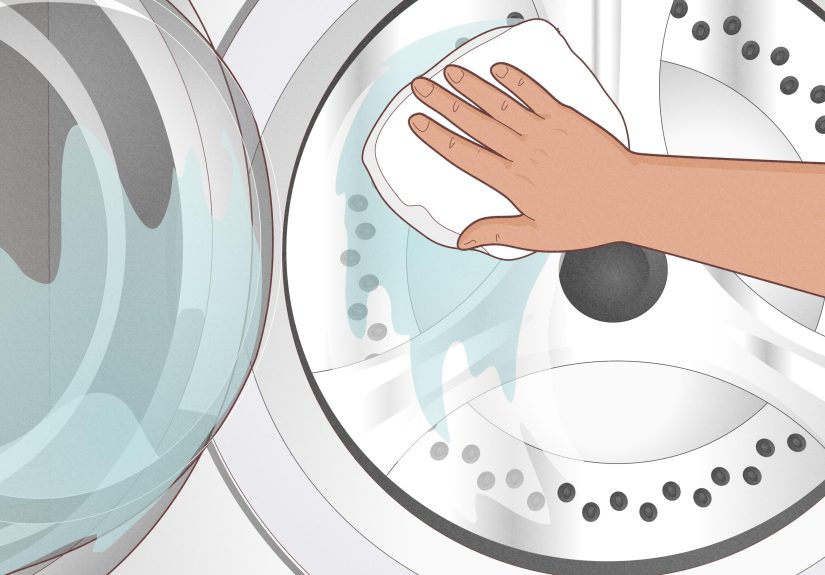
- Wipe the inside of the drum, the door, and the dispenser area with a clean cloth.
- Leave the lid or door open so the interior can dry out.
This method is ideal if your washer has only a light smell or if you are staying on top of monthly maintenance. Think of it like brushing your teeth instead of waiting until your mouth files a formal complaint.
Best For
- Monthly washer cleaning
- Removing mild odors
- Maintaining a mostly clean machine
- People who prefer the least amount of scrubbing possible
Way 2: Deep-Clean a Top-Load Washer with Bleach and Hot Water
If you have a top-load washer without a dedicated clean cycle, or if the machine smells like it has been laundering gym socks in a swamp, a manual bleach deep-clean can help. This method gives hot water and bleach time to wash over the tub and loosen buildup that a quick wipe-down will never touch.
Top-load washers are a little easier to clean manually because you can usually pause the cycle and let the bleach solution soak inside the tub. That extra contact time can be especially useful if you notice slimy residue, detergent film, or a funky ring around the inside of the washer basket.
How to Do It
- Start with an empty washer.
- Set the machine to the largest load size and the hottest water setting.
- As the tub fills, add the amount of bleach your manufacturer allows. In many cases, people use around 1 cup, but again, the manual wins every argument.
- Let the washer agitate for a few minutes so the bleach distributes through the water.
- Pause the cycle and let the bleach-water mixture sit in the tub for about 30 to 60 minutes if your machine allows it.
- Resume the cycle and let it finish completely.
- Run one more rinse cycle or a full hot-water cycle with no cleaner to flush away leftovers.
- Use a soft cloth to wipe the rim, underside of the lid, dispenser compartments, and any visible residue.
If the washer still smells odd after one round, repeat the process another day rather than dumping in extra bleach all at once. More is not always better. In cleaning, as in karaoke, confidence is good, but excess can become a problem quickly.
Best For
- Top-load washers without a tub-clean cycle
- Heavy odor problems
- Visible residue or grime inside the tub
- Machines that have been ignored for an embarrassingly long time
Way 3: Detail-Clean a Front-Load Washer with Bleach
Front-load washers are efficient, sleek, and annoyingly talented at hiding moisture in places you cannot easily see. If your front-loader smells bad, the drum may not be the only culprit. The real offenders are often the rubber door gasket, detergent drawer, drain area, and the folds where water likes to lounge around long after the wash cycle is over.
This method focuses on the details. It combines a bleach cleaning cycle, if allowed by your model, with careful cleaning of the washer’s moisture-trapping parts. If you skip the gasket and dispenser, you may clean the machine and still keep the smell. That is like showering and then putting your gym clothes back on. Technically effort was made, but the outcome is questionable.
How to Do It
- Unplug the washer if your manual recommends it for cleaning exterior parts.
- Pull back the rubber gasket carefully and look for hair, lint, coins, and mysterious sludge from another timeline.
- Wipe the gasket with a cloth dampened in a diluted bleach solution if your manual allows bleach on that surface. Use a clean damp cloth afterward to remove residue.
- Remove the detergent drawer if possible and wash it with warm water. Scrub crevices with a small brush.
- Wipe the dispenser housing where slime and detergent buildup like to hide.
- Clean the drain filter if your machine has one and your manual shows how to access it safely.
- Run the washer’s cleaning cycle with bleach if the manufacturer approves bleach for that cycle.
- Finish with an extra rinse if needed, then dry the gasket, drum, and door glass.
- Leave the door and dispenser slightly open to air-dry.
This is the method to use if your machine smells musty even after a cleaning cycle, or if black spots, residue, or mildew are visible around the gasket. Front-load washers reward consistency. Ignore them for three months, and they become dramatic.
Best For
- Front-load washers with mildew smells
- Machines with dirty door gaskets or drawers
- Homes where the washer door stays shut between loads
- People tired of their “clean” laundry smelling slightly haunted
Mistakes to Avoid When Cleaning a Washer with Bleach
Even a solid cleaning method can go sideways if you make a few classic mistakes. Here are the big ones to avoid:
1. Using the Wrong Kind of Bleach
Use regular liquid chlorine bleach only if your machine allows it. Splashless, thickened, or specialty formulas may not flush correctly and can create too many suds or leave residue behind.
2. Mixing Bleach with Other Cleaners
This one is non-negotiable. Never combine bleach with vinegar, ammonia, or other chemicals. It is not a “super cleaner” trick. It is a terrible idea with dangerous fumes.
3. Pouring Bleach Wherever You Feel Like It
Some machines want bleach in the dispenser. Others allow it in the tub for a clean cycle. A few have very specific rules. The manual is not being bossy for fun; it is trying to protect your washer.
4. Forgetting the Extra Rinse
If your machine still smells like bleach after cleaning, do another rinse cycle. Residual bleach can damage fabrics in the next load if too much remains.
5. Ignoring the Small Parts
You can run a perfect cleaning cycle and still have a smelly machine if the gasket, dispenser, and filter are full of gunk. Washers are sneaky like that.
How Often Should You Clean a Washer with Bleach?
For most households, once a month is a smart maintenance schedule. If you wash sweaty clothes, pet bedding, muddy kids’ stuff, or damp towels on repeat, you may need to clean it more often. Households in humid climates also tend to fight mildew more aggressively, especially with front-load machines.
You should definitely clean the washer sooner if you notice any of these signs:
- A sour, musty, or mildew smell
- Residue in the drum or dispenser
- Black spots on the gasket
- “Clean” laundry that smells weird
- An owner’s manual reminder or self-clean alert
How to Keep Your Washer Fresh Longer
Cleaning the washer is great. Not creating a new mess immediately after is even better. Here are a few habits that help keep odor and buildup from coming back:
- Leave the lid or door open after each load so the drum can dry.
- Pull out the detergent drawer slightly between loads if your machine allows it.
- Do not use more detergent than necessary.
- Use HE detergent in HE machines.
- Remove wet laundry promptly instead of letting it marinate for six hours.
- Wipe the gasket and door glass every few loads.
- Clean the dispenser and filter regularly.
Those small habits matter. In a lot of homes, the real problem is not that the washer is impossible to clean. It is that the machine stays damp, closed, and coated in leftover detergent. That combination is basically a standing invitation for odor.
Final Thoughts
If you want a simple answer to how to clean a washer with bleach, here it is: use the method that fits your machine, follow the manual, clean the hidden parts, and do it regularly before your washer starts acting like a bog creature.
The three best methods are straightforward. Use the washer’s clean cycle with bleach if your model allows it. Deep-clean a top-load washer with hot water and a bleach soak if it needs a serious refresh. Detail-clean a front-load washer by targeting the gasket, dispenser, and drain areas in addition to the tub. Do that consistently, and your laundry room will smell a lot less like regret.
A clean washer does more than smell better. It supports better wash performance, helps reduce residue transfer to clothes, and makes the whole laundry routine feel less gross. Which, honestly, is a pretty strong selling point.
Real-Life Experiences: What Cleaning a Washer with Bleach Actually Feels Like
People often assume a washing machine stays clean because soap and water move through it all week. Then one day they open the lid and get hit with a smell that suggests a wet towel and an old basement had a baby. That is usually the moment washer cleaning becomes personal.
One of the most common experiences is surprise. A machine can look fine at first glance but still hide buildup in the dispenser, under the rim, or inside the rubber gasket. Many people run one bleach cleaning cycle and are shocked by how much fresher the washer smells immediately afterward. It is one of those rare home-maintenance jobs where the before-and-after difference is obvious enough to make you feel strangely powerful.
Another familiar experience is realizing the problem was not the drum at all. A lot of front-load washer owners discover that the gasket is the real villain. They wipe inside the folds and find lint, hair, detergent slime, and little dark spots that explain exactly why the laundry has smelled “off” for weeks. It is gross, yes, but it is also weirdly satisfying. Like popping open a junk drawer and finally throwing away three dead pens and a coupon from 2022.
Top-load washer owners often notice a different pattern. Their machines may not smell as musty at the door, but they can develop buildup in the tub or around the agitator and lid. After a hot cycle with bleach and a second rinse, many people notice their towels stop smelling stale and their whites seem a little brighter. Not movie-montage brighter, but enough that you stop wondering whether your detergent has given up on life.
There is also the experience of learning that detergent is sometimes the real chaos agent. Many households use more detergent than they need, thinking extra soap means extra cleanliness. Then they clean the washer with bleach, cut back the detergent amount, leave the lid open after loads, and suddenly the machine behaves like a civilized appliance again. It turns out the washer was not broken. It was just drowning in product.
And then there is the simple relief that comes from not smelling mildew every time you walk into the laundry area. Clean washers make the whole room feel better. Laundry becomes less of a “let me brace myself” chore and more of a normal adult task. Still boring, of course. But cleaner boring. Upgraded boring. Premium boring.
The biggest lesson from real experience is that bleach works best when it is part of a routine, not a last-minute rescue mission. Once people start cleaning the washer monthly and drying the machine out between loads, they usually spend less time fighting odors and less time wondering why “freshly washed” shirts smell suspicious by lunchtime.