Table of Contents >> Show >> Hide
- Why Painting Kitchen Cabinets Is Worth It
- Before You Open a Paint Can: Know What a Pro Finish Really Means
- Tools and Materials You Will Need
- How to Paint Kitchen Cabinets Like a Pro: Step by Step
- 1. Empty the Cabinets and Clear the Room
- 2. Remove Doors, Drawers, and Hardware
- 3. Clean Every Surface Thoroughly
- 4. Repair Imperfections
- 5. Sand or Degloss the Surfaces
- 6. Prime Like You Mean It
- 7. Choose the Right Paint
- 8. Apply the First Coat with a Light Hand
- 9. Sand Lightly Between Coats
- 10. Let the Paint Cure Before Reassembly
- Brush, Roller, or Sprayer?
- Best Practices for Different Cabinet Materials
- Common Cabinet Painting Mistakes to Avoid
- Color and Finish Tips for a Custom Look
- What the Real Experience of Painting Kitchen Cabinets Feels Like
- Final Thoughts
- SEO Tags
If your kitchen cabinets are solid, functional, and just painfully stuck in another decade, paint can perform a near-miracle. It is one of the smartest ways to refresh a kitchen without paying full-remodel prices, and when it is done right, the finish can look polished enough to make guests ask, “Wait, did you replace these?” That is the dream. The nightmare is sticky doors, visible brush marks, paint that chips near the handles, and one drawer that somehow never fits back where it came from. The difference between those two outcomes is not luck. It is preparation, patience, and using the right system from start to finish.
Painting kitchen cabinets like a pro is less about dramatic brushwork and more about boring-but-beautiful discipline. Clean the grease. Label every piece. Prime correctly. Apply thin coats. Let them dry. Then let them cure, even when your inner chaos gremlin wants to reattach everything immediately. In this guide, you will learn how to paint kitchen cabinets step by step, which materials matter most, what mistakes to avoid, and how to get a smooth, durable finish that actually survives a busy kitchen.
Why Painting Kitchen Cabinets Is Worth It
A cabinet painting project can dramatically change the look of your kitchen for a fraction of the cost of replacement. It works especially well when your cabinet boxes and doors are structurally sound but the color, sheen, or wear is dragging the room down. Think solid wood, plywood, MDF, or laminate cabinets in decent shape. If the cabinets are warped, falling apart, or peeling beyond repair, paint is not a magic wand. It is paint, not therapy.
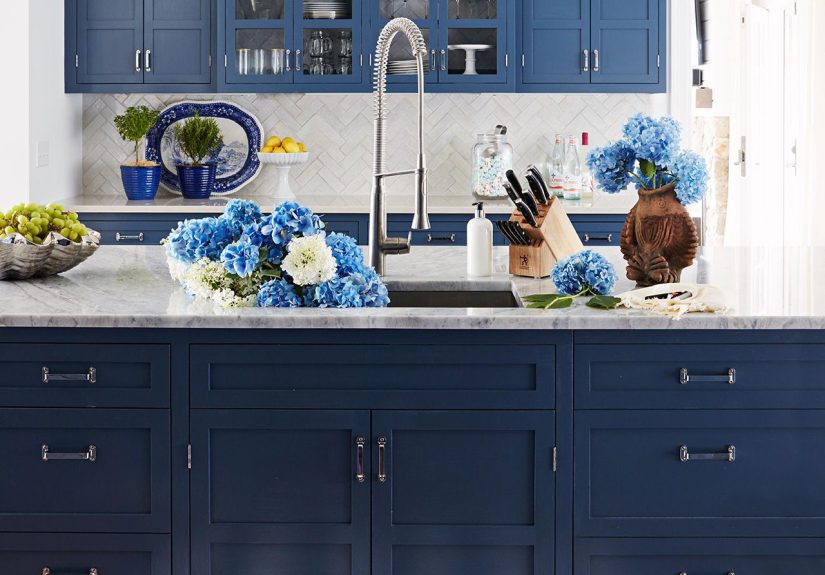
When done properly, painted cabinets can brighten a dark kitchen, modernize orange-toned wood, make builder-grade cabinetry feel custom, and help tie together new countertops, backsplash tile, or hardware. White, warm greige, soft green, navy, charcoal, and muted blue remain popular because they play nicely with a wide range of countertops and flooring. But the real secret is not the color. It is the finish quality.
Before You Open a Paint Can: Know What a Pro Finish Really Means
A professional-looking cabinet paint job usually has four traits: strong adhesion, smooth texture, even color, and durability. That means the paint sticks well, feels consistent to the touch, covers evenly, and does not start giving up after a few weeks of drawer-pulling and spaghetti-sauce splatter.
To get there, you need the right sequence. Most cabinet failures happen because someone skipped cleaning, rushed the sanding, used the wrong primer, applied thick coats, or handled the doors before the paint had time to cure. If you remember one thing from this article, remember this: the glamorous part is color, but the job is won during prep.
Tools and Materials You Will Need
Basic Supplies
- Screwdriver or drill for removing doors, drawers, and hardware
- Painter’s tape and a marker for labeling
- Drop cloths and plastic sheeting
- Degreaser or heavy-duty cleaner
- Bucket, sponges, and clean rags
- Wood filler for dents, dings, and old hardware holes
- Sandpaper in the 150- to 220-grit range or sanding sponges
- Tack cloth or microfiber cloth for dust removal
- Bonding primer or stain-blocking primer, depending on the cabinet surface
- Cabinet paint, trim enamel, or hybrid acrylic-alkyd paint
- High-quality angled brush and small foam or microfiber roller
- Paint tray, roller covers, and stir sticks
- Optional sprayer for the smoothest factory-style finish
Helpful Extras
- Painter’s pyramids or risers for doors
- A worktable or sawhorses
- Caulk for small gaps at cabinet trim
- Grain filler if you want to minimize visible oak grain
- Respirator, gloves, and good ventilation
How to Paint Kitchen Cabinets Like a Pro: Step by Step
1. Empty the Cabinets and Clear the Room
Start by removing dishes, pantry items, shelf liners, and anything else living inside the cabinets. Then protect countertops, appliances, flooring, and nearby walls with drop cloths and plastic. This part feels tedious, but it keeps the rest of the project from becoming a paint-speckled scavenger hunt.
2. Remove Doors, Drawers, and Hardware
Take off the cabinet doors, drawer fronts, knobs, pulls, and hinges. Label every piece carefully. Put a number on each door, write the matching number inside the cabinet frame, and bag the hardware with the same label. Professionals do this because reassembly is much faster when you are not playing “mystery hinge roulette” at the end.
3. Clean Every Surface Thoroughly
This is not a quick wipe-down. Kitchen cabinets collect invisible grease, especially near the stove, microwave, and sink. That grease is one of the biggest enemies of paint adhesion. Use a degreaser or a heavy-duty cleaner to wash the cabinet boxes, doors, and drawer fronts. Rinse as needed and let everything dry completely before moving on.
If you skip this step, you may still get the paint on the cabinets. You just may not get it to stay there.
4. Repair Imperfections
Fill dents, nicks, scratches, and unused hardware holes with wood filler. Once it dries, sand those areas smooth. If your cabinets have deep grain, especially oak, decide how smooth you want the final look to be. A traditional painted oak finish will still show some grain texture. If you want a more modern, sleek look, use grain filler before priming. That is one of the small differences between a perfectly nice DIY result and a “wow, who sprayed these at a shop?” finish.
5. Sand or Degloss the Surfaces
Most cabinets need at least a light scuff-sanding to dull the old finish and help primer grip. Use 150- to 220-grit sandpaper or a sanding sponge. You are not trying to aggressively strip them to bare wood in every case. You are creating a surface the primer can bond to.
For laminate cabinets, sanding should be light and controlled. The goal is to scuff the surface, not chew through it. If the laminate is peeling or damaged, repair or replacement may be smarter than painting.
After sanding, vacuum the dust and wipe everything down with a tack cloth or damp microfiber cloth. Dust left behind becomes texture in your finish, and not the cute handcrafted kind.
6. Prime Like You Mean It
Primer is not optional for most cabinet painting projects. It improves adhesion, helps cover stains and old colors, and creates a more uniform surface for the topcoat. Use a bonding primer for slick or previously finished surfaces, and a stain-blocking primer if you are dealing with knots, tannins, or heavy discoloration.
Apply primer in thin, even coats. Use a brush for corners and profiles, then follow with a small roller on flat areas to reduce brush marks. Many pros prefer painting doors and drawer fronts flat on a work surface because it helps control drips and allows the finish to level more evenly. Let the primer dry fully, then lightly sand it with fine sandpaper for a smoother surface before removing dust again.
7. Choose the Right Paint
The best paint for kitchen cabinets is usually a cabinet-specific product, trim enamel, or a hybrid acrylic-alkyd formula designed for durability and a smoother finish. These paints are made to resist scuffs, moisture, and frequent cleaning better than standard wall paint.
As for sheen, satin and semi-gloss are the most common choices. Satin offers a softer, modern look and still cleans well. Semi-gloss is slightly shinier and especially easy to wipe down. Super-gloss can highlight surface flaws, so it is usually less forgiving unless your prep work is impeccable.
8. Apply the First Coat with a Light Hand
Paint the cabinet frames first, then move to doors and drawer fronts. For doors, paint the back sides first if you are coating both sides. Once they dry enough to flip safely, paint the fronts. Use a brush for edges, corners, grooves, and detailed profiles, then use a roller on broad flat sections for a more even finish.
The biggest rookie mistake here is applying paint too heavily. Thick coats sag, puddle in corners, and stay soft longer. Thin coats look cleaner and perform better. If you are brushing, work with the grain when possible and finish each section with light, consistent strokes.
9. Sand Lightly Between Coats
Once the first coat dries, lightly sand with fine-grit sandpaper to knock down dust nibs, raised grain, or minor texture. Wipe away the dust and apply the second coat. This simple between-coat sanding step is one of the easiest ways to upgrade your finish from decent to professional-looking.
10. Let the Paint Cure Before Reassembly
Dry and cured are not the same thing. Dry means the paint is no longer wet. Cured means it has hardened enough to handle repeated touching, closing, cleaning, and kitchen life in general. Follow the manufacturer’s dry and recoat times, but also give the finish extra time to cure before reinstalling hardware and slamming everything shut. That patience prevents fingerprints, sticking, and chipped edges.
Brush, Roller, or Sprayer?
If you want the most professional, factory-like finish, a paint sprayer usually wins. It can produce a smoother coat with minimal texture when used properly. The catch is that it also demands more setup, masking, practice, and cleanup. Overspray is real, and it is not cute.
For most homeowners, a high-quality brush and a small foam or microfiber roller are the sweet spot. This method is easier to control, budget-friendly, and capable of beautiful results when paired with good prep and cabinet-grade paint. A brush handles corners and detail, while the roller smooths large flat sections. If your cabinet doors are simple shaker fronts, this combo can look impressively clean.
Best Practices for Different Cabinet Materials
Solid Wood Cabinets
These are excellent candidates for painting. Clean, sand, prime, and paint as usual. Open-grain woods like oak may still show texture unless you use grain filler.
MDF Cabinets
MDF paints well and can look very smooth, but the edges need attention because they absorb moisture more easily. Prime thoroughly and avoid over-saturating raw or sanded edges.
Laminate Cabinets
Laminate can be painted successfully if it is intact and properly prepped. Use a bonding primer and avoid skipping the scuff-sanding step. If the surface is peeling, bubbling, or failing already, paint will not solve the underlying problem.
Common Cabinet Painting Mistakes to Avoid
- Skipping the degreasing step: Clean-looking cabinets can still be greasy enough to ruin adhesion.
- Painting around hinges and hardware: It saves time at first and costs quality later.
- Using wall paint: Cabinets need a tougher finish than your living room wall.
- Applying thick coats: Drips, long dry times, and tacky surfaces are almost guaranteed.
- Ignoring cure time: Reattaching doors too soon can damage a beautiful finish.
- Not labeling parts: Every kitchen has that one door that looks like it belongs everywhere and nowhere.
- Underestimating the timeline: A pro-looking result usually takes several days, not one frantic afternoon.
Color and Finish Tips for a Custom Look
If you want a timeless kitchen, soft whites, warm neutrals, sage greens, deep blues, and charcoal tones are safe bets. For smaller kitchens, lighter cabinet colors can help the room feel brighter and more open. For larger kitchens or islands, darker colors can add depth and contrast.
Two-tone kitchens also remain a smart design move. For example, you can paint upper cabinets a warm white and base cabinets a muted green or deep navy. It keeps the room from feeling heavy while still adding character. Pairing painted cabinets with updated hardware, under-cabinet lighting, and a new faucet can make the whole room feel intentionally redesigned instead of merely “recently painted.”
What the Real Experience of Painting Kitchen Cabinets Feels Like
Let’s talk about the part most step-by-step guides politely tiptoe around: the actual experience. Painting kitchen cabinets is one of those projects that seems delightfully manageable when you are standing in the paint aisle holding a fan deck and imagining your future, brighter kitchen. Then day one begins, and suddenly you own 27 labeled sandwich bags, three rolls of painter’s tape, and a surprising amount of emotional attachment to cabinet hinges.
The first big lesson people learn is that prep takes longer than painting. Much longer. The painting itself feels rewarding because it changes the look quickly. Prep feels like doing paperwork for a houseplant. You clean, scrub, rinse, sand, wipe, label, stack, and protect every surface in sight. Yet this is exactly where the magic starts. Once the grease is gone and the doors are lined up on a worktable, the project stops feeling chaotic and starts feeling professional.
The second lesson is that cabinet paint reveals your habits. Are you patient? Do you rush drying times? Do you convince yourself a tiny drip “will probably level out”? Cabinets will expose every impulsive choice you have ever made. But they also reward restraint. When you wait for the primer to dry, sand lightly between coats, and stop yourself from globbing paint into a recessed panel, the results noticeably improve.
Another common experience is the emotional roller coaster of color. The first coat almost always looks underwhelming. Streaky. Uneven. Slightly insulting. This is normal. Cabinet painting is usually a two-coat system, sometimes more depending on the color change. The second coat is where things come together. That is the moment when tired cabinets start looking intentional, crisp, and expensive.
Many homeowners also find that the kitchen becomes temporarily weird to live in. Coffee mugs migrate. Toasters go missing. You start opening the wrong drawer because the right one is drying in the garage. But there is also something satisfying about watching a high-traffic room transform through careful effort rather than a demolition crew.
And finally, there is the reassembly moment. The hardware goes back on. The doors get rehung. The room sharpens. Even before every item returns to its proper place, the kitchen feels cleaner, calmer, and more current. That is why so many people say the project was exhausting but worth it. A well-painted cabinet job does not just change the color of your kitchen. It changes the way the whole room feels when you walk into it in the morning, make dinner at night, or lean against the counter and think, “Okay, that actually looks amazing.”
Final Thoughts
If you want to paint kitchen cabinets like a pro, focus less on shortcuts and more on system. Remove and label everything. Degrease like your finish depends on it, because it does. Sand thoughtfully. Prime correctly. Choose cabinet-grade paint. Apply thin coats. Then give the finish time to cure before daily life barges back in with wet hands, spaghetti sauce, and impatient family members.
A flawless cabinet painting project is not about perfection from the very first stroke. It is about stacking smart decisions in the right order. Do that, and even a tired, dated kitchen can come back looking fresh, polished, and remarkably expensive for the price of primer, paint, and a few days of determination.