Table of Contents >> Show >> Hide
- Why “Mow Money, Mow Problems” Still Hits Home
- The Fab Freebie Mindset: Style and Savings in Your Front Yard
- Smart Mowing Basics That Save Cash (and Your Grass)
- Lawn Mower Safety: Because Hospital Bills Aren’t in the Budget
- Mow vs. Money: DIY or Hire the Pros?
- Designing a Lawn That Works Harder Than You Do
- Mow Money, Mow Stories: Real-Life Experiences & Lessons
- Conclusion: Less Drama, More Green
You buy a cute little house, dream of summer barbecues, and then one weekend later you’re staring down
a jungle thinking: “Wow, this lawn wants a full-time staff.” That’s the heart of
“Mow Money, Mow Problems”the hilarious but painfully accurate reality that a pretty yard
can quietly drain your time, budget, and patience.
Inspired by the playful, practical spirit of Young House Love, this guide breaks down how
to keep your grass green, your costs sane, and your weekends (mostly) free. No fear tactics. No
pressure to buy a $900 mower with spaceship controls. Just smart strategies, nerd-approved lawn science,
and a little sass to help you laugh at the chaos while you tame it.
Why “Mow Money, Mow Problems” Still Hits Home
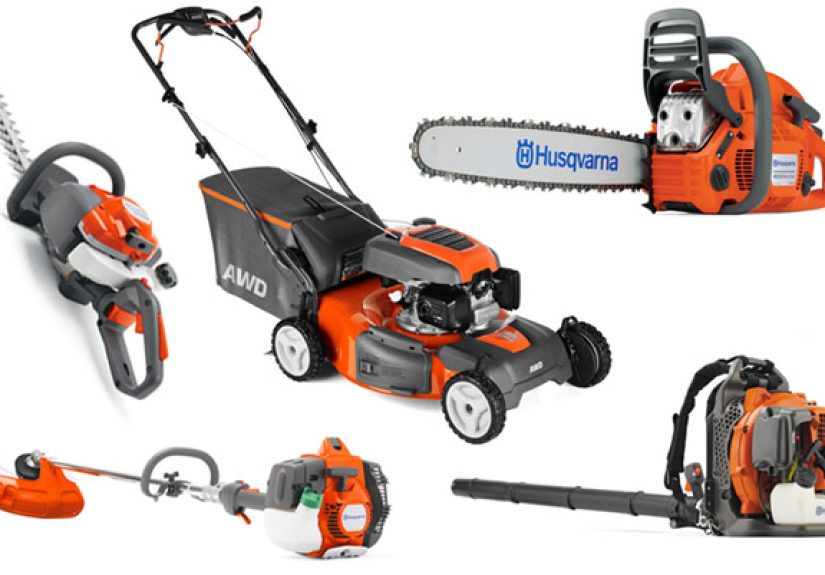
The modern lawn looks simple, but it’s basically a subscription: mower, gas or batteries, tune-ups,
fertilizer, weed control, edging tools, sprinklers, maybe a leaf blower, maybe that trimmer you swore
you’d use every Saturday. Even a basic DIY setup can stack up fast once you factor in equipment,
maintenance, and the “oops” fixes when you scalp the lawn or nuke it with the wrong product.
At the same time, outsourcing everything isn’t always a bargain. Professional lawn care can be worth it
for bigger properties or busy schedules, but it’s still a recurring bill that quietly rivals streaming
services, gym memberships, and spontaneous latte runs combined.
“Mow Money, Mow Problems” is the reminder to get intentional: know what actually matters for lawn
health, where the real costs hide, and how to create a yard that feels like youwithout feeling like
a part-time groundskeeper.
The Fab Freebie Mindset: Style and Savings in Your Front Yard
The “Fab Freebie” twist is all about turning smart choices into feel-good wins. Think Young House Love:
approachable, creative, and slightly obsessed with squeezing joy out of small, affordable upgrades.
Instead of throwing money at every shiny gadget or chemical cocktail, you:
- Use what you already own more strategically (yes, even your basic mower can be a hero).
- Lean on free fixes: proper mowing height, grasscycling, smarter watering, and seasonal timing.
- Dress up your outdoor space with low-cost touchespainted planters, simple pavers, a DIY benchso
the yard feels designed, not just “maintained.” - Treat lawn care like part of your home’s aesthetic story, not a never-ending punishment for owning dirt.
The result? You still get that polished, camera-ready curb appeal, but your budget and weekends stay on speaking terms with you.
Smart Mowing Basics That Save Cash (and Your Grass)
1. Find the Right Mowing Height
One of the simplest, most powerful “fab freebies” is adjusting your mower height correctly. Most U.S. lawns
with cool-season grasses are happiest in the 2.5–3.5 inch range; many experts recommend closer
to 3 inches or more for resilience. Cutting too short (“scalping”) weakens roots, invites weeds, and forces
you to spend more on water and repair products later.
The golden guideline: never remove more than one-third of the grass blade at a time. That alone drops
your “mow problems” count dramatically by reducing stress, burnout spots, and expensive do-overs.
2. Sharpen Up for a Cleaner Cut
A dull blade rips grass instead of slicing it, leaving ragged tips that look brown and sad, and making you
think you need fertilizer when you actually just need a $10 sharpening. A sharp blade:
- Improves color and texture.
- Reduces disease risk.
- Cuts faster, using less fuel or battery power.
Translation: better lawn, lower costs, more time to sit on the porch and admire your work.
3. Let Clippings Work for You
Bagging every clipping is like throwing away free compost. When you mow at the right height, fine clippings
decompose quickly and return nutrients to the soil. This “grasscycling” can reduce fertilizer needs and
support a thicker, healthier lawn without extra products.
4. Mow with a Plan, Not on Autopilot
- Mow when grass is dry to avoid clumps.
- Change mowing patterns to prevent ruts and encourage upright growth.
- Adjust frequency seasonally instead of blindly sticking to “every Saturday.”
Those little tweaks are freeand they quietly separate lush lawns from crunchy disappointment.
Lawn Mower Safety: Because Hospital Bills Aren’t in the Budget
Nothing eats into “mow money” faster than an avoidable injury. Safe mowing is non-negotiable, especially
with kids, pets, or tight spaces.
- Wear closed-toe shoes, long pants, and eye protection. Flip-flops are for iced tea, not spinning blades.
- Clear sticks, toys, and rocks before mowing to avoid flying debris.
- Keep children and pets far from the mowing areano riders, no “just for fun” laps.
- Mow slopes correctly (up and down with riders, across with walk-behinds) to prevent tipovers.
- Shut off the engine before unclogging, lifting, or adjusting anything.
Simple rules, big impact. Safety is the least glamorous part of lawn care, but it’s the best “freebie”
you can give yourself.
Mow vs. Money: DIY or Hire the Pros?
The classic question: do you push the mower yourself or pay someone else to handle the green jungle?
Both sides can be smartif you run the numbers honestly.
When DIY Makes Sense
- You already own a reliable mower or can buy one without going into “luxury appliance” territory.
- You enjoy being outside and see mowing as low-key cardio plus podcast time.
- You’re willing to learn the basics of mowing height, seasonal care, and simple maintenance.
When Pros Are Secretly the Better Deal
- Your schedule is slammed and the lawn keeps crossing into “ankle-deep regret.”
- You have a large or complex yard with trees, slopes, or irrigation to manage.
- You’ve spent more money fixing lawn mistakes than you’d like to admit.
A hybrid approach is often the sweet spot: hire pros for major work (aeration, rehab, heavy weed control),
and handle regular mowing yourself. You keep control of your costs and your curb appeal.
Designing a Lawn That Works Harder Than You Do
One of the smartest “Mow Money” hacks? Need less mowing. Shrink the high-maintenance grass and grow more
spaces you actually use and love.
- Mixed borders: Add shrubs, perennials, or ornamental grasses along the edges to soften your yard
and reduce mowable square footage. - Gravel or paver paths: Define routes so you’re not wrestling your mower around awkward corners.
- Seating zones: A small patio, fire pit area, or bench instantly turns “just lawn” into an outdoor room.
- Better, not bigger: A smaller, healthy lawn looks more intentional than a huge patchy one.
This is where the Young House Love vibe shines: thoughtful layout, personality, and low-pressure projects
that layer charm onto practicality.
Mow Money, Mow Stories: Real-Life Experiences & Lessons
To bring “Mow Money, Mow Problems” down to earth, imagine a few very real kinds of homeownerseach proving
that small choices can flip the script from stressful to smart.
1. The Newlyweds and the Hand-Me-Down Mower
They bought a starter home with a wildly uneven yard and inherited a wobbly old mower from an uncle who
swore it “just needs a little carb love.” Instead of panic-buying a brand-new machine, they:
- Took the mower for a basic tune-up and blade sharpening.
- Raised the cutting height to avoid scalping the bumps.
- Started mowing in slow, overlapping passes to even things out.
Result? For less than one month of pro service, they stretched the mower’s life, stabilized their lawn,
and bought themselves time to save for a future upgrade. “Mow problems,” downgraded to “mild inconveniences.”
2. The Busy Parents Who Cut the Lawn in Half
Two kids, two jobs, zero free Saturdays. The lawn kept slipping into knee-high territory, which meant
emergency marathon mows that everyone hated. Their fix wasn’t a fancier mower; it was a smarter layout.
They carved out:
- A mulched play zone under the tree (no more mowing around toys).
- A simple stone path from driveway to back gate (no more muddy shortcut).
- Deep planting beds along the fence to shrink the mowable area.
Suddenly, mowing took 20 minutes instead of an hour. They kept a small, dense, green lawn that always
looked intentionaland they stopped arguing about whose turn it was.
3. The Detail-Oriented Neighbor with the “Perfect” Lawn
On every block, there’s someone whose lawn looks like a golf course. The secret is rarely endless spending;
it’s systems. One homeowner dialed in a simple, repeatable routine:
- Mow high, mow often enough to follow the one-third rule.
- Leave clippings on the lawn as free fertilizer.
- Do one small maintenance task per weekendblade check, bolt tighten, filter clean.
It didn’t cost much. It did require consistency. The payoff: fewer weeds, fewer products, fewer
“emergency fixes,” and a yard that quietly proves that discipline beats impulse buying.
4. The Couple Who Switched from Gas Guilt to Battery Bliss
They were tired of mixing fuel, hating the fumes, and yanking a starter cord that clearly had a grudge.
After doing the math, they invested in a solid mid-range battery mower during a sale. Their experience:
- Quieter mowing (no more waking the baby or the neighbor’s dog).
- Minimal maintenance compared with their old gas model.
- Cheaper “fuel” over time, especially for a modest suburban yard.
It wasn’t the cheapest up front, but it cut down on hassle, noise, and long-term costs. That’s real
“Mow Money” strategy: not always spending less, but spending smarter.
Across all these stories, one pattern stands out: the people who win aren’t the ones with the most
expensive tools or the biggest lawn. They’re the ones who treat lawn care like any other home project
intentional, playful, and grounded in basic facts instead of marketing hype.
Conclusion: Less Drama, More Green
“Fab Freebie: Mow Money, Mow Problems” isn’t about shaming you for loving a classic green lawn or pushing
you into a full xeriscape overnight. It’s about seeing your yard clearly: where it quietly eats money,
where simple changes pay off, and how to infuse Young House Love–style creativity into a space that usually
just feels like work.
Keep your grass a bit taller. Keep your blades sharp. Redesign the parts that make you swear. Spend where
it truly saves you time, safety, or long-term repair. That’s how you turn a high-maintenance hassle into
a home feature that actually sparks joyand maybe a little neighbor envy.
sapo:
Want a lush lawn without draining your wallet, your weekends, or your sanity? “Fab Freebie: Mow Money, Mow Problems | Young House Love” unpacks the real costs of lawn care, the power of simple mowing habits, why safety and smart design matter, and how to shrink both your to-do list and your grass without sacrificing curb appeal. From ideal mowing heights and free fertilizer in your clippings to DIY vs. pro trade-offs and real-life stories of families who finally made peace with their yards, this guide shows you how to turn a frustrating chore into a fun, affordable, totally doable part of home life.