Table of Contents >> Show >> Hide
There are pasta sauces you make on a Tuesday because you are hungry, slightly tired, and willing to negotiate with a jar. Then there is Bolognese. A good Bolognese recipe is not just dinner. It is a project, a perfume, a kitchen mood, and a very persuasive argument for staying home. It bubbles slowly, smells outrageously good, and turns a regular bowl of pasta into something that feels suspiciously close to a restaurant meal.
The best part is that truly great Bolognese is not complicated in a fancy-pants way. It is complicated in a patient way. You build flavor in layers: finely chopped onion, carrot, and celery; meat with enough fat to stay tender; a splash of wine; milk for softness and balance; tomato for depth instead of domination; and enough time for the whole thing to settle into its rich, silky self. In other words, Bolognese is not flashy. It is confident. It does not shout. It simmers.
What Makes a Great Bolognese Recipe?
In the United States, “Bolognese” sometimes gets treated like any meat sauce with tomatoes. But the real spirit of the dish is more nuanced than that. A classic-style Bolognese is deeply meaty, gently aromatic, and far less tomato-forward than a standard marinara-based meat sauce. The sauce should taste rich, savory, and mellow, with vegetables and dairy rounding out the meat instead of hiding behind a wall of crushed tomatoes.
That balance is why the best Bolognese recipe usually begins with soffritto, the classic trio of onion, carrot, and celery cooked until soft and fragrant. Then comes the meat, often beef alone or a mix of beef, pork, and sometimes veal. Wine adds complexity. Milk softens acidity and creates that velvety texture people describe with dreamy expressions like “restaurant quality” and “please don’t touch my leftovers.”
The final secret is time. Bolognese is at its best when simmered gently, not rushed into a frantic boil. The slow cooking helps the meat become tender, lets the liquids reduce gradually, and creates a sauce that clings to pasta instead of sliding off like it has somewhere else to be.
The Ingredients That Actually Matter
1. The Meat
Ground beef is the most common base for an easy home version, but a mix of beef and pork gives the sauce extra richness. If you want a more traditional and layered flavor, a three-meat combination of beef, pork, and veal works beautifully. Fattier meat tends to produce better texture than very lean meat, which can turn dry and crumbly after a long simmer.
2. The Soffritto
Finely chopped onion, carrot, and celery are not filler. They are the quiet heroes. Cook them slowly in olive oil, butter, or a combination of the two until soft and sweet. This step builds the backbone of the sauce. Skip it, and your Bolognese may still be edible, but it will feel like it forgot to wear a jacket.
3. Milk and Wine
These two ingredients are what make many Bolognese recipes taste rounded and layered instead of blunt. Whole milk adds richness and helps soften the acidity of the tomatoes. White wine is common, though red wine also appears in many modern variations. The goal is not to make the sauce boozy. The goal is depth.
4. Tomato, But Not Too Much
Bolognese should not taste like tomato sauce with meat added as an afterthought. Tomato paste and a modest amount of canned tomatoes are usually enough. They bring sweetness, body, and color without overpowering the meat.
5. Pasta That Can Handle the Job
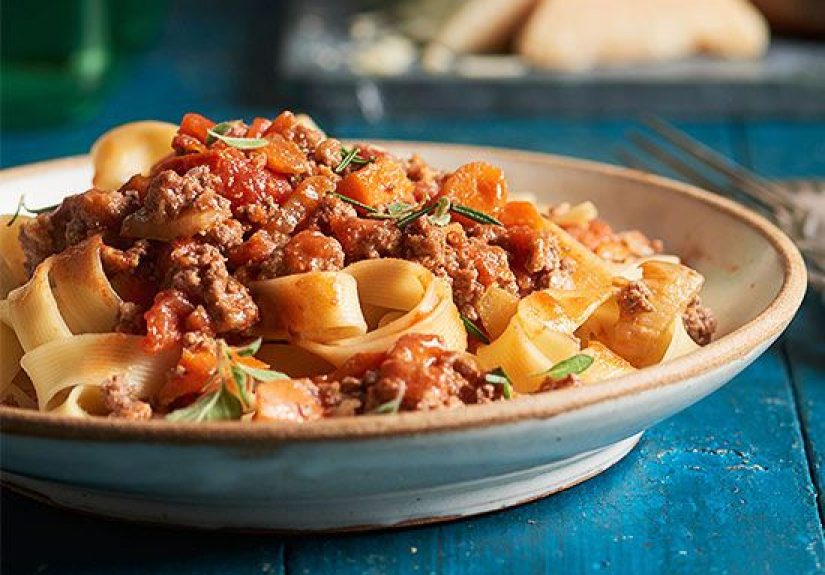
Wide noodles such as tagliatelle, pappardelle, or fettuccine are excellent partners for Bolognese because they catch the sauce in all the right places. Short pasta like rigatoni or penne also works well. Spaghetti can do the job, but wide pasta usually does it better.
A Dependable Bolognese Recipe to Make at Home
This version is built for real home kitchens. It keeps the soul of a classic Bolognese while staying practical enough for an ambitious weekend or a very determined weekday.
Ingredients
- 2 tablespoons olive oil
- 2 tablespoons unsalted butter
- 1 medium yellow onion, finely chopped
- 2 medium carrots, finely chopped
- 2 celery stalks, finely chopped
- 4 ounces pancetta, finely diced (optional, but excellent)
- 1 pound ground beef chuck
- 1/2 pound ground pork
- Salt and freshly ground black pepper
- 1 cup whole milk
- 3/4 cup dry white wine
- 2 tablespoons tomato paste
- 1 cup crushed tomatoes or finely chopped canned tomatoes
- 1 to 1 1/2 cups low-sodium chicken or beef stock, as needed
- 1 pinch freshly grated nutmeg
- 1 bay leaf
- 1 pound tagliatelle, pappardelle, or rigatoni
- Freshly grated Parmesan cheese, for serving
Method
- Start the base. In a heavy Dutch oven or deep pot, heat the olive oil and butter over medium heat. Add the onion, carrot, and celery. Cook for 8 to 10 minutes, stirring often, until the vegetables are soft and fragrant, not browned.
- Add pancetta if using. Stir it in and cook for another 4 to 5 minutes until it begins to render and smell amazing.
- Brown the meat. Add the beef and pork. Season lightly with salt and pepper. Cook, breaking the meat into small pieces, until it loses its raw color and begins to brown. Do not rush this step.
- Pour in the milk. Let it simmer gently until it is mostly absorbed. This helps tenderize the meat and gives the sauce a softer, more integrated flavor.
- Add the wine. Cook until the wine reduces significantly and the raw alcohol smell disappears. At this point, your kitchen should smell like you know what you are doing, even if you are wearing pajama pants.
- Build the sauce. Stir in the tomato paste, crushed tomatoes, nutmeg, and bay leaf. Add 1 cup of stock and bring everything to a very gentle simmer.
- Cook low and slow. Partially cover and simmer for 2 to 3 hours, stirring occasionally. Add a splash of stock if the sauce reduces too quickly. The finished texture should be thick, rich, and spoonable, not watery.
- Cook the pasta. Boil the pasta in well-salted water until just shy of al dente. Reserve some pasta water.
- Finish together. Toss the pasta with enough Bolognese to coat it well, adding a splash of pasta water if needed. This final step helps the sauce cling to the noodles instead of sitting on top like a decorative hat.
- Serve. Top with Parmesan cheese and a few grinds of black pepper. Then act casual when everyone suddenly becomes very interested in your cooking.
Common Bolognese Mistakes to Avoid
Using very lean meat
Lean meat sounds responsible, but Bolognese benefits from some fat. That fat carries flavor and keeps the sauce silky instead of dry.
Adding too much tomato
If the sauce tastes like a basic red pasta sauce, you have probably gone too far with tomatoes. Bolognese should still taste unmistakably meaty.
Cooking too fast
High heat is useful for browning meat, but not for the long simmer. A rushed Bolognese often tastes sharp, separated, or oddly flat. Gentle heat is the move.
Skipping the finishing step
Pouring sauce onto naked pasta works in a hurry, but tossing the pasta in the sauce with a splash of pasta water creates a better texture and more cohesive dish.
Best Ways to Serve Bolognese
The classic move is wide pasta with Parmesan. But Bolognese is generous stuff. It works in lasagna, baked pasta, stuffed shells, and even over creamy polenta. If you have leftovers, you are basically halfway to being tomorrow’s hero.
For a simple dinner, serve it with a crisp green salad and bread for scooping up whatever sauce is left behind. For a cozier meal, go with pappardelle and a glass of medium-bodied red wine. For a rainy Sunday, honestly, just hand me a bowl and a fork and give us privacy.
Make-Ahead, Storage, and Reheating Tips
Bolognese is one of those rare foods that often tastes even better the next day. As it rests, the flavors settle and deepen. Refrigerate cooled sauce in an airtight container for several days, or freeze it in portioned containers for future meals. Reheat it gently on the stovetop with a splash of water, stock, or milk if it has thickened too much.
If you love meal prep, Bolognese is your overachieving best friend. Make a big batch once and use it for pasta one night, lasagna later in the week, and a baked rigatoni situation when life gets busy. It is efficient, comforting, and wildly better than pretending crackers and string cheese count as dinner.
Experiences Related to Making a Bolognese Recipe
Anyone who has made Bolognese more than once learns very quickly that this sauce has a personality. The first experience is usually impatience. You look into the pot after 35 minutes and think, “This seems done enough.” It is not. Bolognese teaches restraint in the most delicious way possible. Somewhere between the first stir and the twentieth, the sauce changes from “promising meat mixture” into something richer, darker, and more harmonious. That transformation is part of the experience. It reminds home cooks that some dishes are not improved by multitasking energy and speed. Some dishes want you to slow down.
Another common experience is discovering how dramatically small details matter. Chop the vegetables too big, and the sauce feels clunky. Use very lean beef, and the texture can turn grainy. Add the milk and let it cook down properly, though, and suddenly the whole pot becomes softer and more elegant. Many home cooks remember the exact moment they realize Bolognese is not just “spaghetti sauce with ambition.” It is its own category. Richer than marinara, subtler than a heavy stew, and somehow both rustic and refined at the same time.
Then there is the aroma, which deserves its own paragraph and probably its own fan club. A good Bolognese starts smelling wonderful early on, but the real magic happens later. After a long simmer, the sharp edges disappear and the kitchen fills with a warm, savory smell that seems to pull people in from other rooms. Even people who were not hungry five minutes ago start wandering into the kitchen, lifting lids, and asking suspiciously casual questions like, “So… when do you think dinner will be ready?” If a recipe can create that kind of household migration, it is doing something right.
Bolognese also creates the experience of confidence through repetition. The first time, you follow the recipe closely. The second time, you start adjusting. Maybe you swap in pork and veal. Maybe you use pancetta. Maybe you let it go an extra 30 minutes because the sauce still looks a little loose. Over time, cooks begin to understand the visual cues and texture cues that matter more than exact minutes. You learn what “thick enough” looks like. You learn how much pasta water brings the sauce together. You learn that the best Bolognese is not necessarily identical every time, but it always feels balanced, rich, and deeply comforting.
One of the most satisfying experiences connected to Bolognese is serving it to other people. This is a generous dish. It feels special without being fussy, and it tends to make guests think you worked even harder than you did, which is an excellent culinary bonus. It is also deeply practical. Leftovers improve. Freezer portions save bad weekdays. A batch made on Sunday can rescue Wednesday. Few recipes combine comfort, flexibility, and genuine depth this well. So yes, Bolognese takes time. But it pays you back in aroma, flavor, leftovers, confidence, and the deeply satisfying moment when someone takes a bite, looks up, and says, “Wow.”
Conclusion
A great Bolognese recipe is not about chasing strict perfection. It is about understanding the core ideas that make the sauce sing: a proper soffritto, good meat, milk and wine for balance, modest tomato, and enough time for everything to come together. Once you get those right, the dish becomes wonderfully forgiving and endlessly useful.
Make it once for dinner and you will enjoy it. Make it a few times and you will start to understand why people become fiercely loyal to their preferred version. Bolognese is cozy, rich, practical, and just fancy enough to make ordinary pasta feel like an event. Which is really all most of us want from dinner: comfort, flavor, and maybe a little applause.