Table of Contents >> Show >> Hide
- What Makes Easterly Cushions & Blankets So Appealing?
- Choosing the Right Cushions for a Cozy, Pulled-Together Room
- Choosing the Best Blankets for Comfort and Style
- Color Palettes That Work Beautifully With Easterly Cushions & Blankets
- How to Style Easterly Cushions & Blankets on a Sofa
- How to Use Cushions & Blankets in the Bedroom
- Layering Textures Without Overcrowding the Room
- Seasonal Styling Ideas for Easterly Cushions & Blankets
- Care Tips for Cushions & Blankets
- How Easterly Cushions & Blankets Improve Everyday Living
- Buying Guide: What to Look For Before You Choose
- Common Styling Mistakes to Avoid
- 500-Word Experience Section: Living With Easterly Cushions & Blankets
- Conclusion
Some home accents quietly do their job. Others walk into a room, fluff themselves dramatically, and announce, “Yes, this sofa has a personality now.” Easterly cushions and blankets belong in that second group. They are the kind of soft furnishings that make a space feel finished without making it feel fussy, comfortable without looking like a laundry basket lost a fight, and stylish without demanding a full-room renovation.
The name “Easterly” naturally suggests light, movement, fresh air, and a gentle coastal-meets-cottage mood. Think breezy fabrics, touchable textures, layered neutrals, subtle patterns, and blankets that look good tossed over a chair even when you absolutely did not toss them with designer-level precision. Whether you are styling a living room, bedroom, reading nook, guest room, or that one chair everyone uses as a clothing storage facility, cushions and blankets can transform the feeling of a space faster than most furniture upgrades.
This guide explores how to choose, style, layer, care for, and enjoy Easterly cushions and blankets in a way that feels natural, cozy, and polished. We will talk materials, colors, room styling, seasonal swaps, real-life comfort, and the tiny design decisions that make a home feel less “showroom” and more “come in, sit down, stay awhile.”
What Makes Easterly Cushions & Blankets So Appealing?
The beauty of Easterly cushions and blankets is their balance between comfort and visual charm. Cushions bring shape, color, softness, and support. Blankets add warmth, texture, and that irresistible invitation to curl up with coffee, a book, or an episode of something you promised you would not binge-watch.
In interior design, textiles are often the final layer that brings a room together. A sofa without cushions can look a little lonely. A bed without a throw blanket can feel unfinished. A reading chair without a pillow looks like it is waiting for paperwork, not relaxation. Cushions and blankets soften hard edges, connect color palettes, and help a room feel lived-in rather than staged.
The Easterly look works especially well because it does not rely on loud drama. Instead, it leans into natural comfort: woven textures, gentle tones, organic patterns, breathable fibers, and easy layering. It can suit coastal homes, farmhouse interiors, modern apartments, transitional spaces, cottage-inspired rooms, and minimalist homes that need a little softness without surrendering to clutter.
Choosing the Right Cushions for a Cozy, Pulled-Together Room
Decorative cushions may be small, but they have the confidence of much larger furniture. A few well-chosen pillows can change the entire mood of a room. The trick is choosing cushions that look intentional, not like you panic-bought every square thing in the home aisle.
Start With Size and Shape
For sofas, larger cushions often look more elegant than tiny ones. A 20-inch or 22-inch square pillow can anchor the corners of a couch, while smaller lumbar pillows or round cushions add variety. On a bed, larger Euro-style pillows can create height, while rectangular cushions in front add a tailored finish.
A good rule is to mix shapes rather than using five identical squares. Squares are reliable, lumbar pillows are practical, bolsters add softness, and round cushions introduce playfulness. The goal is not to create a pillow obstacle course. It is to make the seat more inviting.
Mix Textures, Not Chaos
Easterly cushions shine when textures do the talking. Linen, cotton, velvet, bouclé, chenille, waffle weave, and embroidered fabrics can all work beautifully together when the color palette stays balanced. A smooth cotton cushion beside a nubby woven pillow creates depth. A velvet accent adds a touch of elegance. A fringed edge or stitched detail can make a simple cushion feel special.
If you are nervous about mixing patterns, start with three layers: one solid cushion, one subtle pattern, and one texture-heavy piece. For example, pair a cream linen pillow with a soft blue stripe and a woven beige cushion. The result feels relaxed, coastal, and quietly expensiveeven if your coffee table currently has three remote controls and a snack wrapper on it.
Choosing the Best Blankets for Comfort and Style
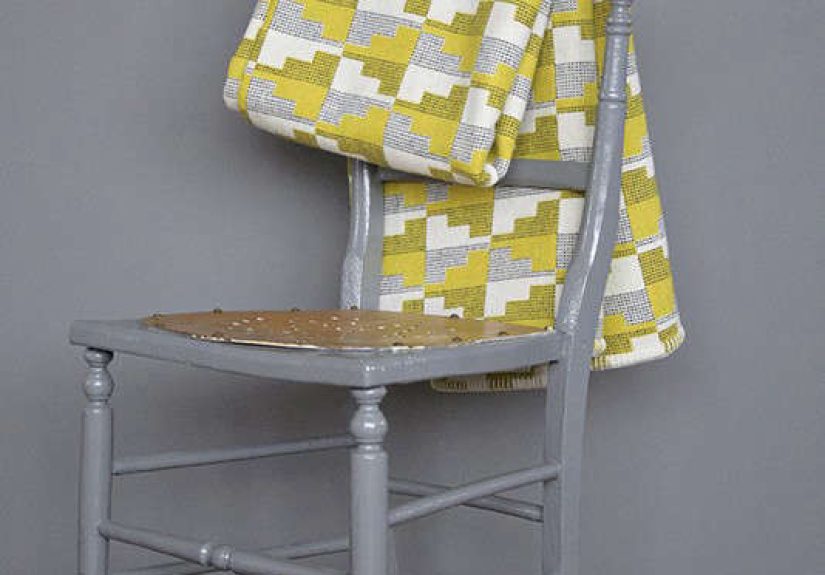
A blanket is not just something you grab when the room gets chilly. In home styling, it is a design tool. Draped over a sofa arm, folded at the foot of a bed, tucked into a basket, or layered over a chair, a blanket instantly adds softness and warmth.
Cotton Blankets
Cotton blankets are breathable, durable, and easy to live with. They are ideal for warmer climates, family rooms, guest beds, and everyday use. A cotton throw with a waffle, herringbone, or basketweave texture fits the Easterly style perfectly because it feels casual but still refined.
Linen and Linen-Blend Throws
Linen has a relaxed, slightly rumpled elegance that makes a room feel airy and natural. It works especially well in coastal, cottage, and minimalist interiors. A linen-blend blanket can soften a bedroom or add a breezy layer to a reading chair. It is the textile equivalent of opening a window on a spring morning.
Wool and Wool-Blend Blankets
Wool brings warmth, structure, and timeless charm. A lightweight wool blanket is excellent for cooler evenings, layered bedding, and rooms where texture matters. For an Easterly-inspired space, choose soft neutrals, muted checks, gentle stripes, or earthy tones rather than heavy dark patterns.
Fleece, Faux Fur, and Plush Throws
When maximum coziness is the goal, plush blankets enter the chat. Faux fur, fleece, and microfiber throws are soft, warm, and family-friendly. They can look luxurious when used sparingly, especially in neutral colors. One plush throw on a sofa can feel inviting; six plush throws may suggest the living room is preparing to hibernate.
Color Palettes That Work Beautifully With Easterly Cushions & Blankets
The Easterly style is often strongest when colors feel calm, natural, and layered. Rather than relying on a single bold shade, use tones that appear in nature: sand, ivory, mist gray, pale blue, sage green, driftwood brown, oatmeal, soft clay, and warm white.
Coastal Neutrals
For a relaxed coastal look, combine ivory cushions, blue-gray blankets, sandy beige pillows, and woven textures. This palette is fresh without being cold and casual without feeling messy. It works especially well with light wood, rattan, white walls, and natural fiber rugs.
Warm Cottage Tones
If your space leans cottage or farmhouse, try cream blankets, moss green cushions, faded floral prints, muted terracotta, and soft brown accents. The result feels collected over time, like a home with stories, recipes, and at least one excellent pie dish.
Modern Minimalist Layers
For a modern room, keep the palette simple but vary the surfaces. Pair a charcoal sofa with ivory bouclé cushions, a tan wool throw, and one subtle striped lumbar pillow. The colors stay restrained, but the textures prevent the room from feeling flat.
How to Style Easterly Cushions & Blankets on a Sofa
The sofa is where cushions and blankets do their most public work. It is also where styling can easily go from “effortlessly layered” to “where do I sit?” The best approach is balance.
On a standard sofa, place one or two larger cushions at each end. Add one smaller accent pillow in the middle or slightly off-center. Then drape a blanket over one arm, across the back, or folded neatly over a seat cushion. Odd numbers often look more natural, while symmetrical arrangements feel more formal.
For a casual Easterly look, try this combination: two large ivory pillows, one soft blue striped cushion, one textured beige lumbar pillow, and a lightweight woven throw in oatmeal or gray. The colors coordinate without matching too perfectly. That is important. A room should feel harmonious, not like every textile attended the same uniform meeting.
How to Use Cushions & Blankets in the Bedroom
In the bedroom, cushions and blankets help create a sense of retreat. The bed is the largest visual element in most bedrooms, so the textiles you choose have a major impact on the mood of the space.
Start with your sleeping pillows, then add two larger decorative pillows or shams. In front, place one or two accent cushions with texture or pattern. At the foot of the bed, fold a blanket lengthwise or let it fall loosely for a softer look. A chunky knit throw adds warmth in winter, while a cotton or linen blanket keeps things breathable in spring and summer.
For guest rooms, Easterly cushions and blankets are especially useful. A folded throw at the foot of the bed tells guests they can get comfortable without digging through your closets like polite detectives. A lumbar pillow on the bed adds support for reading, scrolling, or pretending to read while actually scrolling.
Layering Textures Without Overcrowding the Room
Layering is one of the secrets to a beautiful room, but it works best when every piece has a reason to be there. Too many cushions can make seating impractical. Too many blankets can make a room look like a very stylish camping trip. The goal is comfort with control.
Choose one dominant texture, one supporting texture, and one accent texture. For example, in a living room, the dominant texture might be linen cushions, the supporting texture might be a woven cotton throw, and the accent might be a velvet or bouclé pillow. This keeps the look rich without becoming visually noisy.
Also consider contrast. If your sofa is smooth leather, add soft woven cushions. If your bedding is crisp cotton, layer a relaxed linen throw. If your room has many hard surfaceswood, stone, metal, glassuse blankets and cushions to soften the overall feeling.
Seasonal Styling Ideas for Easterly Cushions & Blankets
One of the best things about cushions and blankets is that they are easy to swap by season. You do not need to repaint walls or buy new furniture. A few textile changes can make a room feel fresh.
Spring
Use lightweight cotton, linen blends, pale blues, soft greens, ivory, and subtle floral or stripe patterns. Keep blankets loosely folded or casually draped to create an airy feeling.
Summer
Choose breathable fabrics and lighter colors. A thin cotton throw, white cushions, and sandy neutrals keep the room cool and relaxed. Avoid heavy faux fur or thick knits unless your air conditioner is doing Olympic-level work.
Fall
Bring in warmer tones such as rust, ochre, olive, camel, and warm gray. Try a wool-blend blanket and textured cushions that add richness without making the room feel dark.
Winter
This is the season for heavier throws, plush textures, layered bedding, and deeper colors. Use chunky knit blankets, velvet cushions, faux fur accents, and extra softness. Winter decorating is basically permission to make your sofa look like it gives hugs.
Care Tips for Cushions & Blankets
Beautiful textiles last longer when cared for properly. Always check the care label before washing cushions or blankets, because materials behave differently. Cotton and many synthetic fabrics are often easier to machine wash, while wool, silk, delicate embroidery, and some textured materials may require hand washing, spot cleaning, or professional care.
For cushion covers, removable covers are a practical choice. They make cleaning easier, especially in homes with pets, children, snacks, or adults who insist they never spill coffee and then immediately spill coffee. Wash covers gently, avoid harsh bleach unless the label allows it, and air dry when needed to prevent shrinking or damage.
For blankets, shake them out regularly, spot clean small stains quickly, and fold them loosely when not in use. Wool blankets often need gentle cold-water care and flat drying. Chunky knits should be handled carefully to avoid stretching or snagging. Plush blankets may need low-heat drying or air drying to keep fibers soft.
How Easterly Cushions & Blankets Improve Everyday Living
The best home decor is not only attractive; it makes life better in small, repeated ways. Cushions support your back during movie night. Blankets make early mornings less rude. A soft throw in a reading corner encourages you to sit down for ten minutes instead of racing through the day like a caffeinated squirrel.
These pieces also help create emotional warmth. A room with layered textiles feels welcoming. Guests understand where to sit. Family members feel comfortable stretching out. Even a simple bedroom feels more restful when the bed has a soft folded blanket and a few well-chosen cushions.
Easterly cushions and blankets are especially valuable because they are flexible. They can make a formal room feel more approachable, a plain room feel more finished, and a small space feel more personal. They are affordable compared with large furniture purchases, easy to move, and simple to refresh.
Buying Guide: What to Look For Before You Choose
Before buying Easterly cushions and blankets, think about how they will actually be used. If the room is mainly decorative, you can prioritize delicate fabrics, special trims, and unique textures. If the room is busy and family-friendly, choose washable covers, durable weaves, and colors that forgive daily life.
Look closely at stitching, fabric weight, insert quality, and filling. A cushion with a quality insert will hold its shape better than one that collapses after two weeks. Down and feather inserts feel soft and moldable, while synthetic inserts can be more affordable and allergy-friendly. For blankets, consider warmth, breathability, washability, and how the fabric feels against the skin.
Color matters, but texture matters just as much. A neutral room can feel rich and layered when you combine linen, cotton, wool, bouclé, and woven details. A colorful room can feel calmer when cushions and throws repeat tones already found in artwork, rugs, or curtains.
Common Styling Mistakes to Avoid
The first mistake is overmatching. Cushions do not need to match the rug, curtains, sofa, and your favorite mug exactly. In fact, rooms usually look more sophisticated when accents coordinate rather than copy one another.
The second mistake is using too many tiny cushions. Small pillows can look charming in moderation, but on a large sofa they may appear accidental. Mix sizes for better proportion.
The third mistake is ignoring function. A chair with five pillows may photograph well, but it is not exactly friendly to someone who wants to sit down. Good styling should support real life. If every cushion must be removed before sitting, the room is working too hard.
The fourth mistake is forgetting maintenance. White linen may look dreamy, but if your dog treats the sofa like a personal cloud, washable fabrics may be wiser. Beauty is wonderful. Washability is also a love language.
500-Word Experience Section: Living With Easterly Cushions & Blankets
There is something surprisingly personal about choosing cushions and blankets. You may begin with a simple goal“I need something for the sofa”and somehow end up considering the emotional temperature of your entire living room. That is the magic of soft furnishings. They are practical, yes, but they also influence how a space feels when you walk in after a long day.
Imagine a quiet Sunday morning. The room is still a little cool, the coffee is just strong enough to make you believe in your own productivity, and an Easterly-style cotton blanket is waiting over the arm of the sofa. You pull it over your lap, lean into a textured cushion, and suddenly the room feels less like a place you pass through and more like a place you belong. Nothing dramatic happened. No wall was removed. No designer arrived with mysterious measuring tape. It was just a blanket and a pillow doing what they do best.
In a family room, these pieces become part of daily rituals. One person always reaches for the softest throw during movie night. Another claims the corner cushion because it has “the good squish.” A guest instinctively wraps a blanket around their shoulders during a late conversation. Over time, cushions and blankets become less like accessories and more like quiet household characters.
They also help a home adapt. During spring, lighter fabrics make the room feel fresh and open. In autumn, a wool-blend throw and warmer cushions shift the atmosphere instantly. In winter, plush textures create comfort when the weather is having an attitude problem. In summer, a lightweight cotton blanket is perfect for cool evenings or overly ambitious air conditioning.
One of the most enjoyable experiences is experimenting with placement. A neatly folded blanket at the foot of a bed feels hotel-like and calm. The same blanket casually draped over a chair feels relaxed and lived-in. A pair of matching cushions creates order, while one unexpected patterned pillow adds personality. The changes are small, but the effect can be surprisingly satisfying.
Easterly cushions and blankets are also forgiving. You do not need perfect styling skills. A blanket can be folded, rolled, draped, stacked in a basket, or tossed with “intentional casualness,” which is designer language for “I tried, but not too hard.” Cushions can be chopped, leaned, layered, or arranged simply. The best results often come from making the room comfortable first and polished second.
Perhaps the greatest experience they offer is the feeling of welcome. A home with soft layers tells people they can relax. It says the room is not just for looking; it is for living. And in a world full of hard chairs, cold screens, and schedules that seem to multiply when no one is watching, a good cushion and a warm blanket are small luxuries worth appreciating.
Conclusion
Easterly cushions and blankets are more than decorative extras. They are comfort-makers, room-softeners, style-builders, and mood-setters. With the right mix of fabrics, colors, textures, and placement, they can refresh a living room, elevate a bedroom, warm up a guest space, or turn an unused chair into the most popular seat in the house.
The key is thoughtful layering. Choose cushions with varied shapes and textures. Select blankets that match your climate, lifestyle, and design style. Coordinate colors without overmatching. Keep care needs in mind. Most importantly, let comfort lead. A beautiful room should still invite people to sit, rest, laugh, read, nap, and occasionally lose the remote between the pillows.
Whether your taste leans coastal, cottage, modern, rustic, or softly transitional, Easterly cushions and blankets offer an easy way to bring warmth, character, and everyday elegance into your home. Small textiles can make a big differenceand they do it without requiring power tools, paint trays, or emotional negotiations with flat-pack furniture.