Table of Contents >> Show >> Hide
Note: This article covers a flag-inspired shutter décor project for patriotic decorating. If you display an actual U.S. flag, follow official flag etiquette.
Some decorations get one glorious weekend of fame and then retire to a dusty storage bin like they just completed a farewell tour. A shutter flag is not one of those decorations. It is simple, budget-friendly, and charming enough to live on your porch well past the fireworks, hot dogs, and suspiciously competitive cornhole games of the Fourth of July.
If you have an old wood shutter, a little paint, and the kind of confidence that says “Yes, I absolutely can make porch décor from something I found at a thrift store,” this project is for you. The beauty of a shutter flag is that it feels rustic, timeless, and handmade in the best possible way. It can lean farmhouse, cottage, vintage, coastal, or classic Americana depending on the colors, finish, and accessories you choose.
Even better, this is the kind of DIY project that looks more expensive than it really is. That is the sweet spot, honestly. You get the satisfaction of making something yourself without needing a workshop, a contractor, or a dramatic reality-show reveal. With a few easy steps, you can turn a worn shutter into a patriotic statement piece that works for the Fourth of July, Memorial Day, Veterans Day, summer porch styling, or year-round Americana décor.
Why a Shutter Flag Is Such a Smart DIY Project
A shutter flag works because it combines two things people already love: repurposed architectural salvage and classic red, white, and blue styling. Old shutters bring texture, lines, and character to a space. When you paint them in a flag-inspired design, you get something that feels festive without looking flimsy or overly “party store aisle at 9 p.m.”
It is also flexible. You can hang it vertically by your front door, prop it in a porch corner, layer it behind flower pots, or style it indoors on a mantel. Want a clean, crisp look? Go with bright paint and sharp edges. Prefer a weathered farmhouse vibe? Distress the surface lightly so it looks like it has lived through a few summers and has stories to tell.
And unlike many holiday projects that require a mountain of supplies, this one is refreshingly low-maintenance. If you can paint straight-ish lines and tolerate a little sanding dust, you are already qualified.
What You Need to Make an Easy Shutter Flag
Basic Supplies
- One wood shutter, new or salvaged
- Red, white, and blue paint
- Primer, if the shutter is bare, glossy, stained, or uneven
- Paintbrushes or a small foam roller
- Painter’s tape
- Fine or medium-grit sandpaper
- Cleaning cloth or tack cloth
- Wood filler for cracks or holes, if needed
- Star stencil, vinyl stencil, or small brush for freehand stars
- Optional hanging hardware, wreath hook, D-rings, or jute rope
Optional Extras
- Exterior-grade paint for outdoor display
- Protective topcoat if your chosen paint system recommends one
- Sandpaper block for light distressing
- Decorative bow, greenery, mini wreath, or faux florals
- House numbers or a wooden star for added personality
If you are using a shutter outdoors, choose products made for exterior use whenever possible. That extra durability matters when your project is facing sun, humidity, rain, and the occasional dramatic weather mood swing.
How to Make a Shutter Flag Step by Step
1. Start with the Right Shutter
Wood shutters are ideal because they are easy to sand, prime, and paint. Louvered shutters are especially popular because the slats add texture and make the piece look more architectural. Solid-panel shutters also work well if you want a cleaner, more graphic design.
Do not panic if your shutter looks rough at first. Chippy paint, minor dents, and a little wear can actually add character. You only need to skip shutters that are rotted, crumbling, or warped enough to look like they lost a fight with a hurricane.
2. Clean It Before You Get Clever
Before the fun starts, remove dirt, dust, cobwebs, and any flaky finish. This step is not glamorous, but it is the difference between “pretty porch art” and “why is my paint peeling already?” Wipe the shutter down thoroughly and let it dry.
If the old finish is glossy, lightly sand it so the new paint can grip better. If there are rough spots, chipped areas, or filler repairs, sand those smooth too. This is not a museum restoration. You are aiming for clean, sound, and paint-ready.
3. Repair the Ugly Bits
Fill obvious holes, cracks, or gouges with wood filler and let it dry fully. Once dry, sand the patched spots so they blend into the surface. If your shutter has hardware you do not want to paint, remove it or tape it off.
This is also the time to decide your finished style. If you want a polished, neat look, smooth the surface well. If you want rustic charm, leave some age visible. Think “old farmhouse treasure,” not “forgotten thing from the shed that may or may not be haunted.”
4. Prime If Needed
Primer is your best friend when the shutter is bare wood, dark wood, previously stained, patched, or coated in an older glossy finish. It helps even out the surface and gives the paint a better base. For outdoor pieces especially, this step is worth the extra few minutes.
Apply a thin, even coat and let it dry completely. If the surface still looks patchy, a second light coat can help. You are building a foundation here, not frosting a cake.
5. Plan the Flag-Inspired Layout
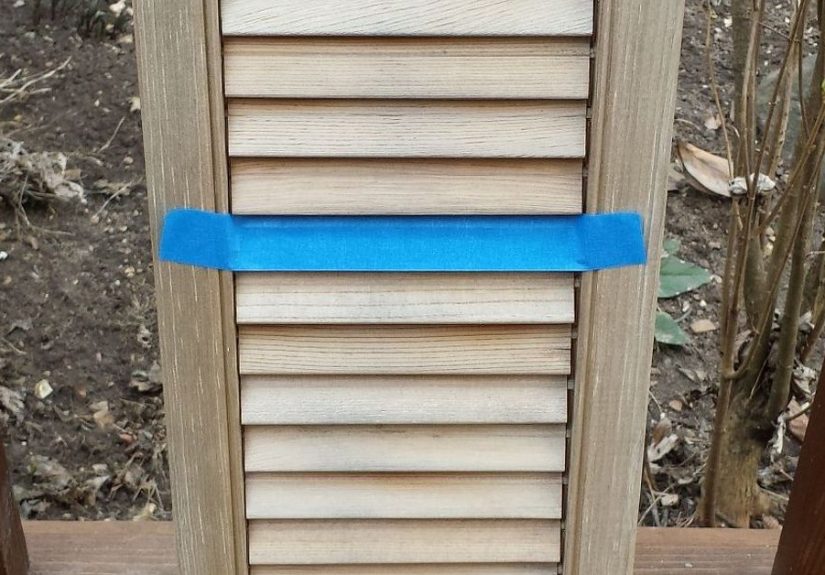
Most shutter flags look best with a blue section at the upper left and red-and-white stripes across the rest of the piece. If the shutter will hang vertically, keep the star section near the top so the design reads clearly from a distance. Use painter’s tape and a pencil to map out the major sections before you paint.
You do not need perfect proportions for this project unless you enjoy measuring things recreationally. The goal is to create the feel of a flag-inspired design, not audition for a geometry scholarship. Keep the lines balanced, leave enough room for the blue field, and make sure the stripes look evenly spaced.
6. Paint the Background Colors
Paint the white areas first if you are working over primer. White tends to appreciate a head start. Once that dries, tape off the sections and add the red stripes and blue field. Thin, even coats will give you a better finish than one thick coat that dries with drips, streaks, or regret.
If you are painting louvered shutters, angle your brush into the slats and check for hidden drips. A small brush is great for detail work, while a foam roller can help flatten larger areas. Let each coat dry before adding the next one. Yes, patience is annoying. Yes, it also makes the project look dramatically better.
7. Add the Stars
This is the part that makes the project instantly recognizable and ridiculously cute. You can use a reusable stencil, adhesive stencil, star decals, or freehand small stars with a detail brush. If you are nervous about crisp edges, dab the paint lightly rather than loading the brush like you are trying to wallpaper the moon.
For a more rustic look, imperfect stars are completely fine. In fact, a slightly handmade finish often looks warmer and more authentic than something too perfect. If you want a cleaner, more modern result, use painter’s tape or a quality stencil and work slowly.
8. Distress It, or Don’t
Once the paint is fully dry, you can leave it clean and crisp or lightly sand edges and raised areas for a weathered look. Distressing works especially well on old shutters because it highlights the age and texture of the wood. Focus on corners, edges, and high points where natural wear would happen.
Go easy. You want “vintage charm,” not “this project was dragged behind a pickup truck.”
9. Protect and Display Your Piece
If your shutter flag will live on a covered porch, quality exterior paint may be enough protection on its own. If your paint system calls for a topcoat, follow those product directions. Then add your hanging hardware and decide where the piece will make the biggest impact.
Some of the best placement ideas include beside the front door, layered behind planters, leaned against a porch wall, displayed on a mantel, or attached to a wreath stand. A simple shutter can also become a backdrop for other seasonal accents throughout the year, which makes this project even more useful.
Easy Design Variations for 4th July & Beyond
Keep It Classic
Use bright red, crisp white, and deep blue for a traditional patriotic look. Pair it with ferns, striped cushions, a neutral doormat, and galvanized accents on the porch.
Go Rustic Farmhouse
Choose muted or chalky paint colors, lightly distress the edges, and tie on a burlap bow. This version looks great with vintage crocks, old crates, and weathered lanterns.
Try a Coastal Americana Twist
Use softer navy, creamy white, and faded red tones. Style the finished piece with rope textures, wicker furniture, and potted hydrangeas for a breezy, relaxed summer vibe.
Add Personal Details
Attach a wooden star, a small plaque with your family name, or seasonal greenery. You can even hang a mini wreath over the center of the shutter once July is over so the piece transitions into late summer décor instead of screaming “fireworks forever.”
Mistakes to Avoid
Skipping prep. Dust, loose paint, and slick surfaces are not your friends. Even the prettiest paint cannot perform miracles.
Using the wrong paint. Indoor craft paint on an uncovered outdoor shutter is basically asking the weather to win.
Rushing dry time. Paint needs time to set between coats. Smudges happen fast and humility follows immediately.
Making the design too tiny. Shutter flags are meant to be seen from a few feet away. Bold stripes and clearly visible stars always look better than fussy little details.
Over-accessorizing. The shutter already has texture and pattern. Let it shine. It does not need five bows, three signs, and a random tin eagle unless maximalism is your personal sport.
How to Use Your Shutter Flag All Year Long
One of the best things about this project is that it does not have to disappear after the Fourth of July. A shutter flag can stay relevant in several ways. It works beautifully for Memorial Day, Flag Day, Labor Day weekend, Veterans Day, and general summer porch décor. If your decorating style already includes vintage Americana pieces, you can keep it up year-round without it looking out of place.
You can also restyle it seasonally. In midsummer, pair it with geraniums, lemonade-color florals, and wicker baskets. In fall, tuck in dried wheat, muted mums, or a small grapevine wreath. In winter, a simple evergreen swag can tone down the summer feel while keeping the shutter’s structure on display. That is the magic of a good base piece: it adapts without drama.
Final Thoughts
If you want a DIY project that is affordable, attractive, and beginner-friendly, an easy shutter flag is a fantastic choice. It gives old wood new purpose, adds character to a porch or entryway, and lets you decorate for the Fourth of July without buying something disposable. Even better, it is one of those rare projects that feels festive and practical at the same time.
You do not need perfection to pull this off. You just need a decent shutter, a simple plan, and enough confidence to start painting. The finished result will look charming because it is handmade, not because it came off an assembly line. And honestly, that is the whole appeal. A few brushstrokes, a handful of stars, and suddenly you have porch décor with personality.
So grab that old shutter, put on a playlist, and make something that feels cheerful long after the holiday sparklers burn out. Your front porch will thank you. Your guests will compliment you. And you will get to say, very casually, “Oh, that old thing? I made it.”
Real-Life Experience and Decorating Inspiration
One of the most enjoyable parts of making a shutter flag is how forgiving the project feels in real life. On paper, it sounds like a simple painted wood craft. In practice, it becomes one of those pieces that quietly changes the mood of a space. A plain porch corner suddenly feels styled. A front door that looked a little too bare starts to feel welcoming. Even an older home gains a bit of cheerful personality when a handmade patriotic accent is leaning nearby.
Many people start this project with a salvaged shutter that is far from perfect. Maybe it came from a flea market, a curbside find, a relative’s garage, or the mysterious pile of “good wood stuff” that seems to exist in every American shed. That imperfect beginning is actually part of the charm. Tiny dents, old nail holes, and uneven edges often make the finished piece look better, not worse. Once painted, those flaws read as character instead of damage.
There is also something satisfying about how customizable the project is. One person may prefer a crisp, polished design with sharp stars and bright colors. Another may lean into a faded, distressed finish that looks like it belongs on the porch of an old farmhouse with two rocking chairs and a pitcher of sweet tea nearby. Both versions can be beautiful because the project is strong enough to handle different styles. It is less about copying one exact look and more about creating something that feels right for your home.
In everyday decorating, shutter flags are surprisingly versatile. They can stand alone as a statement piece, but they also play well with other décor. They look great next to planters, lanterns, milk cans, baskets, and simple wreaths. They can fill awkward vertical wall space beside a door or soften an empty porch corner that never seems to know what it wants to be. Indoors, they can add texture to a mantel, mudroom, or entry table setup without feeling overly seasonal.
Another real-life advantage is cost. Compared with buying large seasonal porch signs or boutique holiday décor, a DIY shutter flag is usually much more budget-friendly. If you already have leftover paint or can use sample sizes, the project becomes even cheaper. That means you can put your money into better hanging hardware, nicer planters, or maybe something equally important, like snacks for the painting session.
There is a sentimental side to the project too. Handmade décor often sticks around longer than store-bought pieces because it carries a memory. You remember the afternoon you painted it, the family member who helped stencil the stars, or the way it looked on the porch during a backyard barbecue. Over time, the shutter becomes more than décor. It becomes part of the seasonal rhythm of home. You pull it out each summer and it feels familiar, easy, and personal.
That is why a shutter flag works so well beyond the Fourth of July. It is not just a holiday prop. It is a piece of handmade Americana that feels warm, useful, and lived-in. And in a world full of disposable decorations, that kind of staying power is a very good thing.