Table of Contents >> Show >> Hide
- What Product Is Being Recalled?
- Which 23 States Are Included in the Canned Bean Recall?
- Why Undeclared Soy Matters
- How Did This Recall Happen?
- What Should Consumers Do Now?
- Why This Recall Is Important for Families
- What Retailers and Food Brands Can Learn
- How to Make Your Pantry Recall-Smart
- Specific Example: The Backyard Barbecue Problem
- What If You Do Not Have a Soy Allergy?
- Experience Notes: What This Recall Teaches Everyday Shoppers
- Conclusion
- SEO Tags
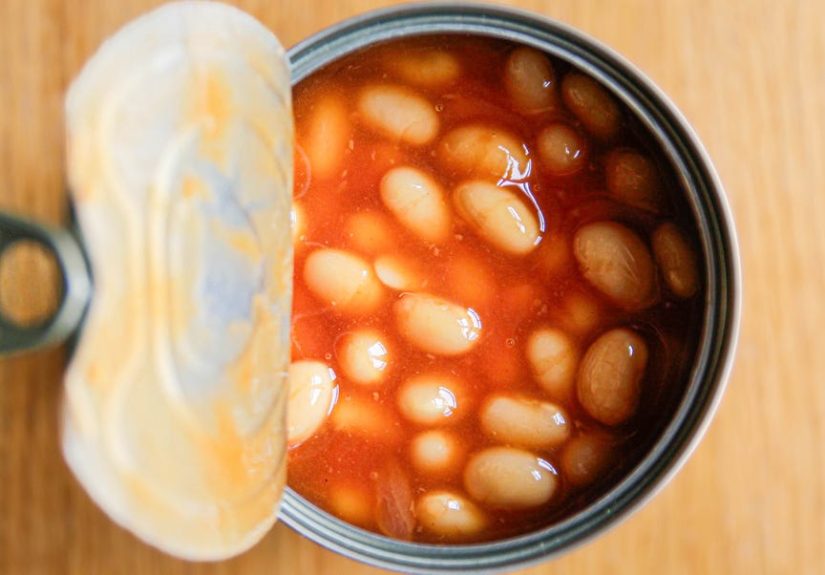
A can of baked beans is supposed to be the easy part of dinner. You open it, warm it up, and suddenly your barbecue plate looks like you planned ahead. But a recent canned bean recall reminded shoppers that even pantry staples deserve a second look. Vietti Food Group issued a voluntary recall of Yellowstone Brown Sugar Molasses Baked Beans after discovering the presence of undeclared soy, an allergen that was not properly listed on the label.
The recall involves 15-ounce cans of Yellowstone Brown Sugar Molasses Baked Beans distributed through retailers in 23 states. The product can be identified by the lot code “Best if Used By Feb 17, 2028,” printed on the bottom of the can. According to the recall notice, 4,515 cases were affected, and no illnesses or adverse reactions had been reported at the time of the announcement.
For most shoppers, this may sound like another food recall headline in a crowded news cycle. For anyone with a soy allergy, however, the issue is serious. Undeclared allergens are not a tiny label typo. They can turn an ordinary meal into a medical emergency. That is why consumers are being urged to check their pantries, confirm the product details, and return affected cans to the place of purchase for a full refund.
What Product Is Being Recalled?
The recalled item is Yellowstone Brown Sugar Molasses Baked Beans in 15-ounce cans. The brand name is Yellowstone, the product description is baked beans, and the company behind the recall is Vietti Food Group of Nashville, Tennessee.
The affected product is identified by this key detail:
- Product: Yellowstone Brown Sugar Molasses Baked Beans
- Can size: 15 ounces
- Reason for recall: Undeclared soy
- Lot code: Best if Used By Feb 17, 2028
- Where to find the code: Printed on the bottom of each can
- Company: Vietti Food Group
- Action for consumers: Return the product to the place of purchase for a full refund
The recall is not for every can of beans in America, nor is it a warning about all Yellowstone food products. It applies to the specific product and lot code listed above. Still, because canned goods often sit quietly in pantries for months, this is one of those recalls shoppers should not ignore. A can bought weeks ago may still be sitting behind the pasta sauce, waiting for chili night.
Which 23 States Are Included in the Canned Bean Recall?
The affected Yellowstone baked beans were distributed through retailers in 23 states. The states listed in the recall are Arizona, Colorado, Delaware, Florida, Georgia, Illinois, Iowa, Kansas, Kentucky, Louisiana, Michigan, Mississippi, Missouri, New Hampshire, New York, North Carolina, Ohio, Oregon, Pennsylvania, Tennessee, Texas, Utah, and Virginia.
That is a wide distribution map, covering large parts of the South, Midwest, Northeast, and West. Because products can move between households, road trips, college apartments, vacation homes, and family gatherings, consumers outside those states may still want to check their cans if they recently purchased Yellowstone Brown Sugar Molasses Baked Beans or received them from someone else.
Why Undeclared Soy Matters
Soy is one of the major food allergens recognized in the United States. For people without a soy allergy, soy may be just another ingredient in sauces, seasonings, baked goods, and processed foods. For people with a soy allergy or severe sensitivity, it can cause symptoms that range from uncomfortable to dangerous.
Food allergy symptoms may include hives, itching, swelling, digestive upset, coughing, wheezing, throat tightness, dizziness, or trouble breathing. In severe cases, an allergic reaction can become anaphylaxis, a potentially life-threatening reaction that requires immediate medical attention. This is why allergen labeling is not just a nice packaging feature; it is a safety system.
Imagine planning a family cookout where one guest has a soy allergy. You carefully check the burger buns, the sauces, the salad dressing, and the snacks. Then you open a can of baked beans that appears safe because soy is not listed. If the product actually contains soy, the label has failed the person who depends on it. That is exactly the kind of risk undeclared allergen recalls are designed to prevent.
How Did This Recall Happen?
The public recall notice states that the product was recalled due to the presence of undeclared soy. In plain English, that means soy was present in the food but was not declared on the label as required for consumer safety. Allergen recalls often happen because of packaging mix-ups, formulation changes, ingredient errors, supplier issues, or labels that do not match the product inside.
In many food recall cases, the danger is not visible. A shopper cannot look at baked beans and confidently say, “Ah yes, hidden soy.” Food allergens are especially tricky because they may be part of flavoring blends, sauces, seasonings, or a product packed into the wrong container. That is why accurate labeling is so important.
It is also why the recall system exists. When a company discovers a problem, a voluntary recall can remove the affected product from store shelves, alert retailers, and warn consumers who may already have the item at home. The faster a recall notice reaches shoppers, the better the chances of preventing harm.
What Should Consumers Do Now?
If you have Yellowstone Brown Sugar Molasses Baked Beans in your pantry, do not guess. Check the bottom of the can for the lot code. If the code reads “Best if Used By Feb 17, 2028,” and the product matches the recalled item, do not serve it to anyone with a soy allergy or severe soy sensitivity. The recall notice advises consumers to return the affected product to the place of purchase for a full refund.
Step 1: Check the Label and Lot Code
Look for the product name, can size, and lot code. The recall applies to 15-ounce cans of Yellowstone Brown Sugar Molasses Baked Beans with the “Best if Used By Feb 17, 2028” code printed on the bottom.
Step 2: Separate the Product
If the can matches the recall, set it aside where it will not accidentally be used. A sticky note on the can can help prevent a hungry family member from turning it into lunch before you return it.
Step 3: Return It for a Refund
Consumers are urged to return the affected product to the place of purchase for a full refund. Keep the can intact if possible, because the store may need to verify the product details.
Step 4: Watch for Symptoms if It Was Eaten
If someone with a soy allergy may have eaten the recalled beans and develops symptoms such as swelling, breathing trouble, widespread hives, vomiting, dizziness, or throat tightness, seek emergency medical help immediately. For people with known severe allergies, follow the emergency plan provided by a healthcare professional.
Why This Recall Is Important for Families
Many families rely on canned foods because they are affordable, convenient, and shelf-stable. Beans are especially popular because they are filling, easy to prepare, and flexible enough for weeknight dinners, potlucks, camping trips, and school lunches. That convenience is exactly why recalls involving canned goods deserve attention.
Unlike fresh foods, canned foods do not disappear from the refrigerator in a few days. They can stay in a pantry for months or even years. A recalled can may remain in circulation long after the first announcement. Someone may buy it, store it, move apartments, pack it for a trip, or donate it to a food drive without realizing it is affected.
For households managing food allergies, this recall is also a reminder to check labels every time, even on familiar products. Recipes change. Packaging changes. Manufacturers change suppliers. A product that was safe last summer may not be safe this summer. That is annoying, yes, but so is stepping on a Lego in the dark. Some small inconveniences are worth preventing a much bigger problem.
What Retailers and Food Brands Can Learn
Food recalls are not just consumer alerts; they are also lessons for the food industry. Allergen control requires strong systems at every step, from ingredient sourcing to production lines, label approval, packaging checks, distribution, and retailer communication. A single mismatch can create risk for thousands of shoppers.
Brands that sell nationally or regionally must treat label accuracy as part of product safety, not as a final design detail. The front of a can may sell the flavor, but the back of the label protects the customer. If the ingredient list and allergen statement are wrong, the packaging has failed its most important job.
Retailers also play a key role. Once a recall is announced, stores need to remove affected inventory, notify customers when possible, and help shoppers understand refund options. For large retail networks, that means acting quickly across many locations. In a recall spanning 23 states, speed and clarity matter.
How to Make Your Pantry Recall-Smart
Most people do not want to run a full safety audit every time they make dinner. Fortunately, a few simple habits can make recall checks easier.
- Keep cans visible: Rotate older canned goods to the front so products do not disappear for years.
- Save receipts digitally: Store apps and email receipts can help confirm where you bought a recalled item.
- Check recall notices regularly: FoodSafety.gov and FDA recall pages are useful places to monitor current alerts.
- Label allergy-safe shelves: In households with allergies, separate foods that are verified safe from foods that need checking.
- Do not donate recalled food: If a product is recalled, it should not be passed to a food pantry, neighbor, or relative.
These habits do not require panic or perfection. They simply make it easier to respond when a recall affects something you actually own. Think of it as pantry housekeeping with a safety bonus.
Specific Example: The Backyard Barbecue Problem
Here is a realistic scenario. A family in Pennsylvania is hosting a weekend cookout. Someone brings burgers, someone else brings lemonade, and the host heats up canned baked beans because that is practically a backyard tradition. One guest has a soy allergy and asks whether the beans contain soy. The host checks the label, sees no soy listed, and serves the dish.
If the can is part of this recall, that guest may be exposed to an allergen they were actively trying to avoid. The risk is not caused by carelessness from the guest or the host. It is caused by inaccurate labeling. That is what makes undeclared allergen recalls so concerning: they undermine the basic trust shoppers place in packaging.
The safer approach is simple. Before serving canned goods at gatherings, especially when guests have allergies, check current recall notices and inspect the lot code. It takes less time than finding the good serving spoon, and it may prevent a serious reaction.
What If You Do Not Have a Soy Allergy?
For people without a soy allergy or sensitivity, the risk may be different. The recall is focused on undeclared soy, not on spoilage, botulism, bacterial contamination, or a general warning that the beans are unsafe for everyone. However, consumers should still follow the recall instructions and return the product if it matches the affected lot.
Following recall instructions helps retailers and manufacturers remove affected products from circulation. It also prevents the can from being served later to a guest, child, roommate, or family member who may have a soy allergy. When in doubt, do not play pantry roulette.
Experience Notes: What This Recall Teaches Everyday Shoppers
Food recalls often feel distant until they land in your own kitchen. The Yellowstone baked beans recall is a good example because the product is ordinary. It is not a rare imported delicacy or a complicated meal kit with seventeen tiny packets. It is a can of beans, the sort of thing people grab quickly while shopping for burgers, hot dogs, cornbread, or a quick weeknight dinner.
That everyday quality makes the recall more relatable. Many shoppers have a “backup meal” shelf: canned beans, soup, tuna, pasta sauce, rice, and maybe one mysterious can nobody remembers buying. These foods are useful because they wait patiently. But that also means a recalled product can wait patiently too. A can bought in May might not be opened until football season, a holiday potluck, or a last-minute dinner when nobody feels like cooking.
One practical experience from recalls like this is that pantry organization matters more than it seems. If cans are stacked randomly, checking a recall becomes a treasure hunt, except the treasure is stress. A better habit is to group foods by category and keep labels facing forward. When a recall mentions a specific brand, size, and lot code, you can check in minutes instead of excavating the cupboard like an archaeologist in sweatpants.
Another experience is that allergy safety is a shared responsibility. People with food allergies often become expert label readers, but they cannot inspect a label that is wrong. Hosts, parents, schools, stores, and food brands all play a role. If you are serving food to others, especially at a cookout or potluck, keep packaging until the meal is over. That way, guests can check ingredients themselves if they need to. Throwing away the can before dinner may look tidy, but it also removes useful information.
This recall also shows why “best by” dates are not just freshness clues. In recall situations, dates and lot codes become identification tools. The “Best if Used By Feb 17, 2028” mark is the detail that helps shoppers separate affected cans from unaffected products. Instead of glancing at dates only when food looks old, consumers can treat them as part of a product’s safety identity.
Finally, the recall is a reminder not to panic. A recall is serious, but it is also a sign that the safety system is working. The goal is to identify the affected product, alert the public, and remove it from use. The smartest response is calm and practical: check the can, compare the lot code, return it if it matches, and share the information with anyone who may have bought the same product. That is how a small pantry check can protect someone’s health.
Conclusion
The FDA-posted recall of Yellowstone Brown Sugar Molasses Baked Beans across 23 states is a clear reminder that food labels matter. The recalled 15-ounce cans may contain undeclared soy, creating a serious risk for people with soy allergies or severe sensitivities. Consumers should check for the “Best if Used By Feb 17, 2028” lot code on the bottom of the can and return affected products to the place of purchase for a refund.
For most households, this recall will take only a few minutes to address. For allergy-sensitive families, those few minutes can be incredibly important. Pantry staples may be humble, but safety is never small potatoesor in this case, small beans.