Table of Contents >> Show >> Hide
- Why Winter Landscaping Matters
- 1. Anchor the Yard With Evergreens
- 2. Show Off Bark, Stems, and Branch Structure
- 3. Add Berry-Producing Shrubs for Color and Wildlife
- 4. Leave Ornamental Grasses and Seed Heads Standing
- 5. Use Winter-Blooming Plants Where Your Climate Allows
- 6. Build Winter Containers for the Porch and Entry
- 7. Lean Into Hardscape and Garden “Bones”
- 8. Add Outdoor Lighting for Warmth and Depth
- 9. Design the View From Indoors
- 10. Protect Plants From Salt, Wind, and Winter Burn
- 11. Water Trees and Shrubs Before the Ground Freezes
- 12. Make Space for Winter Wildlife
- How to Pull These Winter Landscaping Ideas Together
- What Winter Landscaping Feels Like in Real Life
- Conclusion
Winter landscaping gets a bad rap. The leaves are gone, the flowers have called it a year, and the yard can start looking like it forgot to put on pants. But a smart winter landscape is not supposed to compete with July. It is supposed to do something different: add structure, texture, color, movement, and curb appeal when everything else is taking a long nap.
If your yard feels flat once the first hard freeze rolls in, the fix is usually not “buy more random stuff in spring and hope for the best.” The secret is designing for winter on purpose. That means relying on evergreen plants, colorful stems, berries, ornamental grasses, sturdy hardscape, and a few practical tricks that make your landscape feel alive even when the temperature says otherwise.
Below are 12 winter landscaping ideas that actually work, whether you want a prettier front yard, a more inviting backyard, or a view from the kitchen window that does not make you sigh dramatically into your coffee. Use them as a full makeover plan or steal a few ideas and pretend you always meant to be this organized.
Why Winter Landscaping Matters
A good winter landscape does more than look nice. It improves curb appeal, highlights the “bones” of your yard, supports birds and other wildlife, and helps you notice design gaps that are easy to ignore when summer flowers are doing all the heavy lifting. Winter also exposes practical issues like salt damage, poor screening, empty corners, or beds that disappear visually once herbaceous plants die back.
In other words, winter is honest. Ruthless, but honest. And that honesty is useful.
1. Anchor the Yard With Evergreens
If you do only one thing to improve a winter landscape, make it this: add evergreen structure. Evergreens provide the year-round color and texture that keep a yard from looking vacant in cold weather. They also create strong forms that help organize your design when perennial borders and deciduous shrubs are bare.
What to try
- Use upright evergreens near entryways for symmetry and year-round presence.
- Add mounded or spreading evergreen shrubs to foundation beds.
- Mix needle evergreens and broadleaf evergreens for contrast in texture.
The trick is not to plant a solid wall of identical green blobs. Layer heights, vary shapes, and make sure each plant fits your hardiness zone, light conditions, soil, and mature size. The goal is “polished winter garden,” not “conifer traffic jam.”
2. Show Off Bark, Stems, and Branch Structure
Once leaves fall, bark becomes a star. Winter landscaping ideas often focus on color, but branch architecture and stem texture are just as important. Plants with exfoliating bark, bright young stems, or sculptural branching add instant winter interest without begging for attention.
Great visual features for winter
- Red or yellow twig dogwoods
- Paperbark maple or river birch
- Shrubs and trees with strong upright, weeping, or twisting forms
Think of these as the black-and-white photography of the garden. No big, flashy flower display needed. The beauty comes from line, shape, and texture.
3. Add Berry-Producing Shrubs for Color and Wildlife
When winter landscaping looks dull, berries come in like tiny holiday ornaments that forgot to go back in the attic. Shrubs with persistent fruit brighten the yard and can help support birds during the leaner months.
Best ways to use berries in the landscape
- Plant berrying shrubs where they are visible from indoors.
- Group them near evergreens so the fruit color pops against a dark background.
- Use them to soften fences, corners, or the edges of larger beds.
Red, orange, gold, and purple fruits can completely change the mood of a winter yard. They also create a landscape that feels inhabited rather than abandoned, which is a nice touch when the lawn looks like toast.
4. Leave Ornamental Grasses and Seed Heads Standing
One of the easiest winter landscaping ideas is also one of the hardest for tidy gardeners to accept: stop cutting everything down so early. Ornamental grasses and sturdy seed heads add movement, height, and soft texture through winter. Frost and snow catch on them beautifully, and birds often appreciate the cover and food.
That means your fall cleanup should be strategic, not overzealous. Remove diseased plant material and true messes, yes. But do not shave the garden to bare dirt like it offended you personally.
What to leave until late winter
- Ornamental grasses
- Strong perennial seed heads
- Dried flower forms that still hold shape
Then, in late winter or just before new growth starts, cut them back. Timing matters because you want the winter display without sacrificing spring performance.
5. Use Winter-Blooming Plants Where Your Climate Allows
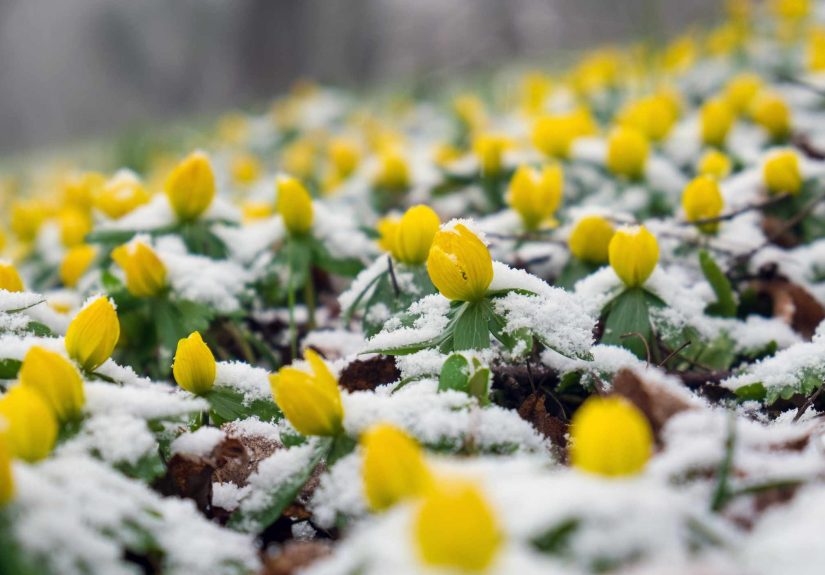
Not every U.S. climate can support winter flowers outdoors, but many can enjoy at least a few reliable cold-season bloomers. In milder regions, winter-blooming shrubs and perennials add fragrance and color when the rest of the yard is mostly about form. In colder areas, late-winter bulbs and early bloomers can still create the sense that the landscape is waking up.
Look for plants that offer
- Late winter flowers
- Early bulbs for the first color of the season
- Blooms paired with evergreen foliage or interesting bark
This idea works especially well near walkways, patios, or windows where subtle winter blooms will actually be noticed. Tiny flowers in the back corner of the property may be charming, but they are not exactly working overtime for your curb appeal.
6. Build Winter Containers for the Porch and Entry
Winter containers are one of the fastest ways to make your landscape look intentional. When planted beds are sleeping, a well-styled planter by the front door can do a lot of visual work. The best part is that you do not need flowers to make it look good.
What to include in winter planters
- Evergreen boughs for fullness
- Red twig dogwood, curly willow, or birch branches for height
- Pine cones, seed pods, or weather-safe decorative accents for texture
Use a thriller-filler-spiller mindset if you want structure, but adapt it for winter. Upright stems become the thriller, evergreen branches become the filler, and trailing greenery or draping elements can soften the edge. Symmetrical planters at the front entry instantly make the house look more finished, even if there is slush on the driveway and one glove has mysteriously disappeared.
7. Lean Into Hardscape and Garden “Bones”
Winter is when hardscape earns its paycheck. Paths, edging, walls, benches, trellises, boulders, arbors, and raised beds all become more visible once plants die back. If your winter yard feels like a blank page, it may be missing enough permanent structure.
Strong garden bones create interest in every season, but especially in winter when the eye needs something solid to land on. A crisp stone border, a gravel path, or a simple bench can make a landscape feel designed rather than accidental.
Hardscape upgrades that work in winter
- Stone or brick edging around planting beds
- A small bench or focal-seat area
- Decorative trellises or obelisks
- Visible pathways that guide the eye through the yard
Think of these elements as punctuation. Without them, the landscape can read like one very long sentence with no commas and a lot of confusion.
8. Add Outdoor Lighting for Warmth and Depth
Winter days are short, so lighting matters more than people think. A layered outdoor lighting plan makes your winter landscaping visible during the hours when you actually see it most. It also adds a welcoming glow that improves curb appeal and makes the whole property feel more alive.
Where lighting makes the biggest difference
- Along front walkways and entry paths
- At specimen evergreens or trees with beautiful bark
- Near containers, steps, and seating areas
The best winter lighting is subtle. You want your landscape to look magical, not like it is being interrogated.
9. Design the View From Indoors
One of the smartest winter landscaping ideas is to design for the places where you actually spend time inside the house. In summer, you might roam outdoors more often. In winter, you are far more likely to enjoy the yard through windows.
Stand at the kitchen sink, the breakfast table, the home office, or your favorite chair. What do you see? A blank fence? A muddy side yard? The neighbor’s recycling bin living its best life? Winter is the perfect time to notice those weak views and improve them with focal plants, containers, bird-friendly features, or structural elements.
Simple fixes for better indoor views
- Place a colorful shrub where it lines up with a main window.
- Add a bird feeder or birdbath where you can enjoy the activity.
- Use a container or small evergreen grouping to fill an empty sightline.
10. Protect Plants From Salt, Wind, and Winter Burn
Beautiful winter landscaping is not just about what you add. It is also about what you protect. Deicing salts, drying winds, reflected heat, and winter sun can all damage plants, especially near roads, sidewalks, and driveways. Evergreens often show the stress first because their foliage is exposed all season.
Protective strategies that help
- Use deicers carefully and avoid oversalting walkways.
- Choose salt-tolerant plants near roads and pavement when possible.
- Mulch root zones to help moderate soil conditions.
- Place sensitive shrubs away from wind tunnels or salt spray.
This is not the glamorous side of landscaping, but it is the side that keeps you from staring at scorched evergreens in March and whispering, “Well, that got expensive.”
11. Water Trees and Shrubs Before the Ground Freezes
Winter damage is often connected to dehydration, especially for younger trees, recently planted shrubs, and evergreens. Many homeowners stop thinking about water once the weather cools down, but plants still need moisture going into winter.
A deep watering schedule in fall, continued until the ground freezes, can help plants head into winter in better shape. During dry winters, it may also make sense to monitor conditions and water during thaws if your region and local recommendations support it.
Focus on these plants first
- Newly planted trees and shrubs
- Evergreens
- Plants in exposed or windy sites
Water is not as exciting as a new plant, but it is often the reason the new plant survives long enough to become exciting later.
12. Make Space for Winter Wildlife
A winter landscape feels richer when something is happening in it. Birds landing on berrying shrubs, seed heads swaying over snow, and sheltered spots tucked into planting beds all make the garden more dynamic. Wildlife-friendly winter landscaping is not messy landscaping. It is thoughtful landscaping with a pulse.
Easy ways to support winter wildlife
- Leave some seed heads standing
- Plant shrubs with persistent fruit
- Include evergreens for cover
- Add water or feeders if you can maintain them responsibly
This idea also changes how the yard feels emotionally. A winter garden with movement and birdsong is more inviting than one that looks like the entire ecosystem rage-quit until April.
How to Pull These Winter Landscaping Ideas Together
The strongest winter landscapes combine several of these ideas instead of relying on one hero plant. Start with evergreen structure. Add one or two shrubs with colorful stems or berries. Leave ornamental grasses standing. Use containers and lighting at the entry. Then protect what you plant with smart watering, mulching, and careful salt use.
If you want a simple formula, use this:
- Structure: evergreens, paths, benches, trellises
- Color: berries, stems, bark, winter containers
- Movement: grasses, birds, branches
- Protection: mulch, water, salt management, smart placement
That combination creates a landscape that works in winter instead of merely surviving it.
What Winter Landscaping Feels Like in Real Life
One of the funniest things about winter landscaping is how quickly it changes the mood of your home. A yard that looked perfectly fine in July can feel weirdly empty in January. Then you add one upright evergreen near the porch, a planter filled with evergreen boughs and red stems, and suddenly the house looks like it has its life together. Not in an annoying, perfect-magazine way. More in a calm, welcoming, “yes, someone thought this through” kind of way.
A lot of homeowners discover winter landscaping by accident. They step outside on a gray morning, look at the front bed, and realize the whole design depended on summer flowers doing all the emotional labor. Once those flowers are gone, the yard can feel flat. That is usually when people start noticing the value of texture, shape, bark, and evergreen color. It is also when they realize a gravel path, low stone wall, or simple bench can be just as important as a bloom-heavy border. Winter strips the yard down to its essentials, and that can be surprisingly helpful.
There is also something satisfying about learning to appreciate subtle details. In summer, everything shouts. In winter, the landscape whispers. You start noticing the way ornamental grasses catch frost, how red twig stems glow at sunset, or how birds suddenly make berry shrubs feel like the most important plants in the yard. Even the view from indoors changes. A kitchen window facing a well-placed evergreen and a small feeder becomes a little daily event instead of just a window. That kind of experience is hard to measure, but it matters. It makes winter feel shorter, or at least less rude.
Practical lessons usually come with a little trial and error. Many people learn the hard way that cutting everything back in fall leaves the garden looking shaved and awkward for months. Others discover that oversalting the walkway can punish nearby plants long after the ice is gone. And almost everyone who has lost an evergreen eventually becomes very interested in watering before the ground freezes. Winter landscaping has a way of making you wiser, usually right after it makes you mildly annoyed.
But once the basics are in place, the season gets easier. The yard starts to hold its shape. Entry planters make the porch feel cheerful. Lighting adds warmth when it gets dark at what feels like lunchtime. The bare branches no longer read as “dead space” but as part of the composition. Even snow begins to help by outlining forms and making textures more dramatic. Instead of waiting for spring to rescue the landscape, you start enjoying the season for what it offers. And that may be the best winter landscaping experience of all: realizing your yard does not have to hibernate just because the flowers did.
Conclusion
The best winter landscaping ideas are not flashy gimmicks. They are smart design choices that make your yard look intentional in the coldest part of the year. Evergreens, berries, bark, ornamental grasses, lighting, containers, hardscape, and a little wildlife support can transform a dull winter yard into a space with texture, beauty, and genuine curb appeal.
So this season, do not settle for a landscape that disappears after the first frost. Build one that still has something to say in January. Preferably something more elegant than “help, I am beige.”