Table of Contents >> Show >> Hide
- Who Is Piet Hein Eek?
- Why Piet Hein Eek Furniture Works in Children’s Rooms
- Key Piet Hein Eek Pieces for a Child’s Room
- How to Style a Children’s Room Around Piet Hein Eek Furniture
- Safety and Practical Considerations
- Design Ideas for Different Ages
- Why This Style Feels Different From Ordinary Kids’ Furniture
- Budget-Friendly Ways to Get the Piet Hein Eek Look
- Experience-Based Tips for Creating a Piet Hein Eek-Inspired Children’s Room
- Conclusion
Children’s rooms are tiny kingdoms with suspiciously powerful rulers. One minute the space is a bedroom, the next it is a pirate ship, art studio, reading cave, Lego research center, and emergency snack warehouse. That is why choosing furniture for a child’s room is never just about buying a bed, a wardrobe, or a desk. It is about creating a place that can survive imagination, growth spurts, spilled juice, and the occasional stuffed-animal rebellion.
This is where Piet Hein Eek furniture becomes especially interesting. The Dutch designer is known for transforming scrap wood, reclaimed materials, and visible imperfections into furniture that feels honest, durable, and full of character. His work is not glossy in the “please do not touch this” way. It invites touch. It shows seams, grain, color shifts, and history. In a child’s room, that approach can feel refreshingly human.
Instead of designing a room that looks perfect for exactly seven minutes, Piet Hein Eek’s style encourages a space that can age beautifully. Scratches do not ruin the story; they join it. A scrapwood wardrobe does not need to pretend to be invisible. A bunk bed can become the room’s architectural hero. A bedside table can look like it came from a creative workshop rather than a flat-pack identity crisis.
Who Is Piet Hein Eek?
Piet Hein Eek is a Dutch designer who graduated from the Design Academy Eindhoven in 1990 with a now-famous scrapwood cabinet. That graduation project helped define his career: making valuable design from materials many people would ignore, discard, or hide under three coats of polite paint.
His furniture is often associated with scrapwood furniture, reclaimed wood, traditional craftsmanship, and sustainable design. But calling it “eco-friendly furniture” alone does not fully capture the appeal. Eek’s work has humor, honesty, and a slightly rebellious attitude. It says, “Yes, this plank has a past. No, we are not sanding away its personality.”
For children’s rooms, that philosophy matters. Kids are natural collectors of stories. They notice texture. They assign names to chairs. They turn bed frames into mountains and wardrobes into secret portals. Furniture with visible character gives them something richer than a blank surface.
Why Piet Hein Eek Furniture Works in Children’s Rooms
It Makes Imperfection Feel Intentional
Most parents know the painful moment when brand-new furniture receives its first scratch. With conventional polished furniture, the scratch feels like a tiny tragedy. With Piet Hein Eek-inspired scrapwood pieces, the room already speaks the language of marks, textures, and variation. The furniture looks lived-in from the beginning, which is perfect because children are professional life-bringers.
In a child’s bedroom, this can reduce the pressure to keep everything showroom-perfect. A scrapwood bed, cabinet, or desk naturally hides small dings better than a smooth white lacquered surface. More importantly, it teaches children that beauty does not require flawlessness. That is a pretty good design lesson and, honestly, a pretty good life lesson.
It Adds Warmth Without Being Too Cute
Many children’s rooms lean heavily on themes: dinosaurs, princess castles, outer space, jungle animals, or that mysterious phase where everything must be neon. Those themes can be fun, but they often expire quickly. A child who loves rockets at age five may become deeply offended by them at age nine.
Piet Hein Eek furniture offers a more lasting foundation. The wood tones, handmade look, and sculptural forms create warmth without locking the room into one age or trend. You can pair a scrapwood wardrobe with colorful bedding for a younger child, then later style it with neutral linens, framed art, and a study lamp for a preteen. The furniture grows up without needing a dramatic makeover montage.
It Supports Sustainable Design Thinking
Children’s rooms are a great place to introduce the idea that objects have value beyond newness. Piet Hein Eek’s design language is rooted in reuse, craft, and respect for materials. A scrapwood piece can become a daily reminder that old materials can become something extraordinary.
This does not mean every child will suddenly stop asking for plastic toys shaped like cartoon snacks. Let’s remain realistic. But surrounding children with thoughtful, long-lasting furniture can help them understand quality, care, and sustainability in a practical way.
Key Piet Hein Eek Pieces for a Child’s Room
1. The Scrapwood Bed
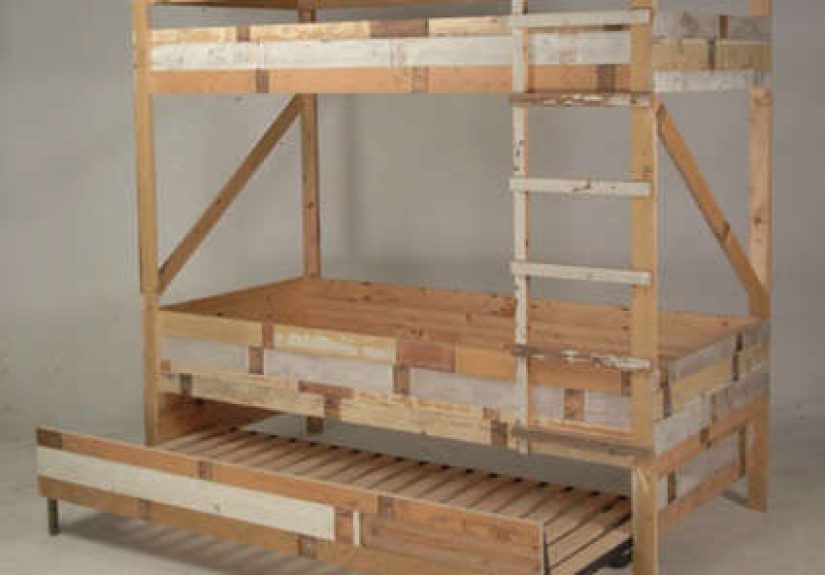
A bed is the anchor of any child’s room. Piet Hein Eek’s children’s beds, including designs such as the Roos bed and scrapwood bunk bed, show how reclaimed materials can create a strong focal point. A scrapwood bed has a cozy, cabin-like quality, but it is more refined than rustic. Think “creative Dutch workshop,” not “lost in a forest with only a lantern.”
In practical terms, a scrapwood bed pairs well with simple bedding. White, cream, denim blue, sage green, mustard, or soft terracotta all work beautifully. Because the wood already has color and texture, the bedding does not need to shout. Let the bed do the talking; it has excellent material gossip.
2. The Bunk Bed
A Piet Hein Eek-style bunk bed can be a brilliant choice for shared rooms or compact spaces. The designer’s scrapwood bunk bed has a built-in architectural presence, making it feel more like a small structure than a piece of furniture. That is exactly what many kids want. A bunk bed is rarely just a bunk bed. It is a tower, spaceship, reading nest, and sibling negotiation zone.
When using a bunk bed in a child’s room, safety comes first. Choose appropriate mattress sizes, secure guardrails, stable ladders or stairs, and keep the top bunk for children old enough to use it safely. The design may be beautiful, but gravity remains rude and undefeated.
3. Wardrobes and Storage Cabinets
Children own a shocking number of things. Tiny socks multiply. Art projects reproduce overnight. Toy cars appear under rugs through unknown scientific processes. A strong wardrobe or storage cabinet is essential.
Piet Hein Eek’s scrapwood cabinets and wardrobes are especially useful because they make storage visually interesting. Instead of hiding a big box in the corner, you can turn storage into a design statement. The patchwork effect of scrapwood doors adds color and rhythm, helping the room feel layered rather than cluttered.
For children’s spaces, consider a mix of closed and open storage. Closed cabinets hide visual chaos. Open shelves display favorite books, baskets, and treasures. The combination keeps the room functional while still allowing children to show personality.
4. Desks and Study Corners
As children grow, their room often needs a study area. A Piet Hein Eek-inspired desk or reclaimed wood table can make homework feel a little less like punishment delivered by paper. The tactile surface brings warmth to the workspace and pairs well with modern task lighting.
Keep the desk zone simple: one good chair, one lamp, a few storage cups, and enough clear surface for writing or drawing. Children do not need an executive office. They need a place where pencils are findable and the chair is not secretly a laundry shelf.
How to Style a Children’s Room Around Piet Hein Eek Furniture
Start With the Furniture as the Main Character
Piet Hein Eek furniture has presence. It is not background furniture. If you place a scrapwood bed or cabinet in a room, allow it to be the main character. Keep surrounding pieces quieter: plain curtains, simple rugs, neutral walls, and soft bedding.
This does not mean the room must be boring. Add color through books, art, pillows, blankets, and toys. The trick is balance. If the furniture has many tones and textures, the rest of the room should support it rather than compete like a marching band in a closet.
Use a Calm Wall Color
Scrapwood furniture often contains natural browns, faded paints, pale wood, darker grain, and occasional color variation. Calm wall colors help these details shine. Warm white, oatmeal, pale gray, muted green, dusty blue, or clay beige are excellent choices.
If you want wallpaper, choose a subtle pattern. A small stripe, soft botanical print, or simple geometric design can work well. Avoid extremely busy patterns directly behind a large scrapwood piece unless your goal is “visual jazz concert.”
Add Softness With Textiles
Reclaimed wood can feel strong and architectural, so children’s rooms benefit from soft layers. Add a washable rug, cotton bedding, a quilt, curtains, floor cushions, or a cozy reading chair. These elements balance the sturdiness of the furniture and make the room feel comfortable for everyday use.
For a younger child, try playful bedding in simple colors. For an older child, use more mature textiles like linen blends, woven blankets, or graphic pillows. The furniture can stay; the textiles can evolve.
Safety and Practical Considerations
Anchor Heavy Furniture
Any tall wardrobe, dresser, or shelving unit in a child’s room should be securely anchored to the wall. This is especially important for solid wood or heavy storage pieces. Children climb. They do not always announce it first. Furniture anchoring is one of the simplest ways to make a bedroom safer.
When buying new storage furniture, ask about stability, anti-tip hardware, and current safety standards. For vintage or custom pieces, use high-quality wall restraints installed correctly into studs or appropriate wall anchors.
Check Finishes and Indoor Air Quality
Because children spend many hours sleeping and playing in their rooms, indoor air quality matters. When selecting wood furniture, finishes, paints, adhesives, and sealants should be considered. Low-VOC finishes, water-based lacquers, and reputable certifications can help reduce unwanted chemical emissions indoors.
If you purchase a newly finished piece, allow time for ventilation before placing it in a child’s bedroom. Open windows when possible, run ventilation, and avoid combining several new high-emission items at once. A beautiful room should smell like clean air, not like a chemistry lab wearing perfume.
Choose Rounded, Practical Details
Children’s furniture should be sturdy, but it should also be forgiving. Look for stable construction, smooth edges, secure hardware, and drawers that open easily without tipping. If a piece has rough reclaimed texture, make sure surfaces children touch frequently are sanded, sealed, and splinter-free.
Design character is wonderful. Splinters are not character; they are tiny wooden betrayals.
Design Ideas for Different Ages
For Toddlers
Use low furniture, soft rugs, accessible baskets, and secured storage. A small scrapwood bed or low children’s bed can make the room feel warm and grounded. Keep decor simple and leave open floor space for play. Toddlers do not need many decorative objects; they will simply move them to mysterious locations.
For School-Age Children
This is the perfect stage for a room with personality. A scrapwood bunk bed, wardrobe, or desk can become the foundation for a creative space. Add book ledges, a small display area for collections, and a study corner. Let the child choose some colors or art so the room feels personal.
For Tweens
Tweens often want a room that feels less “little kid” and more independent. Piet Hein Eek furniture works well here because it already has a sophisticated design language. Keep the main furniture, then update accessories: better lighting, mature bedding, framed prints, and a cleaner desk setup.
Why This Style Feels Different From Ordinary Kids’ Furniture
Much of the children’s furniture market is built around short-term cuteness. That approach is understandable, but it can lead to rooms that children outgrow quickly. Piet Hein Eek furniture offers another route: invest in character, craftsmanship, and adaptability.
A scrapwood cabinet does not become irrelevant when a child stops loving cartoon animals. A sturdy bed does not need to be replaced because the room’s color scheme changes. A handmade-looking desk can support drawing, homework, gaming, journaling, or whatever hobby arrives next week with great emotional urgency.
This makes Piet Hein Eek furniture especially appealing for parents who prefer long-term design over disposable decorating. It also works for families who want children’s rooms to feel connected to the rest of the home. The room can still be playful, but it does not have to look like a toy store sneezed.
Budget-Friendly Ways to Get the Piet Hein Eek Look
Original Piet Hein Eek furniture can be expensive, especially custom or collectible pieces. If a full room of designer furniture is not realistic, focus on one statement item. A bed, wardrobe, desk, or bedside table can set the tone for the entire space.
You can also borrow ideas from Eek’s design philosophy. Look for reclaimed wood pieces, vintage cabinets, handmade furniture, or locally crafted items with visible material character. The goal is not to copy the designer, but to embrace the same principles: respect materials, choose durability, and allow imperfection to become part of the beauty.
Another smart approach is to mix high and low. Pair one special scrapwood piece with affordable shelves, simple bedding, and secondhand accessories. Children’s rooms do not need to be expensive to feel thoughtful. They need good bones, safe furniture, and enough storage to prevent the floor from becoming a toy-based obstacle course.
Experience-Based Tips for Creating a Piet Hein Eek-Inspired Children’s Room
After looking at many children’s rooms, one pattern becomes clear: the best spaces are not the ones that look perfect in a photograph. They are the rooms that work on a Tuesday morning when someone cannot find a shoe, a library book is due, and a child suddenly remembers that the school project requires cardboard, glue, and “maybe a small volcano.” A Piet Hein Eek-inspired room works best when beauty and practicality shake hands.
Start by observing how the child actually uses the room. Some children play mostly on the floor, so a large rug and low storage matter more than a big desk. Others love drawing, building, or reading, so a generous table and good lighting are essential. Do not design the room around an imaginary child who calmly folds pajamas and alphabetizes books. Design for the real child, the one who creates blanket forts and considers every horizontal surface a museum.
One helpful experience is to create zones. Use the bed as the calm zone, the desk as the focus zone, and open floor space as the play zone. Piet Hein Eek furniture naturally helps with zoning because it has strong visual weight. A scrapwood wardrobe can define one side of the room. A bunk bed can create vertical structure. A desk with reclaimed wood texture can make the study area feel intentional rather than squeezed in as an afterthought.
Another practical tip is to keep the color palette flexible. Because scrapwood already contains multiple tones, choose two or three supporting colors and repeat them throughout the room. For example, use warm white walls, navy bedding, and ochre pillows. Or try sage green, cream, and natural cotton. Repetition makes the room feel designed even when toys are scattered around with the confidence of modern art.
Storage should be easy enough for a tired child to use. Deep drawers, labeled baskets, and low hooks are more successful than complicated systems. A beautiful cabinet is helpful only if it does not require adult-level patience to operate. For younger children, store daily items at their height and seasonal items higher up. For older children, give them a say in where things belong. They are more likely to maintain a system they helped create.
Lighting is another detail that changes everything. Wood furniture looks richer under warm, layered light. Use a ceiling light for general brightness, a reading lamp near the bed, and a focused desk lamp for homework. Avoid making the room depend on one harsh overhead light unless you want the cozy atmosphere of a dental office.
Finally, leave room for change. Children’s rooms are never finished forever. They evolve with new hobbies, new books, new favorite colors, and new opinions delivered with courtroom confidence. Piet Hein Eek furniture gives the room a durable foundation, while accessories can change around it. That is the real magic: a room that feels designed, loved, and ready for whatever story comes next.
Conclusion
Children’s Rooms: Piet Hein Eek Furniture is more than a design topic; it is an invitation to rethink what a child’s space can be. Instead of chasing temporary perfection, Piet Hein Eek’s furniture celebrates durability, texture, reuse, and the charm of imperfection. His scrapwood beds, wardrobes, bunk beds, and storage pieces bring warmth and personality to rooms that need to be both imaginative and practical.
For parents, the appeal is clear: furniture that can grow with the child, hide everyday wear, and support a more sustainable approach to decorating. For children, the appeal is even simpler. The furniture looks interesting. It feels real. It gives their room a story before the first stuffed animal moves in.
When styled with calm colors, soft textiles, safe installation, and flexible storage, Piet Hein Eek furniture can turn a child’s bedroom into a space that is creative, comfortable, and wonderfully alive. And if the room still gets messy? Of course it will. That is not a design failure. That is proof the kingdom is active.