Table of Contents >> Show >> Hide
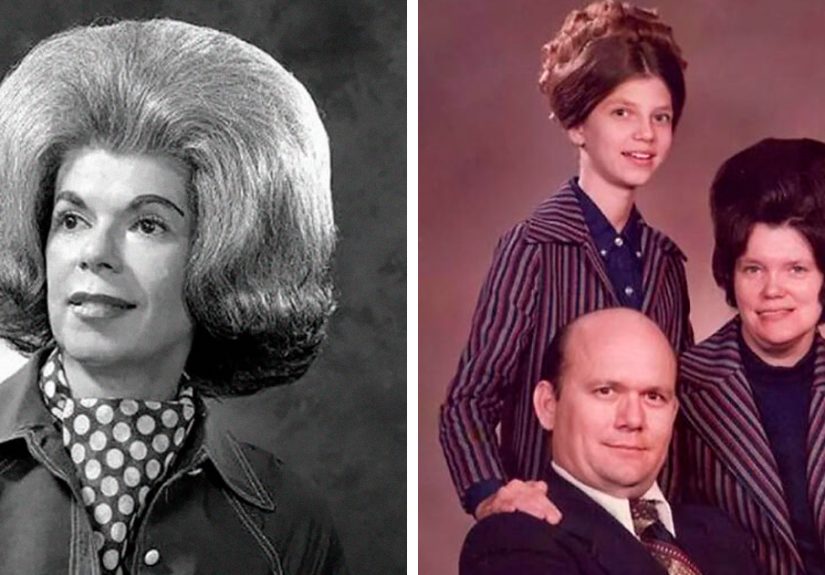
The 1960s did not believe in timid hair. This was the decade that looked at a perfectly normal head of hair and said, “Nice start, but what if it were taller, sharper, shinier, or dramatically flipped at the ends?” From early-’60s bouffants that practically deserved their own zip code to late-’60s hippie lengths that floated around like a protest song in visual form, women’s hairstyles from the 1960s covered an astonishing amount of ground. Some looked polished enough for a state dinner. Others looked like a teasing comb and a can of hairspray lost all sense of moderation. Honestly, both categories are part of the charm.
What makes 1960s women’s hairstyles so fascinating is that they tracked the decade’s cultural mood swings in real time. Early on, hair was sculpted, controlled, and set in place as if one loose strand might trigger a national emergency. Then mod style arrived and made geometry glamorous. By the end of the decade, hair loosened up, got longer, and started acting like it had read a few beat poems and no longer respected the establishment. If you want a crash course in how beauty reflects social change, just study 1960s hair for ten minutes. If you want a good laugh, study it for twenty.
Why 1960s Hairstyles Still Matter
The best 1960s hairstyles still influence modern beauty because they were not just pretty. They were expressive. The beehive shouted glamour. The Vidal Sassoon bob whispered precision with terrifying confidence. Bardot bangs suggested you might know how to look effortless while actually requiring a suspicious amount of effort. Meanwhile, long straight hippie hair rejected the lacquered stiffness of the earlier part of the decade, and natural Black hairstyles became increasingly tied to identity, pride, and political meaning. In other words, these were not just hairstyles. They were arguments, flirtations, rebellions, and occasionally a structural engineering experiment.
50 Women’s Hairstyles From The 1960s That Range From Hilarious To Amazing
The Big-Hair Years: Volume, Teasing, and Fearless Hairspray
- The Classic Beehive: Tall, sculpted, and impossible to ignore, the beehive is the hairstyle equivalent of arriving with your own spotlight.
- The Soft Beehive: Same signature height, but with a gentler silhouette that looked less “helmet” and more “high society.”
- The Bouffant Bob: A rounded shape with crown volume, this style made ordinary hair look as if it had ambitions.
- Jackie O’s Flipped Bob: Smooth, elegant, and turned out at the ends, it gave First Lady polish a surprisingly youthful edge.
- The Crown Bump: A lifted section at the top added instant drama, proving that even modest hair wanted a little applause.
- The Half-Up Bouffant: Part updo, part free-flowing hair, and all about that elevated crown.
- The Teased Ponytail: Business in the front, ponytail in the back, and enough volume at the crown to make gravity nervous.
- The Ribbon Pony: A high or mid ponytail tied with a bow brought sweetness to all that teasing and spray.
- The Bubble Flip: Ends curved outward with cheerful force, like the hair was perpetually in a good mood.
- The Curled-Under Set: Rounded inward ends created a tidy, polished silhouette that looked expensive even when it was simply well set.
- The Shellacked Pageboy: Smooth, curved, and controlled, this was the haircut for women who wanted movement but only on approved terms.
- The French Twist with Height: Elegant at the back, elevated at the crown, and ideal for evenings when subtlety was not invited.
- The Pillbox-Hat Set: Sleek enough to pair with a hat without flattening the entire fantasy.
- The Satin-Bow Bouffant: Add one sweet bow to towering hair and suddenly the whole thing became charmingly theatrical.
- The Ultimate Hairspray Cloud: The kind of style that looked magnificent in photos and probably survived wind, gossip, and mild disasters.
- The Vidal Sassoon Five-Point Cut: A geometric masterpiece with crisp angles, this haircut helped make modern hair look intelligent.
- The Graphic Mod Bob: Clean lines and bold shape turned the humble bob into a design statement.
- The Asymmetrical Bowl Cut: Not for the faint of heart, but unforgettable on fashion icons who understood drama.
- The Twiggy Crop: Short, gamine, and full of attitude, this look made teenage cool feel like a global event.
- The Mia Farrow Pixie: Delicate yet daring, it proved short hair could feel both vulnerable and rebellious.
- The Baby-Bang Pixie: Tiny fringe, huge confidence, and absolutely no interest in blending in.
- The Side-Parted Mod Bob: A deep side part gave sharp haircuts an extra dose of fashion-editor energy.
- The Ear-Tucked Bob: Sleek around the face and perfectly controlled, this was minimalism before minimalism got smug about it.
- The Go-Go Girl Cut: Youthful, lively, and built to move with mini dresses and dancing boots.
- The Rounded Pageboy: With a fuller shape and curved ends, it softened the mod aesthetic without losing sophistication.
- The Heavy-Fringe Bob: Thick bangs transformed a simple cut into something moodier and more graphic.
- The Helmet Bob: Yes, the nickname is rude. Yes, the look could still be fabulous in the right hands.
- The Mini Bouffant Bob: Less towering than the early-’60s versions, but still proudly not flat.
- The Polished Chin-Length Flip: Sharp enough for a fashion spread, playful enough for everyday wear.
- The Sculpted Evening Bob: Precision-cut by day, dressed up with shine and shape by night.
- Bardot Bangs: Curtain-like fringe with a little sultry chaos, because perfection is less interesting when it behaves.
- The Bardot Half-Up: Crown volume plus loose lengths created one of the decade’s most copied sexy hairstyles.
- The Bedroom Wave Set: Brushed-out softness that looked relaxed, even though rollers definitely did the heavy lifting.
- The Voluminous Center Part: Long hair with lift at the crown gave softness without surrendering glamor.
- The Teased Chignon: Smooth in theory, lifted in practice, and ideal for women who liked elegance with a wink.
- The Scarf-Wrapped Updo: A pretty scarf turned practical hair into Riviera fantasy.
- The Headband Lift: Padded or broad headbands pushed hair upward and made a simple style feel instantly retro-chic.
- The Bouffant Ponytail: A little Jackie, a little cheerleader, and somehow still very sophisticated.
- The Brooch-Accented Bouffant: When your hair is already dramatic, adding jewelry is just commitment.
- The Party Flip: Bouncy ends and polished shine made this a favorite for photographs, cocktails, and showing off new eyeliner.
- Long Straight Hippie Hair: Center-parted and flowing, this look rejected rigid setting routines in favor of freedom and ease.
- The Flower-Child Braid: Loose braids paired beautifully with scarves, ribbons, or actual flowers if one was feeling committed to the vibe.
- The Crown Braid: Romantic and folkloric, it gave late-’60s hair a softer, earthier feel.
- Cher-Length Sleek Hair: Extra-long, dark, straight hair looked dramatic in the simplest possible way.
- The Janis Joplin Wave: Unruly texture, lots of personality, and absolutely no desire to be overmanaged.
- The Shaggy Proto-Layered Look: Not fully the ’70s shag yet, but definitely hinting that structure was losing its grip.
- The Head-Scarf Straight Style: Equal parts boho and practical, it made simple hair feel expressive.
- The Natural Afro: As the decade progressed, natural texture took on powerful cultural and political meaning alongside undeniable visual impact.
- The Rounded Afro Silhouette: Balanced shape and bold presence made this one of the most striking looks of the era.
- The Supremes-Inspired Sculpted Crop: Glamorous, stage-ready, and proof that polished Black hair artistry was central to 1960s beauty.
- The Brushed-Out Curl Halo: Soft curls expanded into a fuller shape that felt glamorous without looking stiff.
- The Soft Folk Wave: Long, natural-looking bends that seemed to appear after a concert, a road trip, or both.
- The Low Boho Pony: Relaxed, center-parted, and much less interested in impressing your hairspray salesman.
- The Ribboned Straight Length: Long hair tied back loosely with ribbon created a sweet, undone finish.
- The Anything-Goes Late-’60s Mix: Bangs, braids, texture, scarves, length, and attitude all collided here, which is exactly why it worked.
Mod Revolution: Sharp Lines, Swinging London, and Cool-Girl Precision
Bombshell Energy: Bardot, Starlets, and Camera-Ready Hair
Late-’60s Freedom: Bohemian Hair, Natural Texture, and Rule-Breaking Cool
What These 1960s Women’s Hairstyles Say About the Decade
If you line up these 50 hairstyles from the 1960s, you can practically watch the decade evolve in front of you. The early years favored control, polish, and social formality. Hair was set, teased, sprayed, and shaped into silhouettes that communicated poise. Then came the mod era, when Vidal Sassoon and London style culture pushed hair toward geometry, efficiency, and youth-driven cool. Shorter cuts looked modern instead of merely practical. That was a huge shift. A haircut was no longer just a frame for the face; it became part of a whole visual language of independence.
By the late 1960s, the mood changed again. Hair grew longer, softer, and more individual. The move toward bohemian texture and natural shapes mirrored broader changes in fashion, music, and politics. This is part of what makes women’s hairstyles from the 1960s so endlessly interesting: they were never just trends. They were tiny cultural snapshots. Some now read as glamorous. Some read as hilariously overbuilt. Most are both, which is honestly the best outcome a vintage hairstyle can hope for.
Experience: What It Feels Like to Revisit 1960s Hairstyles Today
Spending time with 1960s hairstyles is a strange and delightful experience because the decade feels both impossibly far away and weirdly familiar. The first time I tried recreating a simple 1960s flip, I assumed it would be easy. It was not easy. It was a lesson in humility, wrist coordination, and the suspicious confidence of women who once handled rollers before breakfast. The finished look, however, had charm. Suddenly my hair had bounce, attitude, and a very specific opinion about kitten heels.
Then came the bouffant experiment, which taught me that the 1960s were not casually volumized. They were architecturally volumized. You do not simply “add a little lift” to a bouffant. You build it. You negotiate with it. You wonder whether you are styling hair or assembling a glamorous weather-resistant structure. And yet, once it is done, there is something undeniably fun about seeing yourself transformed by height alone. Confidence arrives a half inch before you do.
Looking through vintage photos of women wearing these hairstyles is just as entertaining. One woman appears in a perfectly rounded set that looks neat enough to survive a formal portrait and a family argument. Another has a beehive so tall and committed that you cannot help admiring the nerve. Then there are the late-’60s women with long center parts and loose texture who seem to radiate the exact opposite energy: less “please pass the canapés” and more “I brought a guitar and a strong opinion.” That contrast is what makes the decade so rich. It contains polished society hair, mod precision, bombshell softness, and anti-establishment ease all in one ten-year span.
There is also something unexpectedly human about these styles. Behind every iconic image is a real daily ritual: teasing, pinning, setting, brushing, wrapping hair at night, protecting the shape, and praying to every known beauty deity that humidity would mind its own business. The hairstyles may look glamorous now, but they were also labor. They required patience, technique, and a tolerance for discomfort that modern air-dry culture simply does not ask of us. Respect is due.
At the same time, revisiting 1960s women’s hairstyles is not just about nostalgia. It is about noticing how beauty trends carry emotion and meaning. A sharp Sassoon cut still feels modern because it represents freedom from fuss. Bardot bangs still feel flirty because they soften the face without becoming precious. A natural Afro still feels powerful because it is tied to identity, presence, and self-definition. Even the funniest styles, the ones that look as if a teasing comb went rogue, tell us something real about aspiration, femininity, and fashion performance.
That is why these looks endure. They are not frozen museum pieces. They are living references. Every time someone wears a modern beehive, curtain bangs, a flipped bob, a polished pixie, or long boho waves, a little bit of the 1960s comes back to life. Maybe not the hairspray fog, thankfully, but certainly the attitude. And really, that is the best part of revisiting this era. The hairstyles may range from hilarious to amazing, but they are never boring. In beauty, that is practically immortality.