Table of Contents >> Show >> Hide
- What Is Heer's Keil Daybed?
- The Design Idea Behind the Keil Concept
- Materials: Wood, Leather, Horsehair, and Wool
- Why Heer's Keil Daybed Stands Out
- Daybed vs. Sofa Bed: Where the Keil Daybed Fits
- How to Style Heer's Keil Daybed
- Who Should Consider Heer's Keil Daybed?
- Care and Maintenance Considerations
- Experience Notes: Living With a Daybed Like Heer's Keil Daybed
- Final Thoughts on Heer's Keil Daybed
- SEO Metadata
Note: This article is written for web publication, with English-only body content and no source links included in the article copy.
Some furniture politely sits in a room. Heer’s Keil Daybed makes an entrance, takes off its coat, and quietly becomes the most interesting object in the house. Designed by Daniel Heer, the Keil Daybed belongs to that rare category of furniture that feels both ancient and modern: part craft object, part lounging platform, part design-world conversation starter.
The name “Keil” means “wedge,” and that single word explains much of the daybed’s personality. Instead of depending on typical fasteners, synthetic fillers, or overbuilt mechanical tricks, the piece uses a wedge-based joining principle to bring together wood, leather, and natural bedding materials. The result is a daybed that looks calm but is secretly doing some very clever engineering under the hood.
For homeowners, designers, collectors, and anyone who has ever tried to make a guest room, reading corner, or studio apartment feel more intentional, Heer’s Keil Daybed offers a powerful lesson: furniture can be useful without looking ordinary. It can be minimal without being cold. And yes, it can be expensive enough to make your coffee blink twice.
What Is Heer’s Keil Daybed?
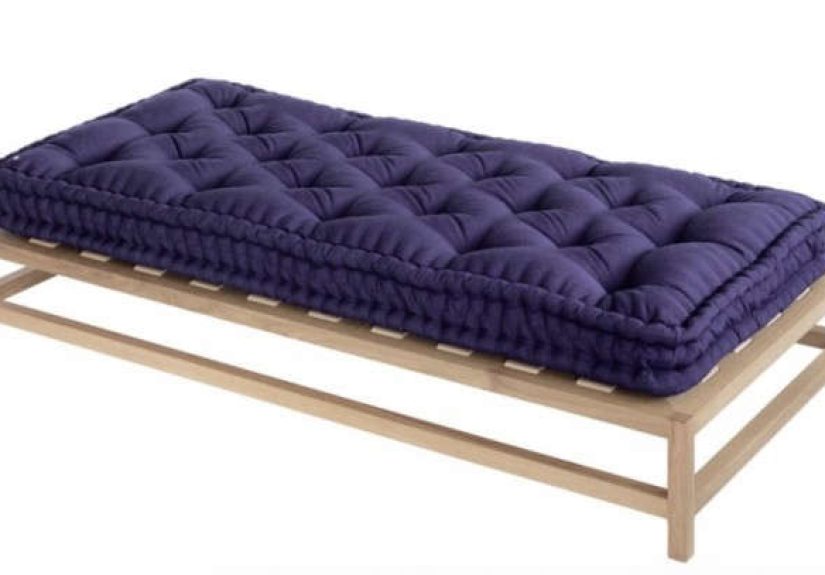
Heer’s Keil Daybed is a luxury handcrafted daybed associated with Swiss-German mattress and furniture maker Daniel Heer. It combines a solid wood frame, leather strapping, and a natural mattress made with traditional materials such as horsehair and wool. Unlike mass-market daybeds, which often prioritize storage drawers, metal frames, or quick assembly, the Keil Daybed focuses on craftsmanship, material purity, and long-term tactile comfort.
In design terms, it sits somewhere between a modern chaise lounge, a bench, and a minimalist guest bed. It is not trying to disguise itself as a sofa. It is not a pull-out sleeper with a hidden metal mechanism waiting to pinch your fingers. Instead, it presents the daybed in its most honest form: a horizontal place to rest, read, nap, think, scroll, recover, or pretend you are “working from home” while staring beautifully into space.
The Design Idea Behind the Keil Concept
The Keil series is built around the idea of locking components together with a wedge. This is an old craft principle, but Heer gives it a contemporary architectural presence. The beauty of the concept is that it reduces dependence on glue, nails, screws, and unnecessary hardware. The structure becomes both practical and poetic.
In the Keil Daybed, the frame and support system do not feel like separate parts forced into cooperation. They feel integrated. The leather straps support the mattress while also becoming part of the visual identity. The wood provides structure, warmth, and weight. The mattress softens the geometry. Together, these elements create a piece that feels grounded but never heavy.
Why the Wedge Matters
The wedge detail is more than a design gimmick. It reflects a broader philosophy: if materials are chosen well and joined intelligently, furniture does not need to rely on excessive industrial shortcuts. For buyers who care about natural furniture, low-intervention construction, and honest materials, this makes Heer’s Keil Daybed especially compelling.
That said, this is not rustic farmhouse furniture. The Keil Daybed is refined, restrained, and gallery-worthy. It has the quiet confidence of something that knows exactly what it is. No tufted drama. No decorative shouting. No “look at me” curves. Just excellent proportions and materials that do the talking.
Materials: Wood, Leather, Horsehair, and Wool
The strongest appeal of Heer’s Keil Daybed is its material story. Many modern beds and sofas are built from layers of foam, metal hardware, adhesives, synthetic batting, and upholstery that may look good at first but can age poorly. The Keil Daybed takes a different route by relying on natural materials with long histories in furniture and mattress making.
Solid Wood Frame
The daybed has been shown with an oak frame, with other wood finishes such as smoked oak and walnut also associated with the design. These woods give the piece a rich architectural quality. Oak tends to feel lighter and more Scandinavian; walnut feels moodier and more dramatic; smoked oak adds depth without becoming overly formal.
A solid wood frame also gives the daybed a sense of permanence. This is the opposite of disposable furniture. It is the kind of piece that looks as if it expects to survive several apartments, one major renovation, two design phases, and at least one person saying, “Please don’t put a coffee mug directly on that.”
Leather Strapping
The leather support system is one of the most visually memorable parts of the Keil Daybed. Leather has flexibility, strength, and a natural ability to develop character over time. In this design, the straps are not hidden away as purely functional parts. They are visible, structural, and expressive.
Leather strapping also gives the daybed a softer support profile than a rigid platform. It introduces a subtle suspension effect, helping the mattress feel integrated with the frame rather than simply placed on top of it.
Horsehair Mattress
The mattress is central to the identity of Heer’s Keil Daybed. Daniel Heer is known for working with horsehair mattresses, a traditional craft with deep European roots. Horsehair has long been valued in bedding because it is resilient, breathable, and naturally springy. It can absorb and release moisture efficiently, which helps the mattress feel dry and comfortable through changing seasons.
Unlike synthetic foam, horsehair does not create the same sinking, heat-trapping sensation. It has a lively firmness. People who love soft, marshmallow-style mattresses may find this kind of support surprising at first. People who appreciate natural structure, breathability, and a more grounded sleeping surface may find it deeply satisfying.
Wool Layering
Wool adds softness, temperature regulation, and natural comfort. It has been used in bedding for centuries because it helps manage warmth without feeling clammy. In a daybed, this matters because the piece may be used in many ways: sitting with a book, stretching out after lunch, hosting an overnight guest, or serving as a design anchor in a quiet room.
Together, horsehair and wool create a mattress experience that feels very different from common foam daybed mattresses. It is more breathable, more traditional, and more connected to handcraft.
Why Heer’s Keil Daybed Stands Out
Most daybeds are marketed around convenience. They promise storage, extra sleeping space, or a compact solution for small rooms. Heer’s Keil Daybed plays a different game. It is not trying to be the cheapest daybed, the most hidden guest bed, or the easiest flat-pack weekend project. Its value comes from design integrity.
The daybed stands out because every visible part has a reason to exist. The wood is structural and beautiful. The leather is supportive and sculptural. The mattress is handmade and material-driven. The wedge principle gives the design an intellectual backbone. Nothing feels accidental.
A Luxury Daybed for Design-Focused Homes
Heer’s Keil Daybed is best suited for interiors where furniture is allowed to breathe. It would look natural in a minimalist loft, a calm guest room, a refined home office, a modern cabin, or a living room with warm plaster walls, linen curtains, and a suspiciously perfect ceramic vase.
Because the design is open and low, it does not visually crowd a room. This is important for smaller spaces. A bulky sofa bed can dominate a room even when it is closed. A daybed like this remains visually light, especially when styled with restraint.
Daybed vs. Sofa Bed: Where the Keil Daybed Fits
A daybed and a sofa bed solve related but different problems. A sofa bed is usually designed to function as a couch first and a bed second. It often includes a fold-out mechanism hidden inside the frame. That makes it useful for frequent overnight guests, especially when the room needs to look like a living room during the day.
A daybed is more open and immediate. The sleeping surface is already present, which makes it easier to use for lounging, reading, napping, or occasional sleeping. Heer’s Keil Daybed belongs firmly in the second category. It is not a hidden bed. It is a visible invitation to slow down.
For someone furnishing a studio apartment, a daybed can act as both seating and sleeping space. For someone with a home office, it can turn the room into a guest space without adding a bulky pull-out sofa. For someone with a large living room, it can create a relaxed secondary seating zone near a window or bookshelf.
How to Style Heer’s Keil Daybed
The best styling approach is to respect the daybed’s quiet confidence. Too many pillows, throws, or decorative accessories can bury the very details that make it special. This is not the place for eleven novelty cushions and a blanket that says “Nap Queen,” even if the sentiment is accurate.
Keep the Palette Natural
Use colors that echo the materials: cream, oatmeal, charcoal, tobacco, clay, olive, walnut, and soft black. These tones support the daybed’s natural character without competing with it. A linen throw, a wool blanket, or a single long bolster can add comfort while keeping the look sophisticated.
Choose the Right Location
Place the daybed where its silhouette can be seen. A window wall, reading corner, gallery-like hallway, or open-plan living space can work beautifully. Avoid cramming it between oversized furniture pieces. The Keil Daybed needs breathing room, not because it is fussy, but because its details deserve to be noticed.
Add Practical Lighting
A floor lamp or wall-mounted reading light makes the daybed more useful. Without lighting, it becomes an expensive place to lose your phone in the folds of a blanket. With lighting, it becomes a genuine reading and resting zone.
Who Should Consider Heer’s Keil Daybed?
This daybed is best for people who value craft, natural materials, and timeless design over bargain pricing. It makes sense for collectors of modern furniture, interior designers seeking a statement piece, homeowners creating a refined guest area, and anyone who wants furniture that feels personal rather than generic.
It may not be ideal for households that need hidden storage, a budget-friendly guest bed, or a soft cushioned sofa for movie marathons. The Keil Daybed is elegant and useful, but it is not pretending to be a sectional. It is closer to functional art.
Care and Maintenance Considerations
Because the daybed uses natural materials, care matters. Wood should be protected from standing moisture and harsh cleaning products. Leather straps may need occasional conditioning depending on climate and use. Wool and horsehair bedding should be aired regularly so the materials can release moisture and maintain freshness.
Rotating the mattress can help even out wear. Using a breathable cover may protect the surface without trapping heat. For homes with pets, claws and leather strapping may require extra caution. A cat may look at this daybed and see a luxury scratching thesis. The owner will see a design emergency.
Experience Notes: Living With a Daybed Like Heer’s Keil Daybed
The everyday experience of a daybed like Heer’s Keil Daybed is less about dramatic transformation and more about subtle usefulness. It changes how a room behaves. A chair encourages sitting upright. A sofa encourages conversation. A bed suggests sleep. A daybed, especially one with this kind of open, architectural form, invites a more flexible rhythm. You can sit sideways with a laptop, stretch out with a book, host a guest, or simply use it as a visual pause in a busy home.
In a home office, the experience can be especially rewarding. During the workday, the daybed becomes a quiet background piece that softens the room. It makes the office feel less like a productivity cave and more like an actual living space. After work, it becomes a place to decompress without fully relocating to the bedroom. That separation matters. It gives the room a second identity.
In a guest room, the Keil Daybed concept works best when the room is not used for guests every week. It is ideal for occasional hosting, reading, meditation, or afternoon rest. The natural mattress materials create a firmer, more breathable feel than many foam-based guest beds. Guests who prefer plush hotel mattresses may notice the difference, but many will appreciate the support and freshness of the materials.
In a living room, the daybed functions almost like a bridge between seating and sculpture. People may not immediately flop onto it the way they would with a big sofa. Instead, they notice it first. They ask about it. They run a hand over the leather or wood. Then, once the room relaxes, it becomes the best seat in the house for quiet lounging. That is the charm: it starts as a design object and slowly becomes part of daily life.
The biggest adjustment is styling discipline. A daybed like this does not need much. One blanket, one bolster, maybe a small side table. Overdecorating it can make the piece feel less special. Underdecorating it, however, can make it look museum-like and untouchable. The sweet spot is warmth with restraint.
The second adjustment is expectation. This is not storage furniture. It will not hide winter bedding, board games, or the mystery cables everyone owns but nobody identifies. Its job is comfort, beauty, and flexible lounging. For the right home, that is more than enough.
Final Thoughts on Heer’s Keil Daybed
Heer’s Keil Daybed is not simply a place to lie down. It is a study in craft, material intelligence, and restraint. Its wedge-based construction, natural mattress materials, leather support, and solid wood frame make it a standout in the world of modern daybeds.
For buyers who want maximum storage or a low-cost guest solution, there are more practical options. But for those who value handmade furniture, natural comfort, and timeless design, Heer’s Keil Daybed offers something rare: a piece that feels both functional and soulful. It is quiet luxury without the logo gymnastics.
In a market full of furniture that looks good for one season and tired by the next, the Keil Daybed feels built for a longer conversation. It asks you to slow down, notice the materials, and enjoy the simple pleasure of a well-made place to rest. Honestly, that is not a bad philosophy for furnitureor for life.