Table of Contents >> Show >> Hide
- Why retinol keeps stealing the skincare spotlight
- What a $10 Amazon retinol serum usually offers
- What retinol can really do for wrinkles
- How to tell whether the serum is actually worth buying
- How to use a wrinkle-reducing retinol serum without irritating your skin
- Who should be cautious with retinol
- What kind of results should you expect?
- Is a $10 retinol serum at Amazon a good deal?
- Extra experience-based insights: what using a budget retinol serum is often really like
- Editorial note on source synthesis
- Conclusion
Note: Amazon prices can change faster than your group chat mood, so the “$10” price point may vary by seller, size, coupon, and timing. This article is written for web publication and synthesizes real guidance commonly covered by reputable U.S. dermatology, health, and beauty sources. It does not replace medical advice.
There are few phrases in the beauty universe more powerful than “retinol serum on sale.” Add “$10 at Amazon,” and suddenly people who came online for paper towels are deep in a skincare spiral, comparing ingredients like they’re choosing a college major. Fair enough. Retinol has earned its reputation as one of the most talked-about ingredients for smoothing fine lines, improving skin texture, and helping tired-looking skin look a little more awake.
But let’s get one thing straight right away: no over-the-counter serum is a magic wand. A budget retinol serum can absolutely be worth buying, especially for beginners, but it works best when the formula is well-made, the concentration is sensible, and you use it correctly. In other words, the serum matters, but your routine matters too. Slathering on retinol like frosting and then wondering why your face feels like sandpaper is not the kind of glow-up most people are chasing.
That is exactly why affordable retinol serums keep showing up in shopping stories and skincare roundups. They promise a lot of what people want most: smoother-looking skin, fewer visible fine lines, a brighter tone, and a more polished texture without department-store pricing. And when one lands around the $10 mark on Amazon, it hits the sweet spot between “interesting impulse buy” and “not financially reckless.”
So, is a $10 wrinkle-reducing retinol serum actually worth the cart space? In many cases, yes. The better question is this: what should you realistically expect, how should you use it, and how do you tell the difference between a smart bargain and a tiny bottle of regret? Let’s break it down.
Why retinol keeps stealing the skincare spotlight
Retinol is a vitamin A derivative, and it has been a skincare celebrity for good reason. Dermatologists and skin experts frequently point to retinoids as some of the most studied topical ingredients for signs of aging. Over time, retinol can help speed up skin cell turnover and support smoother, firmer-looking skin. Translation: it is one of the few ingredients that gets people excited for reasons beyond pretty packaging and dramatic before-and-after lighting.
When used consistently, retinol may help reduce the appearance of fine lines, soften rough texture, and improve uneven tone. Some formulas are also used by people dealing with clogged pores or post-breakout marks, which gives retinol a kind of overachiever status in the skincare world. It’s not unusual for one small bottle to aim at wrinkles, dullness, and texture all at once.
That said, retinol is not the ingredient for instant gratification. You are not likely to wake up after one night and gasp at your reflection like you just discovered a hidden filter. Results usually take time. Think weeks, not hours. Steady use, patience, and sunscreen are part of the deal.
What a $10 Amazon retinol serum usually offers
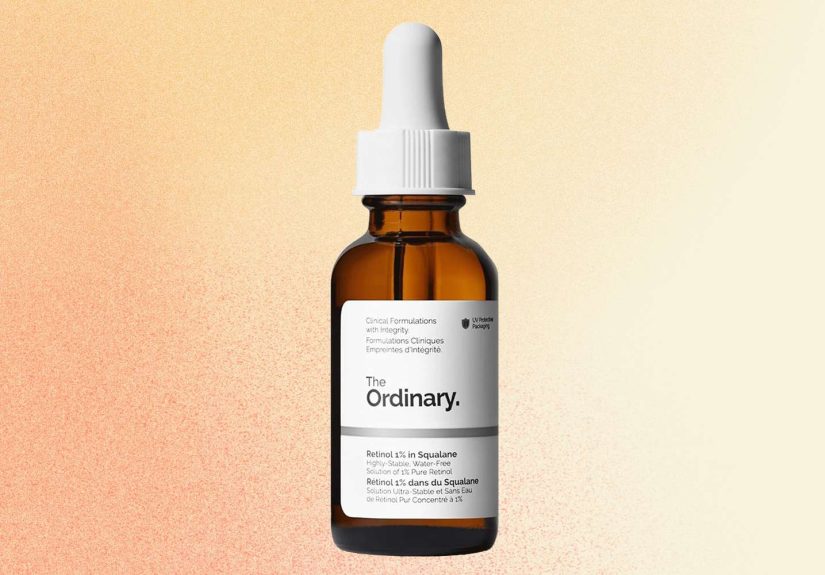
When an Amazon retinol serum drops into the $10 range, it is usually playing in the beginner-friendly lane. That can actually be a good thing. Lower-cost serums often feature modest retinol levels or gentler delivery systems designed for people who are new to the ingredient. A simple formula with a mild strength may not sound flashy, but for many faces, it is smarter than jumping into the deep end with a product your skin barrier will immediately file a complaint about.
Affordable serums in this category are often paired with hydrating or cushioning ingredients such as squalane, hyaluronic acid, glycerin, ceramides, aloe, or niacinamide. Those supporting ingredients matter. Retinol gets the headlines, but the rest of the formula often determines whether the product feels manageable or whether your cheeks start auditioning for a desert documentary.
In practical terms, a budget-friendly retinol serum can be a strong option if you want to:
- Try retinol without spending luxury-serum money
- Ease into anti-aging skincare
- Target early fine lines and rough texture
- Build a nighttime routine with one active ingredient at a time
The catch is that price alone does not tell you whether a serum is good. A $10 product can be an excellent starter buy, or it can be all marketing, no substance. That’s why looking at texture, packaging, formula support, and directions matters almost as much as the retinol label itself.
What retinol can really do for wrinkles
It helps soften the look of fine lines
Retinol is best known for helping reduce the appearance of early fine lines, especially those caused by sun exposure and normal aging. It does not “erase” wrinkles in the way a clickbait headline might suggest, but it can make lines look less noticeable with consistent use.
It improves skin texture
If your skin looks a little uneven, rough, or dull, retinol can help refine that texture over time. This is one reason people often say their skin looks smoother before they say it looks younger. Texture changes can sometimes show up before deeper lines visibly improve.
It can brighten tone
Because retinol supports skin turnover, it may help faded post-acne marks and uneven tone look more balanced over time. It is not a spotlight and your face is not a stage, but it can help bring back some clarity when skin looks tired and uneven.
It works best when you stop expecting miracles
This is the boring-but-useful truth. The best wrinkle-reducing retinol serum is not necessarily the strongest one. It is the one you can actually use consistently without quitting after four nights of stinging, peeling, and dramatic self-reflection.
How to tell whether the serum is actually worth buying
If a retinol serum is selling for around $10 on Amazon, look beyond the price tag. A smart buy usually checks several boxes.
- Opaque or protective packaging: Retinol is sensitive to light and air, so packaging matters.
- A formula with supportive ingredients: Hydrators and barrier-friendly ingredients can make the product easier to tolerate.
- Clear directions: A good serum should explain how often to use it and how to introduce it gradually.
- Reasonable claims: If the listing sounds like it was written by a motivational speaker trapped in a marketing department, be cautious.
- A beginner-friendly feel: Lower strength does not mean weak; it often means wearable.
Another clue is whether the formula seems designed for nighttime use and paired with simple instructions. The best budget retinol serums usually do not try to be twelve products at once. They know their job. They show up, do the work, and ideally do not start a riot on your forehead.
How to use a wrinkle-reducing retinol serum without irritating your skin
This is where many promising skincare journeys take a sharp and flaky turn. Retinol is effective, but it rewards restraint.
Start slow
Begin with two nights a week. If your skin handles that well for a couple of weeks, move to every other night. If all goes smoothly, you can increase from there. The goal is not speed. The goal is consistency.
Use a pea-size amount
Yes, really. A pea-size amount is enough for the entire face. More product does not mean better results. It mostly means you are paying extra to annoy your skin faster.
Apply it at night
Most retinol products are designed for nighttime use. Cleanse, let your skin dry, apply the serum, and follow with moisturizer. If your skin is sensitive, you can even use the “sandwich” method: moisturizer, retinol, moisturizer.
Do not mix too many strong actives at once
If you are new to retinol, avoid stacking it with aggressive exfoliating acids, scrubs, or other potentially irritating treatments on the same night. Your face is skin, not a chemistry fair.
Wear sunscreen every morning
This is non-negotiable. Retinol and sun care belong together. If you are trying to improve signs of aging while skipping sunscreen, you are basically mopping the floor while the sink is still overflowing.
Who should be cautious with retinol
A $10 Amazon serum may be accessible, but retinol is not for absolutely everyone. People with very sensitive skin, eczema-prone skin, or an already irritated skin barrier may need to go slowly or avoid it until the skin calms down. If you are pregnant, trying to conceive, or breastfeeding, it is smart to ask your clinician before using retinoid products. And if you are already using prescription acne or anti-aging treatments, it is worth checking that your routine makes sense before adding another active ingredient.
If your skin reacts with intense burning, swelling, severe peeling, or persistent discomfort, back off and talk to a dermatologist. A little dryness can happen at the start. Full-face drama is not the goal.
What kind of results should you expect?
Here’s the realistic version, which is much less cinematic than marketing copy but far more useful. In the first few weeks, you may notice smoother texture or slightly brighter-looking skin. Over a couple of months, fine lines may begin to look softer and overall tone can appear more even. Deeper wrinkles will not vanish, but skin can look healthier, fresher, and more refined.
The biggest difference often comes from routine, not hype. A modest retinol serum used regularly, paired with a gentle cleanser, moisturizer, and daily sunscreen, can outperform a fancy bottle that lives in your bathroom cabinet because it scared you after one use.
Is a $10 retinol serum at Amazon a good deal?
For the right shopper, absolutely. A budget retinol serum can be a practical entry point into anti-aging skincare, especially if you are targeting early fine lines, uneven texture, or dullness and you do not want to spend a small fortune. The real value is not just that it is inexpensive. It is that it makes a proven ingredient more approachable.
Still, smart expectations matter. A $10 serum is not a substitute for in-office treatments, prescription-strength retinoids, or years of religious sunscreen use. What it can do is give you a realistic, low-cost way to start building a routine that supports smoother, healthier-looking skin over time.
And honestly, there is something deeply satisfying about finding a product that feels luxurious enough to use nightly while costing less than takeout. Beauty may not be all about bargains, but a good one certainly does not hurt.
Extra experience-based insights: what using a budget retinol serum is often really like
Now for the part people actually care about once the ingredient science is out of the way: what does it feel like to live with one of these $10 Amazon retinol serums? In many cases, the first experience is surprisingly underwhelming, and that is not a bad sign. The texture is usually light, silky, or slightly oily depending on the formula. Some are water-based and disappear quickly. Others have a slip that makes your skin feel immediately softer, which can trick you into thinking dramatic anti-aging success has already arrived. It has not. That is just texture doing what texture does.
Week one is often about routine, not results. People start strong, admire their own discipline, and then wonder why nothing major has happened by night three. That is normal. With retinol, the early victory is simply tolerating it well. If your skin feels calm, moisturized, and not personally offended, you are doing better than a lot of beginners.
By weeks two to four, common experiences start to split into two camps. One group notices smoother skin and a subtle glow. Makeup may sit a little better. Forehead texture may look more even. The second group notices dryness around the nose, chin, or corners of the mouth and realizes they got a little too ambitious. This is the classic retinol learning curve. It usually does not mean the product is bad. It means the routine needs adjusting. Less frequent use, more moisturizer, and fewer other actives often solve the problem.
By the six- to eight-week mark, people who stick with it often report the most believable benefits: skin looks a bit fresher, fine lines seem less sharp, and the overall tone looks more even. Nobody is mistaking themselves for a filtered selfie in perfect golden-hour light, but the skin often looks more polished. That is where affordable retinol serums can really shine. They may not deliver overnight drama, but they can produce the kind of steady improvement that makes you keep reaching for the bottle.
Another common experience is becoming unexpectedly loyal to a low-cost product. Plenty of shoppers buy a $10 serum as a temporary experiment, then keep repurchasing it because it fits their skin, their budget, and their patience level. That is the thing about skincare: the “best” product is often not the trendiest or most expensive one. It is the one you will actually use correctly and consistently.
Of course, not every budget serum becomes a forever favorite. Some feel too greasy, some pill under moisturizer, and some just do not seem to do much. But when a low-cost retinol formula hits the sweet spot, it becomes the skincare equivalent of finding jeans with real pockets. You were not expecting a miracle, and yet here you are, weirdly emotional about it.
So yes, the experience of using a wrinkle-reducing retinol serum from Amazon can be genuinely positive, especially when expectations are realistic. Start slow, moisturize like you mean it, wear sunscreen every day, and judge the serum after consistent use, not after one dramatic bathroom-lighting inspection. That is how a simple $10 product can go from random late-night purchase to a permanent part of your routine.
Editorial note on source synthesis
This article was informed by commonly reported guidance and ingredient information covered by reputable U.S.-based sources such as the American Academy of Dermatology, Mayo Clinic, Cleveland Clinic, MedlinePlus, Harvard Health Publishing, Mount Sinai, Johns Hopkins Medicine, the American Society for Dermatologic Surgery, the National Institute on Aging, Health, Allure, Good Housekeeping, and Prevention. Source links are intentionally omitted for clean web publishing, per request.
Conclusion
A wrinkle-reducing retinol serum that sells for around $10 on Amazon can be a surprisingly smart skincare buy, especially for beginners who want smoother-looking skin without luxury-level pricing. The trick is not treating it like a miracle bottle. Treat it like a solid long-game ingredient. Use a small amount, start slowly, moisturize generously, wear sunscreen every day, and give it enough time to work. Done right, a humble budget serum can become one of the most useful products in your nighttime lineup.