Table of Contents >> Show >> Hide
- Why White Oak Has Become the Designer Favorite
- What White Oak Flooring Looks Like
- Why White Oak Works So Well in Modern Homes
- Is White Oak Flooring Durable?
- White Oak vs. Red Oak: What Is the Difference?
- The Best Finishes for White Oak Flooring
- Where White Oak Flooring Works Best
- Common Mistakes to Avoid with White Oak Floors
- How to Style White Oak Floors
- Will White Oak Flooring Stay in Style?
- Experiences Homeowners and Designers Commonly Have with White Oak Flooring
- Conclusion
Some flooring trends arrive with a lot of fanfare and leave just as quickly. Remember the gray-washed plank era? It had a good run. But white oak has done something much harder: it has stayed desirable while also evolving with the times. Designers love it, homeowners keep choosing it, and contractors hear the same request over and over again: “Can we do white oak?”
That popularity is not an accident. White oak flooring hits a rare sweet spot between beauty, durability, and flexibility. It can look warm or cool, modern or traditional, minimal or layered. It works with wide planks, herringbone patterns, matte finishes, and natural stains. In other words, it is the overachiever of the flooring world, but without making the rest of the room feel bad about itself.
If you are wondering why white oak flooring is suddenly everywhere, or whether it is worth the hype, the answer is pretty simple: it fits the way people want their homes to feel right now. Today’s interiors lean natural, relaxed, textured, and quietly luxurious. White oak checks every one of those boxes without screaming for attention.
Why White Oak Has Become the Designer Favorite
White oak flooring has become a go-to choice because it offers what many trendy materials do not: range. Its grain is typically more subtle and refined than red oak, and its undertones are generally more neutral. That means it can sit comfortably in a Scandinavian-inspired room, an organic modern space, a classic colonial home, or a cozy transitional interior without looking out of place.
Designers also love that white oak can be customized without losing its personality. Leave it natural and it feels airy and relaxed. Add a soft matte finish and it looks upscale without feeling fussy. Give it a medium brown stain and suddenly it becomes richer and more traditional. Want something more tailored? Rift- and quarter-sawn white oak brings a straighter, cleaner grain that feels especially polished in contemporary homes.
Another reason white oak keeps winning is that it plays very nicely with other materials. It looks beautiful next to plaster walls, marble counters, limestone fireplaces, black steel windows, brushed brass hardware, and warm paint colors. Basically, white oak is the flooring equivalent of the friend who gets along with everyone at the party.
What White Oak Flooring Looks Like
White oak is usually light to medium brown, with beige, taupe, honey, or even faint gray undertones depending on the cut and finish. Unlike red oak, which often carries pink or reddish undertones, white oak tends to read more neutral. That neutrality is a big reason it works so well in current interiors.
The grain is another major part of the appeal. White oak has visible character, but it is not overly busy. It gives you texture without visual chaos. In a room with open sightlines, that matters. Flooring covers a huge surface area, so a calmer grain can make the whole space feel more cohesive.
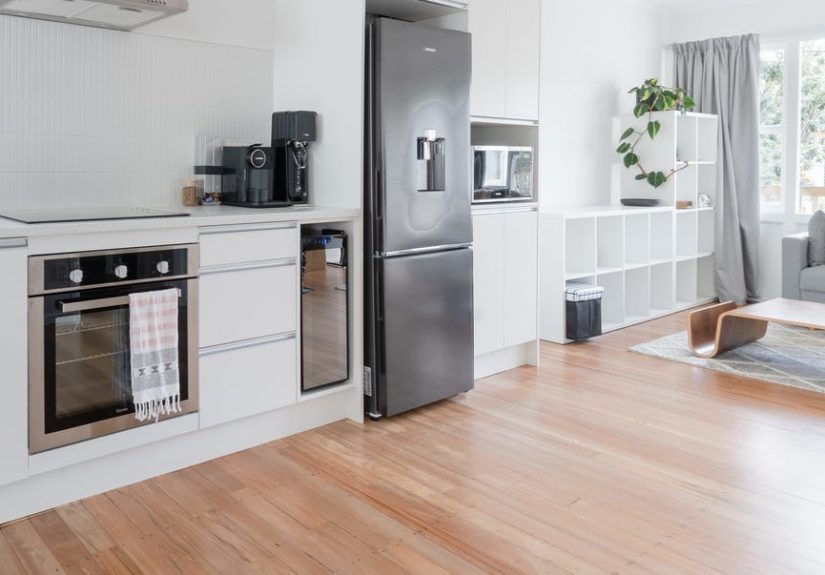
Many designers prefer wide-plank white oak flooring because it emphasizes the wood’s natural movement and can make rooms appear larger and more serene. Wide planks also create a more custom, high-end look. Pair that with a low-sheen finish, and white oak starts to feel less like a passing trend and more like a long-term design decision.
Why White Oak Works So Well in Modern Homes
1. It feels natural without looking rustic
People want homes that feel warm and inviting, but not overly themed. White oak delivers organic texture without forcing a farmhouse moment. It can look clean, grounded, and sophisticated all at once.
2. It brightens a room without going pale and precious
Very light floors can sometimes look stark, and very dark floors can feel heavy. White oak lands in the middle. It reflects light nicely, helps rooms feel open, and still has enough depth to feel substantial.
3. It ages gracefully
Some flooring choices look “of the moment” in a way that becomes painfully obvious five years later. White oak tends to age more gracefully because its look is rooted in natural wood character rather than novelty. That makes it a smarter investment for homeowners who want longevity.
4. It supports layered design
Because the wood is not overly orange, yellow, or red, it gives you more freedom with wall color, cabinetry, rugs, and furniture. Want creamy whites? Great. Earthy greens? Also great. Warm terracotta, moody blue, mushroom taupe, charcoal, black accents? White oak can handle the assignment.
Is White Oak Flooring Durable?
Yes, and that is one reason professionals keep recommending it. White oak is a durable domestic hardwood and is slightly harder than red oak on the Janka hardness scale. That makes it a solid choice for everyday living, including active households with kids, guests, pets, and furniture that somehow always gets dragged instead of lifted.
Its structure also contributes to its appeal. White oak has a tighter cellular structure than red oak, which is one reason it is often described as more moisture-resistant. That does not mean waterproof. Let’s not get carried away. White oak is still wood, and wood still dislikes standing water, repeated soaking, and wild indoor humidity swings. But compared with some alternatives, white oak offers a little more forgiveness.
That balance of durability and beauty is exactly why it shows up so often in kitchens, living rooms, dining rooms, hallways, and bedrooms. It can handle traffic while still looking refined, which is a pretty impressive trick.
White Oak vs. Red Oak: What Is the Difference?
White oak and red oak are close cousins, but they do not look or behave exactly the same. Red oak usually has warmer, pinker, or redder undertones and a more pronounced grain pattern. White oak tends to look more muted, more neutral, and often a little more modern.
In practical terms, white oak is typically the preferred choice when homeowners want a softer, more contemporary palette. It is also often selected when designers are trying to avoid undertones that clash with cabinetry, wall paint, or adjacent woodwork.
That said, red oak is not “bad.” It is classic, widely available, and has plenty of fans. But if the design goal is current, calm, versatile, and upscale, white oak usually comes out ahead. It is the quieter sibling with excellent taste.
The Best Finishes for White Oak Flooring
If white oak is the star, the finish is the lighting designer. It changes everything.
Natural and clear finishes
One of the strongest current looks is natural white oak with a clear, low-luster finish. This approach highlights the wood’s actual tone and texture instead of masking it under heavy pigment. The result feels relaxed, modern, and timeless.
Matte and satin sheens
Glossy floors are losing ground to matte and satin finishes. Low-sheen coatings make white oak feel more natural and also tend to be a little more forgiving when it comes to showing dust, smudges, and minor scratches. They create the “expensive but approachable” look designers love.
Soft warm stains
Some homeowners still want a bit more depth than raw or nearly raw white oak provides. Soft honey, taupe, blonde, and light brown stains are popular because they warm up the wood without pushing it into orange territory.
Textured surfaces
Wire-brushed or lightly textured white oak adds tactile character and can help disguise the little signs of life that appear over time. If you have a busy household, that can be a huge plus.
Where White Oak Flooring Works Best
Living rooms and family rooms
White oak creates a calm, flexible backdrop for everything from vintage rugs to oversized sectionals. It helps large spaces feel cohesive and smaller spaces feel brighter.
Kitchens
Yes, white oak can work beautifully in kitchens, especially when properly finished and maintained. It pairs wonderfully with painted cabinetry, natural wood cabinets, and stone counters. Just remember that kitchens are splash zones, not meditation retreats. Wipe spills promptly and do not assume wood has magical waterproof powers.
Bedrooms
Bedrooms benefit from white oak’s warmth and softness. It adds comfort visually, even before a rug enters the chat.
Home offices
White oak is excellent in offices because it feels polished without being sterile. It also complements the built-ins, desks, and shelving that are so popular in work-from-home spaces.
Basements and lower levels
In below-grade areas, engineered white oak is often the smarter move than solid hardwood because engineered products are generally more dimensionally stable in spaces with humidity fluctuations. That still does not make them flood-proof, but it can make them more practical in certain environments.
Common Mistakes to Avoid with White Oak Floors
Choosing the wrong undertone
Not all white oak looks the same. Some boards lean beige, some lean taupe, and some finishes bring out more warmth than expected. Always test samples in the actual room with morning and evening light before making a final decision.
Going too raw in a high-traffic home
Ultra-light, raw-looking floors are gorgeous, but they can show more dirt, dust, footprints, and scuffs in real life. A slightly warmer or more forgiving finish may save your sanity.
Ignoring humidity and acclimation
Wood flooring needs proper installation conditions. If the planks are not acclimated correctly, or if the home’s humidity levels swing wildly, gaps, cupping, or movement can happen later. Flooring is beautiful, but it also believes in science.
Assuming all engineered products are equal
Engineered white oak ranges from excellent to “that looked better online.” Pay attention to wear-layer thickness, construction quality, finish type, and whether the product can be refinished.
How to Style White Oak Floors
The easiest way to make white oak flooring shine is to work with its natural warmth instead of fighting it. Pair it with creamy whites, warm grays, greige, olive, clay, muted blue, soft black, and earthy browns. Add texture through linen curtains, wool rugs, boucle seating, leather accents, and aged metals.
If your style leans modern, keep the floor natural and the furniture clean-lined. If your style is more traditional, layer in richer woods, antique furniture, and patterned rugs. If your style is somewhere between “organic minimalist” and “I bought this vase because it looked expensive,” white oak is still on your side.
Will White Oak Flooring Stay in Style?
White oak may be trendy right now, but it is not trendy in a flimsy way. It is popular because it aligns with broader, longer-lasting design preferences: natural materials, warmer interiors, timeless finishes, and adaptable palettes. Even as darker woods re-enter the design conversation, white oak remains one of the safest and smartest hardwood choices for a home that needs to feel current now and attractive later.
That is probably the best argument in its favor. White oak does not just look good in reveal photos. It looks good in real life, on regular Tuesday mornings, with sunlight across the floor and coffee in your hand. And honestly, that is the kind of design success most people are after.
Experiences Homeowners and Designers Commonly Have with White Oak Flooring
One of the most common experiences people report after installing white oak flooring is that the entire house feels calmer. That may sound dramatic for a pile of planks, but flooring takes up so much visual space that changing it can completely reset the mood of a room. Homes that once felt choppy, dark, or dated often feel brighter and more connected after a white oak installation, especially in open-concept layouts where the same flooring runs through multiple rooms.
Another recurring experience is surprise at how flexible white oak is once furniture goes back in. Homeowners sometimes worry that a neutral wood floor will feel boring. Then they move their sofa in, unroll a rug, hang art, and realize the floor is doing exactly what a good floor should do: supporting the whole room without stealing the spotlight. Designers often love this quality because it gives them room to layer textiles, vintage pieces, painted cabinets, stone surfaces, and statement lighting without making the space feel chaotic.
Many people also notice that white oak changes subtly throughout the day. In morning light, it can look airy and blonde. In afternoon sun, it may turn warmer and more golden. At night, under lamps, it often reads softer and richer. That shifting quality is part of the charm. It feels alive in a way that flatter, more artificial-looking flooring often does not.
Of course, real-life experience also includes reality checks. Homeowners with dogs, children, or heavy foot traffic often learn that the finish matters as much as the species. A matte or satin finish with a bit of texture tends to wear more gracefully than a super-flat, ultra-pale treatment that shows every paw print and snack crumb. White oak is durable, but it is not invincible, and the people happiest with it usually understand that the goal is a floor that ages beautifully, not a floor that stays frozen in showroom perfection forever.
There is also a practical side to the experience. People frequently describe white oak as easier to decorate around than floors with strong orange, red, or yellow undertones. That means when paint colors change, or a homeowner swaps out furnishings a few years later, the flooring does not suddenly feel wrong. This long-term adaptability is a huge reason designers keep recommending it. In renovation projects, that flexibility can protect the investment because the floor still works even when the room evolves.
For homeowners who choose engineered white oak, the experience is often tied to problem-solving. They want real wood, but they also need a product that works better with concrete slabs, radiant heat, or lower-level rooms. When they choose a good-quality engineered option, they often feel like they got the best of both worlds: the authentic surface beauty of wood with improved dimensional stability. The caveat, of course, is that product quality matters a lot, and cheaper versions rarely inspire the same love story.
Perhaps the most telling experience is this: people tend to stop second-guessing white oak once it is installed. Before the project, they debate stain colors, plank widths, and whether the look is too trendy. After the project, most of that disappears. What remains is a floor that feels warm, grounded, easy to live with, and remarkably versatile. That is not just a trend. That is the kind of experience that turns a popular material into a lasting favorite.
Conclusion
White oak flooring has become one of the most loved choices in residential design because it balances style and substance better than almost any other hardwood on the market. It is neutral without being bland, durable without feeling industrial, and timeless without looking old-fashioned. Designers love it because it works with nearly everything. Homeowners love it because it makes rooms feel brighter, warmer, and easier to live in.
If you want flooring that feels current but still makes sense five, ten, or fifteen years from now, white oak is an exceptionally strong choice. It is not just the hottest flooring trend designers love. It is one of the rare trends that actually deserves the attention.