Table of Contents >> Show >> Hide
- Table of Contents
- Choose the Right Recirculation Setup
- Tools, Parts, and Safety Prep
- Install a Retrofit (Crossover) Hot Water Recirculation Pump
- Install a Dedicated Return-Line Recirculation Pump
- Timers, Thermostats, Smart Controls
- Testing, Purging Air, and Dialing It In
- Troubleshooting (Common “Uh-Oh” Moments)
- Maintenance and Efficiency Tips
- Conclusion
- Real-World Experiences and Lessons (Extra)
Ever stood at the sink waiting for hot water long enough to question your life choices? A hot water recirculation pump is basically a tiny, polite bouncer that keeps warm water near your faucetsso you don’t waste gallons down the drain while your pipes “warm up emotionally.”
This guide walks you through installing a hot water recirculation pump the right way, with clear steps for both common setups: dedicated return-line systems (best performance) and retrofit/crossover systems (best for existing homes with no return line). Along the way, we’ll cover tools, safety, troubleshooting, and how to avoid the classic “why is my cold water suddenly lukewarm?” surprise.
Choose the Right Recirculation Setup
Before you touch a wrench, figure out which system you have (or want). This decision controls everythingpump location, valves, and whether your “cold” line will briefly act like a warm-up comedian.
Option A: Dedicated Return Line (Best Performance)
If your home has a hot water return line, a recirculation loop can send cooled hot water back to the water heater for reheating. You get fast hot water at fixtures without mixing into the cold line. This setup is common in some newer builds and larger homes.
- Pros: Fast hot water, minimal effect on cold water temperature, efficient when controlled properly
- Cons: Needs a return line (or you’ll be running new pipe)
Option B: Retrofit / Crossover Valve (Most Common DIY Retrofit)
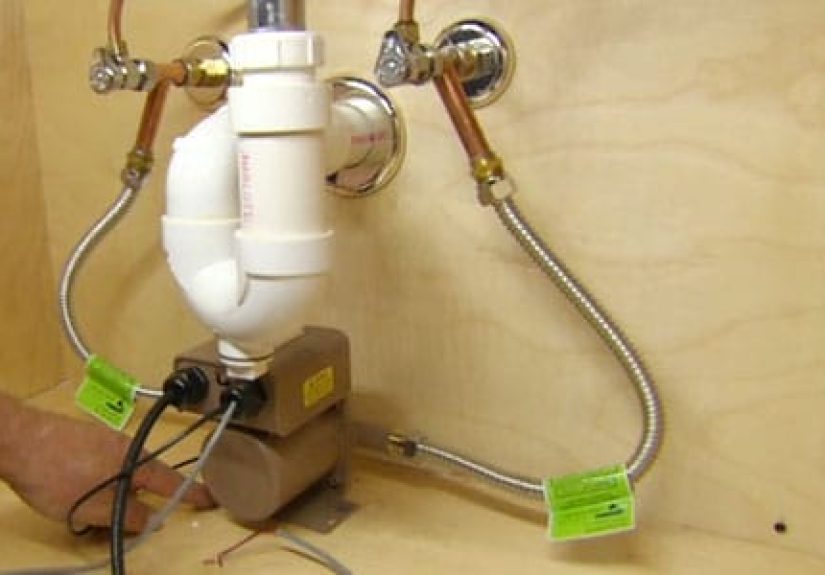
No return line? No problem. A crossover (bypass) valveusually installed under the sink farthest from the water heaterlets cooled water in the hot line cross over into the cold line until the valve senses warm water and closes. The pump typically mounts at the water heater.
- Pros: Great for existing homes, usually no wall-opening pipe work
- Cons: Cold line can be briefly warm near the far fixture; performance depends on placement and valve behavior
Quick Compatibility Reality Check
Tank water heaters are usually straightforward. Tankless water heaters vary: some have built-in recirculation logic or need specific accessory kits and configuration. Don’t “wing it” with tankless recircfollow your heater manufacturer’s recirculation mode instructions.
Tools, Parts, and Safety Prep
Typical Tools
- Adjustable wrench or two (because pipes enjoy teamwork)
- Channel-lock pliers
- Bucket, towels, and a mild sense of optimism
- Teflon tape (PTFE) or thread sealant (as recommended)
- Screwdriver (for mounting and timer setup)
- Flashlight or headlamp (a.k.a. “under-sink sun”)
Typical Parts (Usually in a Kit)
- Circulation pump (often with union fittings)
- Check valve or built-in non-return valve (prevents backflow)
- Timer and/or thermostat control
- Crossover (thermal bypass) valve (for retrofit systems)
- Flexible supply lines/adapters (varies by kit)
Safety First (Seriously)
- Turn off power to the water heater at the breaker (electric) or set gas control to pilot/off as appropriate.
- Shut off water to the heater or the home’s main supply if your install requires it.
- Let water cool if you’ve been running hot waterscalding is not a DIY badge of honor.
- Plan for a small spill: depressurize by opening a hot faucet briefly.
Install a Retrofit (Crossover) Hot Water Recirculation Pump
This is the most popular “instant hot water” upgrade for existing homes. In most kits, the pump mounts at the water heater and the crossover valve installs under the farthest sink.
Step 1: Identify the Farthest Fixture
Choose the sink (or sometimes a bathroom) that takes the longest to get hot water. That’s your target for the crossover valve. If you pick a closer sink, you’ll improve that sink… and leave the real problem still judging you from across the house.
Step 2: Turn Off Water and Relieve Pressure
Shut off the cold-water supply to the water heater (or the home’s main if needed). Open a hot faucet for a few seconds to relieve pressure, then close it.
Step 3: Mount the Pump at the Water Heater (Hot Outlet)
- Locate the hot water outlet at the top of the tank (typically labeled or on the hot side).
- Place a bucket under the connection and disconnect the hot outlet line (a little water will spill).
- Install the pump onto the hot outlet using the provided gasket/union fittings. Make sure the flow arrow on the pump points away from the heater (toward the house).
- Reconnect the hot outlet line to the pump’s outlet side.
Pro tip: Use two wrenchesone to hold the stationary fitting and one to turn the nutso you don’t torque your pipes like you’re opening a jar of pickles from 1997.
Step 4: Install the Crossover Valve Under the Farthest Sink
- Close the hot and cold shutoff valves under the sink (turn clockwise).
- Place a towel and a shallow container under the lines.
- Disconnect the flexible supply lines from the shutoff valves or from the faucet connection (depending on valve design).
- Install the crossover (thermal bypass) valve between the hot and cold lines as instructed by the kittypically it connects to the hot and cold supply risers under the sink.
- Reconnect the supply lines and ensure washers/gaskets are seated properly.
What the valve does: It allows “cool” water sitting in the hot line to move into the cold line until the returning water reaches a temperature thresholdthen the valve closes, so hot water stays in the hot line where it belongs.
Step 5: Restore Water and Check for Leaks
- Open the under-sink shutoff valves.
- Turn the water heater cold supply back on.
- Slowly open a hot faucet at the sink and let it run until sputtering stops (air purging).
- Inspect every connection: water heater fittings, pump unions, and under-sink valve connections.
Step 6: Plug In and Set the Controls
Most retrofit pumps plug into a standard outlet. Set the timer so the pump runs during your “hot water demand” windows (morning routines, evening dishes). If your kit includes a thermostat, sensor, or smart control, follow its calibration steps. The goal is hot water when you need itnot when everyone’s asleep and your pipes are just vibing.
Install a Dedicated Return-Line Recirculation Pump
If your home has a return line (or you’re adding one during a remodel), a dedicated loop is the cleanest system: cooled water returns to the heater without borrowing the cold line as a temporary shortcut.
Where the Pump Goes
Most dedicated systems place the pump on the return line near the water heater (or at the heater’s recirculation port if provided). Many plumbers also include isolation valves on both sides for easy service, plus a check valve to prevent reverse flow.
Step-by-Step Overview
- Shut off water and power to the heater; relieve pressure at a hot faucet.
- Locate the return line and confirm it actually returns from the hot plumbing loop (label it if your future self likes you).
- Install isolation valves (if not present) so you can service the pump without draining the world.
- Mount the pump with the flow arrow pointing toward the water heater (return direction).
- Add/confirm a check valve to prevent backflow and ghost-flow through fixtures.
- Restore water, purge air, then power the pump and verify flow.
Tankless Dedicated Recirculation: Read the Manual, Then Read It Again
Many tankless units support dedicated recirculation or crossover modes, but may require specific settings (dip switches/parameters) and approved pumps/valves. If your tankless brand offers recirculation accessories, use themtankless units can be picky, and they remember everything.
Timers, Thermostats, Smart Controls
A recirculation pump can be a heroor a tiny energy vampiredepending on how it’s controlled. Constant circulation provides fast hot water, but it can also increase heat loss from pipes. That’s why modern guidance strongly favors timers and demand-initiated controls (button, sensor, or smart scheduling).
Best Control Strategies
- Timer-only: Simple and effective. Run it for morning/evening peaks.
- Thermostat + timer: Runs only when the loop cools below a threshold during scheduled windows.
- Demand control: Push a button, trigger a motion sensor, or use a smart routine to run only when you’re about to use hot water.
Practical schedule idea: 6:00–9:00 a.m. and 6:00–10:00 p.m. is plenty for many households. If your lifestyle is more chaotic, set multiple shorter windows rather than letting it run all day.
Testing, Purging Air, and Dialing It In
How to Purge Air (Without Losing Your Patience)
Air in the lines can cause noisy operation or reduced flow. After restoring water, run a hot faucet until sputtering stops. Some pump designs allow specific venting stepsfollow your pump’s instructions if it includes a venting flange or air-bleed method.
Confirm It’s Working
- With the pump running, go to the far fixture and open hot waterhot should arrive faster than before.
- In a crossover system, expect the cold line at the far fixture to be slightly warm briefly while the bypass is active.
- Listen for loud rattling or grinding (not normal). A gentle hum is typical.
Insulate Hot Water Pipes (High ROI, Low Drama)
If your hot piping is accessible (basement, crawlspace, utility room), insulating it reduces heat loss and helps recirculation work better with less runtime. Think of it as putting a jacket on your plumbing so it stops “sharing” heat with the universe.
Troubleshooting (Common “Uh-Oh” Moments)
1) “My cold water is warm now.”
In a crossover valve system, some warming in the cold line near the far fixture can be normal during recirculation. If it stays warm for a long time:
- Verify the bypass valve is installed at the farthest sink and oriented correctly.
- Confirm the pump isn’t running 24/7 (adjust timer/thermostat).
- Make sure check valves are present/working where required.
2) “The pump is noisy.”
- Air in the system is the #1 culpritpurge again.
- Confirm the pump is mounted securely and not vibrating against a rigid surface.
- Check that valves are fully open and nothing is restricting flow.
3) “Still takes forever to get hot water.”
- Confirm the pump flow direction arrow is correct.
- Verify the crossover valve is at the actual farthest fixture (not “the sink you like best”).
- Increase scheduled runtime slightly, or use thermostat/demand control to run when needed.
- If you have a tankless heater, verify the recirculation mode/settings are correctly configured.
4) “I found a leak.”
Turn off water, dry the area, and retighten carefully. Replace washers/gaskets if damaged. Avoid overtighteningstripped threads are the DIY equivalent of stepping on a LEGO in the dark.
Maintenance and Efficiency Tips
- Inspect annually: Look for leaks, corrosion, and unusual noise.
- Keep schedules tight: The less unnecessary runtime, the better the efficiency.
- Use demand control if possible: Especially in homes where hot water usage is unpredictable.
- Consider plumbing layout improvements during remodels: Shorter pipe runs and smaller diameters can dramatically reduce wait time and wasted water.
Bottom line: A recirculation pump shines brightest when it’s used intelligentlyhot water on demand, not hot water as a 24/7 lifestyle choice.
Conclusion
Installing a hot water recirculation pump is one of those upgrades that feels smalluntil you realize you’re no longer standing at the sink doing the “waiting-for-hot-water shuffle.” Whether you install a retrofit crossover system or a dedicated return-line loop, the recipe is the same: correct placement, correct flow direction, good controls, and leak-free connections.
If your setup involves complex piping changes, tankless configuration, or you’re unsure about valves and backflow prevention, a licensed plumber can save you time and prevent expensive mistakes. But for many homeowners, a well-designed kit plus careful step-by-step work is totally doable.
SEO Tags (JSON)
Real-World Experiences and Lessons (Extra)
Here’s what tends to happen in real homesnot the perfectly staged ones where every shutoff valve turns smoothly and nobody has to crawl behind a water heater like it’s a cave expedition.
The “I Installed It… Why Is the Cold Water Warm?” Moment
Homeowners who install a crossover valve system often notice the cold water at the farthest sink can be lukewarm for a short timeespecially right after the pump has been running. That’s usually normal behavior while the bypass valve is doing its job: moving cooled water out of the hot line so hot water can arrive faster. The frustration typically comes from how long that lukewarm effect lasts. In most cases, the fix isn’t ripping everything outit’s tightening the control strategy: shorter timer windows, thermostat-based control, or demand activation so the pump isn’t circulating at random times (like 2 a.m. when the only person using water is your humidifier).
The “Farthest Fixture” Debate (A.K.A. The Great Hall Bathroom Argument)
People love to guess which sink is farthest. They are often wrong. The farthest fixture is not always the one upstairsit’s the one at the end of the plumbing run. The easiest clue is wait time: which faucet takes the longest to get hot water? If you install the crossover valve at a closer sink, you’ll get fast hot water there and still wait forever at the real problem fixture. When in doubt, time it with a stopwatch on a normal day (not when the water heater just cycled and everything is already warm).
Leaks Usually Come From One of Three Things
- Washer/gasket misalignment: A slightly crooked washer under a flex line can drip like it’s trying to Morse-code an SOS.
- Overtightening: Cranking down too hard can deform washers or damage threadstighten firmly, not angrily.
- Old shutoff valves: Sometimes you touch a crusty shutoff valve and it starts leaking out of spite. If the valve stem packing leaks, you may need to snug the packing nut or replace the valve.
The Quietest Systems Aren’t the Ones That Run the Most
Constant circulation sounds convenient, but it can increase heat loss and sometimes highlights noise issues (air, turbulence, or vibration). The setups homeowners love the most typically run only during predictable high-use periods or are triggered on demand. A well-programmed schedule feels like magic: you get hot water quickly during the morning rush and dinner cleanup, and the pump rests the rest of the day like it’s earned PTO.
A Small Upgrade That Feels Bigger Than It Is
After installation, many people report the biggest “wow” isn’t just faster hot waterit’s the way daily routines become smoother. No more letting the faucet run while you hunt for your phone, no more debating whether you can wash your hands in “almost warm,” and no more guilt about wasting water while waiting. If you insulate exposed hot-water piping and keep your pump schedule tight, the system tends to feel both comfortable and sensiblelike a smart home upgrade that doesn’t require an app, a subscription, and three firmware updates just to rinse a coffee mug.