Table of Contents >> Show >> Hide
- What Is a Stomach Ulcer, Exactly?
- So, Can an Ultrasound Detect Stomach Ulcers?
- What Test Is Best for Diagnosing a Stomach Ulcer?
- Other Tests Doctors May Use Alongside or Instead of Endoscopy
- When Ultrasound Can Still Be Helpful
- Symptoms That Should Not Be Ignored
- Ultrasound vs. Endoscopy: Which One Does What?
- What Happens After a Stomach Ulcer Is Diagnosed?
- The Bottom Line
- Real-World Experiences Related to “Can an Ultrasound Detect Stomach Ulcers?”
- SEO Tags
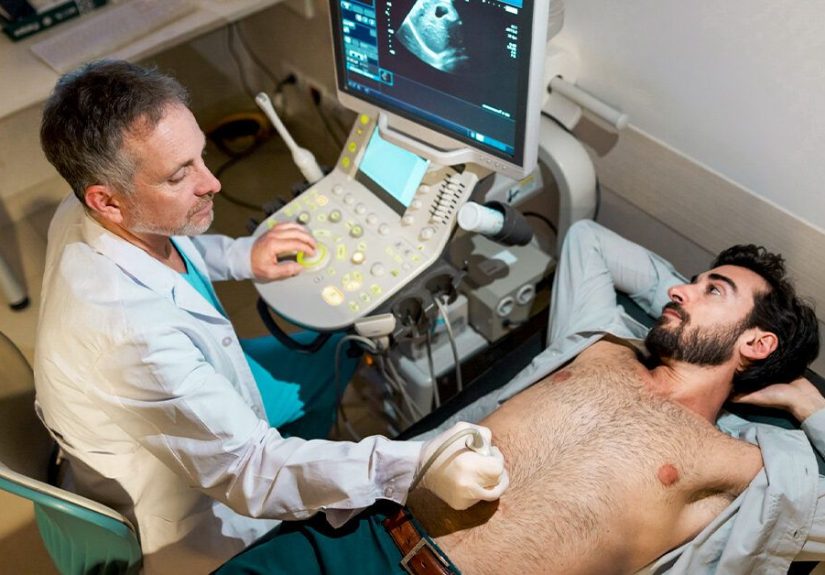
If you have upper stomach pain, nausea, bloating, or that dramatic feeling that your digestive system has declared war, you may wonder whether an ultrasound can spot the problem. It is a fair question. Ultrasound is quick, common, and wonderfully noninvasive. It can check a baby, a gallbladder, and a kidney stone with impressive efficiency. So why not a stomach ulcer too?
Here is the short version: a standard abdominal ultrasound usually does not directly diagnose stomach ulcers. In most cases, the test doctors rely on to confirm a stomach ulcer is an upper endoscopy, also called an EGD. That procedure allows a specialist to look directly at the lining of the esophagus, stomach, and duodenum. Ultrasound may still play a role in the bigger picture, but it is usually the supporting actor, not the headliner.
This matters because stomach ulcers can mimic other digestive problems. Acid reflux, gastritis, gallbladder trouble, medication irritation, pancreatitis, and even simple indigestion can all cause similar symptoms. Your belly, in other words, is not always a reliable narrator. The right test depends on what your symptoms suggest, how severe they are, and whether there are warning signs such as bleeding, vomiting, weight loss, or severe pain.
What Is a Stomach Ulcer, Exactly?
A stomach ulcer is a type of peptic ulcer. It is an open sore that forms in the lining of the stomach. A similar sore can also develop in the first part of the small intestine, where it is called a duodenal ulcer. These ulcers happen when the protective lining of the digestive tract is damaged and acid gets the upper hand.
The two most common causes are H. pylori infection and long-term use of NSAID pain relievers such as ibuprofen, naproxen, or aspirin. That means the culprit is often not spicy food, stress, or your one regrettable plate of midnight nachos. Stress and spicy meals can make symptoms worse, but they are usually not the original villain.
Common ulcer symptoms may include burning upper abdominal pain, bloating, nausea, early fullness, and discomfort that seems to come and go around meals. But some people do not have the classic symptoms at all. Others discover the problem only when an ulcer bleeds. That is one reason proper diagnosis matters so much.
So, Can an Ultrasound Detect Stomach Ulcers?
Usually, nonot a regular abdominal ultrasound. A standard abdominal ultrasound is designed to evaluate structures such as the liver, gallbladder, pancreas, bile ducts, spleen, blood vessels, and fluid collections in the abdomen. It is excellent for certain jobs. It can help find gallstones, look for inflammation, check for cysts, evaluate an enlarged organ, or help explain pain coming from nearby abdominal structures.
But stomach ulcers are different. They are surface-level sores in the stomach lining, and that lining is best evaluated by actually seeing it. Ultrasound waves passing through the abdomen do not usually give the kind of clear, direct view needed to confirm a typical gastric ulcer. Think of it this way: if you want to know whether the wallpaper inside a room is peeling, looking at the outside wall is not the best strategy.
That is why a normal abdominal ultrasound cannot reliably rule out an ulcer, and an abnormal ultrasound usually does not confirm one either. In many real-world cases, an ultrasound is ordered because symptoms like upper abdominal pain could also point to gallstones, liver disease, pancreatic inflammation, or another condition. The scan may be useful, but it is often answering a different question.
Why People Get Confused About Ultrasound and Ulcers
The confusion makes sense. Doctors sometimes use several tests when evaluating stomach pain, and ultrasound is one of the more familiar names. Also, there is such a thing as endoscopic ultrasound, which sounds like regular ultrasound wearing a fancier jacket. But it is not the same test as a standard abdominal ultrasound.
Endoscopic ultrasound combines endoscopy and ultrasound in one specialized procedure. A doctor passes an endoscope into the digestive tract, and an ultrasound probe on the tip creates images of the digestive tract wall and nearby structures. This can be very helpful for certain masses, deeper wall abnormalities, pancreatic conditions, and hard-to-reach areas. It is useful in specific cases, but it is not usually the first-line test for a routine stomach ulcer diagnosis.
What Test Is Best for Diagnosing a Stomach Ulcer?
The gold-standard test in many cases is upper endoscopy (EGD). During this procedure, a gastroenterologist inserts a thin, flexible tube with a camera through the mouth and into the upper digestive tract. That allows direct visualization of the stomach lining and the first part of the small intestine.
Why is this test so valuable? Because it does several jobs at once:
1. It Can Actually See the Ulcer
An endoscopy lets the doctor look directly at the sore, assess its size and location, and determine whether it is bleeding or healing.
2. It Can Take Biopsies
If the ulcer looks suspicious, especially in the stomach, the doctor can take a tissue sample. That helps rule out cancer or confirm other causes of inflammation. A scan from outside the body cannot do that.
3. It Can Sometimes Treat the Problem
If an ulcer is actively bleeding, an endoscopy may allow treatment during the same procedure. That is a very big upgrade from “nice picture, good luck.”
4. It Helps Explain Serious Symptoms
If someone has vomiting, upper GI bleeding, black stools, unexplained weight loss, or persistent pain, endoscopy gives a much more direct answer than guesswork or basic imaging alone.
Other Tests Doctors May Use Alongside or Instead of Endoscopy
Not every patient follows the exact same path. Depending on age, symptoms, medical history, and risk factors, a doctor may use additional tests as part of the workup.
H. pylori Testing
Because H. pylori is a major cause of peptic ulcers, testing for it is often essential. Common options include:
- Urea breath test
- Stool antigen test
- Biopsy-based testing during endoscopy
- Sometimes blood testing, depending on the situation
If an ulcer is caused by H. pylori, treatment usually includes antibiotics plus acid suppression. Without identifying the bacteria, an ulcer may heal slowly, return, or keep causing trouble like an unwelcome sequel nobody asked for.
Upper GI Series
An upper GI series is an X-ray study done after swallowing contrast material such as barium. It can sometimes help show ulcer-related abnormalities or other problems in the upper digestive tract. It is less direct than endoscopy, but it may still be used in certain situations.
Blood Tests
Blood work may be used to look for complications such as anemia from bleeding, signs of infection, or clues that point away from an ulcer and toward another condition.
Imaging for Other Causes
If the symptoms might be coming from the gallbladder, liver, pancreas, kidneys, or blood vessels, then an abdominal ultrasound may absolutely be the right test. It is just not usually the best tool for confirming a typical stomach ulcer.
When Ultrasound Can Still Be Helpful
Even though ultrasound is not the go-to test for ulcer detection, it still has value in the real diagnostic process.
It Helps Rule Out Other Causes of Upper Abdominal Pain
Symptoms that feel like an ulcer may actually come from gallstones, gallbladder inflammation, bile duct issues, liver disease, pancreatic problems, or fluid collections in the abdomen. Ultrasound is often very good at identifying those.
It May Be Part of a Broader Emergency Evaluation
If a patient is very sick, has severe pain, or doctors suspect a complication, ultrasound might be used quickly while the bigger workup unfolds. But when doctors specifically need to know whether there is an ulcer in the stomach lining, endoscopy usually moves to the front of the line.
Endoscopic Ultrasound Has Specialized Uses
Endoscopic ultrasound can help evaluate deeper lesions, abnormalities in the wall of the stomach, nearby lymph nodes, or structures such as the pancreas. It is a specialized tool, not the routine first test for ordinary ulcer symptoms.
Symptoms That Should Not Be Ignored
A possible stomach ulcer is not always an emergency, but some symptoms definitely raise the stakes. Seek prompt medical evaluation if you have:
- Black, tarry stools
- Vomiting blood or vomit that looks like coffee grounds
- Sudden, severe abdominal pain
- Fainting, dizziness, or weakness
- Rapid heartbeat or signs of shock
- Unexplained weight loss
- Persistent vomiting
- Trouble swallowing
Those symptoms can point to bleeding, perforation, obstruction, or another serious problem. In that situation, waiting around to see whether yogurt and optimism fix it is not the move.
Ultrasound vs. Endoscopy: Which One Does What?
Abdominal Ultrasound
Best for: gallbladder disease, bile duct issues, liver problems, pancreatic inflammation, abdominal masses, fluid, blood flow, and some causes of upper abdominal pain.
Not best for: directly confirming a stomach ulcer in the mucosal lining.
Upper Endoscopy (EGD)
Best for: directly seeing ulcers, inflammation, bleeding, erosions, narrowing, tumors, and taking biopsies from the upper GI tract.
Why it matters: this is often the most accurate way to confirm whether an ulcer is really there.
Endoscopic Ultrasound (EUS)
Best for: deeper wall abnormalities, nearby structures, suspicious lesions, pancreatic issues, and selected complex cases.
Important note: EUS is not the same as a standard abdominal ultrasound.
What Happens After a Stomach Ulcer Is Diagnosed?
Treatment depends on the cause. If H. pylori is involved, doctors usually prescribe antibiotics plus medication to reduce stomach acid. If NSAIDs are the problem, a doctor may recommend stopping or changing those medicines and using acid suppression therapy to allow healing.
Common treatment strategies may include:
- Proton pump inhibitors (PPIs)
- Antibiotics for H. pylori
- Avoiding NSAIDs when possible
- Follow-up testing to confirm the infection is gone
- Repeat endoscopy in selected cases, especially for some gastric ulcers
The goal is not just symptom relief. It is healing the ulcer, preventing recurrence, and avoiding complications like bleeding or perforation.
The Bottom Line
If you are asking, “Can an ultrasound detect stomach ulcers?” the most accurate practical answer is this: a standard abdominal ultrasound usually cannot directly diagnose a stomach ulcer, but it can help rule out other causes of your symptoms. The test that most often confirms a stomach ulcer is upper endoscopy, because it allows direct visualization and biopsy when needed.
So yes, ultrasound is useful. It is just usually solving a neighboring mystery, not the ulcer mystery itself. When the question is specifically about a sore in the stomach lining, endoscopy is the detective you want on the case.
Real-World Experiences Related to “Can an Ultrasound Detect Stomach Ulcers?”
People who go through this workup often describe a similar pattern. First, they have vague symptoms that seem easy to dismiss: burning in the upper abdomen, nausea after meals, fullness after just a few bites, or pain that is weirdly better when they eat and worse later. Many assume it is acid reflux, stress, a bad diet, or “just one of those stomach things.” Then the symptoms keep hanging around long enough to become the least charming roommate imaginable.
One common experience is having an ultrasound first because the pain is in the upper abdomen and the doctor wants to check the gallbladder, liver, or pancreas. Patients are often relieved that the ultrasound is quick and painless, but then confused when the results come back normal while the pain does not. That does not mean the symptoms are imaginary. It often means the ultrasound answered one important question but not the ulcer question.
Another common story involves people who use NSAID pain relievers regularly for back pain, headaches, arthritis, or sports injuries. They are surprised to learn that the medication helping one problem may be quietly irritating the stomach lining. In these cases, an ultrasound may not reveal much, while an endoscopy later shows inflammation or an actual ulcer. The lesson tends to be memorable: over-the-counter does not always mean harmless.
Some patients report being sent for endoscopy after “alarm symptoms” show up. Black stools, vomiting that looks like coffee grounds, persistent vomiting, dizziness, and unexplained weight loss usually move things along much faster. People often describe feeling nervous about endoscopy beforehand, then saying afterward that the anticipation was worse than the procedure itself. The most valuable part is getting a real answer instead of another round of maybe-this, maybe-that.
There are also people who learn that their stomach pain is not an ulcer at all. Their ultrasound may reveal gallstones. Their bloodwork may suggest pancreatitis. Their symptoms may turn out to be functional dyspepsia, gastritis, reflux, or a bile-related problem. That is important too. A negative ulcer workup is not wasted effort if it points you toward the actual cause.
Then there are the more complicated experiences, where a standard endoscopy finds something unusual, such as a bulge beneath the lining, and a doctor recommends endoscopic ultrasound. Patients are often puzzled because they think they already “did the ultrasound.” But EUS is different. It helps doctors look more closely at the layers of the digestive tract and nearby organs. In these cases, the specialized test can add useful detail that a regular abdominal ultrasound never could.
What many patients say they wish they had known earlier is simple: different tests answer different questions. Ultrasound is excellent for some abdominal problems. Endoscopy is better for ulcers. Breath or stool tests matter for H. pylori. Once that clicks, the workup feels less random and more like a strategy.
So the lived experience around this topic is often not just about whether ultrasound can detect stomach ulcers. It is about understanding why one test may come first, why another test may be needed next, and why persistent symptoms deserve follow-up when the first scan does not deliver a neat answer. Digestive medicine can feel like detective work, but with the right clues and the right tools, the mystery usually becomes much less mysterious.