Table of Contents >> Show >> Hide
- Why EcoFlow’s Cyber Monday Sale Got So Much Attention
- What Shoppers Could Save On
- Best Deal Categories to Watch
- Why EcoFlow Products Resonated With Buyers in 2025
- How to Shop the EcoFlow Cyber Monday Sale Smartly
- Who Should Buy What
- Potential Downsides to Keep in Mind
- Real-World Experience: What Buying and Using EcoFlow During Cyber Monday 2025 Felt Like
- Final Verdict
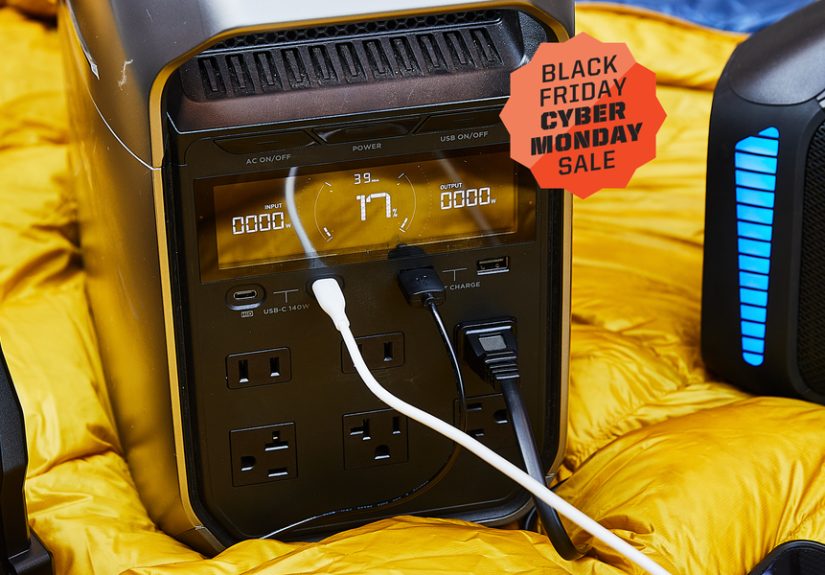
Cyber Monday has a funny way of turning sensible adults into tab-hoarding bargain detectives. One minute you are “just browsing,” and the next you are comparing wattage, battery chemistry, and whether your refrigerator really deserves premium backup power. In 2025, EcoFlow made that kind of shopping spiral feel a lot more rewarding. The brand’s Cyber Monday sale delivered eye-catching discounts across portable power stations, solar panels, and home backup bundles, with some markdowns stretching past 60% on select packages and accessories. For shoppers who had been waiting all year to buy emergency backup gear, RV power, or a portable solar generator that did not cost the same as a used scooter, this was a very good time to pounce.
What made the sale especially interesting was not just the size of the discounts. It was the breadth. EcoFlow’s lineup covered nearly every use case you can imagine: tiny grab-and-go units for charging phones and routers, midrange power stations for camping or apartment backup, and full-scale home battery systems built for serious outage protection. In other words, this was not one of those sales where a single weird color got marked down and marketing called it “historic.” There were real savings on products people actually wanted.
Why EcoFlow’s Cyber Monday Sale Got So Much Attention
EcoFlow has spent the last few years building a reputation around fast charging, expandable battery systems, and a product range that bridges the gap between weekend camping gear and whole-home resilience. That matters, because buyers are no longer shopping for backup power only after a storm warning pops up on their phones. They are shopping for flexibility. They want to run a CPAP during an outage, keep a Wi-Fi router alive during a workday blackout, charge camera gear on the road, or power an RV coffee maker without hearing a gas generator grumble like it skipped breakfast.
That is why the 2025 Cyber Monday event landed so well. The deals aligned with how people actually use these products. Smaller units were attractive for travel and apartment living. Midrange systems made sense for home essentials and outdoor use. Larger units targeted homeowners who wanted a cleaner, quieter alternative to traditional generators. EcoFlow did not just slash prices. It lowered the barrier to entry across the entire power ladder.
What Shoppers Could Save On
1. Compact power stations for daily life and weekend escapes
If your idea of “prepared” means keeping a phone, laptop, drone battery, portable fan, and campsite lights running, the smaller end of EcoFlow’s lineup was the sweet spot. These models are easy to store, easier to carry, and much easier to justify to a skeptical spouse than a full garage-sized backup setup.
That is where products like the RIVER series shined. They are made for lighter-duty electronics, road trips, tailgates, and short outages. During a major sale window like Cyber Monday, that kind of product becomes especially appealing because it turns from “nice-to-have gadget” into “okay, this is actually reasonable.” For first-time buyers, these smaller power stations are often the gateway drug. Today it is a compact battery for camping. Tomorrow you are pricing out a smart home panel and explaining kilowatt-hours to your dog.
2. Midrange picks for practical home backup
The middle of the lineup was arguably the star of the sale. This is the zone where value and usefulness finally shake hands. Models like the DELTA 2 and DELTA 2 Max are strong examples of what many shoppers actually need: enough output to run essential appliances, enough capacity to matter during an outage, and enough portability that you do not need a forklift and a pep talk to move them.
That sweet spot matters because most homes do not need to power everything all at once. People usually want to keep the basics running: fridge, lights, router, phones, medical devices, maybe a coffee maker because survival without caffeine is a separate emergency. A discounted midrange unit gives buyers a realistic backup solution without pushing them into full-system pricing.
3. Bigger systems for serious outage planning
At the premium end, EcoFlow leaned into whole-home backup. These are the products for households that have moved beyond “we should probably get something” and into “we are absolutely not losing the freezer again.” DELTA Pro 3 and DELTA Pro Ultra systems appealed to shoppers who wanted higher output, expansion options, smart integration, and a path toward broader energy independence.
For those buyers, Cyber Monday was less about snagging a toy and more about timing a major purchase. A few hundred dollars off is nice. A few thousand dollars off gets attention fast. That is why the upper-tier discounts mattered so much. They made premium backup systems feel less like a luxury purchase and more like a strategic one.
Best Deal Categories to Watch
Not every EcoFlow deal worked the same way, and smart shoppers usually did best when they looked beyond the headline discount. Here are the categories that offered the most value.
Portable power station bundles
Bundles were often the real winners. A power station paired with solar panels, an extra battery, or an accessory kit could deliver better overall value than buying the base unit alone. That matters because many shoppers eventually want solar charging or added capacity anyway. Buying it together during Cyber Monday was often the better long-term move.
Solar panel pairings
EcoFlow’s portable solar panels added a practical edge to the sale. A discounted power station is good. A discounted power station that can recharge off-grid is better. For campers, RV owners, van-lifers, and anyone prepping for multi-day outages, a solid panel bundle made the purchase feel more complete. It also made the product more “EcoFlow” in the fullest sense: not just stored power, but renewable recharging too.
Extra batteries and expansion accessories
Another smart category was expansion. EcoFlow’s ecosystem approach means some products grow with you. That is useful for buyers who do not want to overspend on day one. Start with the main unit now, then expand later when your needs increase, your budget recovers, or you develop a suspicious enthusiasm for backup power spreadsheets.
Home backup systems and smart panels
For homeowners, integrated kits were the biggest-ticket but potentially biggest-value options. These products targeted buyers thinking beyond occasional camping trips and toward outage resilience, energy management, and home convenience. The higher upfront cost meant sale pricing had an outsized psychological effect. A steep discount makes a serious system feel not just possible, but maybe even responsible.
Why EcoFlow Products Resonated With Buyers in 2025
Deals alone do not create buzz. The products have to make sense. EcoFlow’s appeal came from a few practical advantages that kept showing up in reviews, product coverage, and buyer interest.
Fast charging
People love backup products that do not take forever to recharge. EcoFlow has consistently marketed rapid recharge as a major differentiator, and that matters in real life. If a storm passes and you have a short window to top off your battery before the next outage, speed is not just a convenience feature. It is the whole game.
LFP battery chemistry
Another major selling point is long-life battery chemistry. LFP batteries are popular because they are known for durability and cycle life, which helps justify spending more upfront. Buyers want something that feels built for years of use rather than a glorified panic purchase they will forget in a closet next to expired AA batteries and holiday extension cords.
Expandable systems
Scalability was also huge. EcoFlow gives shoppers a path from portable backup to larger energy setups without forcing them to start over with a whole new ecosystem. That is appealing for people who want to buy once, learn the system, and add on when they are ready.
Broader use cases
These products work for more than emergencies. That flexibility helps them feel easier to justify. A power station can support camping, outdoor work, RV travel, home office backup, photography gear, tools, and storm prep. It is easier to click “Buy Now” when the product can earn its keep all year instead of waiting dramatically for a blackout like it is auditioning for a disaster movie.
How to Shop the EcoFlow Cyber Monday Sale Smartly
Big discounts can make any product look irresistible, so the key is to shop by use case instead of adrenaline. Start by asking what you actually need to power. If it is phones, laptops, lights, and routers, you do not need a hulking whole-home system. If your goal is to run a refrigerator, medical device, modem, and a few household essentials for multiple hours, step up to a stronger midrange model. If you want backup for major appliances, larger loads, or future home integration, then it makes sense to look at the premium end.
Next, think about runtime instead of just output. Wattage tells you what a unit can run. Capacity tells you how long it can run it. A sale can make a powerful model look thrilling, but thrilling is not the same as useful. The best deal is the one that matches your actual needs, not the one that makes you feel like you could single-handedly restart civilization.
Finally, look closely at bundles. During Cyber Monday, the best value is often tucked inside a package that includes solar panels, extra batteries, or limited-time bonuses. If you already know you will want those pieces later, buying them together is often the smarter play.
Who Should Buy What
Apartment dwellers
If you live in an apartment, a compact or midrange power station usually makes the most sense. You want something quiet, fume-free, easy to store, and capable of keeping essentials running during short outages.
Campers and RV travelers
For outdoor use, portability and solar compatibility matter most. A lighter unit with a good panel bundle can be more useful than a massive station you dread lifting.
Remote workers
If your income depends on internet access and a charged laptop, backup power becomes less luxury and more productivity insurance. A smaller or midrange unit can keep your office alive long enough to finish meetings, save files, and avoid sending the dreaded “sorry, outage” email.
Homeowners in outage-prone areas
If your area deals with storms, wildfire shutoffs, heat waves, or unreliable grid conditions, larger EcoFlow systems become much more compelling. This is where higher output, expandable capacity, and smart integration start to matter.
Potential Downsides to Keep in Mind
Even a strong sale does not erase every drawback. EcoFlow products can still be expensive, especially once you move into larger batteries, solar panel bundles, or home backup gear. Some buyers may also discover that the cheapest-looking entry point is not enough for their real needs, which can lead to spending more later. Weight matters too. Bigger units offer more power, but portability can get very theoretical once you try carrying one up stairs.
There is also the classic Cyber Monday trap: seeing a high percentage discount and assuming it is automatically the best value. Sometimes the smarter purchase is a slightly less flashy deal on the model that better fits your life. Ninety-nine percent of regret begins with the sentence, “Well, it was on sale.”
Real-World Experience: What Buying and Using EcoFlow During Cyber Monday 2025 Felt Like
The experience around the EcoFlow Cyber Monday sale in 2025 felt a lot like the modern version of holiday deal hunting done right. There was urgency, yes, but it was paired with something more useful: clarity. Buyers were not just chasing random markdowns. They were shopping for solutions to very specific everyday problems. That changed the mood of the sale entirely.
For some people, the experience started with weather anxiety. Maybe they had already lived through a summer outage with melting groceries and a dying phone battery. Maybe they had watched storm season get longer and utility reliability feel shakier. When those shoppers saw EcoFlow discounts on portable power stations and home backup systems, the appeal was immediate. This was not just a flashy gadget on sale. It felt like a practical fix they had been putting off.
For others, the experience was more lifestyle-driven. Campers and RV travelers looked at the sale and saw freedom. A discounted bundle with a portable power station and solar panel meant fewer compromises on the road. It meant coffee in the morning, lights at night, charged camera batteries, and maybe even a little smug satisfaction when someone else’s noisy generator stole the peaceful mood of the campsite. Quiet power has a way of making you feel like the adult in the room.
Remote workers had their own version of the experience. They were not shopping for adventure. They were shopping to keep the internet alive, the laptop charged, and the workday from sliding into chaos. For them, an EcoFlow deal was less about prepper energy and more about protecting productivity. Backup power became a way to stay online, save work, and avoid turning a power blip into a full-day disaster.
Then there were the spreadsheet people. You know the type. They compared output, capacity, recharge speed, bundle value, expansion options, and future use cases with the precision of someone selecting a moon mission battery. And honestly, EcoFlow’s sale gave them plenty to analyze. A lower price on the main unit was good. A deeper discount on a bundle with solar panels or an extra battery was better. The shopping experience became a balancing act between present needs and future flexibility, which is exactly the kind of puzzle enthusiastic buyers secretly enjoy.
Perhaps the most interesting part of the experience was how often buyers could justify the purchase beyond emergencies. That changed everything. A power station was not just for blackouts. It was for camping, outdoor events, road trips, garage projects, content creation, backup internet, and general peace of mind. That broader usefulness made Cyber Monday 2025 feel less like panic spending and more like strategic buying. And that is probably why the sale connected so strongly with so many people. It was not only about saving money. It was about finally buying the tool that made modern life feel a little more resilient.
Final Verdict
EcoFlow’s Cyber Monday Sale 2025 was compelling because it combined real discounts with products that solve real problems. The strongest appeal came from the range: compact units for everyday convenience, midrange models for practical backup, and premium systems for serious home resilience. Add in solar panel bundles, expandable batteries, and a growing smart ecosystem, and the sale felt built for more than impulse buyers. It felt built for planners.
If you were shopping for a portable power station, solar generator, or home backup battery in 2025, this was one of the better moments of the year to buy. The best move was not to chase the biggest sticker discount blindly. It was to match the deal to your actual needs, compare bundles carefully, and think one step ahead. Because the smartest Cyber Monday purchase is not the one that looks dramatic in your cart. It is the one that still feels smart six months later, when the power goes out and your Wi-Fi keeps humming like nothing happened.