Table of Contents >> Show >> Hide
- Why Social Activities Matter When You Have Psoriatic Arthritis
- Best Exercises for a More Social, Less Achey Life
- Movies, Coffee Dates, and Other Joint-Friendly Social Activities
- How to Plan Social Activities Around Fatigue and Flares
- When to Modify the Plan or Stay Home
- Your Social Life Should Include Support, Too
- Practical Experience: What Life With Psoriatic Arthritis and Social Activities Often Feels Like
- Conclusion
Psoriatic arthritis can be a rude party crasher. One day you are ready for brunch, a movie, and maybe a “look at me being productive” walk around the neighborhood. The next day your joints feel like they filed a formal complaint. That unpredictability is exactly why social life can get complicated with psoriatic arthritis. But complicated is not the same as canceled.
If you live with psoriatic arthritis, staying connected matters. Movement helps many people manage stiffness and fatigue, while support from friends, family, and people who understand chronic illness can make everyday life feel less heavy. The trick is not forcing yourself to live like nothing has changed. The trick is building a social life that actually fits your body.
This means choosing activities that are flexible, low-pressure, and kind to your joints. It means learning when to move, when to rest, and when to say, “I love you all, but tonight I am choosing pajamas and a heating pad.” Far from being a defeat, that is strategy. And strategy is what lets people with psoriatic arthritis keep doing meaningful things instead of disappearing from them.
Why Social Activities Matter When You Have Psoriatic Arthritis
Psoriatic arthritis is more than occasional joint pain. It is a chronic inflammatory disease that can affect joints, tendons, ligaments, energy levels, and daily function. Morning stiffness, swelling, soreness, and fatigue can all interfere with plans. Add visible psoriasis for some people, and even simple outings can come with an extra layer of stress about comfort, appearance, and confidence.
That is why social activities should not be treated like “optional extras” in overall wellness. A good social life can support mental health, help reduce isolation, and make it easier to cope with flares. People who feel supported often manage chronic conditions better because they are not doing all the emotional lifting alone. In plain English: having someone to text “my knees are staging a protest” can be surprisingly therapeutic.
Social life also supports routine. When you have a reason to move, stretch, walk, or show up for a low-key event, it becomes easier to stay active without turning your life into a boot camp. And that matters, because well-chosen exercise and regular movement can help reduce stiffness, support joints, improve strength, and fight tiredness.
Best Exercises for a More Social, Less Achey Life
Not every workout works for psoriatic arthritis, and that is completely fine. This is not the moment to romanticize punishing fitness trends. The best exercise is the one your joints tolerate, your schedule allows, and your body can repeat consistently.
Walking
Walking is one of the easiest social activities to adapt. You can do it with a friend, a family member, a dog, or your favorite playlist if human company feels overrated that day. A short walk around the block, at a mall, or on a flat trail can help loosen stiff joints without putting excessive stress on them. It also works well for people who want a low-pressure activity with an easy exit plan. If you need to turn back after 10 minutes, that is not failure. That is excellent self-management.
Water Exercise and Swimming
Water-based exercise is often a favorite for people with arthritis because it reduces pressure on the joints while still allowing movement and resistance. Water walking, aqua aerobics, and easy lap swimming can all be good options. Socially, this opens the door to community classes, pool workouts with a friend, or even just gentle movement in the shallow end while pretending you are not technically exercising.
Yoga and Stretching
Yoga can help with flexibility, mobility, and body awareness, especially when the class or routine is beginner-friendly and not secretly designed for people made of rubber bands. Gentle yoga, chair yoga, and stretching sessions can be social in person or online. They are also useful for people who feel stiff after sitting through work, travel, or a movie.
Cycling and Low-Impact Cardio
Stationary cycling or easy outdoor biking can work well for some people with psoriatic arthritis. It provides movement without the pounding of higher-impact exercise. If biking is your thing, great. If biking sounds like a dramatic betrayal by a seat and handlebars, walking and water exercise may be the better romance.
Strength Training
Gentle strength work matters because stronger muscles help support joints. Resistance bands, light weights, body-weight exercises, and joint-friendly strength routines can make everyday tasks easier, from carrying groceries to standing up from a chair without making a theatrical sound effect. If you are new to it, a physical therapist or knowledgeable trainer can help you learn safe form and useful modifications.
One important note: during a flare, exercise may need to change. Rest still matters. On painful days, a lighter routine, shorter session, range-of-motion work, or a full rest day may be smarter than powering through like you are auditioning for an inspirational sports movie.
Movies, Coffee Dates, and Other Joint-Friendly Social Activities
When people hear “social activities,” they often imagine loud dinners, long events, or all-day outings with no place to sit. That can be a hard no for someone dealing with joint pain or fatigue. The good news is that socializing does not have to be exhausting to count.
Movies Are Sneakily Great
A movie night can be one of the most psoriatic-arthritis-friendly social activities around. Why? It is seated, predictable, low impact, and easy to customize. A theater with roomy seating, recliners, or easy aisle access can make a big difference. At home, a movie night is even easier to control: blankets, supportive pillows, good lighting, bathroom nearby, snacks within reach, and no strangers kicking your seat like it is percussion practice.
Even better, movies create shared time without demanding constant energy. On a high-fatigue day, talking for two hours may sound exhausting. Sitting next to someone you like while watching a great film? Much more realistic.
Coffee or Tea Dates
Short meetups work beautifully when energy is unpredictable. A 45-minute coffee date can be more manageable than a three-hour dinner. Choose a place with comfortable seating, easy parking, and minimal waiting. This type of outing keeps connection alive without turning socializing into an endurance event.
Book Clubs, Craft Nights, and Board Games
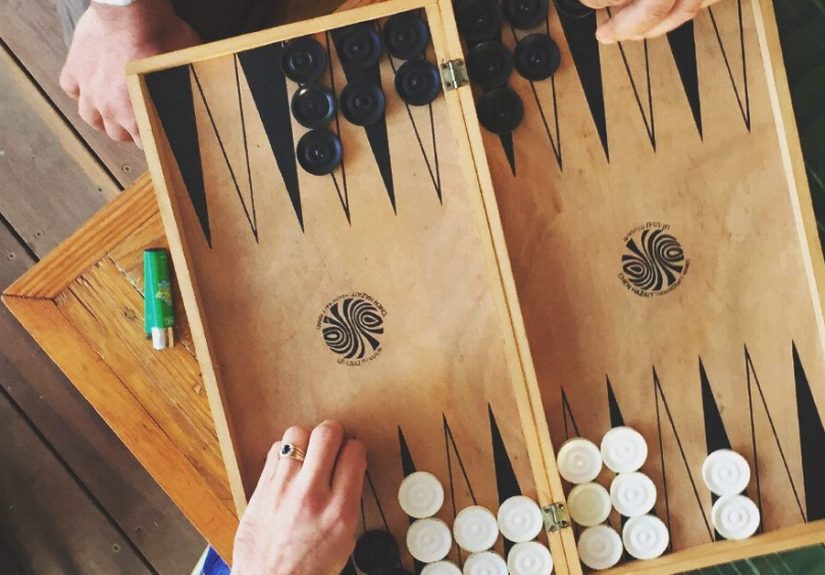
Low-key group activities can be easier on the body while still giving you a sense of community. A book club, simple craft night, puzzle session, or board game gathering allows for breaks, flexible seating, and lower physical demands. They are also easy to host at home, which gives you more control over temperature, food, and comfort.
Museum Visits, Farmers Markets, and Browsing Activities
Gentle outings with built-in stops can be surprisingly manageable. Museums often have benches and slower pacing. Farmers markets can work well if you go early, keep it short, and focus on browsing rather than treating it like an Olympic event. The best version of these activities is not the longest one. It is the one that leaves you with a pleasant memory instead of a flare.
Virtual Hangouts
Virtual social time counts. Video calls, online game nights, watch parties, and support groups can be a lifesaver during flares or high-fatigue weeks. They let you stay connected without getting dressed, commuting, or pretending hard chairs are acceptable furniture.
How to Plan Social Activities Around Fatigue and Flares
Psoriatic arthritis rarely rewards spontaneity the way your younger, pre-inflammation self might have expected. That does not mean life becomes boring. It means planning becomes your secret weapon.
Know Your Best Time of Day
Many people with psoriatic arthritis deal with morning stiffness or late-day fatigue. Pay attention to your body and schedule events for the window when you usually feel most functional. Maybe lunch beats breakfast. Maybe a matinee beats a late-night concert. Your body is giving notes. Read them.
Use Pacing, Not All-or-Nothing Thinking
Pacing means balancing activity with mini breaks instead of waiting until your body waves a white flag. This is useful for everything from shopping trips to family visits. Rather than doing too much on a good day and crashing afterward, aim for the “just right” amount. That approach can help you stay more consistent socially and physically.
Build in Buffer Time
If you have dinner plans, do not also schedule a deep-cleaning session, errands, and a heroic workout beforehand. Leave room around social activities so they do not become the final straw for your joints. Sometimes the event is manageable; the problem is everything you stacked around it.
Choose Comfort on Purpose
Supportive shoes, easy layers, medications packed if needed, and a simple exit plan can make outings feel safer and less stressful. None of this is dramatic. It is practical. The more friction you remove, the more likely you are to actually enjoy yourself.
Tell People What Helps
You do not owe everyone a TED Talk about your joints. But letting close friends know what works can make socializing easier. Maybe you need a place with parking nearby, a shorter hangout, a chance to sit, or flexibility if a flare hits. Good friends generally prefer useful information over last-minute mystery cancellations.
When to Modify the Plan or Stay Home
Sometimes the healthiest social choice is changing the plan. If you are dealing with a flare, severe fatigue, significant swelling, or pain that is clearly escalating, scaling back may be the smart move. Rest is not laziness. It is part of treatment.
That might mean turning a restaurant dinner into takeout with a friend, swapping a full outing for a short visit, or rescheduling without guilt. It may also mean checking in with your rheumatologist or dermatologist if symptoms are becoming more frequent, more disruptive, or harder to control. Early treatment and the right long-term plan can help protect joints and improve quality of life.
Your Social Life Should Include Support, Too
Friends are wonderful, but disease-specific support matters too. Psoriatic arthritis can make people feel misunderstood, especially when symptoms are invisible one day and obvious the next. Support groups, online communities, educational events, and patient organizations can provide practical ideas and emotional relief.
That kind of support does more than make people feel less alone. It can improve coping, reduce isolation, and help patients stay engaged with treatment and self-care. Sometimes the most validating sentence in the world is, “Oh yes, I also cancel plans because my feet have suddenly become traitors.”
Support can also come from professionals. Physical therapists can help with safe exercise. Occupational therapists can suggest ways to protect joints during daily activities. Mental health support can help if chronic pain, body image concerns, stress, or frustration start taking too much space in your life.
Practical Experience: What Life With Psoriatic Arthritis and Social Activities Often Feels Like
The following section is a composite reflection based on common patient experiences and real-world patterns associated with psoriatic arthritis, not the story of one single individual.
For many people, psoriatic arthritis changes social life in small ways before it changes it in big ones. At first, it may just be needing a little more time in the morning because your fingers do not want to cooperate with buttons, your feet are stiff, or your lower back feels like it slept in the wrong decade. Then you start noticing that invitations are no longer simple. “Want to go out Saturday?” quietly becomes a math problem involving pain, fatigue, weather, shoes, seating, distance, and how brave you feel about stairs.
A common experience is learning that energy is not a bottomless account. People often describe having to “spend” it more carefully. A lunch with friends may be absolutely worth it, but it might also mean skipping errands afterward. A movie night may sound easy, yet even sitting too long can create stiffness, so choosing an aisle seat or planning a short walk before and after becomes part of the routine. None of this is glamorous, but it is how many people keep participating instead of withdrawing.
Exercise can feel emotionally complicated too. Lots of people with psoriatic arthritis know movement helps, but they also know movement can backfire when done carelessly. So the relationship with exercise becomes less about chasing athletic glory and more about building trust with your body. A gentle yoga class, a warm-water pool, or a walk with a friend can feel surprisingly empowering because it proves that movement is still possible, even if it looks different than it used to.
There is also the social awkwardness factor, which deserves honesty. People with psoriatic arthritis often get tired of explaining why they were “fine yesterday” but not today. Symptoms can fluctuate. Fatigue can be intense and hard to see from the outside. Some people worry they seem unreliable. Others push too hard to avoid disappointing people, then end up paying for it later. Over time, many learn that the best relationships are the ones that can handle flexibility. The friend who says, “No problem, let’s switch to a shorter plan,” is pure gold.
Movies, quiet dinners, support groups, game nights at home, and short walks often become favorites not because life got smaller, but because life got smarter. There is a difference. People with psoriatic arthritis often become excellent editors of their own time. They start choosing activities that give genuine connection without an unreasonable physical cost. They may leave earlier, sit more often, stretch in the middle of the day, or carry supplies that make them more comfortable. That is adaptation, not defeat.
And then there are the good surprises. Many people find that once they stop trying to socialize like they do not have a chronic condition, they enjoy themselves more. They pick environments that feel accessible. They choose friends who are easy to communicate with. They discover that a calm afternoon movie, a supportive online group, or a walk-and-coffee routine can be more satisfying than louder, longer, more exhausting plans. In that sense, psoriatic arthritis can force a kind of clarity: what actually feels good, what is worth the effort, and what your body has been trying to tell you all along.
Conclusion
Psoriatic arthritis can absolutely interfere with social activities, but it does not have to erase them. The most sustainable approach is not pretending you can do everything the old way. It is choosing exercises, outings, and routines that support your joints, respect your energy, and still leave room for joy.
Walking, swimming, yoga, strength training, movie nights, coffee dates, virtual hangouts, and support groups can all fit into a full life with psoriatic arthritis. The key is pacing, planning, flexibility, and getting the right medical support when symptoms start steering the wheel too aggressively.
In other words, yes, psoriatic arthritis may rewrite your social calendar. But with smart choices, a little humor, and a lot of self-respect, it does not get to write you out of the story.