Table of Contents >> Show >> Hide
- Before We Start: A Necessary Reality Check
- 1. Fatty Fish
- 2. Leafy Greens
- 3. Beans and Lentils
- 4. Nuts and Seeds
- 5. Berries
- 6. Yogurt and Other Fermented Foods
- Why These Foods Work Better Together Than Alone
- Foods Are Helpful, but Habits Matter Too
- What Real-Life Experience Often Looks Like
- Final Thoughts
- SEO Tags
When people talk about depression and food, the conversation usually gets weird fast. One side says kale can save the day. The other side rolls its eyes so hard it needs a neck brace. The truth lives somewhere in the middle: no single food can “cure” depression, but what you eat can absolutely be part of a bigger mental health support plan.
That matters because depression is not just “feeling off.” It can affect energy, sleep, concentration, appetite, motivation, and the ability to enjoy things that once felt easy. And when you’re already running on emotional low battery, eating well can feel about as realistic as training for a marathon in slippers. Still, even small food choices may help support brain health, mood regulation, and steadier energy.
Researchers and clinicians keep circling back to one big idea: overall diet quality matters more than any miracle ingredient. In particular, Mediterranean-style eating patterns, which focus on vegetables, fruits, legumes, nuts, fish, olive oil, and minimally processed foods, seem to have the strongest evidence for helping reduce depressive symptoms. That does not mean dinner becomes a therapy session with a side of chickpeas. It means your plate can work with your treatment plan instead of against it.
Below are six foods that may be beneficial for depression, plus why they matter and easy ways to eat them without turning your kitchen into a wellness retreat.
Before We Start: A Necessary Reality Check
Food is supportive, not magical. If you have depression symptoms that last more than two weeks, interfere with daily life, or feel overwhelming, getting help from a licensed medical or mental health professional is the smart move. Think of nutrition as one tool in the toolbox, not the whole toolbox. A salmon fillet is helpful. It is not a substitute for therapy, medication, or a personalized treatment plan.
1. Fatty Fish
Why it may help
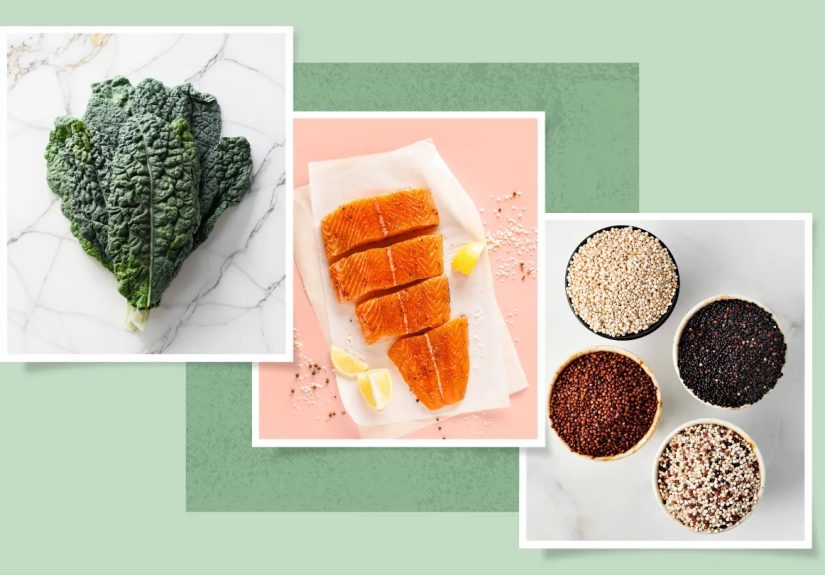
Fatty fish like salmon, sardines, trout, herring, and mackerel are rich in omega-3 fatty acids, especially EPA and DHA. These fats are heavily discussed in mental health research because they support brain function and may play a role in mood regulation. If nutrition had a celebrity wing, omega-3s would definitely have a reserved parking spot.
Low intake of omega-3-rich foods has been linked with worse mental health outcomes in some studies, and many experts point to fish as one of the most useful foods to include in a depression-supportive eating pattern. Fish also brings protein to the table, which can help keep energy levels steadier than the classic “coffee and vibes” breakfast.
Easy ways to eat more
Try baked salmon with rice, sardines on toast, tuna mixed into a bean salad, or trout with roasted vegetables. Canned salmon and sardines are budget-friendly options that still count. If fish isn’t your thing, walnuts, chia seeds, and flaxseeds contain ALA, a plant omega-3, though fatty fish remains the more emphasized source.
2. Leafy Greens
Why it may help
Spinach, kale, collards, arugula, and Swiss chard may not feel emotionally exciting, but they are quietly useful. Leafy greens provide folate and other nutrients involved in brain health. Low folate levels have been associated with depression, and some evidence suggests people with low folate may respond less well to antidepressant treatment.
Leafy greens also fit beautifully into the whole-food pattern that keeps showing up in mental health nutrition research. In other words, your salad is not “fixing your feelings,” but it may be helping your brain get nutrients it actually needs.
Easy ways to eat more
Add spinach to eggs, toss kale into soup, blend greens into a smoothie, or stir chopped collards into beans. If chewing a giant raw salad sounds like punishment, cook your greens. Sauteed spinach with garlic counts just as much as a glamorous salad served in a bowl that costs more than your rent.
3. Beans and Lentils
Why they may help
Beans and lentils are the underrated heroes of a mood-supportive diet. They offer fiber, plant protein, complex carbohydrates, and important nutrients such as folate and iron. They also fit the Mediterranean-style eating pattern that has the most evidence for helping with depressive symptoms.
One practical reason legumes can be so helpful is that they support steadier energy. Depression and blood sugar chaos are not exactly best friends. Meals built around fiber, protein, and unrefined carbohydrates may help reduce the dramatic energy swings that leave you feeling foggy, irritable, or ready to nap under your desk.
Easy ways to eat more
Make lentil soup, black bean tacos, chickpea pasta salad, or white beans with olive oil and herbs. Hummus also deserves more respect than it gets. It is basically a snackable argument for making better choices without making life miserable.
4. Nuts and Seeds
Why they may help
Walnuts, almonds, pumpkin seeds, sunflower seeds, chia seeds, and flaxseeds bring a strong mix of healthy fats, fiber, minerals, and plant compounds. Walnuts and flaxseeds are especially notable because they provide ALA omega-3s. Nuts also appear regularly in dietary patterns linked with better mental health outcomes.
Another perk is convenience. Depression often steals motivation before it steals hunger. Nuts and seeds are easy to keep nearby, require no cooking, and can turn a plain meal into something more satisfying. That matters more than people think. The best “healthy food” is often the one you will actually eat on a hard day.
Easy ways to eat more
Sprinkle chia or ground flax into oatmeal, add walnuts to yogurt, use pumpkin seeds on salads, or keep almonds in your bag for a quick snack. Nut butter on toast or apple slices also works well when the thought of preparing a full meal feels exhausting.
5. Berries
Why they may help
Berries such as blueberries, strawberries, raspberries, and blackberries are rich in antioxidants and flavonoids. These plant compounds are often discussed in brain health research because they may help combat oxidative stress and support cognitive function. While berries are not a direct depression treatment, they fit the kind of fruit-forward, nutrient-dense eating pattern associated with better mental wellness.
They also have a secret advantage: they are easy. There is no soaking, marinating, or culinary soul-searching required. You rinse them, eat them, and move on with your day like the efficient adult you are trying to be.
Easy ways to eat more
Add berries to oatmeal, yogurt, smoothies, cottage cheese, or whole-grain cereal. Frozen berries are just as useful as fresh ones in most recipes, and they are often cheaper and less likely to become fuzzy science experiments in the back of your fridge.
6. Yogurt and Other Fermented Foods
Why they may help
Interest in the gut-brain connection has exploded in recent years. Researchers are looking closely at how the gut microbiome may influence mood, stress response, and mental health. Fermented foods like yogurt and kefir can contain beneficial bacteria, which is why they often show up in conversations about mood-supportive eating.
Now for the responsible part: the evidence here is interesting, but not settled. Experts note that probiotics and fermented foods are promising, yet there still is not enough proof to say they reliably change depression symptoms on their own. So this is a “may help” category, not a “problem solved” category.
Easy ways to eat more
Choose plain or lightly sweetened yogurt, kefir in smoothies, or a small serving of fermented foods that work for your taste and digestion. Greek yogurt with berries and walnuts is one of the easiest “mental health support meals” around because it combines protein, healthy fats, and produce without requiring advanced life skills or a cutting board the size of a canoe.
Why These Foods Work Better Together Than Alone
The biggest takeaway from research is not “eat one superfood and become emotionally invincible.” It is that your overall eating pattern matters. Foods that may be beneficial for depression usually share a few traits: they are minimally processed, rich in nutrients, high in fiber, and often contain healthy fats or quality protein.
That is why a plate with salmon, lentils, sauteed greens, olive oil, and berries makes more sense than obsessing over one supplement or one trendy ingredient. Your brain needs a team, not a mascot. Whole dietary patterns also tend to support better cardiovascular health, steadier blood sugar, and better inflammation balance, all of which can indirectly support mental well-being.
Foods Are Helpful, but Habits Matter Too
If depression affects your appetite, focus, or energy, try simplifying the goal. You do not need perfect meals. You need repeatable meals. A few realistic options can go a long way: yogurt with berries and nuts, lentil soup with toast, oatmeal with flax and banana, canned salmon with crackers, or eggs with spinach.
It also helps to eat regularly instead of waiting until you are so hungry that your brain starts making questionable decisions. Regular meals can support steadier energy, and drinking enough water matters more than many people realize. Caffeine and alcohol are also worth paying attention to, because they can affect mood, sleep, and anxiety in some people.
What Real-Life Experience Often Looks Like
Here is the part that rarely gets enough attention: eating for depression support is usually less dramatic than people expect. For most people, it does not feel like a movie montage where one blueberry changes everything and the sun suddenly starts following them around. It is usually slower, more practical, and honestly a little boring. But boring can be effective.
A common experience is that the first win is not “I feel happy now.” The first win is often something smaller, like more stable energy in the afternoon, fewer skipped meals, less of that shaky hungry-and-irritated feeling, or an easier time getting through basic tasks. Someone who starts the day with Greek yogurt, berries, and walnuts may notice they feel more level by noon than they did when breakfast was just coffee. Another person may find that lentil soup or a bean bowl is not emotionally thrilling, but it prevents the late-day crash that makes everything feel harder.
People also often discover that depression changes their relationship with food in sneaky ways. Some lose their appetite and realize they have gone half the day on almost nothing. Others crave ultra-processed comfort foods because, frankly, depression loves convenience. That is not a character flaw. It is a very human response. In real life, the most useful shift is often moving from “I need a perfect diet” to “I need a few decent meals I can manage even when my motivation is terrible.”
That is where these six foods shine. They are flexible. Berries can be fresh or frozen. Beans can come from a can. Fish can be canned or cooked once and used for two meals. Greens can be stirred into soup instead of arranged into a beautiful salad that belongs on social media. Yogurt can become breakfast, snack, or emergency dinner. Nuts and seeds can live in a drawer until life calms down a little.
Another experience people describe is that routine helps almost as much as the food itself. Depression can make the day feel shapeless. A regular breakfast, lunch, or snack can quietly add structure back in. That structure may reduce decision fatigue, which is useful because some days deciding what to eat feels like being asked to solve a complicated tax issue while half asleep.
It is also common for people to notice what food cannot do. Even after cleaning up their diet, they may still need therapy, medication, sleep support, stress management, or a medical evaluation. That does not mean the food changes “failed.” It means depression is complex. Food can improve the background conditions: energy, nutrient intake, routine, and physical resilience. It may make other treatments easier to stick with. It may help the body and brain function a little more smoothly. But expecting lunch to perform the job of a licensed therapist is unfair to both lunch and the therapist.
In the best-case real-life scenario, these foods become part of a gentler system. You eat more regularly. Your meals have more protein, fiber, and color. You feel a bit steadier. The crashes are less dramatic. You have fewer moments of standing in the kitchen wondering whether crackers count as a personality. And over time, those small changes can add up in meaningful ways.
Final Thoughts
If you are looking for the best foods that may be beneficial for depression, start with the basics: fatty fish, leafy greens, beans and lentils, nuts and seeds, berries, and yogurt or other fermented foods. Not because they are magical, but because they consistently show up in healthier eating patterns tied to better mental health.
The goal is not to eat perfectly. The goal is to eat supportively. Build meals that are realistic, repeatable, and rich in whole foods. Let nutrition support your brain, your body, and your treatment plan. And if depression symptoms are persistent or severe, do not try to out-salad them. Reach out for professional help.