Table of Contents >> Show >> Hide
- Quick Answer: What Is the Best Insect Repellent in 2023?
- Why Some Bug Sprays Work Better Than Others
- The Best Insect Repellents in 2023
- 1. Best Overall: Sawyer 20% Picaridin Insect Repellent
- 2. Best for Heavy Mosquito and Tick Pressure: Repel 100
- 3. Best Everyday DEET Spray: OFF! Deep Woods
- 4. Best for Comfort on Skin: OFF! Clean Feel 20% Picaridin
- 5. Best for Families and General Outdoor Use: Ben’s 30% DEET
- 6. Best Plant-Based Option: Repel Plant-Based Lemon Eucalyptus
- 7. Best for Clothing and Gear: Sawyer Permethrin Fabric Treatment
- DEET vs. Picaridin vs. Lemon Eucalyptus
- How to Choose the Best Bug Spray for Your Needs
- How to Apply Insect Repellent the Right Way
- Field Notes: Real-World Experiences With the Best Bug Spray in 2023
- Final Verdict
There are few things in life more humbling than losing a fight to an insect that weighs less than a paper clip. One minute you are enjoying a sunset hike, a backyard cookout, or a peaceful evening at camp. The next minute you are windmilling your arms like a malfunctioning inflatable tube man. That is where a good insect repellent earns its keep.
If you are shopping for the best bug spray in 2023, the biggest surprise is this: the “best” product is not always the one with the scariest label or the strongest smell. In real life, the best insect repellent depends on where you are going, what is biting you, how long you need protection, and whether you want something that feels fine on skin instead of smelling like a chemical wrestling match.
After comparing official public-health guidance, product data, and trusted U.S. testing and buying guides, one theme keeps showing up. For most people, picaridin and DEET remain the most dependable active ingredients for mosquitoes and ticks, while oil of lemon eucalyptus is the strongest plant-based option worth taking seriously. Permethrin is also a major player, but it belongs on clothing and gear, not on skin.
Here is the practical version: if you want one easy recommendation for everyday use, a 20% picaridin spray is the sweet spot. It offers strong protection, feels better on skin than many old-school formulas, and is usually kinder to your gear. If you are heading into serious bug country, DEET still deserves respect. And if you want a DEET-free option that is actually legit, oil of lemon eucalyptus is the standout.
Quick Answer: What Is the Best Insect Repellent in 2023?
Best overall: Sawyer 20% Picaridin Insect Repellent
Best DEET option for heavy bug pressure: Repel 100 or Ben’s 30%/100% DEET formulas
Best everyday spray that feels light on skin: OFF! Clean Feel 20% Picaridin
Best plant-based option: Repel Plant-Based Lemon Eucalyptus
Best clothing-and-gear defense: Sawyer Permethrin Fabric Treatment
If you only read one sentence in this entire article, make it this one: choose your repellent by active ingredient first, then pick the format and brand you actually enjoy using. A perfect bottle left in the garage protects exactly nobody.
Why Some Bug Sprays Work Better Than Others
When people say a bug spray “doesn’t work,” they are often blaming the brand when the real issue is the active ingredient, the concentration, or the way it was applied. Mosquitoes, ticks, gnats, black flies, and no-see-ums are not all equally offended by the same formula. Some repellents also last longer than others, and that matters when dusk turns your campsite into a tiny vampire convention.
Public-health guidance consistently points to a short list of EPA-recognized skin-applied ingredients. The big names are DEET, picaridin, IR3535, oil of lemon eucalyptus, and PMD. In practical consumer testing and outdoor use, DEET and picaridin usually lead the pack for the broadest and longest-lasting protection, especially against mosquitoes and ticks.
The next thing to know is that higher concentration does not automatically mean “better” protection in every sense. It usually means longer protection. That is why a moderate-strength formula can be a smarter daily choice than a maximum-strength one, especially if you are going for a jog, watching a soccer game, or taking the dog out instead of trekking through a swamp that appears to be managed by mosquitoes.
The Best Insect Repellents in 2023
1. Best Overall: Sawyer 20% Picaridin Insect Repellent
Sawyer’s 20% picaridin line earns the top spot because it checks the boxes that matter most to regular people: strong protection, good comfort, low odor, and less drama around plastic gear. It is available in spray and lotion forms, which is more useful than it sounds. Some people love the fast coverage of a spray, while others want a lotion that stays put and gives more controlled application around the face and neck.
This is the repellent for people who want serious performance without the classic “I smell like I lost a fight with a gas station” bug-spray vibe. Picaridin formulas are often less greasy, more wearable, and easier to tolerate for long summer days. They also tend to play nicely with sunglasses, watches, backpack straps, and synthetic fabrics, which makes them especially attractive for hikers, campers, travelers, and parents who would rather not melt their gear.
Why it stands out: balanced protection, pleasant feel, broad usefulness, and a reputation for being one of the easiest repellents to wear all day.
2. Best for Heavy Mosquito and Tick Pressure: Repel 100
Sometimes you do not want subtle. You want the insect-repellent equivalent of closing the castle gates and lighting the moat on fire. That is where Repel 100 comes in. With a very high DEET concentration, this is the choice for severe conditions, long outings, and places where the bugs are not just annoying but aggressive.
Repel 100 is not the most elegant formula in the world, and nobody is going to describe it as spa-adjacent. But when you are in thick woods, wet terrain, or a buggy fishing spot and need durable defense, it makes sense. It is especially appealing for users who would rather apply once and get on with the trip than reapply a lighter formula every few hours.
Best for: backcountry trips, intense mosquito pressure, long hikes, and high-risk tick areas.
3. Best Everyday DEET Spray: OFF! Deep Woods
OFF! Deep Woods remains one of the classic names in bug protection for a reason. In 2023, it still makes a lot of sense for people who want dependable DEET-based protection in a widely available format. It is easy to find, easy to understand, and built for outdoor use where mosquitoes, ticks, gnats, and other bitey little maniacs are part of the plan.
This is the reliable pickup truck of bug spray. It may not be flashy, but it gets the job done. If you want strong insect protection from a familiar brand and do not need something ultra-lightweight or fragrance-free, this is a practical choice.
4. Best for Comfort on Skin: OFF! Clean Feel 20% Picaridin
One reason people stop using repellent is not that they doubt the science. It is that they hate the feel. OFF! Clean Feel solves that problem better than a lot of traditional sprays. With 20% picaridin, it is designed to feel non-sticky, fragrance-free, and less oily than many DEET-heavy products.
This is the repellent you buy for concerts, evening walks, youth sports, patio dinners, neighborhood block parties, and travel days when you want protection but do not want to feel like you lacquered yourself before leaving the house. It is proof that bug spray can be functional without feeling like punishment.
5. Best for Families and General Outdoor Use: Ben’s 30% DEET
Ben’s 30% DEET hits a smart middle ground. It is powerful enough for serious outdoor use, but not as intense as maximum-strength formulas that can feel like overkill for every situation. The brand’s water-based approach is also appealing for people who dislike the strong scent and fast evaporation associated with some alcohol-heavy sprays.
This is a nice option for camping weekends, lake trips, and family outings where you want durable protection against ticks and mosquitoes without jumping straight to the “bring in the tactical repellents” category. If you spend time in wooded areas but still care about comfort, Ben’s 30% DEET is a strong buy.
6. Best Plant-Based Option: Repel Plant-Based Lemon Eucalyptus
Let’s be honest: a lot of “natural” insect repellents are better at smelling interesting than preventing bites. Oil of lemon eucalyptus is the big exception. Among plant-derived options, it has the strongest track record and is the one most likely to satisfy people who want a DEET-free alternative without crossing their fingers and hoping for the best.
Repel’s lemon eucalyptus spray is a smart pick for adults who want an effective botanical-style option for hikes, gardening, or evenings outdoors. The scent is fresher than classic bug sprays, and many users find it more pleasant. Just remember that “plant-based” does not mean weak, and it also does not mean appropriate for every age group. Products with oil of lemon eucalyptus or PMD are not recommended for children under 3 years old.
7. Best for Clothing and Gear: Sawyer Permethrin Fabric Treatment
This is where many people level up their bug-defense strategy. Sawyer Permethrin is not something you spray on your skin. It is for clothing, tents, socks, shoes, backpacks, and other gear. That distinction matters. Permethrin can repel or kill ticks and mosquitoes on treated fabrics, which makes it especially useful in tick country.
Think of it as building a force field into your outfit. A treated pair of socks and pants can make a huge difference on trails, campsites, and brushy paths where ticks like to wait for free transportation. Used with a skin repellent on exposed areas, it creates a much more complete protection system than either approach alone.
DEET vs. Picaridin vs. Lemon Eucalyptus
DEET
DEET remains a gold-standard insect repellent for good reason. It is broadly effective and especially useful in demanding conditions. Higher concentrations generally last longer, but they can feel heavier and smell stronger. DEET may also damage some plastics, synthetic coatings, and finishes, which is one reason some users now prefer picaridin for routine wear.
Picaridin
Picaridin is the modern favorite for people who want strong protection with better cosmetic feel. It is effective against mosquitoes and ticks, often has little to no odor, and is less likely to mess with gear. For many consumers, 20% picaridin is the sweet spot between performance and comfort.
Oil of Lemon Eucalyptus
This is the best-known plant-based option that still feels grounded in reality. It can work well for mosquito protection and is appealing to adults who want a DEET-free choice. The tradeoff is that it may not last as long or feel as versatile as top DEET or picaridin formulas, and it should not be used on children younger than 3.
How to Choose the Best Bug Spray for Your Needs
For camping and hiking
Choose picaridin if you want comfort and gear safety. Choose DEET if you expect brutal bug conditions or need maximum duration. Add permethrin-treated clothing if ticks are part of the problem.
For backyard use
A lighter, more wearable spray is often enough. This is where picaridin shines. You are more likely to actually use it before an evening cookout, and that matters more than buying the strongest bottle on the shelf and never touching it.
For children
Follow the product label and age guidance carefully. Adults should apply repellent to their own hands first, then spread it on a child. Avoid children’s hands, eyes, mouth, cuts, and irritated skin. Oil of lemon eucalyptus products should not be used on children under 3.
For tick-heavy areas
Do not rely on skin spray alone. Combine a good skin repellent with permethrin-treated clothing, long pants, socks, and a tick check after you come indoors. Ticks are stubborn little hitchhikers, and your strategy should be just as stubborn.
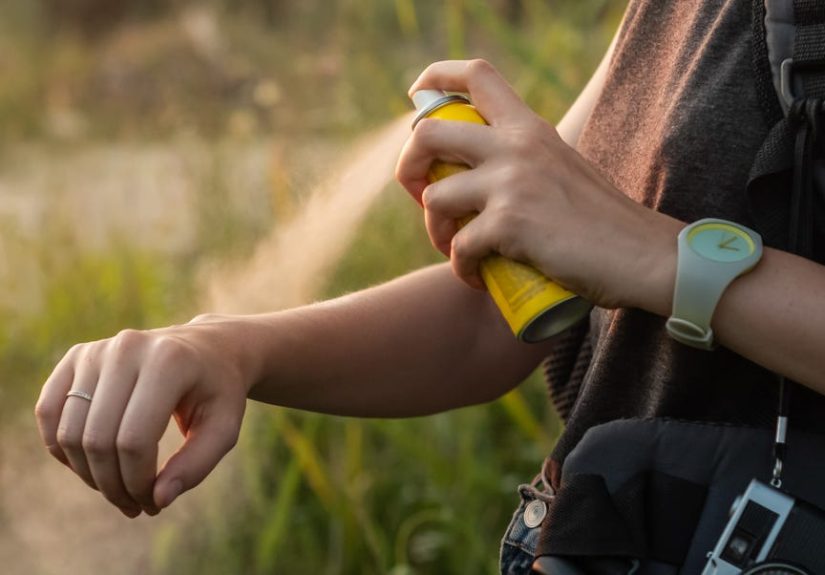
How to Apply Insect Repellent the Right Way
- Apply only to exposed skin or clothing if the label allows it.
- Do not spray under clothing.
- Do not spray directly onto your face; spray into your hands first.
- If you also wear sunscreen, apply sunscreen first and repellent second.
- Reapply only as directed on the label.
- Wash treated skin after coming indoors.
- Never use permethrin directly on skin.
That last point deserves a second mention because it is easy to forget. Permethrin is for fabrics and gear. Your skin is not a tent.
Field Notes: Real-World Experiences With the Best Bug Spray in 2023
The biggest lesson from real-world bug spray use is that comfort changes behavior. A repellent can have excellent lab credibility, but if it feels sticky, smells overpowering, or leaves your hands greasy right before you grab a sandwich, you may “forget” to reapply it. And by “forget,” I mean you will absolutely remember, but choose denial until the mosquitoes begin their banquet service.
That is why picaridin has become such a strong favorite for everyday users. On a humid evening walk, it tends to disappear into the background instead of announcing itself every time the wind changes direction. People who wear glasses or carry camera gear often notice another advantage quickly: picaridin is usually less stressful around plastics and coated surfaces. That alone can make it feel like the adult, low-drama option.
DEET, on the other hand, still earns its place when conditions get rough. Think of a muggy campground at dusk near standing water, or a fishing trip where the mosquitoes arrive in shifts like a well-managed retail team. In situations like that, stronger DEET formulas often feel reassuring because they are built for endurance. They are not subtle, but neither are the bugs. When pressure is high, many people would rather smell like serious business than spend the night performing defensive karate in a camp chair.
Oil of lemon eucalyptus tends to split users into two camps. Some love the fresher scent and appreciate having a DEET-free option that is still grounded in real effectiveness. Others discover that while it works well for shorter outings, they personally prefer the longer duration and broader confidence of picaridin or DEET. This is not a failure. It is just a reminder that the best insect repellent is often the one that matches your schedule. A one-hour evening in the garden is not the same as an all-day state-park adventure.
Clothing treatments deserve more attention than they usually get. People often focus on the bottle they spray on skin and ignore the fact that ticks meet your pants, socks, and shoes before they ever reach your arm. Treated clothing can change that equation in a big way. Hikers, campers, and dog owners often report that once they start treating trail clothes and pairing them with a skin repellent, their bite anxiety drops noticeably. They are not just hoping the spray holds up. They are building layers of protection.
Another real-life truth: format matters. Pump sprays are great for targeted coverage. Aerosols are fast and convenient when you need quick full-arm application. Lotions can be excellent for faces, necks, ears, ankles, and other places where overspray is annoying. Wipes are underrated for travel, stadium bags, and glove compartments. The active ingredient may carry the science, but the format often determines whether the product fits your routine.
And then there is the classic mistake of applying bug spray like it is cologne. More is not always better. Good coverage matters, but soaking yourself is not the goal. The sweet spot is even application on exposed skin, smart reapplication when needed, and a product matched to the setting. That is what separates feeling protected from feeling like a citronella candle with car keys.
In everyday experience, the people happiest with their repellent are usually not the ones who bought the most intense bottle. They are the ones who picked the right tool for the job. A comfortable 20% picaridin spray for nightly walks. A DEET formula for hard-core woods days. A lemon eucalyptus spray for shorter DEET-free outings. Permethrin for trail clothing. That is the winning lineup. Insect defense is rarely about one magic bottle. It is about choosing smarter and getting bitten less.
Final Verdict
If you want the best insect repellent in 2023 for most situations, go with a 20% picaridin formula, especially Sawyer 20% Picaridin or OFF! Clean Feel. They offer an excellent mix of effectiveness, wearability, and ease of use. If you are heading into truly intense bug conditions, a stronger DEET product like Repel 100 or Ben’s gives you the longer-lasting muscle you may need. And if you want the best DEET-free option, oil of lemon eucalyptus is the clear winner among plant-based choices.
For the best results, think beyond a single bottle. Pair skin repellent with smart clothing choices, use permethrin on gear where appropriate, and apply everything correctly. The goal is not to smell like victory. The goal is to go outside, enjoy yourself, and come home with memories instead of itchy souvenirs.