Table of Contents >> Show >> Hide
- What Is Telehealth?
- Best Types of Appointments for Telehealth
- 1. Routine Primary Care Check-Ins
- 2. Follow-Up Appointments
- 3. Mental Health Counseling and Behavioral Health Care
- 4. Medication Management
- 5. Chronic Disease Management
- 6. Dermatology and Skin Concerns
- 7. Mild Urgent Care Problems
- 8. Nutrition, Weight Management, and Lifestyle Coaching
- 9. Pre-Visit Planning and Second Opinions
- Appointments That Usually Need In-Person Care
- How to Choose Between Telehealth and In-Person Care
- How to Prepare for a Great Telehealth Visit
- Telehealth Benefits: Why Patients Like It
- Telehealth Limitations: What It Cannot Do
- Real-Life Experiences: What Telehealth Feels Like for Patients
- Conclusion: So, What Types of Telehealth Appointments Are Best?
Note: This article is for general educational purposes only and does not replace medical advice, diagnosis, or treatment from a licensed healthcare professional. For emergency symptoms such as chest pain, trouble breathing, fainting, severe injury, or sudden confusion, seek emergency care immediately.
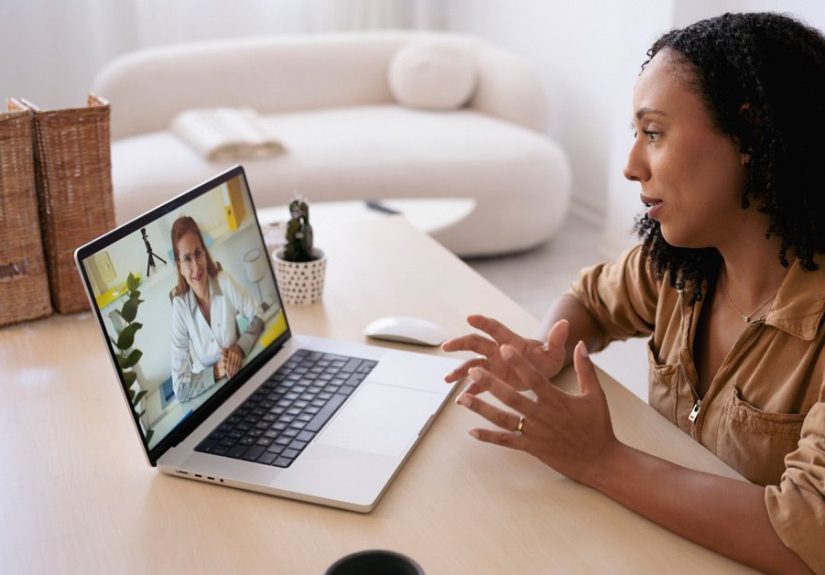
Telehealth has moved from “interesting backup plan” to “wait, why did I ever drive 40 minutes for a five-minute medication question?” In the last few years, virtual care has become a practical part of everyday healthcare in the United States. Patients can now meet doctors by video, talk with nurses by phone, send secure messages, upload photos, review lab results, manage prescriptions, and even share home blood pressure or glucose readings without putting on real shoes. That alone deserves a tiny round of applause.
Still, telehealth is not magic healthcare Wi-Fi. Some appointments work beautifully online. Others need a hands-on exam, lab test, imaging study, procedure, or urgent in-person evaluation. The key is knowing which type of visit belongs on your couch and which one belongs in a clinic.
This guide breaks down the best types of telehealth appointments, when virtual care makes sense, when it does not, and how to make your online visit more useful than a blurry video call where your doctor can only see your forehead.
What Is Telehealth?
Telehealth is healthcare delivered through technology. That can include video visits, phone calls, secure patient portal messages, remote monitoring devices, online prescription follow-ups, digital intake forms, and virtual education. Telemedicine usually refers more specifically to clinical care delivered remotely, while telehealth is the broader umbrella. In everyday conversation, people often use both terms the same way, and nobody at the dinner table is likely to throw mashed potatoes over the distinction.
The main goal is simple: help patients get safe, timely care without always needing to travel to a medical office. This can be especially helpful for people with busy schedules, mobility challenges, transportation issues, caregiving responsibilities, rural access barriers, or immune concerns. Telehealth also makes follow-up care easier, which matters because many health problems are not solved in one dramatic appointment. They require check-ins, adjustments, reminders, and the occasional gentle medical nudge.
Best Types of Appointments for Telehealth
The best telehealth appointments usually have one thing in common: the clinician can make progress by listening, looking, reviewing data, asking focused questions, and creating a plan without needing to physically examine you in detail. Below are the visit types that often work well virtually.
1. Routine Primary Care Check-Ins
Routine primary care visits are often a great fit for telehealth, especially when the goal is to discuss symptoms, review overall health, ask questions, update medications, or decide whether in-person testing is needed. A virtual visit can be a smart first step when you are unsure whether something requires a clinic appointment.
For example, if you have mild allergy symptoms, a lingering cough, a minor stomach issue, fatigue, or questions about a recent lab result, a telehealth appointment can help sort out next steps. Your provider may recommend home care, prescribe medication when appropriate, order lab work, or ask you to come in for an exam.
This is where telehealth shines: it can act like the front desk of medical decision-making. Not every concern needs a full in-person production with parking, paperwork, and waiting room magazines from 2018.
2. Follow-Up Appointments
Follow-up visits may be the unofficial champion of telehealth. If you recently started a medication, completed treatment, had lab work done, or visited a specialist, a virtual follow-up can save time while keeping care on track.
Common telehealth follow-ups include reviewing blood test results, checking whether antibiotics helped, discussing side effects, adjusting medication doses, monitoring recovery after a mild illness, and confirming whether symptoms have improved. In many cases, the provider does not need to repeat a full exam. They need to hear what changed, review objective information, and decide what comes next.
For patients, this can reduce missed appointments. For clinicians, it can improve continuity of care. For everyone involved, it reduces the odds of someone saying, “I forgot to follow up,” which is medically common and emotionally very human.
3. Mental Health Counseling and Behavioral Health Care
Mental health care is one of the strongest uses of telehealth. Therapy, counseling, psychiatric medication follow-ups, stress management visits, sleep discussions, anxiety care, depression care, and behavioral coaching can often be delivered effectively through video or phone appointments.
Virtual mental health visits may also reduce barriers. Some patients feel more comfortable speaking from a familiar place. Others may find it easier to keep appointments when they do not have to commute, arrange childcare, or sit in a waiting room while pretending not to read motivational posters.
Telehealth is especially useful for ongoing care. A therapist or clinician can check progress, discuss coping strategies, adjust treatment plans, and help patients stay connected. However, urgent mental health crises, immediate safety concerns, or situations where someone may be at risk of harm require emergency or in-person support right away.
4. Medication Management
Medication management is another excellent telehealth category. Many appointments involve questions like: Is this medication working? Are there side effects? Should the dose change? Do refills make sense? Is a different option needed?
These conversations often do not require a physical exam, especially for stable conditions. Telehealth can work well for blood pressure medication check-ins, diabetes medication discussions, asthma controller therapy reviews, mental health medication follow-ups, birth control counseling, allergy medications, migraine prevention, and many chronic prescriptions.
That said, some medications require lab monitoring, vital signs, or in-person evaluation. Your clinician may ask you to complete bloodwork, measure blood pressure at home, or schedule a clinic visit before refilling or changing certain prescriptions. Telehealth is convenient, but it is not a loophole around safe prescribing. Medicine still likes evidence, annoying as that may be.
5. Chronic Disease Management
Telehealth can be especially helpful for managing chronic conditions such as diabetes, high blood pressure, high cholesterol, asthma, migraine, arthritis, heart disease risk, and some digestive conditions. Chronic care often depends on tracking trends over time rather than making decisions from one office visit snapshot.
For example, a patient with high blood pressure may share home readings. A person with diabetes may discuss glucose patterns, diet changes, medication timing, and lab results. Someone with asthma may review inhaler use, triggers, symptoms, and whether their action plan needs updating.
Remote patient monitoring can make this even more useful. Blood pressure cuffs, glucose meters, weight scales, pulse oximeters, and mobile health apps can help patients collect information between appointments. When shared properly with a healthcare team, these numbers can support better decisions.
Telehealth is not always enough for chronic disease care, but it can reduce gaps between in-person visits. Think of it as maintenance mode for your health, like updating software before the laptop starts sounding like a tiny airplane.
6. Dermatology and Skin Concerns
Skin conditions can be surprisingly telehealth-friendly because many are visible. Dermatology visits may work well when patients can upload clear photos or show the affected area during a video visit. Common examples include acne, eczema, rashes, psoriasis flares, rosacea, hair or scalp concerns, minor skin infections, and medication follow-ups.
A good teledermatology visit depends heavily on photo quality. Use bright natural light, avoid heavy filters, take pictures from multiple distances, and include a familiar object for scale if helpful. Your dermatologist does not need an artistic masterpiece, but they do need something more useful than a shadowy blur that looks like it was photographed during a thunderstorm.
Some skin issues still need in-person care. Changing moles, suspicious growths, severe infections, painful swelling, wounds, or conditions requiring biopsy, freezing, injections, or procedures should be evaluated in person. Telehealth can help triage the issue, but the clinic may still be the right destination.
7. Mild Urgent Care Problems
Telehealth can be useful for certain non-emergency urgent care concerns. These may include mild cold symptoms, seasonal allergies, sinus symptoms, pink eye questions, minor rashes, uncomplicated urinary symptoms in some adults, nausea without severe dehydration, mild headaches, or simple medication questions.
The word “mild” is doing important work here. Telehealth is not the place for severe chest pain, trouble breathing, fainting, serious injury, signs of stroke, severe allergic reactions, heavy bleeding, or sudden confusion. Those symptoms need emergency care.
For less serious concerns, however, virtual urgent care can help you decide whether home care is enough, whether a prescription may be appropriate, or whether you should be seen in person. It can also save patients from guessing wildly online, where one search for “headache” can somehow end in a forum about rare tropical diseases.
8. Nutrition, Weight Management, and Lifestyle Coaching
Telehealth works well for appointments focused on education, coaching, and behavior change. Registered dietitians, diabetes educators, health coaches, and clinicians can use virtual visits to discuss meal patterns, activity goals, sleep habits, stress, cholesterol management, blood sugar control, and heart-healthy routines.
These visits are conversation-heavy, which makes them ideal for video or phone. The provider can review food logs, home measurements, lab results, goals, barriers, and practical strategies. Patients can even show what is in their kitchen, which is brave because the pantry always tells the truth.
The best virtual lifestyle visits are specific. Instead of saying, “I want to be healthier,” patients can bring details: current meals, schedule challenges, budget limits, cravings, work hours, exercise access, and health goals. Telehealth becomes far more useful when the advice fits real life rather than a fantasy world where everyone meal-preps quinoa at sunrise.
9. Pre-Visit Planning and Second Opinions
Telehealth can also help before major in-person care. Patients may use virtual appointments to prepare for surgery, discuss specialist referrals, understand imaging results, gather second opinions, or ask what questions to bring to an upcoming appointment.
This is especially valuable for people facing complex diagnoses. A virtual consultation can help review records, explain options, clarify risks and benefits, and decide whether travel for specialty care is worthwhile. It may not replace all testing or procedures, but it can make the next step smarter.
Telehealth is excellent for reducing “medical fog,” that strange state where you leave an appointment remembering only three words and one of them is “probably.”
Appointments That Usually Need In-Person Care
Telehealth is useful, but it has limits. In-person appointments are usually better when the provider needs to touch, listen, test, image, measure, or perform a procedure. A camera cannot check abdominal tenderness the same way hands can. A microphone cannot replace a stethoscope in every situation. And no, holding your phone near your knee does not count as an X-ray.
Go In Person or Seek Emergency Care for These Situations
In-person or emergency care is usually needed for chest pain, difficulty breathing, fainting, sudden weakness, severe dizziness, major injuries, possible broken bones, deep cuts, uncontrolled bleeding, severe abdominal pain, severe allergic reactions, sudden confusion, vision changes, head injuries, severe dehydration, and symptoms that are rapidly getting worse.
In-person visits are also better for annual physical exams that require hands-on evaluation, vaccinations, Pap tests, certain pregnancy visits, procedures, biopsies, imaging, lab collection, ear exams, lung exams, and detailed neurological or orthopedic assessments.
A helpful rule: if the appointment requires equipment, touch, testing, or immediate treatment, telehealth may only be the starting point.
How to Choose Between Telehealth and In-Person Care
Choosing the right visit type does not require a medical degree. Ask yourself a few practical questions.
Can the Problem Be Explained Clearly Without a Physical Exam?
If your main need is a conversation, telehealth may be enough. This includes reviewing symptoms, asking medication questions, discussing lab results, or following up on a known condition.
Do You Have Useful Home Information?
Telehealth works better when you can provide details. Home blood pressure readings, temperature, weight, oxygen level if you have a device, glucose logs, medication lists, photos, and symptom timelines can help your provider make better decisions.
Is the Condition Mild, Stable, or Ongoing?
Mild and stable problems are often better suited for virtual care. Sudden, severe, or worsening symptoms deserve in-person attention.
Would a Test or Procedure Likely Be Needed?
If you suspect you need stitches, imaging, a urine test, a throat swab, a vaccine, a biopsy, or a physical procedure, schedule in-person care unless your provider recommends otherwise.
How to Prepare for a Great Telehealth Visit
A little preparation can turn a telehealth visit from awkward screen time into productive healthcare. Before the appointment, test your device, check your internet connection, find a quiet place, and make sure your camera and microphone work. If possible, avoid taking the call from a moving car, noisy store, or kitchen where a blender is having its villain era.
Write down your symptoms, when they started, what makes them better or worse, current medications, allergies, recent test results, and your main questions. If the visit involves a visible problem, take clear photos in advance. If it involves blood pressure, glucose, weight, or temperature, collect readings before the appointment.
During the visit, be honest and specific. Say what you are worried about. Ask what symptoms should trigger in-person care. Confirm the plan before you hang up: medication changes, follow-up timing, lab orders, referrals, warning signs, and where to find after-visit instructions.
Telehealth Benefits: Why Patients Like It
Telehealth is popular because it solves ordinary problems. It reduces travel time, makes scheduling easier, improves access for rural or homebound patients, supports quick follow-ups, and can reduce exposure to contagious illnesses in waiting rooms. It also gives patients more flexibility, especially when they are managing work, school, children, transportation, or chronic illness.
For many people, the biggest benefit is not glamour. It is convenience. Telehealth lets healthcare fit into real life. You can discuss a medication adjustment during a lunch break or review lab results without turning half the day into a logistical obstacle course.
Clinicians benefit too. Telehealth can help them monitor patients more frequently, catch problems earlier, and keep care plans moving. It is not perfect, but when used appropriately, it can make healthcare feel less like a giant maze with fluorescent lighting.
Telehealth Limitations: What It Cannot Do
The biggest limitation of telehealth is that your provider cannot fully examine you through a screen. They may not be able to listen to your lungs, feel swelling, check reflexes, test strength, inspect an ear canal, collect samples, or perform procedures. Technology can help, but it cannot replace every part of in-person medicine.
Privacy is another consideration. Patients should use secure platforms when possible and avoid public Wi-Fi for sensitive conversations. Insurance coverage can also vary by plan, state, provider type, and service. Before scheduling, it is wise to check cost, coverage, and whether the clinician is licensed to provide care in your location.
Telehealth is best viewed as one tool in the healthcare toolbox. A very useful tool, yes. But not the entire toolbox, and definitely not the hammer for every nail.
Real-Life Experiences: What Telehealth Feels Like for Patients
One of the best ways to understand telehealth is to imagine ordinary situations where it saves time without lowering care quality. Picture a parent whose child has mild allergy symptoms. Instead of packing snacks, hunting for shoes, driving across town, and sitting in a waiting room, the parent schedules a video visit. The clinician asks about symptoms, fever, breathing, exposure history, and medication use. The visit ends with a practical plan and clear instructions about when to come in. Nobody had to wrestle a toddler into a car seat for a five-minute question. That is not just convenient; it is mercy.
Or consider an adult managing high blood pressure. In the old routine, they might visit the clinic every few months, where one reading could be high because traffic was terrible and the waiting room chair had the emotional comfort of a folding table. With telehealth, the patient can share two weeks of home readings. The provider sees patterns instead of one stressed-out number. Together, they discuss medication timing, side effects, sodium intake, exercise, sleep, and follow-up labs. The care becomes more personal because the data comes from daily life.
Telehealth can also be a relief for mental health care. Many patients find that talking from home makes therapy feel less intimidating. They can sit in a familiar room, keep water nearby, and avoid a commute after an emotionally heavy session. For someone managing anxiety, depression, grief, work stress, or sleep problems, removing transportation barriers can make it easier to keep regular appointments. Consistency matters, and telehealth can make consistency more realistic.
Dermatology is another area where patients often have surprisingly good experiences. A person with recurring acne, eczema, or a rash can upload clear photos before the appointment. The clinician reviews the images, asks about itching, pain, triggers, skincare products, allergies, and previous treatments, then recommends a plan. If the condition looks concerning or needs a biopsy, the provider can quickly route the patient to an in-person visit. That kind of triage is valuable because it helps patients avoid both extremes: ignoring something important or panicking over something manageable.
Medication follow-ups may be the quiet superstar of virtual care. Imagine starting a new migraine medication. A month later, the main question is not, “Can the doctor look at my elbow?” It is, “Are the headaches less frequent? Any side effects? Should we adjust the dose?” A video or phone appointment can handle that efficiently. The patient gets guidance, the provider gets feedback, and the treatment plan keeps moving.
Of course, telehealth experiences are not always perfect. Sometimes the video freezes at the exact moment you are describing the most important symptom. Sometimes the patient portal password behaves like it is guarding national secrets. Sometimes the lighting makes a mild rash look like abstract art. But most of these problems improve with preparation: test the app, write down questions, take photos early, and sit somewhere quiet.
The best patient experience happens when telehealth is used for the right appointment. It feels efficient, focused, and surprisingly human. The worst experience happens when telehealth is forced into a situation that needs hands-on care. A good provider will tell you when a virtual visit is not enough. That is not a failure of telehealth; that is telehealth doing its job by pointing you to the right level of care.
Conclusion: So, What Types of Telehealth Appointments Are Best?
The best telehealth appointments are usually routine, conversational, follow-up-based, or supported by home data. Primary care check-ins, mental health counseling, medication management, chronic disease monitoring, dermatology concerns, mild urgent care issues, nutrition counseling, and second-opinion discussions can all work well virtually.
Telehealth is not ideal for emergencies, severe symptoms, major injuries, procedures, imaging, lab collection, or problems requiring a detailed physical exam. The smartest approach is not choosing telehealth or in-person care forever. It is choosing the right format for the right health concern.
Used wisely, telehealth can make healthcare easier to access, easier to continue, and easier to fit into a normal human schedule. And if it saves you from sitting in traffic while wearing a paper gown later in the day, that is a healthcare innovation worth celebrating.