Table of Contents >> Show >> Hide
- What Is Coronavirus, and What Is COVID-19?
- COVID-19 Symptoms: The Common, the Weird, and the Concerning
- Who Is at Higher Risk for Severe COVID-19?
- How COVID-19 Spreads
- Prevention: What Still Works
- Testing: When It Helps Most
- Treatment: What Helps, What Does Not, and When to Act Fast
- Long COVID and Other Complications
- When to Call a Clinician
- What People Have Actually Experienced With COVID-19
- Final Thoughts
COVID-19 is no longer the only thing anyone talks about at dinner, on the news, or while panic-buying soup. But it is still very much around, and it still matters. The virus that causes COVID-19 continues to infect people, disrupt routines, and hit some groups far harder than others. In other words, the pandemic may have changed shape, but the need for clear, practical information has not.
This guide covers what COVID-19 is, how symptoms can show up, who is more likely to get very sick, what prevention still looks like now, when testing actually helps, and which treatments may make a real difference. The goal is simple: give readers a useful, current overview without the fog machine, fear tactics, or leftover 2020 confusion.
What Is Coronavirus, and What Is COVID-19?
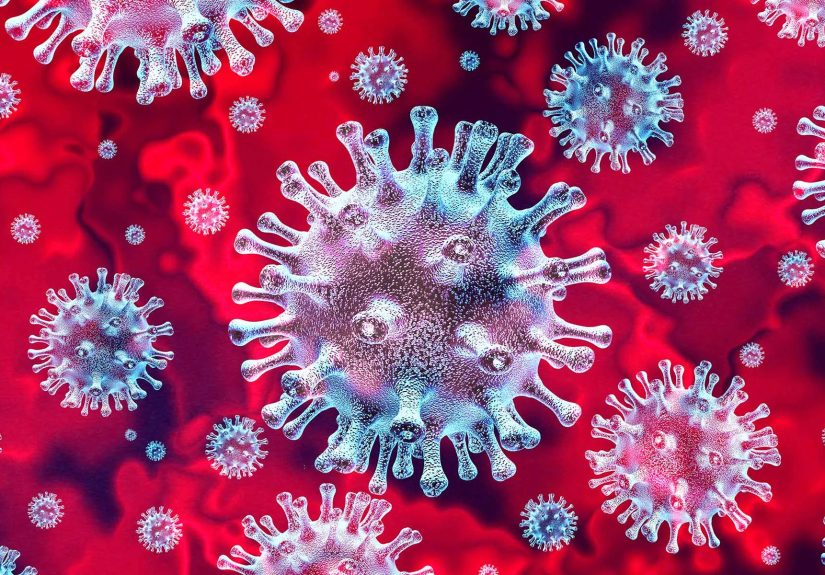
“Coronavirus” is a broad term for a family of viruses. Some cause mild illness, like certain common colds. COVID-19, however, is the disease caused by a specific coronavirus called SARS-CoV-2. That is the one that changed travel, office culture, hand sanitizer sales, and everyone’s relationship with the phrase “just allergies.”
COVID-19 is primarily a respiratory illness, but it does not always stay politely in the lungs and airways. It can affect the whole body, which helps explain why one person gets a few days of congestion while another ends up exhausted for weeks, dealing with shortness of breath, brain fog, or more serious complications.
Like other respiratory viruses, COVID-19 spreads most easily when an infected person exhales virus-containing particles into the air around others. Crowded indoor spaces, poor ventilation, close contact, and prolonged exposure all make transmission easier. Viruses are not magic, but they are annoyingly efficient.
COVID-19 Symptoms: The Common, the Weird, and the Concerning
One reason COVID-19 remains tricky is that symptoms can range from nonexistent to dramatic. Some people have no symptoms at all. Others feel like they got hit by a truck driven by a cough.
Most common symptoms
Symptoms may include fever or chills, cough, shortness of breath, difficulty breathing, sore throat, congestion, runny nose, fatigue, headache, muscle aches, body aches, nausea, vomiting, diarrhea, and a new loss of taste or smell. Some people mainly feel cold-like symptoms. Others notice stomach issues first. That variety is one reason COVID-19 can blend in with a cold, flu, or seasonal allergies.
Symptoms can also differ based on age, general health, vaccination history, previous infection, and the circulating variant. A younger person may mostly feel wiped out and congested. An older adult may become weak, confused, or short of breath sooner. Children often have milder illness, but they are not magically wrapped in bubble wrap by the universe.
Emergency warning signs
Some symptoms should not be handled with a shrug and another cup of tea. Seek emergency help right away for warning signs such as trouble breathing, persistent chest pain or pressure, new confusion, inability to wake or stay awake, or skin, lips, or nail beds that appear pale, gray, or blue depending on skin tone.
If symptoms are worsening fast, especially breathing problems, do not wait to “see how tomorrow goes.” Tomorrow is an overrated decision-maker in emergencies.
Who Is at Higher Risk for Severe COVID-19?
Anyone can catch COVID-19, and anyone can feel awful with it. But severe illness is much more likely in some groups. Older adults face the highest risk, especially those age 65 and older. Risk also rises when a person has multiple underlying health conditions.
Higher-risk groups include:
- Older adults, particularly people 65 and up
- People with chronic lung disease, heart disease, diabetes, or obesity
- People who are immunocompromised
- Pregnant people
- Residents of long-term care settings
- People with several medical conditions at the same time
Children and teens are usually less likely than older adults to become severely ill, but some young people are also at higher risk, especially those with conditions such as obesity, diabetes, asthma, chronic lung disease, or immune system issues.
The big takeaway is this: risk is not random. A healthy younger adult and an older adult with heart disease are not starting from the same place. That matters when it comes to prevention, testing, and how fast someone should seek treatment.
How COVID-19 Spreads
COVID-19 spreads mainly through the air when infected people breathe, talk, cough, sneeze, sing, or laugh. Yes, even laughter got dragged into this story. That is why indoor gatherings, especially crowded ones with poor airflow, can turn into perfect little virus exchange programs.
Transmission is more likely when:
- You are in close contact with someone who is infected
- You share indoor air for a longer period of time
- Ventilation is poor
- Someone is coughing or sneezing often
- You are around people who are early in illness and highly contagious
Because spread is driven so heavily by shared air, prevention is not only about cleaning surfaces or being “careful.” It is also about ventilation, staying home when sick, masking in the right situations, and not visiting Grandma with a “tiny cough” and a heroic lack of judgment.
Prevention: What Still Works
The smartest COVID-19 prevention strategy is layered. No single action is perfect, but several together can lower risk in a meaningful way.
1. Stay up to date on COVID-19 vaccination
Vaccination remains one of the best ways to reduce the risk of severe illness, hospitalization, and death. At the time of writing, U.S. guidance includes the 2025–2026 COVID-19 vaccine, with particular importance for older adults, people at high risk for severe disease, long-term care residents, and people who have never been vaccinated.
Vaccines are not force fields. They do not promise zero infection forever. What they do far better is improve the odds that if you get infected, you are less likely to end up dangerously ill. That is a meaningful upgrade over “hope for the best.”
2. Improve indoor air
Cleaner air matters. Open windows when possible, use air filtration, improve ventilation, and move gatherings outdoors when practical. Viruses love stale indoor air almost as much as people love pretending conference rooms are well ventilated because someone cracked the door.
3. Use masks when the situation calls for them
Wearing a well-fitting mask can add a layer of protection, especially when community respiratory illness levels are high, when you are visiting someone vulnerable, after an exposure, or when you are recovering and need to be around others.
4. Practice good hygiene
Wash your hands, cover coughs and sneezes, and clean commonly touched surfaces when someone is sick. Hygiene is not glamorous, but neither is being sidelined by a preventable infection.
5. Stay home when you are sick
Current U.S. respiratory virus guidance says people should stay home and away from others when ill. Returning to normal activity is generally recommended once symptoms are improving overall for at least 24 hours and any fever has been gone for 24 hours without fever-reducing medication. For the next five days, extra precautions such as masking, testing, distancing, and cleaner air are encouraged, especially around high-risk people.
Testing: When It Helps Most
Testing still has an important role, even if most people are no longer keeping a pyramid of test kits in the bathroom cabinet. Testing can help confirm infection, guide isolation decisions, protect vulnerable family members, and determine whether you should seek treatment quickly.
Types of COVID-19 tests
There are two broad categories people hear about most often. Viral tests tell you whether you have a current infection. These include rapid antigen tests and laboratory tests such as PCR. Antibody tests may show past infection, but they are not the go-to tool for diagnosing a current case.
For home use, stick with FDA-authorized or otherwise FDA-cleared or approved options, and follow the instructions exactly. If you have symptoms and are at higher risk, do not let a single home test result delay medical advice, especially if you feel worse quickly.
Good times to test
- When you develop symptoms that could be COVID-19
- After a known exposure
- Before visiting older adults or immunocompromised people
- When you may need prompt treatment
- Before returning to work or activities around vulnerable people
Treatment: What Helps, What Does Not, and When to Act Fast
Most mild cases of COVID-19 improve with supportive care: rest, fluids, fever reducers, pain relievers, and cough medicine when needed. For many people, that is enough. The body does the heavy lifting, while you try not to turn your nightstand into a pharmacy-themed art installation.
But supportive care is not the whole story. For people at higher risk of severe illness, early treatment can matter a lot. The key word is early.
Outpatient antivirals
Paxlovid is an oral antiviral that can be taken at home and is a go-to option for many eligible higher-risk patients. It works best when started within the first five days of symptoms. It can lower the risk of hospitalization and death, but it also has important drug interaction issues, so it is not something to grab casually like cough drops.
Remdesivir is another antiviral option, typically given by IV in a clinical setting. Molnupiravir may be used in some adults when other options are not appropriate. Which treatment fits depends on age, pregnancy status, other medications, kidney and liver function, and overall risk profile.
Hospital treatment for severe disease
People hospitalized with COVID-19 may need oxygen, antiviral therapy, and other hospital-based treatments, including immune-modulating medicines in some cases. Severe COVID-19 is not something to DIY from a recliner while reading internet comments from strangers named “TruthHammer47.”
What about supplements and miracle cures?
This is where common sense should wear a cape. Supplements, herbs, and trending “immune hacks” may sound impressive online, but they should never replace proven treatment, vaccination, or medical evaluation. Evidence-based care is usually less dramatic than miracle-cure marketing, but it is also much less likely to waste time when time actually matters.
Long COVID and Other Complications
COVID-19 does not always end when the home test turns negative or the fever disappears. Some people go on to develop complications during acute illness, such as pneumonia or worsening of chronic health conditions. Others experience Long COVID, which refers to ongoing or newly emerging symptoms and health problems that continue well after the initial infection.
Long COVID is considered a serious condition and can involve fatigue, shortness of breath, brain fog, sleep problems, dizziness, chest discomfort, changes in smell or taste, exercise intolerance, and many other symptoms. It is not one single illness with one neat lab result and one perfect fix.
Long COVID can happen even after a mild infection. It appears more often in people who had severe disease, but it is not limited to hospitalized patients. Prevention still matters here, because lowering the risk of severe COVID-19 and staying up to date with vaccination can also help lower the risk of Long COVID.
When to Call a Clinician
You should contact a healthcare professional promptly if you test positive or develop symptoms and any of the following apply:
- You are age 65 or older
- You are pregnant
- You have lung disease, diabetes, heart disease, obesity, or immune suppression
- You take medications that may interact with treatment options
- Your symptoms are getting worse instead of better
- You are having trouble staying hydrated or functioning normally
Prompt action matters because antiviral treatment windows are short. Waiting several days to “see how it plays out” can mean missing the moment when treatment is most useful.
What People Have Actually Experienced With COVID-19
The medical facts explain the virus, but lived experience explains why the topic still matters. Across homes, schools, workplaces, and clinics, people have had versions of the same frustrating story: COVID-19 is unpredictable, inconvenient, and sometimes much more serious than it looks on day one.
For many people, the first experience is confusion. A scratchy throat starts on Tuesday. By Wednesday, there is congestion, a headache, and that familiar internal debate: “Is this allergies, a cold, or the universe sending me another respiratory virus?” Someone takes a home test, gets a positive result, and suddenly the week changes shape. Plans are canceled. Meetings move online. Grocery delivery becomes heroic. The dog is thrilled because everyone is home, even if everyone smells like menthol and bad decisions.
Another common experience is how different the illness feels within the same family. One person has a mild case and is mostly annoyed. Another feels completely flattened by fatigue. A grandparent may need quick medical advice because of age and heart disease, while a teenager bounces back faster but still misses school, sports, and sleep. That uneven impact has been one of the most defining features of COVID-19 from the beginning: the virus does not read the room and does not believe in fairness.
Many people also learned that timing matters. Someone at higher risk who calls a doctor early may be evaluated for antiviral treatment and avoid a much worse outcome. Someone who waits too long might miss that window. That experience has changed how plenty of families now think about respiratory illness in general. Instead of asking only, “How bad do I feel right now?” they ask, “Could this get worse for me, and is there something I should do today?” That is a smart shift.
There is also the social side of COVID-19, which has been messy and very human. People have had awkward conversations before holidays, before visiting newborns, before seeing elderly parents, and before going back into the office. Should you test first? Should you mask? Should you skip the event if you are recovering but still coughing? Those choices can feel small until someone vulnerable is involved. For many people, the biggest lesson has not been paranoia. It has been consideration.
And then there is Long COVID, which has changed the way many people think about “mild” infection. Some people who never needed a hospital still ended up dealing with persistent fatigue, exercise intolerance, difficulty concentrating, or weird symptoms that made daily life harder long after the acute illness ended. For them, recovery was not a straight line. It was more like assembling furniture with no instructions and several missing screws.
Workplaces and schools have had their own learning curve too. The most useful cultural change may be the simplest one: staying home when clearly sick is no longer viewed as laziness by everyone with a calendar and a superiority complex. More people understand that protecting others, especially those at higher risk, is not dramatic. It is responsible.
In short, the real-world experience of COVID-19 has taught people three things. First, symptoms can fool you. Second, risk is personal, not theoretical. Third, a little early action can prevent a lot of trouble later. Those are not glamorous lessons, but they are the kind that actually help.
Final Thoughts
COVID-19 is not ancient history, and it is not harmless background noise either. It remains a real respiratory illness with a wide range of symptoms, a very different level of risk depending on the person, and real opportunities for prevention and treatment.
The best approach is not panic and it is not denial. It is awareness. Know the symptoms. Understand your risk. Stay current with vaccination. Use cleaner air, masks, testing, and common sense when the situation calls for them. And if you are at higher risk, move quickly when symptoms start, because early treatment can make a meaningful difference.
That may not be the flashiest message on the internet, but it is the one most worth keeping.