Table of Contents >> Show >> Hide
- Why food matters for brain health
- 1. Sugary drinks
- 2. Pastries, candy, and dessert-for-breakfast foods
- 3. Refined white carbs you eat on autopilot
- 4. Fried foods and fast-food favorites
- 5. Processed meats
- 6. Salty, ultra-processed convenience foods
- The bigger issue is the pattern, not one dramatic villain
- What to eat more often instead
- Everyday experiences related to these six brain-unfriendly foods
- Final thoughts
Most people do not wake up and say, “Today feels like a great day to sabotage my memory with a frosted snack cake.” And yet, many of us eat in ways that quietly work against brain health without realizing it. The problem is not usually one dramatic “bad” food. It is the everyday pattern: too much added sugar, too much sodium, too many refined carbs, too many ultra-processed meals, and not nearly enough fiber-rich, nutrient-dense food that your brain actually enjoys.
Your brain is a high-maintenance organ. It needs steady blood flow, balanced blood sugar, healthy fats, vitamins, minerals, and a relatively calm internal environment. When your usual diet pushes inflammation, insulin resistance, high blood pressure, or poor cardiovascular health, your brain can wind up paying part of the bill. In plain English: what is rough on your heart, arteries, and metabolism often turns out to be rough on your thinking, memory, and long-term cognitive health too.
Before your favorite snack feels personally attacked, let’s be clear: this is not a panic piece, and it is definitely not a courtroom drama where French fries are on trial for crimes against humanity. It is a practical look at six foods people eat all the time that may be bad for your brain when they show up too often, in too-large portions, and as part of a steady “Western diet” pattern.
Why food matters for brain health
Researchers have spent years studying eating patterns such as the Mediterranean diet and the MIND diet, both of which are associated with better cognitive outcomes and slower decline over time. Those patterns tend to emphasize vegetables, berries, whole grains, beans, nuts, fish, and healthier unsaturated fats. They also tend to limit sweets, fried foods, processed meats, excess sodium, refined grains, and heavily processed foods.
That does not mean one donut causes dementia or one burger erases your vocabulary. It means a long-term pattern high in foods that drive blood sugar swings, poor vascular health, and inflammation may make it harder for your brain to stay sharp over the years. So if your daily routine looks like sweet coffee for breakfast, chips for a snack, fast food for lunch, and frozen pizza for dinner, your brain may want to file a formal complaint.
1. Sugary drinks
Why they may be a problem
Soda, sweet tea, energy drinks, bottled coffee drinks, and fruit punches are some of the easiest ways to flood your day with added sugar. The issue is not just the sugar itself. Liquid calories are fast, easy to overconsume, and not very filling. That can contribute to weight gain, insulin resistance, and cardiometabolic problems that are linked with worse brain health over time.
High sugar intake may also encourage big spikes and crashes in blood glucose. That roller coaster can leave you feeling foggy, irritable, hungry again too soon, and strangely convinced that another giant drink is a reasonable life choice. Over months and years, this pattern can work against both vascular health and cognitive resilience.
Common examples
Regular soda, sweetened iced coffee, flavored latte drinks, sports drinks you are not actually using for sport, fruit cocktails, sweetened teas, and “healthy” smoothies loaded with syrups all belong on the watch list.
Smarter move
Swap in sparkling water, unsweetened tea, black coffee, or water with citrus and fruit slices. If you love sweet drinks, taper down gradually instead of trying to go from caramel mega-latte to plain water in one emotionally difficult afternoon.
2. Pastries, candy, and dessert-for-breakfast foods
Why they may be a problem
Muffins, toaster pastries, donuts, cookies, candy bars, sweet breakfast cereals, and frosted granola bars are often a triple hit: added sugar, refined flour, and low fiber. Some also pile on saturated fat. This combo can leave you with short-lived energy followed by a crash that feels like your brain just put up an “out of office” message.
These foods are also easy to normalize because they are everywhere. Office kitchen? Pastries. Gas station? Candy. Breakfast aisle? Dessert wearing a cereal costume. Eaten once in a while, no big deal. Eaten daily, they can crowd out foods that support steadier energy and better cognitive function.
Common examples
Sweet muffins bigger than your hand, frosted cereals, snack cakes, candy bars, bakery cookies, and packaged breakfast bars that are basically cookies with better branding.
Smarter move
Try plain Greek yogurt with berries, oatmeal with nuts, eggs with whole-grain toast, or a less-sugary cereal paired with fruit and protein. Your brain tends to like breakfast when it contains fiber, protein, and a little dignity.
3. Refined white carbs you eat on autopilot
Why they may be a problem
White bread, white rice, many crackers, regular pasta, and low-fiber packaged snack foods are not “poison,” but they are often digested quickly and can be less satisfying than whole-grain versions. Refined grains lose much of their fiber and some nutrients during processing, which can make it easier to overeat them and harder to maintain steady energy.
When refined carbs dominate the diet, they may contribute to repeated glucose swings and displace higher-fiber foods associated with better cardiometabolic and cognitive health. That matters because the brain depends on stable fuel delivery, not chaos, confusion, and whatever happened after two giant bowls of buttery white pasta.
Common examples
White sandwich bread, oversized bagels made from refined flour, instant noodles, buttery crackers, white rice at every meal, and snack mixes built mostly from processed starch.
Smarter move
Trade at least some refined grains for oats, brown rice, quinoa, whole-grain bread, popcorn without a sodium avalanche, and higher-fiber pasta. You do not have to become the person who lectures everyone about ancient grains. Even modest upgrades help.
4. Fried foods and fast-food favorites
Why they may be a problem
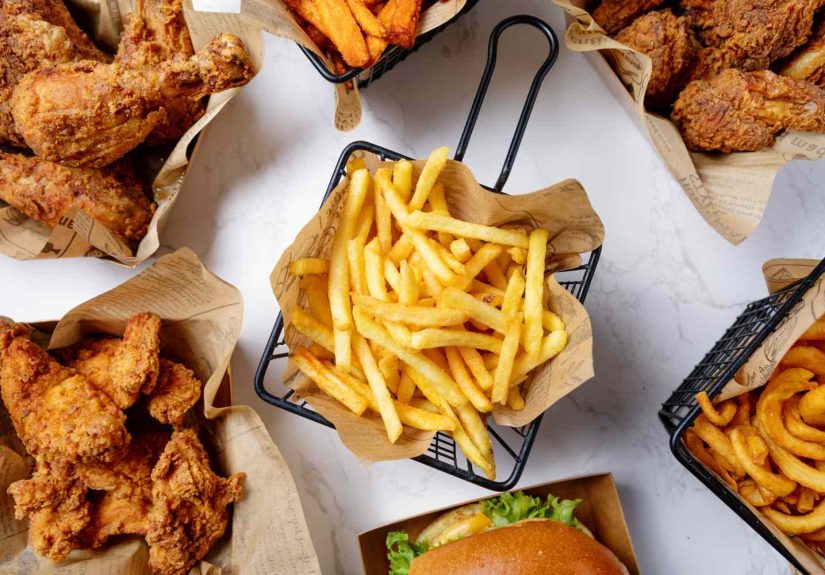
Fried chicken, fries, onion rings, fried fish sandwiches, and other deep-fried staples often deliver a heavy combo of refined carbs, poor-quality fats, excess sodium, and lots of calories. Many fast-food meals also come bundled with a sugary drink, which is how a quick lunch turns into a full metabolic plot twist.
Brain health is tightly connected to vascular health. Diets high in fried foods and unhealthy fats may contribute to blood pressure problems, cholesterol issues, and inflammation. That is one reason brain-friendly eating patterns like the MIND diet specifically keep fried foods and fast food on a short leash.
Common examples
French fries, fried chicken sandwiches, mozzarella sticks, breaded frozen snacks, drive-thru combo meals, and anything described as “crispy” three times on the menu.
Smarter move
Choose grilled or baked versions when possible, split fries instead of making them your emotional support side dish, and pair meals with water, fruit, salad, beans, or vegetables more often.
5. Processed meats
Why they may be a problem
Bacon, sausage, hot dogs, salami, pepperoni, ham, and many deli meats are convenient, tasty, and often loaded with sodium, saturated fat, or both. Some are also heavily processed, which is not a winning formula when the broader goal is protecting blood vessels and reducing long-term disease risk.
Processed meats show up again and again on lists of foods to limit in heart-healthy and brain-supportive eating patterns. The reason is not mysterious. These meats tend to travel with the same dietary habits that raise the risk of hypertension, cardiovascular disease, and metabolic issues, all of which can affect the brain over time.
Common examples
Breakfast sausage, bacon, deli turkey with a long ingredient list, canned meat products, pepperoni pizza, and oversized sub sandwiches stacked with cured meats and sodium for days.
Smarter move
Use beans, lentils, eggs, fish, grilled chicken, tuna, hummus, or less-processed lean meats more often. If sandwiches are your thing, aim for simpler ingredient lists and smaller portions of processed meat rather than turning lunch into a sodium convention.
6. Salty, ultra-processed convenience foods
Why they may be a problem
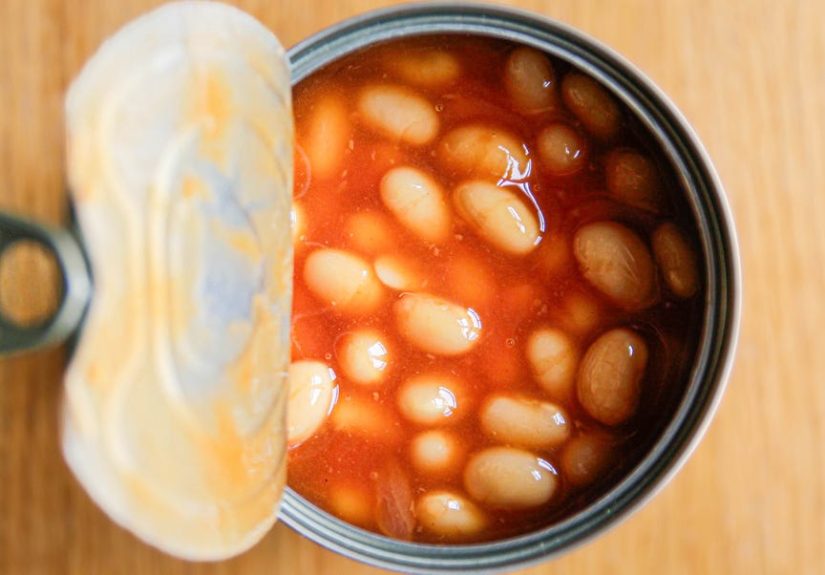
Instant noodles, frozen dinners, packaged snack crackers, chips, canned soups, microwaveable meal bowls, and shelf-stable convenience foods are often loaded with sodium and made from highly processed ingredients. These products can be easy, cheap, and weirdly satisfying, which is exactly why they can become daily habits.
The catch is that excess sodium is associated with high blood pressure, and high blood pressure is bad news for the brain. On top of that, ultra-processed foods often combine sodium with refined starches, added sugars, and less-than-ideal fats, creating a dietary pattern linked in research with poorer cardiometabolic and neurologic outcomes, including cognitive decline.
Common examples
Instant ramen, frozen pizza, boxed macaroni meals, salty snack packs, canned pasta, processed cheese crackers, and “heat and eat” meals that somehow last on the shelf longer than some houseplants.
Smarter move
Keep easy but less-processed options around: low-sodium soup, plain yogurt, nuts, fruit, hard-boiled eggs, no-salt-added beans, frozen vegetables, rotisserie chicken, and simple grain bowls you can assemble without needing a culinary degree.
The bigger issue is the pattern, not one dramatic villain
Here is the part many articles skip: your brain does not grade you on one lunch. It responds to patterns. If most of your meals are built around vegetables, fruit, whole grains, beans, nuts, fish, olive oil, and other minimally processed foods, a burger or brownie now and then is not the end of civilization.
But if your regular routine is built from sugary drinks, salty packaged foods, refined carbs, fried meals, and processed meat, then yes, your eating pattern may be bad for your brain over time. This matters because the brain is deeply connected to your cardiovascular system. Poor diet can nudge blood pressure, blood sugar, cholesterol, and inflammation in the wrong direction, and the brain notices.
What to eat more often instead
If you want a simpler rule, do not obsess over “brain superfoods” while ignoring the obvious diet wrecking crew. Start by reducing the six categories above and replacing them with foods that show up consistently in brain-supportive eating patterns:
- Leafy greens and other vegetables
- Berries and other whole fruits
- Beans and lentils
- Whole grains such as oats and brown rice
- Nuts and seeds
- Fish, especially in place of processed meat
- Olive oil and other unsaturated fats
- Water, unsweetened tea, and low-sugar beverages
You do not need a flawless diet. You need a better default setting. That means fewer foods that hit your system like a marching band and more foods that support steady energy, better vascular health, and long-term cognitive function.
Everyday experiences related to these six brain-unfriendly foods
In real life, this topic usually does not look like a dramatic medical moment. It looks like ordinary days. Someone grabs a giant sweet coffee and a pastry because the morning is busy. By 10:30, they feel shaky, distracted, and suddenly very interested in whatever snacks are in the break room. Lunch becomes fries, a burger, and a soda because it is fast. An hour later, everything feels slower. Focus slips. Mood gets weird. The afternoon turns into a blur of caffeine, crackers, and trying to remember why they opened that tab in the first place.
Another common experience is the convenience trap. You get home tired, and the last thing you want to do is cook. So dinner becomes instant noodles, frozen pizza, or a packaged meal bowl. None of that sounds outrageous once. But when it happens four or five nights a week, you may start noticing that you feel puffy, thirsty, sluggish, and mentally dull. Some people describe it as “brain fog.” Others just say they feel off, unmotivated, or less sharp.
Then there is the snack loop. Chips, crackers, candy, sweet bars, and processed snack packs are easy to eat while driving, scrolling, studying, or watching TV. The tricky part is that they often disappear without creating real fullness. You keep eating because your mouth is entertained, not because your body is satisfied. Later, you wonder why your energy is low and your concentration is scattered. It is not a character flaw. It is often a food pattern problem.
People also notice that when they cut back on sugary drinks and heavily processed foods, they often feel more stable during the day. Not euphoric. Not magically transformed into a wellness influencer who makes chia pudding at sunrise. Just steadier. Fewer crashes. Better attention. Less random hunger. Fewer moments of standing in the kitchen staring into space like the refrigerator is about to give a TED Talk.
Parents notice it with family meals too. A breakfast of protein, fruit, and whole grains tends to keep everyone calmer and more focused than a breakfast made mostly of sugar and refined flour. Adults notice it at work. Students notice it during long study sessions. Older adults sometimes notice that simple diet upgrades help them feel less tired and more mentally organized. Again, food is not the only factor. Sleep, exercise, stress, and health conditions matter too. But everyday eating habits can absolutely shape how your brain feels across a normal week.
The most useful takeaway from these experiences is not guilt. It is awareness. You do not need to fear every cookie or swear loyalty to kale. You just need to recognize which foods are quietly taking over your routine and making “all the time” mean exactly that. Once you spot the pattern, small changes become much easier. Water instead of soda. Oatmeal instead of a frosted pastry. A turkey-and-veggie wrap instead of a fried combo meal. Nuts and fruit instead of chips every afternoon. Those are not glamorous changes, but they are realistic, repeatable, and the kind your brain is much more likely to appreciate.
Final thoughts
The six foods on this list are not forbidden. They are just worth watching because they are easy to overeat and easy to normalize. Sugary drinks, desserts disguised as snacks, refined carbs, fried foods, processed meats, and salty ultra-processed meals can add up fast. Over time, those habits may work against memory, focus, vascular health, and healthy cognitive aging.
If you want to protect your brain, start with the boringly effective basics: eat more minimally processed foods, keep added sugars and sodium in check, choose healthier fats, and stop letting convenience foods run the show. Your brain may not send a thank-you card, but it will probably appreciate the calmer, steadier support.