Table of Contents >> Show >> Hide
- First, Know the Difference Between a Copyright Claim and a Copyright Strike
- Why Creators Get Copyright Trouble in the First Place
- The Smartest Ways to Avoid Copyright Claims on YouTube
- How to Avoid Copyright Strikes Specifically
- Fair Use on YouTube: Powerful, Real, and Frequently Misunderstood
- What to Do Before You Upload Every Video
- What to Do If You Get a Claim Anyway
- Common Creator Experiences and Lessons From the Trenches
- Final Thoughts
- SEO Tags
If YouTube copyright feels like a haunted house where every background song is waiting to jump out and yell “Gotcha!” you are not alone. For creators, copyright is one of the most confusing parts of running a channel. One day your video is live and thriving. The next day, a claim appears, your monetization changes, or worse, your stomach drops because you see the word strike. Not exactly the kind of audience engagement anyone asked for.
The good news is that avoiding copyright claims and strikes on YouTube is not about luck. It is mostly about building smart habits before you hit upload. If you understand the difference between a claim and a strike, learn how licenses actually work, and stop trusting random “no copyright” uploads from strangers on the internet, you can lower your risk dramatically.
This guide breaks down how YouTube copyright works, what creators often get wrong, and the practical steps you can take to protect your channel. We will also cover fair use, public domain content, music licensing, disputes, and real-world creator experiences that show how problems usually happen in the first place.
First, Know the Difference Between a Copyright Claim and a Copyright Strike
Before you can avoid trouble, you need to know which kind of trouble you are trying to avoid.
What is a Content ID claim?
A Content ID claim usually happens when YouTube’s system detects copyrighted audio or video in your upload. This is often automatic. The result is not always a takedown. Depending on the rights holder’s settings, the video might be monetized by them, tracked, or blocked in some places or entirely. In many cases, the claim affects the video, not your whole channel.
That is why a claim is annoying, but not always catastrophic. Your video may stay online. Your channel may remain in good standing. But the claim can still hurt your revenue, your reach, and your blood pressure.
What is a copyright strike?
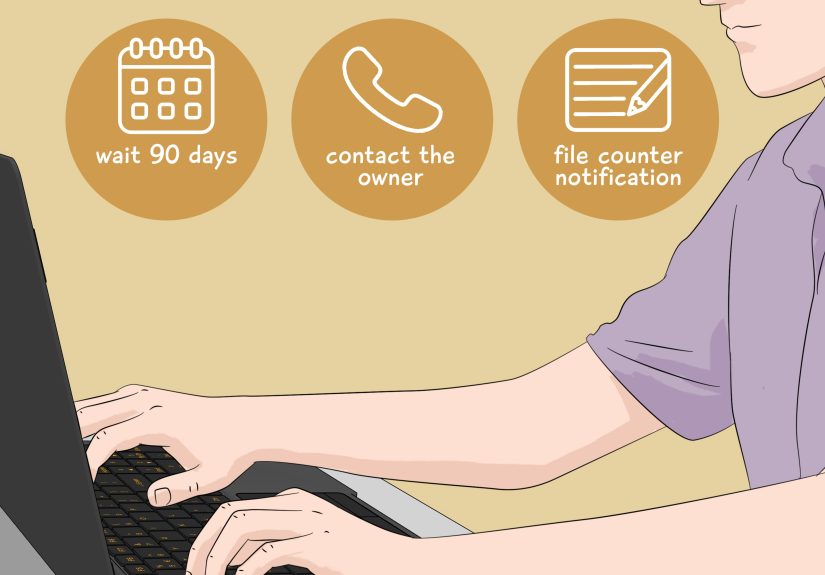
A copyright strike is much more serious. It happens when your content is removed because of a legal copyright removal request. One strike can limit features and force you to deal with YouTube’s copyright process. Three active strikes in a 90-day window can put your channel at risk of termination. In plain English: a claim is a warning light on the dashboard, while a strike is the engine smoking.
So yes, you want to avoid both. But if your goal is channel survival, avoiding strikes is non-negotiable.
Why Creators Get Copyright Trouble in the First Place
Most copyright problems do not come from evil masterminds twirling mustaches over pirated movies. They come from ordinary creators making bad assumptions.
Here are the most common ones:
- “I gave credit, so I’m safe.”
- “I only used a few seconds.”
- “I bought the song on iTunes, so I can use it.”
- “I’m not monetizing the video.”
- “The clip is all over TikTok, so it must be fine.”
- “The music said royalty-free on some random channel.”
Those beliefs are popular, but popularity is not the same thing as legality. Copyright protection usually exists automatically once an original work is fixed in a tangible form. That means music, movie clips, graphics, photos, and sound effects are typically protected from the start. You do not need to see a giant © symbol glowing in the sky for copyright to apply.
If you build your workflow on myths, YouTube will eventually hand you a very expensive lesson in reality.
The Smartest Ways to Avoid Copyright Claims on YouTube
1. Use only content you created yourself
This is the cleanest option by far. If you filmed it, recorded it, designed it, composed it, or otherwise made it yourself, your risk is much lower. Original footage, original narration, original music, and custom graphics make life easier. They also make your channel more distinctive, which is a nice bonus.
Of course, “original” still means actually original. Recording your own voice over someone else’s movie trailer does not magically transform the trailer into yours. Nice try, though.
2. Get written permission or a proper license
If you want to use someone else’s content, permission is gold. A license agreement, written approval, or a clear commercial-use grant is much safer than a screenshot from a comment section saying “go ahead bro.”
When reviewing a license, pay attention to the details:
- Is commercial use allowed?
- Are YouTube videos specifically covered?
- Does the license allow edits or remixes?
- Do you need to give attribution?
- Can the licensor revoke access later?
- Does the license cover worldwide use?
Many creators make the mistake of buying a music track and assuming they bought the copyright. Usually, they bought access under conditions, not ownership. That difference matters a lot.
3. Use YouTube’s Audio Library and Creator Music
If your main headache is music, YouTube has already given creators a safer lane. The YouTube Audio Library offers music and sound effects meant for creator use. Some tracks require attribution, while others do not. Creator Music also gives eligible creators licensed music options, including tracks you can pay for upfront or use through revenue-sharing terms.
This does not mean you can stop reading license details and run wild through the editing timeline like a caffeinated raccoon. It means you are working inside a system designed for YouTube use, which is much better than gambling on mystery audio from the internet.
4. Be careful with Creative Commons content
Creative Commons can be useful, but it is not a magic force field. Different CC licenses have different rules. Some allow commercial use. Some do not. Some allow remixing. Some forbid derivatives. Some require that your adapted version be shared under the same license.
In other words, “Creative Commons” is not one license. It is a family of licenses. If you use CC material on YouTube, read the exact license and follow the conditions carefully. Also keep records. Save screenshots, download license pages, and keep notes on where and when you sourced the material. Future you will be grateful when present you is no longer available to testify from memory.
5. Learn what public domain actually means
Public domain works are generally free to use without permission. But the phrase is often misunderstood. Just because something is old does not automatically mean it is in the public domain. Just because an image appears in a “historic collection” does not mean the specific scan, arrangement, or compilation is free of restrictions either.
When using public domain material, verify the status from a reliable source. Also remember that even when the underlying work is public domain, a particular edited version, restoration, or collection may involve additional rights. Public domain is wonderful, but it still rewards careful homework.
How to Avoid Copyright Strikes Specifically
Claims are often avoidable with better sourcing. Strikes require an even stricter mindset.
1. Do not upload “test and see” content
Some creators upload copyrighted material just to see what happens. This is the digital equivalent of poking a sleeping bear with a selfie stick. Maybe nothing happens. Maybe you get a claim. Maybe you get a takedown request. Either way, it is a terrible business model.
2. Avoid full-length or near-verbatim use
Uploading full songs, movie scenes, sports clips, TV segments, or rehosted videos is one of the fastest ways to invite enforcement. Even if your channel is small, rights holders can still find it. And yes, “but I’m helping promote them” is rarely the compelling legal argument people think it is.
3. Be extra careful with live streams
Live content leaves less room to fix mistakes. Background music in a venue, a game broadcast on a nearby TV, or a clip you react to in real time can create instant problems. If you stream, control your environment like a producer, not like someone casually opening every copyright trapdoor in the building.
4. Keep evidence of your rights
Maintain a simple folder for every upload. Store licenses, receipts, permission emails, attribution details, and source screenshots. If a dispute comes up, organized records can make the difference between a confident response and panicked scrolling through old tabs at 2:17 a.m.
Fair Use on YouTube: Powerful, Real, and Frequently Misunderstood
Fair use is real. It is also not a cheat code. Under U.S. law, fair use can apply to things like commentary, criticism, news reporting, scholarship, and parody. But there is no automatic formula that says “under 10 seconds is safe” or “change the pitch and you are clear.” Those are internet bedtime stories.
The four factors still matter
If your video relies on fair use, think through the classic four factors:
- Purpose and character of the use: Are you commenting, criticizing, teaching, reporting, or transforming the original in a meaningful way?
- Nature of the original work: Using highly creative works is often riskier than using more factual material.
- Amount used: Did you use only what you reasonably needed?
- Effect on the market: Could your use substitute for the original or damage its market?
The strongest fair use arguments usually involve real transformation. Think analysis, critique, review, comparison, or parody. A reaction video that adds substantial commentary and uses only the amount necessary may have a stronger argument than a lazy repost with two facial expressions and a thumbnail that screams “SHOCKING.”
Fair use can still trigger claims
Here is the part creators hate: even if your use may qualify as fair use, you can still get a Content ID claim or even face a takedown request. Platforms do not always decide the ultimate legal question for you. That is why fair use should be part of a strategy, not a replacement for one.
If you plan to rely on fair use regularly, keep your clips tight, add clear commentary, avoid using more than you need, and document your reasoning. Treat fair use like a serious editorial judgment, not like a loophole you heard about from a cousin who edits AMVs.
What to Do Before You Upload Every Video
A simple pre-upload checklist can save your channel from future drama.
Your copyright safety checklist
- Verify that every music track has a valid license or comes from a trusted source.
- Check that all stock footage, photos, and graphics allow YouTube use.
- Confirm whether attribution is required and place it in the description if needed.
- Remove background audio you do not control.
- Review clips used for commentary and trim them to the amount actually needed.
- Save proof of permissions, purchases, and license terms.
- Do one final “what in this video belongs to someone else?” scan before publishing.
If the answer to that last question is “a surprising amount,” pause the upload and fix it before YouTube fixes it for you.
What to Do If You Get a Claim Anyway
Even cautious creators get claims sometimes. Do not panic. Do not start composing a dramatic farewell speech to your subscribers. First, identify the type of problem.
Option 1: Accept the claim
If the claim is valid and the impact is minor, you may decide to leave it alone. That can be practical when the video is low priority or the rights holder’s policy does not seriously damage the upload.
Option 2: Edit out the claimed material
YouTube offers tools that may let you trim the claimed segment, replace a song, or mute claimed audio. This is often the fastest path if the content is not essential to your video.
Option 3: Dispute the claim
Dispute only if you are confident you have the rights or a strong legal basis. That could be because you own the material, have permission, the work is public domain, or your use has a strong fair use rationale. A weak dispute can escalate the situation rather than solve it.
Option 4: Appeal carefully
If a dispute is rejected, some claims can be appealed. But appeals raise the stakes. If a claimant rejects an appeal, they may choose to send a formal copyright removal request. That is the point where a claim can turn into a strike. Appeal because you are right, not because you are annoyed.
Common Creator Experiences and Lessons From the Trenches
Now let us talk about the messy human side of YouTube copyright, because this is where the real learning happens.
A very common experience is the creator who spends hours editing a vlog, only to discover that a faint song playing in the background at a coffee shop triggered a claim. The lesson is simple: creators often focus on the big obvious assets, like the soundtrack they added on purpose, and forget about incidental audio. Background music in stores, gyms, restaurants, and event venues can still create problems. A smart creator monitors ambient sound during filming and cleans up audio in post-production when needed.
Another classic case is the commentary channel that uses way too much of the original video. The creator believes the video is “transformative” because they added a few jokes and some pauses. But if the audience can basically consume the original work through the new upload, the risk goes up. Strong commentary videos do not just sit next to copyrighted material; they actively analyze it, critique it, compare it, or reframe it. Good creators use only the amount needed to make the point. Great creators do that while still being entertaining.
Then there is the heartbreaking story of the small channel that buys “royalty-free” music from a site or downloads it from a YouTube uploader who promises it is safe. Months later, a claim appears because the track was mislicensed, re-registered, or uploaded by someone who never had authority to share it in the first place. This is why source quality matters. “Royalty-free” is not the same as “risk-free.” Serious creators buy from reputable libraries, read the license, and keep the invoice.
Gaming channels learn another painful lesson: a game may be yours to play, but that does not mean every piece of music inside the game is yours to upload without consequences. Some games include licensed songs, and those tracks may trigger claims. Experienced creators know to review publisher policies, mute licensed tracks in settings when possible, or swap music during editing.
Podcast clips and documentary-style channels run into a different problem. They may have a strong fair use argument, but YouTube’s automated systems are not grading a law school exam. A creator can be legally thoughtful and still get flagged. That reality pushes careful channels to build redundancy into their workflow: tighter excerpts, stronger voiceover, clearer on-screen analysis, and archived notes explaining why each quoted segment was necessary.
One of the most educational experiences happens after a claim arrives. New creators often react emotionally. They fire off a dispute because they feel the claim is unfair. Seasoned creators slow down. They ask better questions. Do I truly own this? Do I have written permission? Is this really public domain? Is my fair use case strong enough that I would stand by it if challenged? If the answer is fuzzy, they revise the video instead of escalating the conflict.
The broader lesson from all these experiences is that copyright safety on YouTube is not a one-time trick. It is a production habit. The safest creators are not the luckiest. They are the ones with boringly good systems: approved music folders, license records, source logs, attribution templates, pre-upload reviews, and enough skepticism to distrust any asset labeled “free” by a stranger with anime profile art and 11 subscribers.
Final Thoughts
If you want to avoid copyright claims and strikes on YouTube, think like a publisher, not just a creator. Every asset in your video has a rights story behind it. Your job is to know that story before the upload goes live.
The safest path is simple: use original work whenever possible, license what you do not own, understand the exact terms of any Creative Commons or stock asset, treat fair use like a serious judgment call, and keep organized proof of your rights. If a claim happens, respond calmly and strategically. If a strike threat appears, take it seriously from the first minute.
YouTube rewards creativity, but copyright rewards preparation. And between those two, preparation is what keeps your channel from turning into a legal escape room.