Table of Contents >> Show >> Hide
- Icicles Are More Than Just Hanging Ice
- Why Icicles Can Be Dangerous to People
- Why Icicles Can Be Dangerous to Your Home
- Why DIY Icicle Removal Can Be Dangerous Too
- Warning Signs You Shouldn’t Ignore
- How to Prevent Icicle Problems Before They Start
- What to Do If Someone Is Hit by Falling Ice
- Real Examples That Show This Risk Is Not Theoretical
- Experiences People Commonly Have With Dangerous Icicles
- Final Thoughts
- SEO Tags
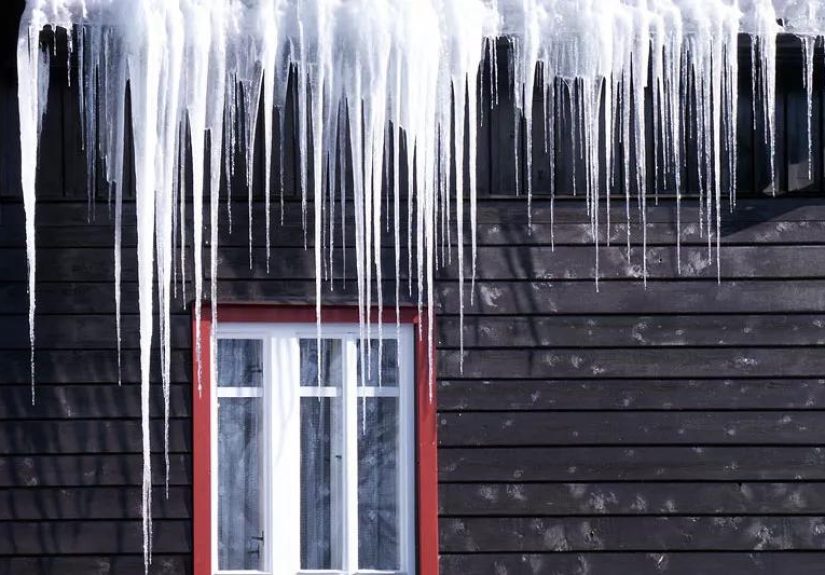
Icicles have a pretty good publicist. They sparkle. They hang dramatically from rooflines. They make your house look like it auditioned for a holiday movie and got the role. But here’s the less festive truth: icicles can be a warning sign, a falling hazard, a property-damage clue, and in the worst cases, a genuine medical emergency. In other words, that glittering row of frozen daggers outside your window is not always winter décor. Sometimes it is winter filing a complaint.
Most people think of icicles as harmless side effects of cold weather. The problem is that they often form when heat escapes from a home, melts snow on the roof, and sends water downward until it refreezes at the colder roof edge. That process can create ice dams, damage gutters, force water back under shingles, and produce heavy chunks of ice that can break loose without much warning. Add a busy sidewalk, a parked car, or one determined do-it-yourselfer with a shaky ladder, and suddenly the “pretty” part matters a lot less than the “dangerous” part.
If you live in a snowy climate, walk near buildings in winter, or own a home with a roof that likes to collect snow like it’s building a frozen savings account, this is worth understanding. Let’s look at why icicles can be so risky, what causes them, how they can hurt people and homes, and what you can do before your eaves decide to become a stunt show.
Icicles Are More Than Just Hanging Ice
An icicle is simple in theory: melting water drips from an edge and refreezes as it hangs. The part that is not simple is what that melting water may be telling you. Large icicles often mean heat is escaping through the attic or roof assembly, warming the roof enough to melt snow. When that meltwater reaches a colder overhang, it freezes again. Repeat that cycle a few times, and you may get a row of dramatic icicles and a thick ridge of ice at the roof’s edge.
That ridge is where trouble begins. Water can back up behind it, slide beneath shingles, soak roof decking, stain ceilings, damage insulation, and create damp conditions that encourage mold or mildew. So yes, an icicle can be beautiful. It can also be your house whispering, “We need to talk about ventilation.”
Why Icicles Can Be Dangerous to People
1. They can fall like frozen missiles
The most obvious danger is the one most people still underestimate: falling ice. Even a modest icicle can become dangerous when it breaks off from a second-story roof or high-rise ledge. A larger icicle, or a clump of snow and ice attached to it, can strike with enough force to cause cuts, bruises, concussions, broken bones, or worse. The higher the drop, the less cute the situation becomes.
This is not a dramatic overstatement. City agencies in places like New York regularly warn property owners that falling icicles and snow masses can injure pedestrians, damage vehicles, and disrupt traffic. In dense urban areas, the danger is especially serious because people naturally walk close to buildings, under awnings, past scaffolds, and near rooflines without scanning the sky every three seconds like cautious penguins.
2. Head injuries can be serious fast
When ice hits the head, the injury may not look catastrophic at first. That is part of what makes it so tricky. A person can seem mostly okay and still have a concussion or a more serious brain injury developing. Warning signs after a blow to the head can include headache, dizziness, confusion, nausea, balance problems, blurred vision, unusual sleepiness, slurred speech, worsening agitation, or loss of consciousness. If someone is struck by falling ice and shows those symptoms, this is not the time for heroic shrugging. It is the time for medical evaluation.
In severe cases, emergency care is needed immediately. The danger is not only the visible wound. It is also what may be happening underneath: bleeding, swelling, or trauma that is not obvious in the first minute or two. Frozen water should not get to audition as a neurologist.
3. They create danger zones below roofs and overhangs
Large icicles are often surrounded by companion hazards. Meltwater can drip onto steps and sidewalks and refreeze, turning the ground below into a slip-and-fall trap. Snow can loosen around the same area. Gutters can sag. Pieces of ice can break off in stages rather than all at once. So even if the icicle itself does not hit someone, the zone below it may still be risky.
This matters for homes, apartment buildings, schools, storefronts, and office properties. People tend to stand exactly where danger likes to gather: near doors, under eaves, by parking lot entrances, and along the narrow strip of sidewalk closest to the building. Winter has a real gift for putting hazards where humans are most inconveniently human.
Why Icicles Can Be Dangerous to Your Home
They often point to ice dams
One of the biggest hidden dangers connected to icicles is the ice dam. Ice dams form when snow melts on a warmer upper section of roof and refreezes at the colder edge. Water then collects behind that frozen barrier. Once it has nowhere to go, it can push under shingles and into the house.
That is how a picturesque winter roof turns into an indoor water feature nobody requested. You may notice ceiling stains, peeling paint, damp insulation, warped wood, wet walls, or drips near windows and exterior walls. If the moisture lingers, mold and mildew can follow. At that point, the icicles outside were not the problem by themselves. They were the clue.
They can damage gutters, soffits, and roof edges
Icicles are heavy, especially when they form in clusters or fuse with thicker ice at the roofline. Their weight can strain gutters, loosen fasteners, bend downspouts, and damage roof edges. If gutters were already clogged with leaves or debris before winter, the freeze-thaw cycle can make everything worse. Water gets trapped, freezes, expands, and adds even more stress to the system.
Once gutters detach or deform, drainage becomes less effective, which encourages even more ice buildup. That creates a nasty little loop: poor drainage helps create more ice, and more ice damages drainage. Homes are not fans of loops like this.
They may hint at heat loss and insulation problems
Large icicles do not always mean your house is doomed, but they often suggest your roof system is not performing the way it should. Warm air may be leaking from bathrooms, kitchens, recessed lighting, attic hatches, plumbing penetrations, or duct gaps into the attic. Inadequate insulation and poor ventilation can make the roof unevenly warm, which increases the chance of melting and refreezing.
So if your home grows icicles like it is trying to win an Olympic figure-skating event, the long-term fix is usually not “whack the ice and hope for the best.” It is more often “improve air sealing, insulation, and attic ventilation.”
Why DIY Icicle Removal Can Be Dangerous Too
Here is where many winter injuries start: a homeowner looks up, sees a giant icicle, and decides that today is the day they become a rugged rooftop legend. Unfortunately, winter does not hand out medals for impulsive ladder work.
Removing icicles can be risky because it often involves ladders, slick steps, icy walkways, roofs, power lines, and falling debris. OSHA warns that snow and ice removal from roofs and elevated surfaces can lead to serious injuries and fatalities if proper fall protection, ladder safety, and planning are not in place. In plain English: going up there without the right equipment and experience is a terrible plot twist.
People can slip while climbing, lose balance when striking ice, or get hit by the very chunk they loosened. Even ground-level attempts can go wrong. Swinging a tool upward to knock down ice may send shards flying toward your face, hands, or windows. And if the icicle is attached to a larger ice mass, breaking one piece can release a whole frozen surprise package.
The safest approach is often to stay off the roof, avoid standing directly below the ice, block access to the danger area, and call a qualified professional when the buildup is significant.
Warning Signs You Shouldn’t Ignore
Not every icicle signals disaster, but some signs deserve attention sooner rather than later:
- Very large or thick icicles hanging from one section of roof
- A ridge of ice along the roof edge or gutter line
- Water stains on ceilings or exterior walls
- Wet insulation or damp attic areas
- Sagging gutters or loose downspouts
- Repeated dripping and refreezing near entryways
- Icicles forming only over one room or one roof section, suggesting uneven heat loss
- Ice buildup above sidewalks, driveways, or doors where people regularly pass
If you notice several of these at once, do not treat the problem like a seasonal personality quirk. Your house is giving you data.
How to Prevent Icicle Problems Before They Start
Improve attic insulation and air sealing
One of the most effective ways to prevent dangerous icicles is to reduce the warm air escaping into the attic. That means sealing air leaks around wiring, plumbing, lighting fixtures, attic access points, bath fans, and duct penetrations. Then make sure attic insulation is adequate and evenly installed, especially near eaves.
Make sure the attic is ventilated properly
Ventilation helps keep the roof surface more uniformly cold in winter. When soffit vents, ridge vents, and baffles are working together correctly, the attic is less likely to trap warmth and moisture. That can lower the chance of snowmelt followed by edge refreezing.
Keep gutters and downspouts clear
Leaves, twigs, and debris make drainage worse. Cleaning gutters before winter helps water move away instead of pooling and freezing. It is not glamorous work, but neither is paying for ceiling repairs because your gutters decided to become an ice sculpture support system.
Watch snow loads and roof conditions
Heavy snow accumulation increases stress on the roof and can feed the melt-refreeze cycle. If your area gets repeated winter storms, pay attention to roof buildup, especially after temperature swings. In some cases, safe snow removal from the ground with the right roof rake may help reduce risk. But once conditions are severe, professional help is the smarter move.
Protect people first
If you see dangerous icicles over a walkway, entry, parking spot, or public sidewalk, treat it as a safety issue before you treat it as a maintenance issue. Block off the area if possible, warn others, and arrange removal by someone equipped to do it safely. The frozen stalactite aesthetic is not worth a trip to the ER.
What to Do If Someone Is Hit by Falling Ice
First, move the person out of immediate danger only if you can do so safely and without making a possible neck or back injury worse. If the injury involves the head, neck, loss of consciousness, heavy bleeding, confusion, vomiting, trouble speaking, seizure, or worsening drowsiness, call emergency services right away.
Do not assume the person is fine just because they can talk. Head injuries can evolve. Keep them as still as possible, monitor breathing and alertness, and wait for medical professionals if the situation appears serious. When in doubt, take the cautious route. Ice does not deserve the benefit of the doubt.
Real Examples That Show This Risk Is Not Theoretical
It is easy to dismiss icicle warnings until you hear about what actually happens. In Vermont, a woman was fatally struck by ice that fell from a roof near her home. In Lexington, Kentucky, two shoppers were hospitalized after falling snow and ice came down from a store roof. Urban officials in New York repeatedly warn that falling icicles and snow masses can injure pedestrians and force street closures. These are not weird one-in-a-million stories told to frighten sensible people indoors forever. They are reminders that winter hazards can become serious in ordinary places: a sidewalk, a front door, a parking lot, a quick trip to the store.
That is what makes icicles surprisingly dangerous. They look passive. They look decorative. They look like they are just hanging out, literally. But under the wrong conditions, they are the visible tip of a bigger problem involving physics, moisture, gravity, and human optimism.
Experiences People Commonly Have With Dangerous Icicles
One reason icicle hazards are underestimated is that the experience usually begins in a totally ordinary way. A homeowner opens the front door after a cold night and sees a long, glittering row of ice along the gutter. At first it feels almost charming, like winter decided to decorate for free. Then the drip starts. By afternoon, the front steps are slick. By evening, the porch light reveals a polished sheet of ice below the eaves. Nobody has been hit, nothing has crashed, and yet the space is already less safe than it was yesterday. That is how these situations often begin: not with drama, but with small signs that are easy to dismiss.
Another common experience is the sudden close call. Someone walks out to grab the mail, hears a crack, and watches a chunk of ice shatter where they were standing two seconds earlier. That sound stays with people. It changes the way they look at rooflines for the rest of the season. Parents become much more alert when children are entering and leaving the house under an overhang. Dog owners start rerouting their morning walks. Apartment residents stop cutting close to the building and take the longer path instead. A near miss can turn “icicles are pretty” into “why was I ever walking under that?” very quickly.
Then there is the homeowner repair experience, which is far less cinematic and far more annoying. You notice a yellow-brown stain on the ceiling near an exterior wall. Then a bit of dampness around a window frame. Then a faint musty smell. Eventually you realize the gorgeous icicles outside were paired with an ice dam, and the water has been sneaking its way indoors. The frustration is real because the damage often shows up inside long after the freeze-thaw cycle began outside. By the time people connect the dots, they are not admiring winter anymore. They are calling roofers, drying insulation, and wondering why beauty always sends an invoice.
And of course, there is the do-it-yourself moment. Someone drags out a ladder, convinced this will take five minutes. The ground is uneven, the boots are wet, the gloves are bulky, and the icicle turns out to be attached to a much larger mass than expected. Even people who do not fall often come away shaken. Many describe realizing halfway through the job that they are one bad step away from becoming a cautionary tale told at the next family dinner. That kind of experience is valuable, but preferably learned without a trip to urgent care.
The takeaway from all these experiences is simple: dangerous icicles rarely announce themselves with villain music. They show up as everyday winter scenery, and that is exactly why they deserve more respect.
Final Thoughts
Icicles are dangerous not because every one of them is a disaster waiting to happen, but because they can signal bigger issues and create real hazards in the wrong place at the wrong time. They can injure people, damage roofs, strain gutters, create slip risks, and point to ice dams, poor ventilation, or heat loss. They also tempt people into unsafe cleanup jobs that involve ladders, roofs, and overconfidence, which is a classic winter combination nobody should trust.
So the next time you see big icicles hanging from a roof, admire them from a respectful distance. Then ask the less festive but more useful question: “Why are those there?” That question can protect your home, your wallet, and your skull. Honestly, all three deserve the courtesy.