Table of Contents >> Show >> Hide
- Why Grass Stains Are So Hard to Remove
- Before You Try Any DIY Hack
- How to Get Grass Stains Out of Jeans: 8 Powerful DIY Hacks
- 1. Liquid Laundry Detergent Pretreat
- 2. White Vinegar and Water Spray
- 3. Baking Soda Paste
- 4. Dish Soap for Fresh Grass Marks
- 5. Dish Soap and Hydrogen Peroxide Rescue Mix
- 6. Rubbing Alcohol for Stubborn Green Pigment
- 7. Color-Safe Oxygen Bleach Soak
- 8. Overnight Enzyme Soak for Old, Dried, or Washed-In Stains
- Which DIY Hack Should You Try First?
- Mistakes That Make Grass Stains Worse
- How to Protect Jeans While Removing Grass Stains
- Real-Life Experiences With Grass Stains on Jeans
- Final Thoughts
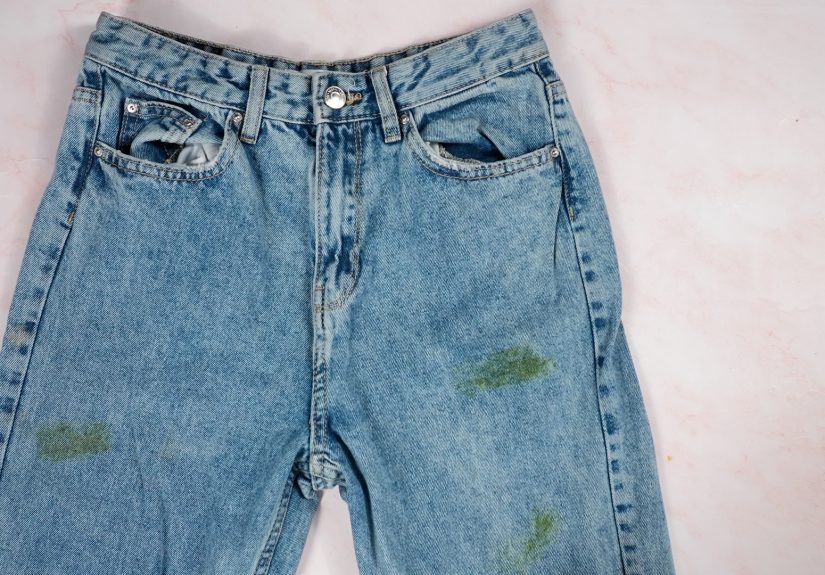
Grass stains have a special talent for showing up at the worst possible time. One minute you are living your best life at a picnic, baseball game, backyard barbecue, or slightly overconfident attempt at “light gardening.” The next minute, your favorite jeans look like they lost a wrestling match with a lawn. Annoying? Absolutely. Permanent? Not usually.
If you know how to treat denim properly, grass stains are beatable. The trick is understanding that grass is not just “dirt.” It is a mix of plant pigment, proteins, and ground-in grime, which is why a lazy toss into the washer often does nothing except give the stain time to settle in and get comfortable. The good news is that you do not need a chemistry degree or a cabinet full of expensive specialty products to fix the problem.
In this guide, you will learn exactly how to get grass stains out of jeans using eight powerful DIY hacks that actually make sense. These methods are practical, affordable, and easy to do with items many people already have at home. I will also cover the mistakes that make stains worse, how to protect dark denim, and what to do when the stain has been sitting there long enough to think it owns the place.
Why Grass Stains Are So Hard to Remove
Grass stains are stubborn because they are a double threat. First, the green color comes from plant pigments such as chlorophyll, which cling to fibers. Second, the stain often includes natural proteins and dirt from the ground. Denim, especially cotton-rich denim, absorbs all of that like it is collecting souvenirs from the outdoors.
That is why ordinary rinsing often is not enough. You usually need a pretreatment that helps loosen the pigment and break down the stain before washing. Translation: your jeans need a plan, not just hope and a spin cycle.
Before You Try Any DIY Hack
Follow these quick rules first
Before using any stain-removal method, brush off loose dirt or dried grass. If the stain is fresh, rinse the area with cold water from the back of the fabric if possible. This helps push some of the stain out instead of deeper into the denim.
Always test your DIY solution on a hidden area first, especially if your jeans are dark, black, distressed, or stretchy. Denim dye can be dramatic. It does not always enjoy surprise chemistry experiments.
And one more golden rule: do not put the jeans in the dryer until the stain is fully gone. Heat can set leftover pigment and make round two much harder.
How to Get Grass Stains Out of Jeans: 8 Powerful DIY Hacks
1. Liquid Laundry Detergent Pretreat
This is the best first move for most grass stains. A liquid detergent, especially one designed for tough stains, can work directly into the fibers and start breaking down the mess before the wash even begins.
How to do it: Apply a small amount of liquid laundry detergent directly onto the stain. Use your fingers or a soft toothbrush to gently work it into the denim. Let it sit for 10 to 15 minutes. Then wash the jeans in the warmest water safe for the care label.
Why it works: Liquid detergent spreads well, reaches into the stain, and is often strong enough to tackle the protein-and-pigment combo that makes grass stains so annoying.
Best for: Fresh stains, everyday blue jeans, and people who like simple solutions that do not require opening five different bottles.
2. White Vinegar and Water Spray
White vinegar has earned its place in the DIY cleaning hall of fame. For grass stains, a diluted vinegar solution can help loosen the discoloration and prep the fabric for washing.
How to do it: Mix equal parts white vinegar and water in a small bowl or spray bottle. Apply the mixture to the stain and let it sit for 10 to 15 minutes. Blot gently with a clean cloth, then rinse with cool water. Follow with regular detergent and wash.
Why it works: Vinegar can help break up residue and discoloration, especially when the stain is not deeply set yet.
Best for: Light to medium stains, spot-cleaning, and jeans that need a gentler first approach.
3. Baking Soda Paste
If the stain is clinging on like it pays rent, a baking soda paste can add a mild scrubbing boost. It is especially useful when you want a more targeted treatment without soaking the whole pair of jeans.
How to do it: Mix baking soda with a little water until it forms a spreadable paste. Apply the paste to the stained area. Let it sit for 15 to 20 minutes, then gently scrub with a soft toothbrush. Rinse with cold water and wash as usual.
Why it works: Baking soda helps lift grime from the surface of the fibers and adds a gentle abrasive effect that can help fade the stain.
Best for: Localized stains on knees, cuffs, or seat areas where grass has been rubbed in.
4. Dish Soap for Fresh Grass Marks
Sometimes the stain is still new and has not had time to settle in. That is where dish soap can come in handy. It is designed to cut through residue and can work surprisingly well when you catch the stain early.
How to do it: Mix a few drops of dish soap with cool water. Dab the solution onto the stain and gently blot or rub with a soft cloth. Let it sit for about 10 minutes, rinse, then wash with laundry detergent.
Why it works: Dish soap helps loosen grime and oils that may be mixed into the grass stain. It is not always enough on old stains, but it is excellent as an early response.
Best for: Fresh stains from kids, sports, park trips, and “I’ll just sit here for one second” moments.
5. Dish Soap and Hydrogen Peroxide Rescue Mix
This is one of the strongest household combos for stubborn grass stains on washable jeans. If a basic detergent pretreat is not cutting it, this hack is worth trying next.
How to do it: Mix a small amount of dish soap with hydrogen peroxide. Apply the mixture to the stain and let it sit for around 20 to 30 minutes. Gently scrub with a soft brush, rinse with cool water, and wash as usual.
Why it works: Dish soap helps loosen the grime while hydrogen peroxide helps lift organic discoloration.
Use caution: Hydrogen peroxide can have a mild bleaching effect, so always spot-test first. It is generally safer on light or medium denim than on very dark or heavily dyed jeans.
6. Rubbing Alcohol for Stubborn Green Pigment
When the stain looks more green than muddy, rubbing alcohol can help break up the plant pigment. This is often a smart move when the jeans have already been washed once and the green tint is still hanging around like an uninvited guest.
How to do it: Place a towel behind the stained area. Dampen a cotton ball or cloth with rubbing alcohol and gently blot the stain. Do not scrub like you are trying to erase bad decisions from history. Work carefully from the outside inward. Once the green begins to transfer, rinse with cool water and follow with detergent.
Why it works: Rubbing alcohol helps loosen the pigment part of the stain, which can be harder to tackle with soap alone.
Best for: Lingering green shadows and set-in grass marks.
7. Color-Safe Oxygen Bleach Soak
If your jeans are washable and the stain is older or widespread, a color-safe oxygen bleach soak can be a powerful next step. This is not the same as chlorine bleach, which can damage or fade denim.
How to do it: Follow the product directions to mix an oxygen bleach soak with water. Soak the stained part of the jeans or the whole garment for the recommended time, then wash normally.
Why it works: Oxygen bleach is excellent for lifting many organic stains and can be especially helpful when the grass stain has had time to settle into the fibers.
Best for: Old stains, large stained areas, and light or medium washes that need a deeper treatment.
8. Overnight Enzyme Soak for Old, Dried, or Washed-In Stains
If the jeans have already gone through the wash, air-dried, sat in a hamper for a week, and been emotionally abandoned, do not give up. An overnight soak can still save them.
How to do it: Fill a sink or basin with cool water and add a small amount of enzyme-based laundry detergent. Let the jeans soak for several hours or overnight. The next day, gently work more detergent into the stain and wash in the warmest water safe for the fabric.
Why it works: Time matters. A longer soak gives the detergent more opportunity to break apart the stain and loosen whatever has bonded to the denim.
Best for: Dried stains, older jeans, and “I forgot about these in the laundry basket” situations.
Which DIY Hack Should You Try First?
If the stain is fresh, start with cold water and liquid detergent. That solves a surprising number of grass-stain problems before they turn dramatic.
If the stain is visible but not deeply set, try vinegar or baking soda next. If the stain is older or darker, move to rubbing alcohol, the dish soap and hydrogen peroxide mix, or an oxygen bleach soak. For the absolute toughest cases, use the overnight enzyme soak and repeat the treatment before drying.
In other words, do not start with the most aggressive option unless the stain gives you a very good reason.
Mistakes That Make Grass Stains Worse
Using hot water too soon
Hot water before pretreating can lock in parts of the stain. Start cold, treat the stain, and then wash according to the care label.
Rubbing too hard
Aggressive scrubbing can spread the stain, rough up the denim, and fade the color. Gentle pressure wins more often than panic-cleaning.
Skipping the spot test
Dark denim can react differently to vinegar, peroxide, or alcohol. Test first, especially on black jeans.
Drying before checking
This is the big one. If you cannot tell whether the stain is gone, let the jeans air dry and inspect them in bright light. The dryer is not forgiving.
How to Protect Jeans While Removing Grass Stains
Jeans are durable, but not indestructible. If your denim contains stretch fibers such as elastane, use a softer touch and avoid over-scrubbing. For raw denim or very dark washes, try the gentlest methods first and keep the treatment focused only on the stained area.
When possible, turn the jeans inside out during washing, use a mild cycle, and avoid overloading the machine. Clean jeans are nice. Clean jeans that still look like jeans are even better.
Real-Life Experiences With Grass Stains on Jeans
One of the funniest things about grass stains is how predictable they are and how convinced we are, every single time, that this one will somehow be different. It never is. A lot of people first learn how stubborn grass stains can be from childhood sports. Baseball practice, soccer drills, school field day, family reunions in the park, and neighborhood races all seem to end with one kid proudly announcing they “slid safely” while a parent silently stares at green-streaked denim and rethinks every life choice that led to that moment.
In many households, the first instinct is to throw stained jeans straight into the washer and hope for the best. That usually leads to disappointment. The jeans come out cleaner overall, but the knees still have that faint green-gray shadow, like the stain is now part of the design concept. After that, people tend to get more strategic. They start learning that timing matters. Treating the stain the same day almost always gives better results than letting it sit for three days in a laundry pile under a damp towel and one athletic sock of doom.
Another common experience is discovering that dark jeans are a little more dramatic than light wash pairs. A cleaning method that works beautifully on faded blue denim may be too strong for black jeans or indigo denim, which is why spot testing becomes one of those boring but wise habits. Many people only become believers in spot testing after one “tiny little cleaning experiment” leaves behind a patch that looks like a moonbeam hit the thigh.
There is also the universal lesson that some stains come out in stages. People often expect a single treatment to erase the mark completely, but real laundry does not always work like a makeover montage. Sometimes the stain lightens after the first round, fades more after the second, and disappears after an overnight soak. That does not mean the method failed. It means the stain was deeply worked into the fibers and needed patience instead of panic.
Parents, gardeners, dog owners, hikers, and anyone who has ever sat on “just a slightly damp lawn” all tend to report the same thing: the best results usually come from a calm routine. Brush off the dirt. Rinse with cold water. Apply a stain treatment. Let it sit. Wash. Check before drying. Repeat if necessary. It is not glamorous, but it works. And once you figure out your go-to method, grass stains stop feeling like disasters and start feeling like mildly irritating side quests.
The biggest practical takeaway from real-life experience is this: jeans are usually more salvageable than they look in the moment. A nasty grass stain can look hopeless when it is fresh, especially on the knee or seat where the fabric gets the most abuse. But with the right DIY hack and a little patience, most pairs bounce back surprisingly well. So yes, your favorite jeans may have had a rough afternoon on the lawn. No, that does not mean they are headed for the donation pile or retirement as “painting pants.” Most of the time, they just need better stain strategy.
Final Thoughts
If you have been wondering how to get grass stains out of jeans without ruining the fabric, the answer is simpler than it seems: act fast, start with cold water, choose the right DIY method, and keep heat out of the equation until the stain is gone. From liquid detergent and vinegar to baking soda, rubbing alcohol, and oxygen bleach, there is usually a solution that fits the severity of the stain and the type of denim you are working with.
The smartest approach is to begin with the gentlest effective option and work your way up only if needed. Grass stains may be stubborn, but they are not magic. They are just messy little reminders that fun happened outside.