Table of Contents >> Show >> Hide
- Why This Chowder Has Such a Big Reputation
- What Makes Legal Sea Foods-Style Chowder Different?
- Legal Seafood's Clam Chowder Recipe
- Fresh Clams vs. Canned Clams
- Tips for Getting the Flavor Closer to the Real Thing
- What to Serve with Clam Chowder
- Common Mistakes That Can Sink the Whole Pot
- How to Store and Reheat It
- Why This Recipe Works
- Experience: Why Making This Chowder Feels Bigger Than Dinner
- Final Spoonful
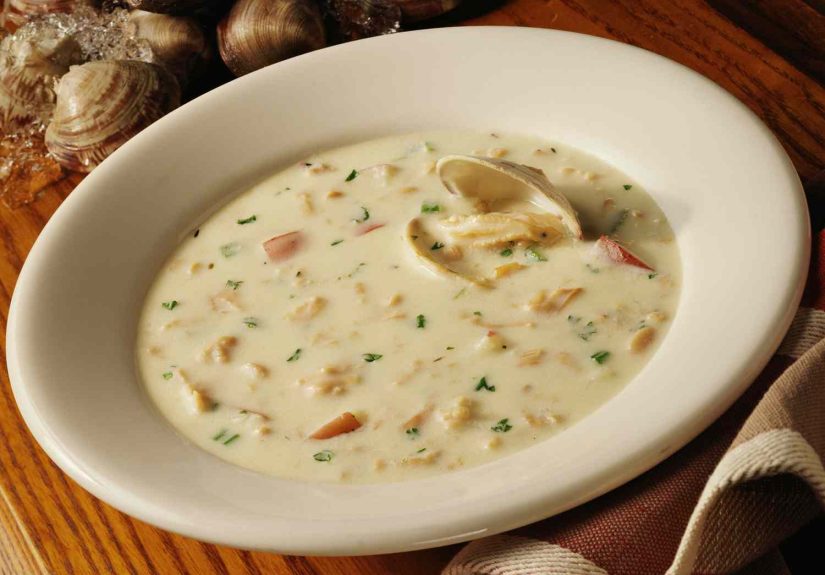
If there were a New England security blanket, it would probably come in a bowl, arrive steaming, and be dotted with oyster crackers like tiny edible life preservers. That, in a gloriously creamy nutshell, is the appeal of Legal Sea Foods-style clam chowder. It is rich without being ridiculous, briny without tasting like you swallowed the harbor, and comforting in the way only potatoes, cream, clams, and a little pork magic can manage.
Now, let’s clear the chowder-scented air right away: the official brand is Legal Sea Foods, plural, and its chowder is famous for good reason. What follows is a deeply researched, home-kitchen-friendly recreation of that classic flavor profile. In other words, this is not a sad, gluey impersonation. This is the kind of chowder that makes people go quiet for a second after the first spoonful, which is the culinary equivalent of a standing ovation.
Why This Chowder Has Such a Big Reputation
Legal Sea Foods has built an almost mythic reputation around its New England clam chowder, and not because it hired a fog machine and a string quartet. The chowder became iconic because it nails the essentials: tender clams, hearty potatoes, onions, creamy broth, and the deep savory backbone that comes from salt pork. It is old-school New England comfort food polished just enough to feel restaurant-worthy, but still humble enough to seem right at home on a snowy night, a rainy afternoon, or frankly any day that ends in “y.”
Part of the fascination comes from its history. The chowder became nationally famous thanks to its connection to presidential inaugural events, which gave a very Boston bowl a very Washington moment. But the real reason people keep talking about it is simpler: it tastes like the kind of recipe somebody’s toughest grandmother would approve of with one stern nod.
What Makes Legal Sea Foods-Style Chowder Different?
It tastes like clams first, cream second
A lot of bad chowders hide behind dairy like a comedian hiding behind a brick wall after bombing on stage. Good chowder does not do that. The Legal Sea Foods style starts with clam flavor. That means clam broth or clam juice matters, and fish stock adds another layer of savory depth. The cream is there to round everything out, not to bulldoze the seafood flavor into oblivion.
Salt pork is the quiet hero
Salt pork is not flashy. It is not trendy. It will never have a social media manager. But it gives chowder that savory, smoky richness that bacon can imitate and sometimes improve upon, though purists may clutch their soup spoons in protest. The rendered fat flavors the onions, and the crisp bits add texture that keeps the chowder from feeling one-note.
Potatoes are supposed to help, not hijack
The best potatoes for chowder hold their shape just enough while releasing some starch into the pot. That gives the soup body without turning it into mashed potatoes with trust issues. Russets work well when you want a little natural thickening, while Yukon Golds give a slightly creamier, buttery texture. Either one beats turning your chowder into a beige cement experiment.
The texture should be creamy, not spoon-spackling
Classic New England chowder should feel rich, but it should still move in the bowl. If your spoon stands upright like it is auditioning for a sword-in-the-stone remake, something has gone terribly wrong. A light roux, starch from the potatoes, and gentle dairy are enough. This chowder is luxurious, not construction material.
Legal Seafood’s Clam Chowder Recipe
This version is designed for home cooks who want that signature restaurant-style flavor without needing a fish market, a culinary degree, and a very patient clam shucker on standby. You can make it with fresh clams for maximum bragging rights, or use quality chopped clams and bottled clam juice for a weeknight-friendly route.
Ingredients
- 4 ounces salt pork, finely diced, or 5 slices thick-cut bacon
- 2 tablespoons unsalted butter
- 1 large yellow onion, finely chopped
- 1 small garlic clove, minced
- 3 tablespoons all-purpose flour
- 2 cups bottled clam juice
- 2 cups fish stock
- 1 1/2 pounds Yukon Gold or russet potatoes, peeled and cut into small cubes
- 2 cups chopped clam meat, preferably fresh or frozen, thawed
- 1 cup reserved clam liquor or additional clam juice
- 2 cups light cream
- 1 cup whole milk
- 1 teaspoon Worcestershire sauce
- 2 to 3 dashes hot sauce
- 1/2 teaspoon freshly ground black pepper, plus more to taste
- Salt, if needed
- Oyster crackers, for serving
- Optional garnish: chopped chives or the reserved pork cracklings
Instructions
- Render the salt pork. In a heavy soup pot or Dutch oven, cook the salt pork over medium-low heat until the fat renders and the pieces turn crisp. Remove the cracklings with a slotted spoon and set aside. If using bacon, do the same thing and try not to eat all the crispy bits before the soup is done. This is a test of character.
- Build the base. Add the butter to the pot, then stir in the onion and garlic. Cook for about 5 to 7 minutes, until softened and fragrant but not browned. Chowder wants sweet, mellow onions, not caramelized drama.
- Make a light roux. Sprinkle in the flour and stir constantly for 1 to 2 minutes. You are just cooking out the raw flour taste. Do not aim for a dark roux here. This is chowder, not gumbo’s distant cousin.
- Add the liquids. Slowly whisk in the clam juice and fish stock. Stir until smooth. Add the potatoes and bring the pot to a gentle simmer.
- Cook the potatoes. Simmer for 12 to 15 minutes, or until the potatoes are tender. Mash a few cubes against the side of the pot if you want a slightly thicker texture without adding more flour.
- Add the clams and seasonings. Stir in the clam meat, reserved clam liquor, Worcestershire sauce, hot sauce, and black pepper. Simmer gently for about 3 minutes. Do not boil. Clams go from tender to rubber-band convention very quickly.
- Finish with dairy. Lower the heat and stir in the cream and milk. Warm through gently for 5 minutes. Taste before salting, because clam juice and salt pork can already bring plenty of salinity to the party.
- Serve like you mean it. Ladle into warm bowls and top with oyster crackers and a few reserved cracklings. Fresh chives are optional but nice. Serve immediately while everyone hovers nearby pretending they were “just passing through the kitchen.”
Fresh Clams vs. Canned Clams
If you want the most authentic flavor, fresh littlenecks or cherrystones are excellent. Steam them until they open, strain the broth carefully to remove grit, chop the meat, and proceed like a coastal champion. That said, good frozen or canned chopped clams can still make a terrific chowder. The trick is to use a quality bottled clam juice and avoid overcooking the clams once they hit the pot.
Fresh clams deliver a sweeter, cleaner ocean flavor and make the broth more alive. Canned clams win on convenience and still work well for a home-style version. This is one of those rare kitchen moments where practicality is allowed to sit at the grown-ups’ table.
Tips for Getting the Flavor Closer to the Real Thing
Use fish stock if you can
One detail that separates restaurant-level chowder from bland supermarket soup sadness is the broth. Fish stock adds savory depth that plain milk and clam juice cannot fake. If you cannot find fish stock, use more clam juice and a splash of water, but know you are giving up a little nuance.
Don’t skip the Worcestershire and hot sauce
These two ingredients do not shout; they whisper. That is exactly what you want. They add a subtle savory tang and background heat that make the chowder taste more complete without turning it into spicy seafood soup.
Let it rest for a few minutes
Chowder often tastes even better after sitting briefly off the heat. The flavors settle in, the texture becomes silkier, and the whole pot seems to exhale. The next day can be even better, provided you reheat it gently and do not boil the dairy into surrender.
What to Serve with Clam Chowder
Oyster crackers are the obvious classic, and honestly, they are classic for a reason. But you have options. A hunk of crusty sourdough is excellent. So is a simple oyster cracker-and-butter situation, which sounds low effort because it is. If you want a fuller meal, pair the chowder with a crisp green salad, a lobster roll for a full New England flex, or even a plain grilled cheese if your day has been especially rude.
Common Mistakes That Can Sink the Whole Pot
- Boiling after adding the cream: this can split the dairy and toughen the clams.
- Over-thickening: chowder should coat the spoon lightly, not cling to it like emotional baggage.
- Under-seasoning: black pepper matters, and a tiny dash of Worcestershire makes a difference.
- Overcooking the clams: clams should be tender, not chewy enough to qualify as cardio.
- Ignoring texture: some potato starch is good; potato mush is not.
How to Store and Reheat It
Cool the chowder and refrigerate it in an airtight container for up to 3 days. Reheat it slowly over low heat, stirring often. Do not let it boil. If the chowder thickens too much in the fridge, loosen it with a splash of milk, fish stock, or clam juice. Freezing is possible, but cream-based soups can get a little moody after thawing, so fresh is best whenever possible.
Why This Recipe Works
This chowder works because it respects what makes New England clam chowder great in the first place. It does not try to be clever with twenty ingredients, truffle oil, or some deeply confusing foam situation. It builds flavor in layers: rendered pork, softened onion, seafood-rich broth, tender potatoes, sweet clams, and enough cream to make it luscious without turning the whole bowl into a dairy lecture.
It also balances restaurant nostalgia with real-life cooking. You get the rich, creamy, deeply savory effect people associate with Legal Sea Foods, but in a version you can actually make on a Tuesday without needing a seafood truck to back into your driveway.
Experience: Why Making This Chowder Feels Bigger Than Dinner
There is something unexpectedly theatrical about making clam chowder, even if your kitchen is the size of an apologetic hallway. The minute the salt pork starts rendering, the room smells like old-school comfort and sensible winter coats. Then the onions hit the pot, and suddenly it feels as if your stove has developed a New England accent. By the time the clam juice and fish stock go in, the whole place smells like a cold shoreline and a warm restaurant at the same time, which is a pretty magical trick for one pot and a wooden spoon.
The experience gets even better when the potatoes soften and the broth begins to look like actual chowder instead of a hopeful soup draft. There is a strangely satisfying moment when you stir in the cream and the color turns into that classic pale, cozy beige. Not glamorous beige. Not fashion beige. Comfort beige. The kind that says, “Sit down, your day is over, and here is a bowl of help.”
What makes this recipe especially memorable is how it slows people down. A lot of dinners are background noise. You plate them, eat them, scroll something, and forget them by tomorrow. Chowder is different. Chowder demands a bowl, a spoon, and at least a little attention. You do not casually inhale clam chowder while standing at the counter like a raccoon in a hurry. You sit. You scoop. You crack pepper over the top. You add oyster crackers with the solemnity of a tiny soup ceremony.
And then there is the first bite. The potatoes are soft but not collapsing, the clams are briny and tender, and the broth lands somewhere between silky and hearty. The salt pork comes through in little savory flashes, reminding you that subtlety and indulgence can, in fact, get along. It tastes old-fashioned in the best possible way, like a recipe that survived because it earned the right to.
This chowder also has a way of making people sentimental, including people who normally communicate only through shrugs and sports scores. Serve it to family and suddenly someone is talking about a winter trip to Boston, a seafood place near the water, a cold day that ended with a hot meal, or that one time they burned their tongue because they refused to wait. It becomes more than dinner. It becomes a story delivery system with cream.
Even the leftovers have a certain charm. The next day, the chowder tastes more settled, more united, as if the clams and potatoes had a productive overnight meeting. Reheated gently, it feels even more comforting, less like restaurant food and more like something your kitchen now knows how to do. That may be the best part of making Legal Sea Foods-style chowder at home. You are not just recreating a famous bowl. You are borrowing a little piece of coastal food culture and letting it live at your table.
So yes, this recipe is delicious. But it is also atmospheric, nostalgic, and just a little ceremonial. It turns an ordinary evening into something warmer, slower, and much more satisfying. And in a world full of rushed meals and disappointing soups, that feels almost heroic.
Final Spoonful
If you love creamy seafood soups with real clam flavor, this Legal Sea Foods-inspired chowder is worth making at least once and probably far more often than that. It is comforting, classic, and just elegant enough to feel special without becoming fussy. Serve it with oyster crackers, good bread, and the confidence of someone who now knows the difference between chowder and edible drywall.