Table of Contents >> Show >> Hide
- What Is Body Polishing?
- 12 Body Polishing Benefits
- 1. It removes dead surface skin cells
- 2. It can make skin feel softer right away
- 3. It can improve the look of dull, tired skin
- 4. It may help moisturizer work more effectively
- 5. It can soften rough areas such as elbows, knees, and ankles
- 6. It can help prep skin before shaving
- 7. It can make self-tanner apply more evenly
- 8. It may help with the feel of clogged, bumpy texture
- 9. It can support a more consistent body-care routine
- 10. It can help skin look more even before special events
- 11. It can feel relaxing and ritual-like
- 12. It gives you a non-makeup way to freshen your appearance
- Who Should Be Careful With Body Polishing?
- How to DIY Body Polishing at Home
- Step 1: Start with warm, not hot, water
- Step 2: Pick a gentle exfoliating method
- Step 3: Use light pressure and keep it brief
- Step 4: Rinse well with lukewarm water
- Step 5: Pat dry, then moisturize immediately
- Step 6: Protect exposed skin the next day
- A Gentle DIY Body Polish Recipe
- How Often Should You Body Polish?
- Common DIY Mistakes to Avoid
- Salon Body Polishing Guide: What to Expect
- DIY vs. Salon: Which One Is Better?
- Frequently Asked Questions
- Final Thoughts
- Experiences Related to Body Polishing: What It Often Feels Like in Real Life
- SEO Tags
Body polishing sounds a little fancy, a little spa-like, and maybe a little suspiciously close to “human furniture refinishing.” Thankfully, it is much less dramatic than that. In simple terms, body polishing is a form of gentle body exfoliation followed by hydration. The goal is not to scrub yourself into another dimension. The goal is to remove some of the dull, dry surface buildup that can make skin feel rough and look tired, then seal things in with lotion, cream, or oil.
When done properly, body polishing can leave skin feeling smoother, softer, and more comfortable. It can also make your body-care routine feel more intentional instead of looking like a random pile of shower products that somehow multiplied overnight. But there is a right way to do it, a too-much way to do it, and a “why does my elbow feel offended?” way to do it.
This guide breaks down what body polishing is, 12 benefits people often notice, how to do it safely at home, what to expect from a salon treatment, who should be cautious, and what real-world body polishing experiences usually feel like. The short version: body polishing can be useful, but your skin does not need aggressive scrubbing to earn respect.
What Is Body Polishing?
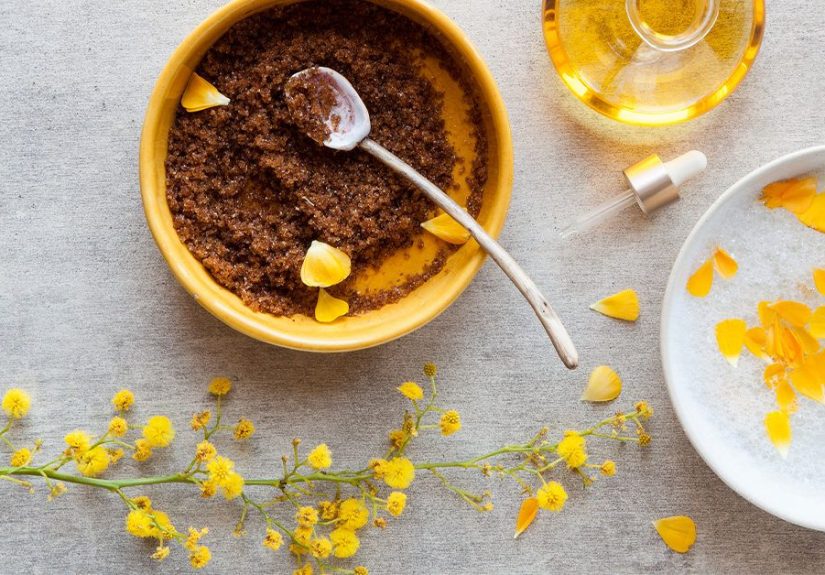
Body polishing is a body treatment that combines exfoliation with moisturizing care. In a salon or spa, it often involves an exfoliating scrub, a rinse or shower, and then a nourishing lotion, cream, or body oil. At home, the same idea applies: gently remove dead surface skin cells, rinse, and follow with hydration.
Some treatments are purely physical, meaning they use fine granules or a textured cloth to buff the skin. Others lean chemical, using ingredients such as lactic acid, glycolic acid, or salicylic acid in body lotions or washes to loosen dead skin more gently. Some people also combine the process with dry brushing, shaving prep, or self-tan prep. What body polishing is not is a miracle detox, a replacement for medical skin care, or a mandatory step for “good” skin. It is simply one grooming tool that can make skin feel smoother and more cared for.
12 Body Polishing Benefits
1. It removes dead surface skin cells
The most obvious body polishing benefit is exfoliation. By loosening and lifting away dry surface cells, body polishing can help rough or flaky skin feel smoother. Think elbows, knees, calves, and heels: the usual suspects.
2. It can make skin feel softer right away
This is the instant-gratification benefit people love. After a gentle polish, the skin often feels softer to the touch because the rough outer layer has been reduced and moisture has been added back in.
3. It can improve the look of dull, tired skin
If your skin has been looking a little flat, wintery, or “I forgot lotion existed,” body polishing may help restore a fresher look. The glow is usually temporary and cosmetic, but it can be noticeable.
4. It may help moisturizer work more effectively
Lotions and creams tend to spread more evenly on freshly exfoliated skin. That does not mean products suddenly become magical, but it does mean they are less likely to sit on top of dry flakes like confused icing.
5. It can soften rough areas such as elbows, knees, and ankles
Body polishing is especially useful for areas that collect dryness and friction. A gentle body polish followed by a rich cream can make those rough patches feel more comfortable and look less ashy.
6. It can help prep skin before shaving
Exfoliating before shaving can help remove surface buildup and may reduce the chance of ingrown hairs for some people. The keyword here is before, not “scrub wildly after the razor has already made its point.”
7. It can make self-tanner apply more evenly
Self-tanner loves dry patches almost as much as glitter loves carpets. Exfoliating first can help create a more even surface so color is less likely to grab onto rough spots.
8. It may help with the feel of clogged, bumpy texture
If you deal with mild roughness on the arms, thighs, or seat, gentle exfoliation may improve the way your skin feels. It is not a cure-all, and it should never be harsh, but it can be a helpful maintenance step.
9. It can support a more consistent body-care routine
Body polishing encourages people to pay attention to areas they usually ignore. Once you start regularly moisturizing your legs instead of pretending they are self-sustaining, your skin often feels the difference.
10. It can help skin look more even before special events
Before vacations, weddings, beach days, or any event involving sleeves that are missing on purpose, body polishing can help skin look smoother and more polished in the everyday sense of the word.
11. It can feel relaxing and ritual-like
The physical act of massaging in a scrub, rinsing off, and applying lotion can be calming. In a salon setting, the treatment may feel even more soothing because the whole experience is built around slowing down for once.
12. It gives you a non-makeup way to freshen your appearance
Not every glow has to come from shimmer drops, body makeup, or strategic bathroom lighting. A good body polish can make skin look healthier and better cared for without making you look like a disco ball at noon.
Who Should Be Careful With Body Polishing?
Body polishing is not for every skin situation. You should skip it or be extra cautious if you have open cuts, sunburn, an active rash, eczema flares, inflamed acne on the body, severe irritation, or skin that already feels raw. If you use strong retinoids, exfoliating acids, or acne treatments on the body, it is smart to go slowly and avoid stacking too many exfoliating steps together.
If your skin is sensitive, body polishing does not have to be off-limits, but it should be gentle, brief, and infrequent. Fragranced products, rough salt crystals, hard brushes, and aggressive scrubbing can backfire quickly. When in doubt, choose milder formulas and lower friction. Skin care should not feel like punishment.
How to DIY Body Polishing at Home
A good DIY body polish routine is simple, safe, and realistic. You do not need twelve products, ceremonial music, or a bathtub carved from a mountain. You need a gentle approach and a moisturizer you will actually use.
Step 1: Start with warm, not hot, water
Take a warm shower or bath for a few minutes first. This helps soften the outer layer of skin so exfoliation is more comfortable. Very hot water can dry skin out, so keep the temperature pleasant, not lava-adjacent.
Step 2: Pick a gentle exfoliating method
You have a few good options:
- A mild body scrub with fine particles
- A soft washcloth or exfoliating mitt used lightly
- A body wash or lotion with gentle chemical exfoliants such as lactic acid or salicylic acid
If your skin is sensitive, a soft cloth or a gentle chemical body lotion is often a smarter move than a gritty scrub.
Step 3: Use light pressure and keep it brief
Massage the product onto damp skin using small circular motions and a very light hand. Focus on rough areas like elbows, knees, calves, and heels. About 30 seconds per area is enough. More pressure does not equal better results. It usually equals regret.
Step 4: Rinse well with lukewarm water
Rinse away the scrub completely. If you plan to shave, doing it after a gentle polish can help the razor glide more smoothly.
Step 5: Pat dry, then moisturize immediately
Do not towel-dry like you are trying to erase evidence. Pat your skin dry and apply a moisturizer while the skin is still slightly damp. Creams and lotions help reduce the dryness that exfoliation can trigger.
Step 6: Protect exposed skin the next day
If you exfoliated skin that will be exposed to sunlight, use sunscreen. Freshly exfoliated skin can be more sensitive, especially if you used acids.
A Gentle DIY Body Polish Recipe
If you really want a homemade option, keep it simple and mild:
- 2 tablespoons finely ground oats
- 2 tablespoons plain yogurt
- 1 teaspoon honey
- 1 teaspoon lightweight oil, optional
Mix into a soft paste and use it gently on damp skin. This kind of recipe is more cushiony than gritty, which is good news for skin that gets cranky fast. Patch test first, use it once, and do not save leftovers like they are gourmet meal prep.
How Often Should You Body Polish?
For most people, once a week is a sensible starting point. If your skin is resilient, you may tolerate body polishing once or twice a week. If your skin is dry or sensitive, less is usually more. If you notice stinging, redness, peeling, or tightness that lingers, cut back.
Common DIY Mistakes to Avoid
- Scrubbing too hard
- Using gritty scrubs on irritated skin
- Exfoliating over sunburn, cuts, or active rashes
- Using too many acids at once
- Skipping moisturizer afterward
- Exfoliating daily because your patience filed a complaint
Over-exfoliation is one of the easiest ways to turn a “glow routine” into a “why is everything stinging?” situation. If your skin starts feeling shiny, tight, sore, or extra reactive, your barrier may be asking for a break.
Salon Body Polishing Guide: What to Expect
If you book a professional body polish, the treatment usually starts with a consultation or at least a few questions about your skin. A therapist or esthetician may ask whether you are sensitive to fragrance, whether you have any active irritation, and what kind of finish you want. Translation: smooth and hydrated, not “please remove my personality with the dead skin.”
What happens during the treatment?
Most salon body polish services include:
- A full-body exfoliating scrub or polish
- A rinse, shower, or Vichy-style rinse depending on the spa
- A finishing product such as lotion, cream, body butter, or oil
Some spas add dry brushing, a wrap, scalp massage, or aromatherapy. The exact experience varies, but the theme is the same: exfoliate first, hydrate second, leave feeling smoother than when you arrived.
How to prepare for a salon body polish
- Do not arrive with sunburned or freshly irritated skin
- Avoid shaving immediately beforehand if your skin gets razor burn
- Tell the spa about allergies, eczema, or fragrance sensitivity
- Ask what kind of scrub they use if you know your skin is reactive
Questions worth asking before you book
- Is the treatment suitable for sensitive skin?
- Are the products heavily fragranced?
- Do you use sugar, salt, enzymes, or acids?
- What should I avoid after the treatment?
Aftercare
After a salon body polish, moisturize regularly, avoid harsh scrubs for a few days, and use sunscreen on exposed skin. If the treatment included stronger exfoliating ingredients, your skin may feel smoother but also more delicate for a short time.
DIY vs. Salon: Which One Is Better?
DIY body polishing is cheaper, faster, and easier to control. You can choose your own products, skip ingredients you hate, and stop the second something feels wrong. It is ideal for maintenance and for people who prefer simple routines.
Salon body polishing is better if you want a more luxurious experience, hard-to-reach coverage, and a built-in relaxation factor. It also makes sense before events or vacations, especially if you want the whole “I have my life together” illusion without having to deep-clean your shower afterward.
In truth, the best option depends on your skin type, budget, schedule, and tolerance for bathroom cleanup. The good news is that smooth skin does not care where it got the memo.
Frequently Asked Questions
Is body polishing the same as body scrubbing?
They are very similar. “Body polishing” usually sounds more spa-like and often includes a hydration step. “Body scrub” usually refers more specifically to the exfoliating product or step itself.
Can body polishing lighten skin?
It can temporarily brighten the look of dull skin by removing dry surface buildup, but it is not a safe or realistic shortcut to changing your natural skin tone. Healthy skin care should focus on comfort, texture, and barrier support, not pressure to chase someone else’s shade card.
Can I do body polishing if I have keratosis pilaris?
Maybe, but gently. Mild exfoliation may help the feel of rough bumps, but harsh scrubbing can make the area more irritated. Many people do better with gentle chemical exfoliants and consistent moisturizing than with aggressive manual scrubs.
Can I do it before waxing or shaving?
Before shaving, yes, gentle exfoliation can help. Before waxing, many people exfoliate a day or two ahead rather than right before. The goal is smooth prep, not freshly irritated skin.
What should I do if my skin feels irritated afterward?
Stop exfoliating, switch to bland moisturizer, avoid fragranced products, and give your skin time to recover. If irritation is severe or does not calm down, check with a dermatologist.
Final Thoughts
Body polishing can be a useful and satisfying part of a body-care routine when it is done gently and followed by hydration. The real benefits are straightforward: smoother texture, softer skin, a fresher appearance, and better prep for steps like shaving or self-tanner. The trick is not to overdo it.
If your skin is sensitive, start small. If your skin is dry, moisturize like you mean it. If your skin is irritated, skip the polish and focus on repair. And if you ever catch yourself thinking, “Maybe I should scrub harder,” that is usually your sign to do the exact opposite.
In other words, body polishing works best when it feels like skin care, not a home improvement project.
Experiences Related to Body Polishing: What It Often Feels Like in Real Life
For first-timers, the most common body polishing experience is surprise. Not because the treatment is dramatic, but because the difference can feel immediate in a very practical way. People often expect a huge visual transformation, then realize the biggest change is tactile. Their arms feel smoother, their legs feel less rough against clothing, and lotion glides on instead of sitting there like it is waiting for permission. It is less “movie montage makeover” and more “oh, my skin feels comfortable again.”
A common at-home experience goes like this: someone decides to try body polishing because their skin feels dry, especially around the knees, elbows, and lower legs. They use a gentle scrub in the shower, rinse off, apply a cream, and then spend the next six hours touching their own forearm like it is a luxury fabric sample. That reaction is extremely on-brand. Soft skin is weirdly convincing. The downside is that people sometimes mistake that good first result for a reason to exfoliate constantly. Then the skin gets tight, reactive, or stingy, and the lesson arrives wearing a bathrobe: more is not better.
Salon experiences tend to feel more indulgent. People often describe professional body polishing as part treatment, part forced vacation for their nervous system. There is usually a stronger relaxation component because someone else is doing the work, the products smell nicer than your average drugstore aisle, and nobody is asking you where the clean towels are. The skin often feels velvety afterward, but many people remember the overall calm just as much as the smoothness. That is one reason salon body polishing is popular before weddings, trips, and other events where people want to feel put-together from head to toe.
Sensitive-skin experiences are more mixed, and honestly, that is useful to know. Some people do beautifully with a mild polish once every week or two. Others discover that gritty scrubs, strong fragrance, or overenthusiastic rubbing make their skin angry fast. For them, the better experience often comes from switching to a soft washcloth or a body lotion with a gentle exfoliating acid rather than a classic scrub. This is the less glamorous truth about skin care: sometimes the best routine is the one that looks boring and works anyway.
There is also a seasonal angle. In colder months, body polishing can feel like a reset button for dry, flaky skin, especially when paired with thick moisturizer. In warmer months, people often like it before shaving, wearing shorts, or applying self-tanner. Across all of these experiences, one pattern shows up again and again: the best results come from being consistent, gentle, and realistic. Body polishing can absolutely help skin feel smoother and look fresher, but the happiest outcomes usually belong to people who treat it as maintenance, not a miracle.