Table of Contents >> Show >> Hide
- What body lice actually are
- Early signs of body lice: what people notice first
- How to check for body lice at home
- Body lice vs. other itchy problems
- How to stop body lice quickly
- Do you need lice medicine?
- When to see a healthcare provider
- How to prevent body lice from coming back
- What the experience often looks like in real life
- Final takeaway
Body lice are not subtle houseguests. They do not knock, they do not contribute to rent, and they absolutely do not improve the vibe. What they do is feed on human blood, cause serious itching, and turn ordinary clothing into a tiny insect highway. The good news? A body lice infestation is usually very treatable, especially when you catch it early and deal with the real source of the problem: clothing, bedding, and hygiene access.
If you have been waking up itchy, spotting scratch marks around your waist or shoulders, or wondering why a rash keeps showing up where your clothes press against your skin, body lice deserve a spot on the suspect list. They are different from head lice, different from bed bugs, and definitely different from a random dry-skin episode that picked the worst possible week to appear.
This guide walks you through the early signs of body lice, how to check for an infestation, what works fast, what does not, and when it is time to call a healthcare provider. The goal is simple: help you recognize body lice early and shut the situation down before it becomes a full-blown scratch-fest.
What body lice actually are
Body lice are tiny parasitic insects that feed on human blood. Unlike head lice, they do not spend most of their time living in hair. Instead, body lice usually live in the seams and folds of clothing and bedding, then crawl onto the skin several times a day to feed. That detail matters because it changes how you find them and how you get rid of them.
Body lice are most likely to spread in crowded living conditions or when someone does not have regular access to bathing, laundry, or clean clothing. They can spread through close person-to-person contact, but they can also move through shared clothing, towels, bedding, and other fabric items. Pets are not the source. Your dog can stop looking offended now.
Body lice are also the lice type that public-health experts worry about most because they can carry certain diseases. That does not mean every infestation turns into a medical emergency, but it does mean body lice should be taken seriously and treated quickly.
Early signs of body lice: what people notice first
The earliest symptom is usually itching. Not a polite little itch. More like a repetitive, distracting, “why am I scratching the same spot again?” kind of itch. The itching happens because your body reacts to the lice bites.
1. Itching where clothes press against the skin
Body lice often bite in places where seams and tight clothing touch the body. Common trouble spots include the waist, groin, upper thighs, buttocks, abdomen, shoulders, and areas under straps or waistbands. If the itching seems to follow the map of your clothing rather than just one exposed area of skin, that is a clue.
2. A rash or small red bumps
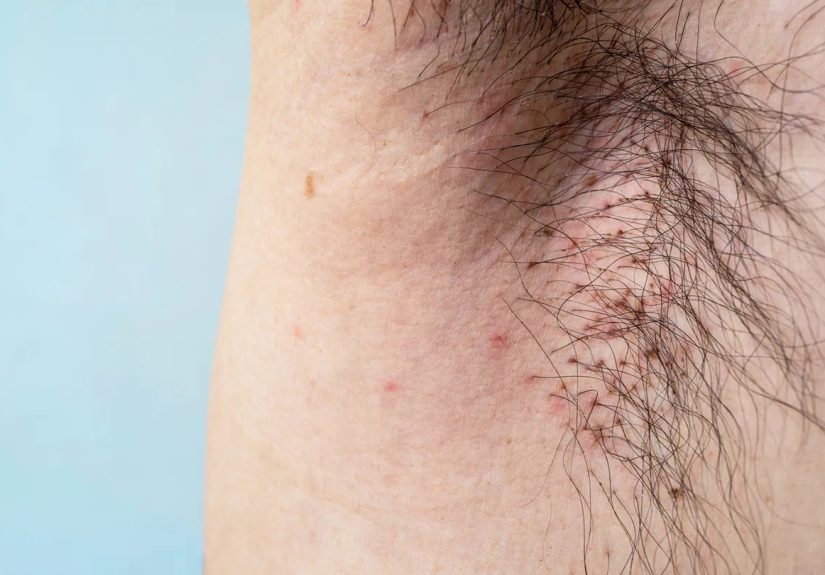
Some people develop small red bumps, irritated patches, or a rash from the bites. On lighter skin, the area may look redder. On darker skin, it may look darker, raised, or irritated rather than bright red. The rash can be easy to mistake for eczema, contact dermatitis, heat rash, or “I guess my skin is being dramatic again.”
3. Scratch marks, crusting, or small sores
Because body lice bites itch intensely, people often scratch until the skin breaks. That can leave linear scratch marks, scabs, crusting, or raw spots. If scratching goes on for a while, the skin can become thickened or more deeply irritated.
4. Signs of secondary infection
When broken skin gets exposed to bacteria, you can develop infection on top of the lice problem. Warning signs include increasing pain, warmth, swelling, pus, yellow crusting, or sores that are not healing. At that point, the issue is no longer just “itchy.” It is “time to get medical advice.”
5. Clues in clothing seams
The biggest giveaway is often not on your skin at all. Body lice and their eggs, called nits, are usually found in the seams of clothing, especially around the waistline and underarm areas. If you inspect the seams of underwear, shirts, pants, pajama bottoms, or bedding and see tiny crawling insects or small oval nits stuck to fibers, that strongly points toward body lice.
How to check for body lice at home
If you suspect body lice, do not just stare at your skin and hope for a revelation. Check the fabrics.
- Take off the clothing you have worn most often recently. Focus on garments that stay close to the skin.
- Inspect the seams carefully. Look at waistbands, underarm seams, cuffs, collars, and folds.
- Use bright light. A flashlight or strong bathroom light helps.
- Grab a magnifying glass if needed. Lice are small, and nits can be easy to miss.
- Check bedding too. Seams, folds, pillow edges, and blankets can harbor lice or nits.
You may see live lice crawling, or you may spot nits attached to the fabric fibers. Some people also notice tiny blood spots or crusted bite marks on the skin where lice have been feeding.
Body lice vs. other itchy problems
Because itchy skin can come from about a hundred different things, it helps to know how body lice differ from the usual suspects.
Body lice vs. head lice
Head lice live on the scalp and hair, especially near the neck and behind the ears. Body lice live mainly in clothing and bedding and only come onto the skin to feed. If your scalp is the main battlefield, think head lice. If the itching is worse around the waist, torso, and places where clothes rub, think body lice.
Body lice vs. bed bugs
Bed bugs hide in mattresses, furniture, and cracks in the environment. Body lice usually live in clothing seams. Bed bug bites often show up on exposed skin after sleep. Body lice bites often cluster where clothing touches the body. If the bugs are in the shirt seams instead of the mattress corners, that is a very different story.
Body lice vs. scabies
Scabies is caused by tiny mites that burrow into the skin, often causing intense nighttime itching and bumps in places like the finger webs, wrists, elbows, waistline, and genitals. Body lice do not burrow into skin. They bite, then retreat back to fabric. That means the clothing inspection is far more useful for body lice than for scabies.
Body lice vs. eczema or irritation
Eczema and irritation can look similar, but they do not leave live insects or nits in clothing seams. If you have a rash plus evidence in the fabric, mystery solved.
How to stop body lice quickly
The fastest way to stop body lice is to treat both the person and the clothing environment. You are not just treating itchy skin. You are evicting the actual population.
Step 1: Bathe thoroughly
A full bath or shower with soap and water is the first move. This helps remove lice from the skin and improves hygiene, which is central to treatment. In many cases, better hygiene plus clean clothing is enough to end the infestation.
Step 2: Change into clean clothes immediately
Do not put the same clothes back on after bathing unless they have already been properly washed and dried. That is basically handing the lice a return ticket.
Step 3: Wash infested clothing and bedding the right way
Machine-wash clothing, towels, and bedding in hot water at at least 130°F (54°C). Then machine-dry everything on a high-heat cycle. Heat matters because it helps kill both live lice and nits.
Step 4: Handle unwashable items correctly
If something cannot be washed, dry cleaning is a strong option. Another practical approach is sealing the item in a plastic bag for two weeks. That gives the lice time to die off without access to a human host.
Step 5: Vacuum soft surfaces
Vacuuming mattresses, upholstered furniture, rugs, and car seats can help remove stray lice or nits that have fallen off clothing. This is useful, but it does not need to turn into a full-scale home renovation.
Step 6: Skip the foggers and fumigation fantasy
You do not need to fog the house, spray the mattress with mystery chemicals, or call in a dramatic movie-scene pest operation. Public-health guidance does not recommend fumigant sprays or fogs for lice control. They are unnecessary and can expose people to toxic chemicals without adding real benefit.
Step 7: Avoid sharing fabric items
Until the infestation is cleared, do not share clothing, towels, bedding, blankets, or upholstered sleeping surfaces. Body lice are basically opportunists with a talent for fabric travel.
Do you need lice medicine?
Often, body lice improve with bathing and access to clean, properly laundered clothes and bedding. That is why public-health guidance puts so much emphasis on hygiene and laundry rather than jumping straight to medication.
However, if the infestation is severe, persistent, or does not improve after thorough bathing and laundering, a healthcare provider may recommend a pediculicide, which is a medicine that kills lice. Products such as permethrin or pyrethrin may be used in some cases, but they are not always necessary for uncomplicated body lice.
If you are considering an over-the-counter lice treatment, read the label carefully and follow the directions exactly. Some products are not appropriate for certain ages, for pregnancy, or for people with specific sensitivities. When in doubt, ask a pharmacist or healthcare provider before starting treatment.
When to see a healthcare provider
Body lice are often manageable at home, but some situations call for medical help.
- If the itching and rash do not improve after bathing and proper laundering
- If you see pus, worsening redness, increasing pain, swelling, or crusted sores
- If you are not sure whether it is body lice, scabies, bed bugs, or another skin condition
- If the person affected is very young, medically fragile, or cannot safely use over-the-counter treatments
- If there is fever, severe headache, confusion, body aches, or a new widespread rash along with suspected body lice
That last group of symptoms matters because body lice can spread infections such as epidemic typhus, louse-borne relapsing fever, and Bartonella quintana infection. Those complications are not the norm, but they are important enough that you should not ignore systemic symptoms.
How to prevent body lice from coming back
Once body lice are gone, you want them to stay gone. Prevention is mostly about fabric hygiene and reducing opportunities for spread.
- Bathe regularly
- Change into clean, machine-washed clothing at least weekly
- Wash bedding, towels, and frequently worn clothes on a regular schedule
- Avoid sharing clothing, towels, and bedding
- Pay attention to shelters, camps, dorm-style living, and other crowded settings where laundry access may be limited
- Recheck recently worn clothing seams if itching returns
Prevention is especially important in group living environments, where one untreated infestation can quietly become everybody’s problem.
What the experience often looks like in real life
One of the trickiest things about body lice is that people often do not identify them right away. The early symptoms are easy to write off as dry skin, heat rash, detergent irritation, or “something bit me, I guess.” In real life, body lice are often recognized only after the pattern becomes impossible to ignore.
A common experience starts with itching around the waistline. Someone notices they keep scratching under the elastic band of their pants or along the sides of their torso. At first, they assume it is sweat, a new laundry detergent, or skin irritation from tight clothing. A day or two later, the itching spreads to the shoulders or upper thighs. Then the scratching becomes automatic. They are no longer deciding to scratch; their body is just filing complaints every few minutes.
Another common scenario involves sleep. A person feels especially itchy after getting dressed for the day or when putting on the same sweatshirt, jeans, or pajamas they have been reusing. They may sleep badly, wake up irritated, and notice little crusted spots or scratch marks in places clothing seams rub the skin. Because body lice live in fabric, symptoms can seem connected to particular outfits or bedding rather than a specific patch of skin.
Some people first notice the emotional side before they identify the physical cause. They feel embarrassed, frustrated, or grossed out, even though body lice are not a sign that someone is lazy or dirty as a person. In many cases, infestations happen because of limited access to clean clothes, laundry, bathing, travel conditions, shared living spaces, or prolonged wear of infested items. That distinction matters. Shame does not kill lice. Clean clothes and correct treatment do.
There is also the “false alarm turned real diagnosis” experience. Someone thinks they have bed bugs because the bites are on the body, not the scalp. They strip the bed, inspect the mattress, and find nothing. Then they finally check the seams of a shirt, coat, or underwear and spot tiny moving insects or attached nits. That is the moment the mystery turns into a plan.
For people with more prolonged infestations, the experience can become exhausting. Constant itching leads to more scratching, broken skin, soreness, and sometimes infection. The skin may start to look rougher, darker, or more irritated in the most affected areas. At that stage, the person is not just uncomfortable. They are worn down. Sleep gets worse. Concentration drops. Everything feels itch-centered.
The reassuring part is that once the clothing and bedding are treated correctly, relief can begin surprisingly fast. Many people describe the biggest emotional shift as realizing the solution is practical, not mysterious. Wash the fabrics hot. Dry them hot. Bathe. Change into clean clothes. Do not reuse contaminated items. Recheck seams. Get medical help if the rash looks infected or symptoms are not improving. In other words, body lice are awful, but they are not unbeatable.
Final takeaway
Body lice are easy to miss early because the first signs can look like everyday itchy-skin problems. But the pattern matters: intense itching, bites or rash where clothing presses the skin, scratch marks, and most importantly, lice or nits in clothing seams. If you act early with thorough bathing, hot washing, high-heat drying, clean clothing, and sensible follow-up, you can usually stop an infestation quickly. No panic required. No house-fogging drama required. Just a sharp eye, hot laundry, and a strong commitment to not letting your waistband become an insect neighborhood.