Table of Contents >> Show >> Hide
- What “personalized vitamins” really mean in 2025
- A quick reality check (aka: supplements aren’t magic)
- How we chose the best personalized vitamins for 2025
- 1) Persona Nutrition Best overall for support + smarter safety screening
- 2) Nurish by Nature Made Best “big brand” personalized pack for everyday simplicity
- 3) HUM Nutrition Best for dietitian access and lifestyle-focused goals
- 4) Vous Vitamin Best for all-in-one convenience (especially if you hate “pill piles”)
- 5) VitaminLab Best for truly custom formulas (the “made-to-order” crowd)
- How to pick the right personalized vitamin service for you
- FAQ: Personalized vitamins in 2025
- Real-World Experiences With Personalized Vitamins (About )
- Conclusion
Personalized vitamins are basically the “choose your own adventure” version of supplementsexcept the dragon you’re fighting is
“I don’t know what I actually need,” and the treasure is “a routine you’ll actually stick with.”
In 2025, vitamin subscriptions got smarter (better quizzes, more clinician input, better quality controls) and also more honest:
most of us don’t need a suitcase of pillsjust a thoughtful plan that fills real gaps without creating new problems.
This guide breaks down the 5 best personalized vitamin services for 2025, who they’re for, what makes each one worth
your money, and how to avoid the common “oops, I’m accidentally taking three different sources of zinc” situation.
What “personalized vitamins” really mean in 2025
“Personalized” can mean wildly different things depending on the brand. Here’s the quick translation:
-
Quiz-based recommendations: You answer questions about diet, goals, lifestyle, and sometimes meds.
The service suggests a stack (and ships it monthly). -
Clinician-guided personalization: Similar quiz, but with access to a registered dietitian or licensed nutritionist,
and stronger screening for interactions or unnecessary overlap. -
True custom formulas: Instead of “a pack of separate pills,” you get a made-to-order blend (often one capsule or a
small number of capsules) based on your inputs and sometimes lab results.
None of these are automatically “better”they’re just different levels of precision, convenience, and cost.
The best choice is the one that matches your goals, budget, and tolerance for effort.
A quick reality check (aka: supplements aren’t magic)
A personalized vitamin plan can be genuinely usefulespecially if your diet has gaps, your life stage has specific needs,
or you’re trying to simplify a chaotic shelf of half-empty bottles. But supplements don’t replace food.
If your diet is already strong, a personalized pack might mostly buy you convenience (which is still a valid purchase).
Also: “natural” doesn’t mean “risk-free.” Some nutrients have upper limits, and some ingredients can interact with medications.
The smartest personalized services try to prevent “too much of a good thing.”
How we chose the best personalized vitamins for 2025
To pick the top options, we looked for services that balance personalization + safety + quality + usability.
Specifically:
- Personalization quality: Do they go beyond a shallow quiz? Do they consider diet patterns and lifestyle?
- Safety checks: Do they ask about medications? Do they help avoid duplicates and mega-doses?
- Quality signals: Clear labeling, responsible sourcing, and manufacturing standards (and, ideally, third-party verification).
- Professional support: Access to an RD or nutritionist earns major points.
- Flexibility: Can you pause, swap, or adjust easilyor are you locked into “the pack has decided”?
- Value: Not the cheapestjust the best “what you pay vs what you get.”
1) Persona Nutrition Best overall for support + smarter safety screening
Persona is a top pick for people who want personalization that feels more “real” than “vibes.”
It’s quiz-based, but it shines with deeper routine-building and stronger attention to medication/supplement conflicts.
If you’ve ever thought, “I should probably not mix random herbs with my prescriptions,” Persona is the friend who nods hard.
Why it stands out
- Detailed assessment: Covers diet, goals, lifestyle, and medication use.
- Custom daily packs: Easy adherenceopen packet, take, move on with your life.
- Human help: Options for nutrition support, depending on your plan.
Best for
- People taking medications or managing multiple health goals who want a service that tries to avoid conflicts.
- Anyone who wants a “done-for-you” routine but still wants control to add/remove items.
Good to know
Persona can be very budget-friendly or get pricey fast depending on how many add-ons you choose.
The key is to build a lean stack: start with what covers real gaps, then add only what earns its spot.
Example (what personalization can look like)
A mostly plant-based eater who rarely gets sun might see a plan that emphasizes B12 and vitamin Dwhile someone who eats fish
weekly and already takes a multivitamin might get fewer add-ons and more “skip what you don’t need.”
2) Nurish by Nature Made Best “big brand” personalized pack for everyday simplicity
Nurish is the “I want personalization, but I also want something that feels mainstream and steady” option.
It’s built around a short quiz, then you receive daily packets with a curated combo of supplements.
Think of it as personalization with training wheelsin a good way.
Why it stands out
- Simple onboarding: Quiz → suggested routine → daily packets.
- Convenience-first design: Great if you travel or hate managing bottles.
- Easy adjustments: You can modify your pack as goals change.
Best for
- Beginners who want guidance and convenience without feeling overwhelmed.
- People who want a pack that’s easy to stick with long-term.
Good to know
You’re paying for convenience and guidance. If you already know exactly what you need and you’re disciplined about buying
your own supplements, you can probably replicate the routine for less. But if you’re not disciplinedNurish is basically
discipline delivered in the mail.
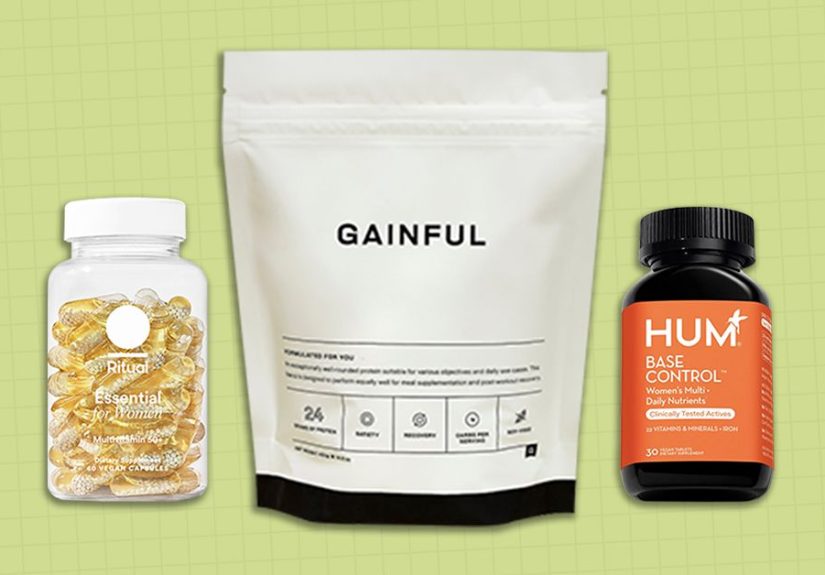
3) HUM Nutrition Best for dietitian access and lifestyle-focused goals
HUM is popular for a reason: it’s approachable, the quiz is quick, and the vibe is less “medical exam”
and more “let’s fix your routine without making you cry.” It’s especially strong if your goals are related to
skin, digestion, mood, stress, sleep, and general wellnessplus you can typically access registered dietitian guidance.
Why it stands out
- Fast quiz + clear recommendations: Good mix of guidance and autonomy.
- RD support: Helpful if you want someone to sanity-check your stack.
- Broad product library: Lets you fine-tune over time.
Best for
- People who want personalization plus the ability to ask, “Do I actually need this?”
- Anyone who likes a wellness-forward approach and wants to evolve their routine gradually.
Good to know
HUM is modular, so costs depend on how many products you choose. The smartest approach is to start with 1–2 priorities,
then reassess after a few weeks. Your body doesn’t need a 14-item surprise party.
4) Vous Vitamin Best for all-in-one convenience (especially if you hate “pill piles”)
Vous focuses on an “all-in-one” multivitamin approachcustomized based on a physician-built quiz.
Instead of multiple separate pills in a daily pack, the goal is to reduce your supplement clutter and simplify the routine.
This is for the people who look at a handful of capsules and think, “Is this wellness… or is this a snack?”
Why it stands out
- All-in-one philosophy: Designed to reduce how many separate products you take.
- Physician-led framing: Built around a structured intake questionnaire.
- Subscription simplicity: Often positioned with fixed pricing approaches and straightforward delivery.
Best for
- People who want personalization but don’t want a pack of many separate items.
- Anyone who values “easy to take, easy to remember” over maximum customization.
Good to know
It’s still a supplement, not a replacement for bloodwork or medical care.
Also, if you need high-dose therapeutic supplementation (like correcting a diagnosed deficiency), you may still need a targeted plan.
5) VitaminLab Best for truly custom formulas (the “made-to-order” crowd)
If you want personalization that goes beyond picking from a menu, VitaminLab is the standout.
It’s aimed at custom formulationsoften used by practitioners, but also appealing to detail-oriented people who want a blend
built to spec.
Why it stands out
- True customization: More “custom formula” than “bundle of existing products.”
- Good for precision: Useful when you’re trying to avoid fillers, duplicates, or unnecessary extras.
- Works well with lab-guided plans: Especially if you’re coordinating with a clinician.
Best for
- People who want a made-to-order approach and are comfortable being more hands-on.
- Those working with a practitioner who wants tighter control over ingredients and dosing.
Good to know
Custom formulas are often less “impulse buy” and more “deliberate health project.”
That’s not a bad thingjust know what you’re signing up for.
How to pick the right personalized vitamin service for you
Step 1: Decide what you actually want personalized
- Convenience: You’re busy; you’ll pay for packets/pills that remove friction.
- Filling dietary gaps: You want a plan based on how you eat (vegan, low dairy, low fish, etc.).
- Support: You want access to a pro to help avoid unnecessary or risky combos.
- Precision: You want custom formulations and fewer “bonus ingredients you didn’t ask for.”
Step 2: Audit what you already take
Personalized services are greatuntil you accidentally stack duplicates. A classic example:
a multivitamin + “immune support” + “hair/skin/nails” can quietly triple up on certain nutrients.
Before you start, list everything you already take (including protein powders, greens powders, and fortified drinks).
Step 3: Look for quality signals, not just pretty packaging
Quality isn’t just “the label has a leaf on it.” Look for:
- Manufacturing standards: cGMP compliance is a baseline.
- Third-party verification: Seals like USP Verified or NSF certifications can add confidence in label accuracy.
- Transparent dosing: Clear amounts, not “proprietary blend” mystery math.
Step 4: If you’re under 18 (or pregnant, or managing a condition), talk to a clinician first
This matters. Teens, pregnant people, and anyone with medical conditions or medications can have different nutrient needs
and different safety considerations. A quick conversation with a healthcare professional can prevent expensive mistakes.
FAQ: Personalized vitamins in 2025
Do personalized vitamins work better than a regular multivitamin?
Sometimes the biggest “benefit” is adherence. If personalization helps you take the right things consistentlyand avoid what you don’t need
that can be a meaningful upgrade. But personalization isn’t a guarantee of better outcomes.
Your baseline diet, sleep, stress, and activity still do most of the heavy lifting.
Should I get bloodwork first?
If you suspect a deficiency (common examples people ask about: vitamin D, iron, B12), lab testing can be more useful than guessing.
A high-quality personalized service can help you avoid guessing, but it’s still not the same as diagnostics.
Are DNA-based vitamin recommendations worth it?
DNA can be interesting, but it’s not a magic map to perfect supplementation.
Genetics may influence risk and metabolism, but lifestyle and diet can matter just as muchor more.
If you like the “data-driven” experience, treat DNA-based suggestions as a starting point, not a final verdict.
Real-World Experiences With Personalized Vitamins (About )
People usually start a personalized vitamin subscription for one of three reasons: they’re overwhelmed, they’re inconsistent,
or they’re tired of buying bottles that expire before they’re finished. In real life, the first “win” tends to be psychological:
the routine stops feeling like a messy scavenger hunt and starts feeling like a plan.
One common experience is the “I didn’t realize I was doing too much” moment. A lot of subscribers discover they were
stacking overlapping supplementslike a multivitamin plus extra zinc plus an immune blendwithout meaning to.
After switching to a personalized plan, they often end up taking fewer total products because the service consolidates the routine.
It’s not glamorous, but “less chaos” is a legitimate health upgrade.
Another frequent experience is the convenience glow-up. Travelers and busy professionals love daily packets because there’s
no pill organizer, no rummaging through cabinets, and no “Did I take that already?” spiral.
The packets also reduce decision fatigueone small step you can complete even when your brain is running on low battery.
Some people describe this as “my routine finally became automatic,” which is exactly why subscriptions exist.
Then there’s the sticker-shock phase. Many people feel excited on day one… and slightly betrayed on day two when they see the monthly total.
Personalized vitamins often cost more than store-bought options because you’re paying for curation, packaging, and delivery.
The people who stay subscribed tend to be those who value consistency and simplicity, or those who struggled to keep a routine without external structure.
The people who cancel usually realize they can replicate the essentials for less, especially once they’ve learned what they actually need.
Results vary, and the most honest reviews sound like this: “I feel a bit better, but I’m not sure what’s from the vitamins and what’s from me
finally sleeping.” That’s not a failurethat’s reality. Supplements are rarely dramatic. The more noticeable improvements people report are often tied to
correcting a true gap (like not getting enough vitamin D from sun exposure, or not getting B12 in a plant-based diet). Others notice subtler benefits:
fewer missed days, better routine compliance, and more mindful choices because they’re paying attention.
A smart way people evaluate their experience is by tracking a few specific things for 4–8 weeksenergy, digestion regularity, sleep quality,
workout recovery, or hair/skin changesrather than expecting a superhero transformation overnight.
If nothing changes, they simplify the stack, adjust the goal focus, or talk to a clinician about testing.
The “best” experience is rarely the biggest stack; it’s the most intentional one.
Conclusion
The best personalized vitamins for 2025 aren’t the fanciestthey’re the ones that match your needs, reduce your guesswork, and keep you from overdoing it.
If you want deeper safety screening and support, start with Persona. If you want an easy mainstream pack, Nurish by Nature Made
is a strong choice. If you want dietitian access and lifestyle-focused personalization, HUM stands out.
If you crave simplicity, Vous is built for all-in-one convenience. And if you want the most “custom formula” experience,
VitaminLab is the precision pick.
Final pro tip: personalization works best when you treat it as a living routine. Start simple, adjust based on results, and keep food as the foundation.
Your supplements should support your lifenot become your life.