Table of Contents >> Show >> Hide
- What Is the Tetu Cast Iron Doorstop?
- Why Mjolk Is the Right Home for This Object
- The Beauty of Nambu Cast Iron
- Makoto Koizumi and the Art of Useful Simplicity
- Why a Doorstop Deserves More Attention
- Design Details That Make the Tetu Doorstop Stand Out
- How to Style the Tetu Cast Iron Doorstop
- Where the Tetu Doorstop Works Best
- Is the Tetu Doorstop Worth It?
- How It Compares to Other Decorative Doorstops
- Care and Maintenance Tips
- What This Doorstop Says About Modern Home Design
- Experience Notes: Living With a Beautifully Simple Doorstop
- Conclusion
Some home accessories shout for attention. Others quietly do their job, hold the room together, and make everyone else look more polished. The Tetu Cast Iron Doorstop at Mjolk belongs proudly to the second group. It is small, heavy, sculptural, and almost comically simple: a cast iron object inspired by the shape of a river stone, made to keep a door open without looking like something grabbed from the garage.
At first glance, calling a doorstop “beautiful” may seem like giving a standing ovation to a paper clip. But good design has a funny way of turning the ordinary into something worth noticing. A doorstop is one of those humble household accessories most people ignore until the door slams shut during a breezy afternoon, traps the dog in the hallway, or announces your arrival with the acoustic drama of a cymbal crash. The Tetu doorstop solves that problem with calm, weighty elegance.
Sold by Mjolk, the Toronto design shop known for its thoughtful mix of Japanese craft and Scandinavian simplicity, the Tetu Cast Iron Doorstop reflects a larger design idea: everyday tools should be useful, honest, and beautiful enough to live in plain sight. It is not trying to be cute. It is not shaped like a cat, a boot, or a tiny Victorian gentleman. It is a rock-like object with purpose, and that is exactly why it works.
What Is the Tetu Cast Iron Doorstop?
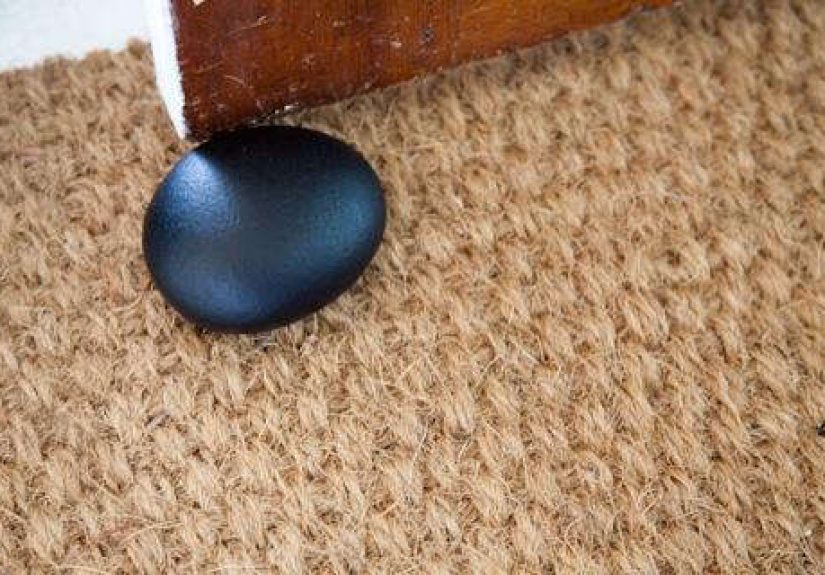
The Tetu Cast Iron Doorstop is a compact, weighty home accessory designed by Japanese designer Makoto Koizumi. Its form is inspired by smooth river stones, the kind you might pick up on a walk and absentmindedly turn over in your hand. Instead of being carved from actual stone, however, it is made from Nambu cast iron, a traditional Japanese material with deep roots in the Iwate region of northern Japan.
The result is a doorstop that feels both ancient and modern. It has the quiet presence of a natural object, but the precision of a designed tool. It measures roughly the size of a palm, depending on the retailer’s listed specifications, and weighs enough to hold a door reliably in place. Some versions are described with silicone feet on the underside, helping prevent scratches while giving the piece a practical grip.
That combinationsmall size, serious weight, and refined finishis what makes the Tetu doorstop special. It does not need a decorative flourish because the material, proportion, and texture already do the talking. Think of it as the strong silent type of entryway accessories.
Why Mjolk Is the Right Home for This Object
Mjolk, sometimes styled as Mjölk, is not a typical home store packed with fast-moving trends and seasonal knickknacks. Founded in 2009 by John Baker and Juli Daoust, the shop has built its reputation around functionality, craftsmanship, and timeless design. Its selection often blends Japanese artisan work, Scandinavian furniture, handmade objects, and quiet household tools that reward close attention.
That philosophy makes the Tetu Cast Iron Doorstop feel right at home. It is not a novelty item. It is not decor pretending to be useful. It is a useful object that happens to be beautiful. In a world where many home accessories are either purely decorative or aggressively practical, this little cast iron piece lands comfortably in the middle.
Mjolk’s broader design language values objects that improve daily rituals: a kettle that pours well, a chair that ages gracefully, a bowl that makes breakfast feel slightly more civilized, and yes, a doorstop that keeps a door open without ruining the room’s mood. The Tetu doorstop fits that collection because it understands the assignment. It works, it lasts, and it looks better than the pile of shoes currently doing the same job.
The Beauty of Nambu Cast Iron
Nambu cast iron, also known as Nambu Tekki, is a traditional Japanese ironware craft associated mainly with Morioka and Oshu in Iwate Prefecture. Its history reaches back centuries, with roots in tea ceremony kettles, cooking vessels, and household tools. The material is admired for durability, weight, heat retention, and its distinctive dark, tactile surface.
When used for a doorstop, Nambu cast iron makes perfect sense. You need mass. You need stability. You need a surface that can handle daily use. Cast iron brings all three. But it also brings character. Unlike plastic or rubber door wedges that look like emergency supplies from an office closet, cast iron feels intentional. It has visual gravity as well as physical gravity.
The Tetu doorstop uses that quality beautifully. Its river-stone shape softens the industrial toughness of iron. It does not feel like a machine part, even though it is made through a casting process. It feels organic, grounded, and calmbasically the design equivalent of taking a deep breath before answering emails.
Makoto Koizumi and the Art of Useful Simplicity
Makoto Koizumi is known for designing objects that emphasize everyday use, subtle details, and material honesty. His work often asks a simple question: how can an ordinary tool become easier, better, and more pleasurable to use? That question is visible in the Tetu Cast Iron Doorstop.
The design does not overcomplicate the task. A doorstop needs to stay put, hold weight, avoid damaging the floor, and be easy to move when needed. Instead of adding handles, patterns, colors, or visual tricks, Koizumi gives the object a smooth, pebble-like form. It is pleasant to touch, easy to understand, and visually quiet enough to suit many interiors.
This kind of simplicity is harder than it looks. Anyone can make a doorstop weird. Making one feel inevitable is the real design magic.
Why a Doorstop Deserves More Attention
Doorstops are among the most overlooked home accessories, yet they solve several everyday problems. They keep doors open for airflow, prevent slamming, protect walls and furniture, and make moving between rooms easier when your hands are full. If you have ever tried to carry groceries, laundry, a laptop, and one wildly ambitious cup of coffee through a stubborn door, you already understand the emotional value of a good doorstop.
Historically, doorstops have also been decorative objects. Heavy decorative stops came into use centuries ago, especially as doors and hinges evolved. Many older versions were shaped like animals, figures, flowers, or architectural forms. The Tetu doorstop belongs to that decorative tradition, but it updates it for modern interiors. Instead of ornament, it offers restraint.
That restraint is useful in contemporary homes. Many people today prefer cleaner spaces, natural materials, and objects that do not visually clutter a room. The Tetu doorstop adds texture and function without screaming, “Look at me, I am a door accessory!” And honestly, we should all aspire to that level of confidence.
Design Details That Make the Tetu Doorstop Stand Out
1. The River Stone Shape
The river stone inspiration is the heart of the design. Rounded, low, and compact, the shape feels familiar without being literal. It creates a natural softness that balances the hardness of cast iron. This makes the doorstop easy to place in minimalist, rustic, Japanese-inspired, Scandinavian, industrial, or modern interiors.
2. The Weight
A doorstop must be heavy enough to do its job. Lightweight decorative objects may look nice, but once a spring-loaded door starts pushing back, they can slide away in defeat. The Tetu doorstop’s cast iron construction gives it practical authority. It stays grounded, which is more than can be said for many of us before coffee.
3. The Texture
Nambu cast iron often has a subtly textured surface, and the Tetu doorstop benefits from that tactile quality. It looks refined but not glossy, handmade but not rough. The finish gives the piece depth, allowing it to catch light gently rather than sparkle or shine.
4. The Small Footprint
Because the Tetu doorstop is compact, it works well in small spaces. It does not block traffic, dominate an entryway, or create a tripping hazard when placed thoughtfully. For apartments, narrow hallways, studios, and compact homes, that matters.
5. The Multiuse Potential
Some retailers describe the Tetu doorstop as useful not only for doors but also as a paperweight. That makes sense. Its weight, size, and sculptural quality translate easily to a desk, shelf, console table, or studio workspace. It can hold mail, anchor papers, or simply sit there looking serene while your inbox misbehaves.
How to Style the Tetu Cast Iron Doorstop
The easiest way to style the Tetu doorstop is to let it do its job near a door. But because it has such a sculptural look, it can also become part of a room’s visual composition. Place it near a natural wood floor, beside a linen curtain, next to a black metal door frame, or in an entryway with a woven basket and a simple bench. It will look intentional without looking staged.
In a minimalist interior, the dark iron adds contrast. In a rustic space, it echoes natural stone and hand-forged materials. In a Scandinavian-inspired room, it supports the theme of utility and restraint. In a Japanese-inspired setting, it fits beautifully with wood, paper, ceramic, and other quiet materials.
For an entryway, pair it with a narrow console, a catchall tray, wall hooks, and a mirror. These practical pieces help create a landing zone that feels organized instead of chaotic. The doorstop becomes one small part of a bigger system: the place where shoes come off, keys stop disappearing, and guests quietly decide whether your home has its life together.
Where the Tetu Doorstop Works Best
The Tetu Cast Iron Doorstop is best suited for interior doors where you want both function and beauty. It can work especially well in:
- Entryways: Hold the door open while bringing in groceries, packages, or luggage.
- Home offices: Keep the door open while adding a calm, design-forward desk accessory.
- Bedrooms: Stop doors from drifting shut during warm weather or when windows are open.
- Living rooms: Support airflow and movement between shared spaces.
- Studios and creative spaces: Use it as a doorstop, paperweight, or small sculptural object.
Because it is made from cast iron, placement matters. On delicate floors, the silicone feet or protective pads are important. If a floor is especially soft, newly finished, or prone to marking, it is wise to test the doorstop gently before daily use. Beautiful design should not come with a surprise floor repair bill.
Is the Tetu Doorstop Worth It?
Whether the Tetu Cast Iron Doorstop is worth it depends on how you think about home accessories. If you only need the cheapest possible wedge to keep a door open, a basic rubber stopper will do. It will not win any design awards, but it will probably survive under the laundry room door.
But if you enjoy objects that combine craftsmanship, function, and visual calm, the Tetu doorstop makes a strong case for itself. It is the kind of accessory you buy once and keep for years. It does not rely on color trends, seasonal patterns, or novelty appeal. Its value comes from material, form, and usefulness.
In that sense, it belongs to a smarter category of home decor: pieces that earn their place. A good accessory should either solve a problem, improve a daily ritual, or bring lasting beauty to a space. The Tetu doorstop quietly does all three.
How It Compares to Other Decorative Doorstops
Decorative doorstops come in many forms: brass floor stops, hinge-pin stops, rubber wedges, weighted fabric animals, antique cast iron figures, wall-mounted bumpers, magnetic catches, and novelty shapes that may or may not resemble a sleepy dachshund. Each type has its place.
Mounted stops are excellent for protecting walls. Rubber wedges are inexpensive and practical. Fabric doorstops can soften a cottage or country-style room. Antique cast iron pieces add charm and history. The Tetu doorstop, however, stands apart because it is portable, modern, tactile, and visually restrained. It does not need installation, and it does not impose a theme on the room.
That makes it flexible. You can move it from room to room as needed. You can use it in a modern apartment today and a wood-paneled cabin tomorrow. It has enough personality to feel designed, but not so much personality that it starts demanding its own Instagram account.
Care and Maintenance Tips
Cast iron is durable, but it still benefits from sensible care. Keep the Tetu doorstop dry, wipe it with a soft cloth when dusty, and avoid harsh chemical cleaners. If it is used near an exterior door, make sure it is not left in standing water or exposed to constant moisture. Iron and water have a complicated relationship, and rust is usually how that relationship announces itself.
When moving the doorstop, lift it rather than dragging it across the floor. This is especially important on wood, stone, tile, or painted surfaces. If the underside has protective feet, check them occasionally to make sure they remain clean and secure. A tiny bit of grit under a heavy object can become an uninvited floor-scratching assistant.
With basic care, a cast iron doorstop can last for many years. It is not fragile, fussy, or trendy. It is built for repeated use, which is exactly what good household tools should be.
What This Doorstop Says About Modern Home Design
The popularity of objects like the Tetu Cast Iron Doorstop reflects a broader shift in home design. Many homeowners and renters are moving away from disposable decor and toward smaller numbers of better objects. Instead of filling a room with things that look good for a season, they are choosing accessories with craft, durability, and purpose.
This does not mean every object in your home must be museum-level design. Your junk drawer is safe. But it does suggest that ordinary tools deserve more thought. A hook, broom, tray, kettle, stool, or doorstop can either add to the room or visually interrupt it. The Tetu doorstop adds.
It also reminds us that luxury does not always mean large, shiny, or expensive. Sometimes it means a small object made with care, from a traditional material, shaped with restraint, and used every day. That kind of luxury is quiet. It is also more likely to survive your next redecorating phase.
Experience Notes: Living With a Beautifully Simple Doorstop
There is a particular pleasure in using a home accessory that works so naturally you stop thinking about it. The Tetu Cast Iron Doorstop belongs to that category. After a few days, it becomes part of the rhythm of a room. You nudge it into place with your foot, the door stays open, air moves through the house, and nothing slams. It is not dramatic. That is the point.
In an entryway, the experience is especially satisfying. Imagine coming home with a tote bag, a package, keys, and a phone balanced somewhere between your fingers and your remaining dignity. Instead of wrestling with a door that wants to close at the worst possible moment, you set the door open against the weight of the Tetu stop. Suddenly the whole arrival feels calmer. The door behaves. The hallway breathes. You may still drop the keys, but that is not the doorstop’s fault.
In a home office, it can serve a slightly different role. A closed office door can feel isolating, while an open one can invite interruptions. A door held partly open creates a softer boundary. The Tetu doorstop makes that boundary feel intentional. It also looks good near a desk, particularly alongside notebooks, wood shelving, ceramic cups, or black metal lighting. When not holding a door, it can sit on papers or catalogs like a small, very serious guardian of productivity.
The tactile experience matters too. Many modern accessories are smooth, shiny, and oddly lifeless. Cast iron has presence. It feels cool, dense, and grounded in the hand. The river-stone form makes it pleasant to pick up, while the weight reminds you that this is not a throwaway object. It has a sense of permanence that plastic simply cannot fake.
There is also a small emotional benefit to owning objects that do one thing well. Homes become stressful when too many items are flimsy, temporary, or constantly asking to be replaced. A well-made doorstop is not going to change your life, but it can improve a tiny daily moment. Those tiny moments add up. A door that stays open when you want it open is a small domestic victory, and small domestic victories deserve respect.
The Tetu doorstop is also a good conversation piece precisely because it does not look like it is trying to be one. Guests may notice it and ask whether it is a stone, a sculpture, or some mysterious design object with a name that sounds like a boutique hotel. The answer is wonderfully simple: it is a doorstop. Then everyone looks at it again and quietly reconsiders every doorstop they have ever owned.
For people who enjoy slow design, Japanese craft, Scandinavian interiors, or minimalist home accessories, the Tetu Cast Iron Doorstop at Mjolk offers a small but meaningful lesson. You do not need to transform your entire home to make it feel more considered. Sometimes upgrading one overlooked object is enough to change how a corner, doorway, or entryway feels. A better doorstop will not declutter the closet or fold the laundry, sadly, but it will make the house feel a little more thoughtful.
And that is the charm of this accessory. It is modest but memorable. Practical but poetic. Heavy but graceful. It proves that even the simplest household tool can carry history, craft, and beauty when a designer treats it seriously. In a home full of loud gadgets and overdesigned conveniences, the Tetu doorstop quietly holds its groundliterally.
Conclusion
The Tetu Cast Iron Doorstop at Mjolk is more than a practical object for keeping doors open. It is a small example of how thoughtful design can elevate everyday life. Inspired by river stones, made from traditional Nambu cast iron, and connected to Mjolk’s love of functional craftsmanship, it turns a humble household accessory into something sculptural, useful, and lasting.
For anyone drawn to minimalist decor, Japanese design, Scandinavian simplicity, or beautifully made home accessories, this doorstop is worth noticing. It does not shout. It does not sparkle. It simply sits with quiet confidence, doing its job better than most objects its size. That may be the best kind of design: the kind that works so well it feels obvious after someone else has made it.
Note: This article is written in original American English for web publication and synthesized from real product, design, craft, and home decor information without source-link inserts or citation placeholders.