Table of Contents >> Show >> Hide
- What Are Aluminum Stacking Cafe Chairs?
- Why Aluminum Is a Great Material for Cafe Chairs
- The Space-Saving Power of Stackable Chairs
- Popular Styles of Aluminum Stacking Cafe Chairs
- How to Choose the Best Aluminum Stacking Cafe Chairs
- Indoor vs. Outdoor Use
- Design Tips for Using Aluminum Stacking Cafe Chairs
- Maintenance Tips for Aluminum Stacking Cafe Chairs
- Common Mistakes to Avoid
- Are Aluminum Stacking Cafe Chairs Worth It?
- Real-World Experiences with Aluminum Stacking Cafe Chairs
- Conclusion
Some furniture quietly does its job. Other furniture deserves a tiny round of applause every time the patio closes without a storage crisis. Aluminum stacking cafe chairs belong firmly in the second group. They are light enough for staff to move without muttering dramatic things under their breath, sturdy enough for daily use, and compact enough to stack when the lunch rush turns into sweeping time.
Whether you are furnishing a sidewalk cafe, a restaurant patio, a hotel terrace, a coffee shop, a food court, or a sunny backyard breakfast corner, aluminum stackable chairs offer a smart mix of durability, style, weather resistance, and space-saving convenience. They are not just “metal chairs.” The best designs combine engineering, ergonomics, finish quality, and commercial practicality in one neat little seat.
This guide explores what makes aluminum stacking cafe chairs so popular, how to choose the right ones, where they work best, and what real-life use teaches us about buying furniture that looks good after more than one iced latte season.
What Are Aluminum Stacking Cafe Chairs?
Aluminum stacking cafe chairs are lightweight seating pieces made with aluminum frames or full aluminum construction and designed to nest vertically when not in use. In plain English: they are chairs that do not hog the storage room like a diva in a ball gown.
These chairs are commonly used in restaurants, cafes, bistros, outdoor dining areas, breakrooms, patios, balconies, and event spaces. Many models feature powder-coated aluminum, anodized aluminum, slatted backs, woven seats, synthetic rattan accents, textilene mesh, faux wood details, or simple modern frames. The stacking feature makes them especially useful for businesses that need flexible layouts or seasonal storage.
Why Aluminum Is a Great Material for Cafe Chairs
Aluminum has become one of the most trusted materials for outdoor and commercial furniture because it solves several everyday problems at once. It is naturally resistant to rust, lighter than steel, easier to move than wrought iron, and less likely to crack or rot than wood when exposed to moisture.
For cafe chairs, those qualities matter. Chairs get dragged, stacked, rained on, wiped down, rearranged, stored, bumped by bags, and occasionally attacked by a toddler with a juice box. Aluminum handles that busy lifestyle better than many alternatives.
Lightweight but Surprisingly Strong
One of the biggest advantages of aluminum cafe chairs is weight. Restaurant staff often need to move chairs multiple times a day: opening the patio, adjusting tables, cleaning under seats, preparing for private events, or bringing furniture inside before a storm. A lighter chair reduces strain and speeds up service.
Lightweight does not mean flimsy, though. Quality commercial aluminum chairs are designed with reinforced joints, stable legs, and carefully balanced frames. The best models feel easy to lift but steady when someone sits down. That balance is what separates a proper commercial chair from a “looked cute online, regretted it by Friday” chair.
Rust Resistance for Outdoor Dining
Aluminum does not rust the way iron or untreated steel can. When exposed to air, aluminum forms a protective oxide layer that helps defend the metal from corrosion. This makes aluminum stacking chairs especially useful for patios, poolside cafes, coastal restaurants, and humid climates.
That said, not all aluminum chairs are equal. A chair with a high-quality powder-coated or anodized finish will usually perform better outdoors than a bare, poorly finished frame. If the chair will live outside most of the year, finish quality should be near the top of your checklist.
Easy Maintenance
Aluminum stacking cafe chairs are famously low-maintenance. Most daily messes can be handled with mild soap, water, and a soft cloth. No complicated polishing ritual. No furniture spa day. No need to whisper encouraging words to a weathered wood frame.
For restaurants, this matters because chairs must look clean quickly. A server or closing crew can wipe aluminum chairs efficiently, especially models with smooth frames and simple seats. Chairs with woven or mesh details may require a little more attention, but they are still easier to maintain than many upholstered or natural-fiber options.
The Space-Saving Power of Stackable Chairs
The “stacking” part is not just a bonus feature. It can change how a space operates.
Small cafes and restaurants often have limited storage. Every square foot used for furniture storage is a square foot not used for inventory, prep, staff movement, or customer service. Stackable aluminum chairs help solve that problem by allowing multiple chairs to be stored vertically.
Perfect for Flexible Seating Layouts
One morning, a cafe may need cozy two-tops for coffee drinkers. By lunch, it may need larger table groups. On the weekend, it may host a birthday brunch where everyone insists they are “just having a quick mimosa,” which history tells us is rarely true.
Stacking cafe chairs make it easier to change layouts without turning the dining room into a furniture obstacle course. Staff can pull out extra chairs when needed and stack extras out of the way when traffic slows.
Seasonal Storage Made Easier
Outdoor dining furniture often needs to be stored during storms, winter months, renovations, or off-season periods. Stackable aluminum patio chairs reduce storage headaches because they can be nested in neat columns. This is especially useful for restaurants with sidewalk seating permits, rooftop patios, or limited back-of-house storage.
Popular Styles of Aluminum Stacking Cafe Chairs
Aluminum stacking cafe chairs come in more styles than many people expect. They can look classic, industrial, coastal, European, modern, rustic, or playful depending on the finish and seat design.
Classic Aluminum Bistro Chairs
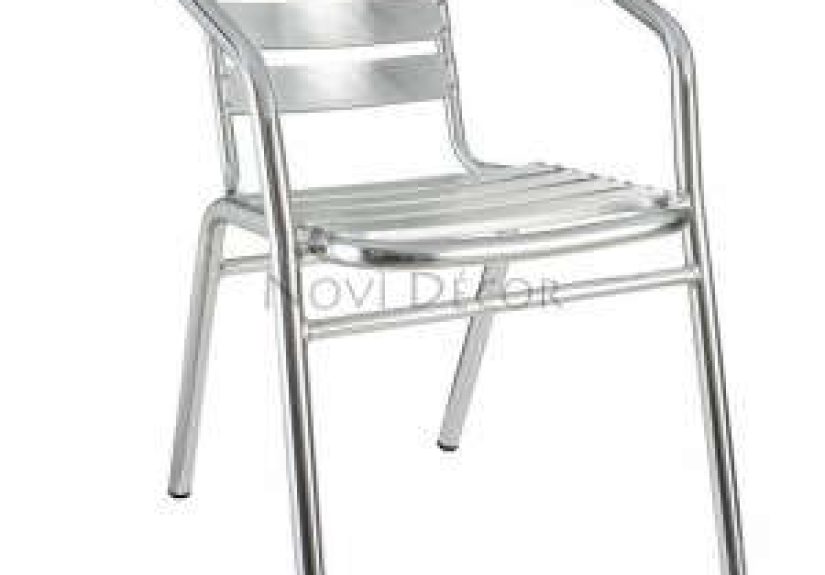
Classic aluminum bistro chairs often feature curved backs, slatted seats, and a polished or brushed metal look. These are common in casual cafes, diners, ice cream shops, and outdoor patios. They feel familiar, clean, and easygoing.
Powder-Coated Modern Chairs
Powder-coated aluminum chairs come in colors such as black, white, charcoal, green, navy, red, beige, and bronze. Powder coating creates a durable finish that can resist scratches, fading, and moisture better than basic paint when properly applied.
Modern powder-coated chairs are great for restaurants that want a clean brand look. A matte black aluminum chair can feel urban and stylish. A sage green chair can soften a garden patio. A bright red chair can make a sidewalk cafe look cheerful before the coffee even arrives.
Aluminum Chairs with Textilene or Mesh Seats
Textilene and mesh seating surfaces are common in outdoor furniture because they dry quickly, breathe well, and offer comfort without thick cushions. These chairs are practical for poolside cafes, resort patios, casual dining decks, and hot climates.
Aluminum Chairs with Faux Wood Accents
Some aluminum stacking cafe chairs include faux wood slats or synthetic teak-style details. This gives the warmth of wood without the same level of maintenance. For cafes that want a natural look but need commercial durability, this hybrid style can be a strong choice.
How to Choose the Best Aluminum Stacking Cafe Chairs
Choosing cafe chairs is not just about picking the prettiest option. Pretty matters, of course. Nobody wants a patio that looks like a forgotten airport waiting area. But the right chair also needs to fit the business, the space, the climate, and the type of guests using it.
1. Check Whether the Chair Is Commercial Grade
If the chairs are for a restaurant, cafe, bar, hotel, or event venue, look for commercial-grade construction. Residential chairs may look similar, but they are not always built for constant daily use. Commercial aluminum stacking chairs usually have stronger welds, reinforced frames, more durable finishes, and higher weight capacities.
For high-traffic hospitality spaces, paying more upfront for better construction can save money over time. Cheap chairs that bend, wobble, peel, or stain quickly are not bargains; they are future chores wearing a price tag.
2. Review the Weight Capacity
Weight capacity is an important safety and comfort detail. Many commercial chairs list a recommended maximum weight. Choose models that meet or exceed typical commercial seating expectations. A chair should feel stable for a wide range of guests, not like it is negotiating with gravity.
3. Look at the Stack Height
Not all stacking chairs stack equally well. Some stack six high. Others stack ten, twelve, or more. Before buying, check how many chairs can be safely stacked and how tall the stack becomes. This helps you plan storage and avoid leaning towers of patio furniture.
4. Evaluate Comfort
A chair can be durable and still be about as inviting as a tax form. Comfort matters, especially for cafes and restaurants that want guests to linger. Look for curved backs, supportive seat shapes, smooth edges, and enough seat width.
For quick-service cafes, a simple aluminum chair may be perfect. For wine bars, brunch spots, or restaurants where guests sit longer, consider chairs with contoured backs, woven seats, or optional cushions.
5. Match the Chair to the Table
Seat height should work with your tables. Standard dining chairs usually pair with tables around 28 to 30 inches high. Make sure armrests, if included, can slide under the tabletop or at least fit comfortably around the table layout. A beautiful chair that refuses to tuck in is basically furniture with an attitude problem.
6. Consider Floor Protection
Chair glides or foot caps protect both the chair legs and the floor surface. They also reduce scraping noise, which matters in cafes where customers are trying to enjoy a peaceful cappuccino instead of the soundtrack of metal legs arguing with concrete.
For outdoor use, look for replaceable glides. They wear down over time, especially on rough patio surfaces, but replacing glides is much cheaper than replacing chairs.
7. Choose the Right Finish
For outdoor environments, powder-coated aluminum and anodized aluminum are popular because they add protection and style. Powder coating offers color variety, while anodizing enhances the surface of the aluminum itself. In coastal or high-humidity areas, prioritize finishes designed for outdoor exposure.
Indoor vs. Outdoor Use
Aluminum stacking cafe chairs can work indoors, outdoors, or both. The right choice depends on finish, design, and comfort needs.
Indoor Cafes
Indoors, aluminum chairs can create a clean, modern, or industrial look. They are easy to wipe down and move, making them useful for coffee shops, bakeries, cafeterias, and casual restaurants. Rubber feet or soft glides are especially important indoors to protect tile, wood, vinyl, or polished concrete floors.
Outdoor Patios
Outdoors, aluminum shines. It handles rain and humidity better than many metals, and it is lighter to bring inside when weather turns dramatic. For full-time outdoor use, choose UV-resistant finishes and avoid chairs with materials that absorb water or fade quickly.
Coastal Locations
Coastal restaurants need to be extra careful because salt air is tough on furniture. Aluminum is a strong choice, but regular rinsing and inspection still matter. Salt buildup can affect finishes over time, especially around joints, screws, and scratches.
Design Tips for Using Aluminum Stacking Cafe Chairs
Aluminum chairs are practical, but they can also be stylish. The secret is choosing a chair that supports the mood of the space.
For a European Cafe Look
Pair silver or brushed aluminum chairs with small round tables, striped umbrellas, planters, and simple tabletop settings. This look works well for bakeries, espresso bars, and sidewalk cafes.
For a Modern Restaurant Patio
Choose black, charcoal, or white powder-coated aluminum chairs with clean lines. Add square tables, warm lighting, and greenery to keep the space from feeling too cold.
For a Coastal or Resort Setting
Use aluminum chairs with woven seats, light neutral finishes, or faux teak accents. Pair them with umbrellas, stone tabletops, and soft outdoor lighting for a relaxed vacation mood.
For a Colorful Coffee Shop
Bold chairs can become part of the brand. Yellow, red, blue, or green aluminum stacking chairs can make a patio instantly recognizable. Just make sure the finish is durable enough for sun exposure, cleaning, and frequent movement.
Maintenance Tips for Aluminum Stacking Cafe Chairs
Aluminum chairs are easy to care for, but “low maintenance” does not mean “ignore forever and hope for the best.” A simple routine helps them last longer and look better.
Daily or Weekly Cleaning
Wipe chairs with a damp cloth and mild soap when needed. Remove sticky spills quickly, especially sugary drinks, sauces, sunscreen, and bird-related surprises from above. Outdoor furniture has a glamorous life.
Monthly Inspection
Check screws, joints, glides, and stacking points. Tighten hardware if necessary. Look for chips in the coating, scratches, or signs of wear. Small touch-ups can prevent bigger finish problems later.
Seasonal Care
Before storing chairs for a season, clean and dry them thoroughly. Stack them on a level surface and avoid dragging stacks across flooring. If possible, use breathable covers rather than plastic tarps that trap moisture.
Common Mistakes to Avoid
Buying aluminum stacking cafe chairs is straightforward, but a few mistakes can create long-term frustration.
Buying Only by Price
The cheapest chair is not always the most affordable chair. If it needs to be replaced quickly, scratches easily, or feels unstable, it can cost more in the long run.
Ignoring the Space Plan
Always measure your dining area before ordering. Leave enough room for guests, servers, accessibility, and chair movement. Too many chairs can make a patio feel cramped, even if each chair is technically gorgeous.
Forgetting About Storage
Check stackability before purchase. A chair that only stacks a few high may not save as much space as expected. Also consider whether the stacked chairs will fit through doors, storage rooms, or elevators.
Choosing Style Over Comfort
A great-looking chair still needs to support real humans. Test a sample if possible. Sit in it. Shift around. Pretend you are waiting for a friend who is “five minutes away” but somehow still has wet hair at home. If the chair is still comfortable, you may have a winner.
Are Aluminum Stacking Cafe Chairs Worth It?
For most cafes, restaurants, and outdoor dining spaces, aluminum stacking cafe chairs are absolutely worth considering. They combine several high-value features: rust resistance, light weight, easy cleaning, flexible storage, and a wide range of design options.
They are especially useful when chairs need to move often, when patios open and close daily, when storage is limited, or when furniture must survive weather without constant attention. For business owners, that combination can reduce labor, replacement costs, and daily frustration.
Real-World Experiences with Aluminum Stacking Cafe Chairs
In real life, aluminum stacking cafe chairs tend to prove their value during the least glamorous moments of running a dining space. Nobody thinks much about chairs when the patio looks perfect at 10 a.m. The truth comes out at closing time, during a sudden rain shower, or when a party of twelve arrives and asks whether tables can be pushed together “really quickly.”
One of the biggest practical advantages is how quickly staff can reset a space. With heavier chairs, rearranging a patio becomes a team sport. With aluminum stacking chairs, one person can usually move several seats without turning the task into a workout video. This matters for cafes that serve breakfast, lunch, and evening drinks in the same area. The furniture adapts instead of forcing the layout to stay frozen.
Another experience many owners notice is the difference in cleaning time. Aluminum frames do not absorb spills, and simple designs have fewer places for crumbs to hide. A stackable chair with open slats or mesh can be wiped down quickly after a busy rush. That may sound small, but multiplied across 30, 50, or 100 chairs, the time savings are real. Clean chairs also shape customer perception. People may not compliment spotless chair legs, but they definitely notice sticky ones.
Outdoor durability is another lesson learned over time. Wood chairs can look beautiful but may require sealing, staining, or careful storage. Steel chairs can be strong but may rust if coatings are damaged. Plastic chairs can be affordable but may fade or feel less premium. Aluminum stacking cafe chairs often hit a practical middle ground. They look polished, handle weather well, and do not demand constant maintenance.
There is also a customer comfort factor that is easy to overlook. A chair that is light enough for staff should still feel stable for guests. Better aluminum chairs do this well. They do not wobble when someone sits down, and they do not feel like temporary event seating. In a cafe setting, that stability encourages people to relax. A relaxed customer may order dessert. Dessert is good for everyone except maybe the chair, which now has to survive powdered sugar.
Stacking convenience also changes how seasonal businesses operate. A patio with non-stackable chairs can become a storage puzzle at the end of the season. Aluminum stacking chairs simplify that process. Clean them, dry them, stack them, cover them, and move on with your life. The same benefit applies to event venues that need to clear a room quickly after brunch, workshops, tastings, or private parties.
From a design perspective, owners often appreciate that aluminum chairs can be updated without changing the entire space. A neutral aluminum chair works with different table styles, umbrellas, planters, cushions, and seasonal decor. If the brand refreshes from rustic to modern, the chairs may still fit. That flexibility protects the investment.
The main lesson is simple: buy chairs for the way they will actually be used, not just the way they look in a product photo. Think about who moves them, how often they are cleaned, where they are stored, how much sun or rain they face, and how long guests sit in them. When aluminum stacking cafe chairs match those needs, they become one of the easiest furniture decisions a business can make.
Conclusion
Aluminum stacking cafe chairs are popular for good reason. They are practical without being boring, durable without being brutally heavy, and stylish without demanding high-maintenance care. For cafes, restaurants, patios, hotels, and home outdoor dining areas, they offer a smart balance of comfort, storage efficiency, and long-term value.
The best chair is not just the one that looks good on opening day. It is the one that still looks good after hundreds of coffees, surprise storms, chair shuffles, lunch rushes, and closing-time cleanups. Choose commercial-grade construction, a quality finish, comfortable proportions, and stackability that fits your storage needs. Do that, and your aluminum stacking cafe chairs will quietly support the whole dining experienceone seat at a time.
Note: This article is written as general buying and design guidance for aluminum stacking cafe chairs. Always confirm product specifications, weight ratings, warranty details, and local accessibility requirements before purchasing furniture for a commercial dining space.