Table of Contents >> Show >> Hide
- What Are Lineco Bone Paper Folders and Scorer?
- Why Paper Crafters and Bookbinders Use Bone Folders
- Lineco Bone Folder Sizes: Small, Large, and Scorer
- Best Uses for Lineco Bone Paper Folders and Scorer
- How to Use a Lineco Bone Folder Properly
- Bone Folder vs. Plastic Folder vs. Teflon Folder
- What Makes Lineco a Reliable Choice?
- Buying Guide: Which Lineco Bone Tool Should You Choose?
- Tips for Better Results
- Common Mistakes to Avoid
- Real-World Experience: Working With Lineco Bone Paper Folders and Scorer
- Final Verdict
- SEO Tags
Some tools enter the studio with a power cord, an instruction manual, and the confidence of a small appliance. Then there is the humble bone folder: quiet, smooth, pocket-sized, and somehow capable of making handmade cards, book signatures, envelopes, scrapbooks, and paper crafts look as if they attended finishing school. The Lineco Bone Paper Folders and Scorer collection belongs in that category of “small tool, big difference.” It does not beep, blink, or connect to Wi-Fi, which may be exactly why paper artists love it.
Lineco is widely known among bookbinders, paper conservators, framers, archivists, and craft lovers for practical archival supplies. Its bone folders and scorer are made for one very specific mission: helping paper fold, crease, score, burnish, and behave. Whether you are making wedding invitations, folding watercolor paper, repairing a book hinge, pressing down book cloth, or creating a clean spine on a handmade journal, a good bone folder turns a wobbly fold into a crisp, professional line.
This guide explains what Lineco bone folders and scorers are, how they are used, who should buy them, how they compare with plastic and Teflon folders, and what real-world experience feels like when you finally stop using your thumbnail as a craft tool. Your thumbnail has done its best. It deserves retirement.
What Are Lineco Bone Paper Folders and Scorer?
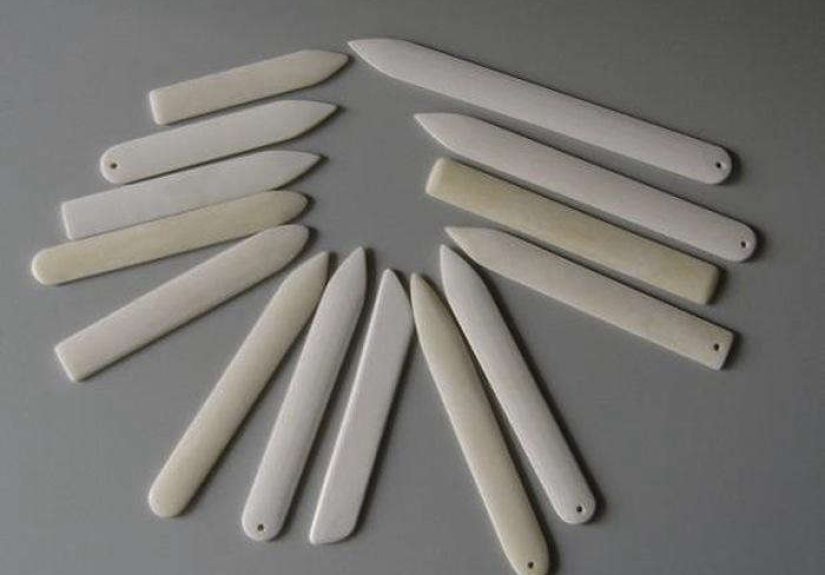
Lineco Bone Paper Folders and Scorer are smooth hand tools used for folding, scoring, creasing, embossing, smoothing, and burnishing paper and related materials. The standard bone folder is shaped like a flattened stick, usually with one pointed end and one rounded end. The scorer is smaller and narrower, designed to mark a clean line in paper without using pencil or ink.
Lineco offers common sizes that suit different projects. A small folder is typically useful for cards, paper crafts, origami, and tight corners. A large folder offers more surface contact and leverage, which helps when folding book signatures, smoothing book cloth, or pressing down larger sheets. The Lineco bone scorer is shorter, about 4.875 inches long, and is especially handy for creating a fold guide or score line before bending thicker paper.
The key detail is material. These tools are made from genuine bone, traditionally cattle bone, polished smooth so they can glide across paper without cutting it. Bone has a firm, dense feel that many bookbinders prefer because it gives pressure, control, and feedback. In plain English, you can feel what the paper is doing. For anyone who has ever ruined a greeting card with a crooked fold, that feedback is a tiny miracle.
Why Paper Crafters and Bookbinders Use Bone Folders
A bone folder is one of those tools that looks optional until you use it. Then it becomes suspiciously hard to live without. The reason is simple: paper has fibers. When you fold paper by hand, especially cardstock, watercolor paper, handmade paper, or decorative paper, the fibers resist. A bone folder helps compress and guide those fibers into a clean crease instead of a cracked, fuzzy, or uneven fold.
Cleaner folds
The most obvious benefit is a sharper crease. When you run a bone folder along a folded edge, the pressure flattens the fold and gives it a neat, intentional finish. This is especially helpful for handmade cards, zines, booklets, menus, stationery, envelopes, and paper packaging.
Better scoring before folding
The Lineco bone scorer is useful when you need to create a folding channel. Scoring is not the same as cutting. Instead, it makes a shallow impression that tells the paper where to bend. This is valuable for heavyweight cardstock, folded covers, presentation folders, accordion books, and invitations.
Smoother bookbinding work
In bookbinding, a bone folder can help fold signatures, press sections, smooth pastedowns, turn corners, flatten cloth, and sharpen edges. It is small enough for detail work but firm enough to apply meaningful pressure. Beginners use it because it is approachable. Professionals use it because it works.
Controlled burnishing
Burnishing means rubbing or pressing a surface to smooth it or help materials adhere. A bone folder can burnish paper, repair tape, book cloth, labels, and certain craft surfaces. This is helpful when you want a repair or decorative layer to sit flat without bubbles or loose edges.
Lineco Bone Folder Sizes: Small, Large, and Scorer
The most common Lineco bone folder choices include a smaller folder, a larger folder, and the dedicated scorer. Each one has a slightly different personality. Think of them as a tiny paper-folding family: the small one is nimble, the large one is calm and powerful, and the scorer is the detail-obsessed cousin who brings a ruler to brunch.
Small bone folder
The small Lineco bone folder is a smart choice for card making, scrapbooking, origami-style folds, small booklets, and everyday craft projects. Its shorter length makes it easy to control around corners and narrow spaces. If you are working on place cards, folded tags, mini albums, or envelope flaps, the small folder is usually the one you will reach for first.
Large bone folder
The large Lineco bone folder is better for bigger sheets, bookbinding, paper engineering, and repeated folding. Its longer body gives your hand more leverage and makes it easier to smooth larger areas. For folding signatures in handmade books or pressing long paper edges, the large folder feels more efficient and less fussy.
Bone scorer
The Lineco bone scorer is made for marking a crease line without pencil. It is excellent for layouts where visible marks are unwelcome. Card makers, invitation designers, paper model builders, and book artists can use it with a ruler to create accurate fold lines. The scorer is not meant to replace a cutting blade; it is meant to help paper fold politely.
Best Uses for Lineco Bone Paper Folders and Scorer
The beauty of this tool is its range. It works in professional conservation labs, school art rooms, home craft corners, Etsy shops, stationery studios, and anywhere someone has said, “Why does this fold look like it was attacked by a spoon?”
Bookbinding and handmade journals
For handmade books, bone folders are used to fold signatures, sharpen spines, smooth pastedowns, and press edges. When making pamphlet stitches, saddle-stitched booklets, case bindings, or accordion books, the fold quality affects the final structure. A sloppy fold can make pages sit unevenly. A crisp fold helps the book open and close more cleanly.
Card making and invitations
If you make greeting cards, wedding invitations, menus, thank-you notes, or holiday cards, scoring before folding is essential. Heavy cardstock often cracks when folded without a score line. A bone scorer helps create that line, and a bone folder finishes the crease. The result looks less “kitchen table experiment” and more “boutique stationery studio.”
Scrapbooking and memory albums
Scrapbookers use bone folders to press adhesive areas, smooth paper layers, fold flaps, sharpen pockets, and secure decorative elements. Because albums are handled repeatedly, neat folds and well-burnished edges help pages stay tidy over time.
Origami and paper engineering
For simple origami, fingers may be enough. For complex paper engineering, pop-ups, folds in thick stock, or repeated production work, a bone folder improves accuracy. It helps make valleys, mountains, tabs, and hinges more consistent.
Book repair and archival projects
Bone folders are common in conservation and repair settings because they are practical for smoothing, pressing, and guiding materials. They can help with repair tapes, protective wrappers, labels, and book cloth. For valuable or fragile items, however, pressure should always be gentle and appropriate. Archival work rewards patience, not wrestling moves.
How to Use a Lineco Bone Folder Properly
Using a bone folder is simple, but technique matters. The goal is to guide and compress the fold, not punish the paper for existing.
Step 1: Align the paper carefully
Bring the paper edges together and check alignment before pressing. Once a strong crease is made, correcting it can be difficult. For book signatures or cards, take an extra moment to make sure corners and edges match.
Step 2: Start with light pressure
Use your fingers to create a soft fold first. Then place the bone folder on the folded edge and draw it along the crease. Start lightly. Increase pressure only as needed.
Step 3: Use the long edge for straight creases
The long side of the folder is ideal for smoothing a fold. Hold the tool at a comfortable angle and pull it toward you along the crease. Avoid scraping aggressively, especially on delicate or dark papers.
Step 4: Use the pointed end for corners
The pointed end helps reach small areas, turn corners, define flaps, and work around bookbinding details. Do not jab the paper. Think gentle persuasion, not medieval dentistry.
Step 5: Score with a ruler
When using the Lineco bone scorer, pair it with a sturdy ruler. Place the ruler where the fold should go, then run the scorer along the edge with firm, even pressure. Test on scrap paper first to find the right amount of force.
Bone Folder vs. Plastic Folder vs. Teflon Folder
Not all folding tools behave the same. Bone, plastic, and Teflon folders can all be useful, but each material has strengths and trade-offs.
Genuine bone folders
Bone folders are firm, smooth, durable, and pleasant to hold. They create crisp creases and work well for many paper and bookbinding tasks. They may, however, leave a slight polished or shiny mark on some dark or delicate papers if used with heavy pressure. Testing first is always smart.
Plastic folders
Plastic folders are inexpensive and often beginner-friendly. They are good for casual crafts, but some can feel less smooth or wear down faster along the edge. For occasional use, plastic may be fine. For frequent bookbinding or paper work, genuine bone often feels more precise.
Teflon folders
Teflon folders are popular in conservation and fine bookbinding because they are less likely to glaze or mark sensitive surfaces. They are usually more expensive than bone folders. If you work with dark papers, delicate book cloth, or high-end materials, a Teflon folder can be a worthwhile upgrade. If you want a reliable everyday tool, the Lineco bone folder remains a strong choice.
What Makes Lineco a Reliable Choice?
Lineco has a strong reputation in bookbinding, archival storage, framing, and conservation supplies. That matters because a bone folder is not just a random stick-shaped object. The edges should be smooth, the shape should feel balanced, and the surface should glide without snagging fibers.
Lineco bone folders are commonly sold through art, archival, and bookbinding suppliers, which says a lot about their intended audience. These are not novelty desk accessories. They are practical tools for people who care about paper handling, clean presentation, and long-lasting craft results.
The simple design is also part of the appeal. There are no parts to replace, batteries to charge, or settings to misunderstand. Keep it clean, avoid dropping it on a hard floor, store it away from rough tools, and it can serve for years.
Buying Guide: Which Lineco Bone Tool Should You Choose?
If you are new to paper crafting or bookbinding, choosing between the small folder, large folder, and scorer can feel slightly more dramatic than it needs to be. Here is the easy version.
Choose the small bone folder if…
You make cards, small crafts, mini books, folded tags, envelopes, or scrapbook details. The small folder is easy to control and comfortable for short sessions.
Choose the large bone folder if…
You fold larger sheets, make books, bind journals, work with book cloth, or need more leverage. The larger size is efficient and comfortable for repeated use.
Choose the bone scorer if…
You frequently make fold lines in cardstock, invitations, covers, folders, paper models, or layouts where pencil marks are not acceptable. The scorer is a precision helper.
Choose all three if…
You enjoy paper crafts enough to have opinions about paper grain. At that point, the set makes sense. A folder and scorer combination covers most folding, scoring, and smoothing needs.
Tips for Better Results
First, pay attention to paper grain. Paper folds more cleanly with the grain than against it. If a fold cracks or resists, the grain direction may be working against you. Second, score thicker paper before folding. This is especially important with cardstock, cover stock, and coated papers.
Third, use a cutting mat or smooth work surface. A rough table can transfer texture into your paper. Fourth, clean your bone folder regularly with a soft cloth. Adhesive residue can drag across paper and create marks. Fifth, test on scraps. Even experienced makers test because paper can be moody. It has one job and still occasionally chooses drama.
Common Mistakes to Avoid
One common mistake is pressing too hard too soon. Heavy pressure can crush delicate paper, leave shine, or create an unwanted groove. Another mistake is scoring without a ruler, which often creates a wandering line. A third mistake is using a dirty tool. Glue, ink, or dust on the folder can transfer to clean paper.
Also avoid using the bone folder as a knife, pry bar, glue scraper, or emergency screwdriver. It is strong, but it is not immortal. Treat it like a precision hand tool and it will reward you with better folds and fewer craft-table regrets.
Real-World Experience: Working With Lineco Bone Paper Folders and Scorer
Using the Lineco Bone Paper Folders and Scorer in real projects feels different from reading a product description. On paper, the tool is simple: smooth bone, rounded edges, pointed end, compact shape. In the hand, it becomes more than that. The first thing most people notice is the control. A fold that would normally require several finger passes becomes crisp after one or two strokes with the folder. It feels satisfying in the same way closing a perfectly aligned drawer feels satisfying. Nothing flashy happens, but everything is suddenly right.
For handmade cards, the scorer is the quiet hero. Take a sheet of heavyweight cardstock, measure the center, place a metal ruler along the fold line, and draw the scorer down the paper. The line appears without ink, pencil, or a cut. Fold along that line, press with the bone folder, and the card stands straighter. The spine looks cleaner. The front panel does not spring open like it is trying to escape the envelope. If you make batches of invitations or thank-you cards, that consistency matters.
In bookbinding, the larger folder quickly earns its place. Folding signatures by hand can be done with fingers, but fingers create soft, inconsistent folds. The Lineco folder sharpens the fold while keeping the pages aligned. When making a pamphlet booklet, you can fold the stack lightly, check the edges, then run the folder from the center outward. This helps push air out of the fold and gives the spine a tidy shape. Later, when smoothing down a cover or pressing a glued area, the same tool helps distribute pressure without needing a bulky press for every small task.
The small folder is especially pleasant for detail work. It fits neatly into tight corners when turning paper over board, smoothing envelope flaps, or pressing small tabs in paper models. The pointed tip gives accuracy, while the rounded end is friendlier for broader smoothing. If the large folder feels like a studio tool, the small one feels like a pocket assistant.
There are a few practical lessons. On dark paper, use lighter pressure first because bone can sometimes create a slight polished mark. On textured handmade paper, avoid dragging too aggressively across the surface. On coated paper, test before committing to a final project. The tool is excellent, but it cannot magically make every paper type behave the same way. Paper remains paper: beautiful, useful, and occasionally full of opinions.
Storage also matters. Tossing the folder into a drawer with scissors, awls, and metal rulers can scratch the polished surface. A scratched edge may catch fibers later. A simple pouch, pencil case, or dedicated tray keeps the tool smooth. Cleaning is easy: wipe it with a dry or barely damp soft cloth, especially after working near adhesives.
The best experience comes when using the folder and scorer together. Score first, fold second, crease third. That simple sequence improves cards, covers, folders, and book sections. It is slower than folding by hand for about ten seconds, then faster because you are not redoing crooked folds. In other words, the tool saves time by preventing tiny disasters. Every crafter knows tiny disasters are where entire afternoons disappear.
Final Verdict
Lineco Bone Paper Folders and Scorer are excellent tools for anyone who works with paper, books, cards, albums, or archival materials. They are simple, durable, and genuinely useful. The small folder gives control, the large folder gives leverage, and the scorer gives precision. Together, they help paper fold cleanly, lie flatter, and look more professional.
For beginners, a Lineco bone folder is one of the easiest upgrades to justify. It is affordable compared with many craft tools, does not require training, and improves results immediately. For experienced makers, it is a dependable studio staple. Either way, once you use one, folding paper with only your fingers starts to feel like eating soup with a fork: technically possible, but why live that way?