Table of Contents >> Show >> Hide
- What Makes a Great Gutter Sealant?
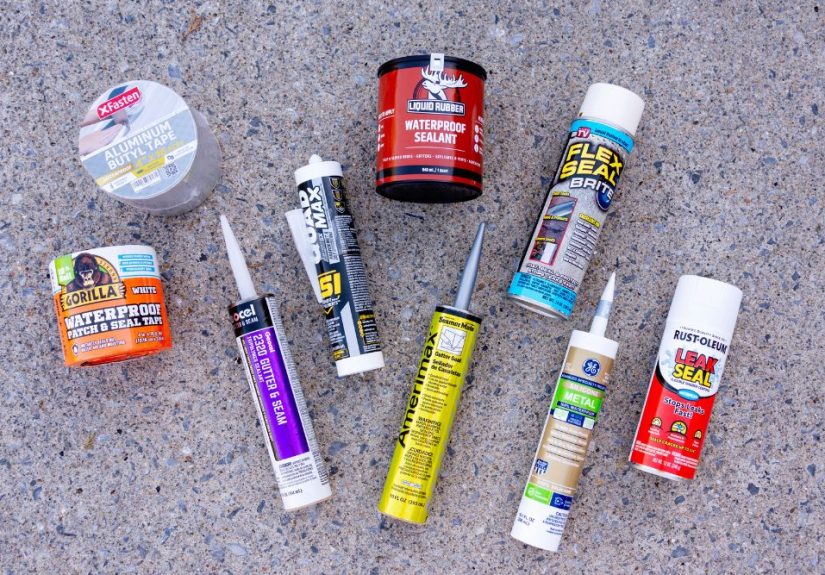
- The Best Gutter Sealants From the Bob Vila-Tested Lineup
- 1. Best Overall: Geocel 2320 Tripolymer Gutter and Narrow Seam Sealant
- 2. Best Bang for the Buck: Amerimax SeamerMate Gutter Sealant
- 3. Best for Leaks: Liquid Rubber Waterproof Sealant
- 4. Best Quick Fix: Gorilla Waterproof Patch & Seal Tape
- 5. Best Multisurface: OSI Quad Max
- 6. Best for Metal Gutters: GE Metal Silicone 2
- Honorable Mentions Worth Knowing
- How to Choose the Right Gutter Sealant for Your Repair
- How to Apply Gutter Sealant So It Actually Lasts
- Common Mistakes That Cause Gutter Sealant Failure
- Real-World Experience: What Homeowners Learn the Hard Way
- Final Verdict
Gutters are not glamorous. Nobody posts a dreamy “before and after” of a properly sealed end cap and waits for applause. But when your gutter seams start dripping like a sad little fountain outside the dining room window, suddenly gutter sealant becomes the most exciting tube in the garage. If you landed here looking for the best gutter sealants tested by Bob Vila, here’s the practical, plain-English version: not every leak needs the same fix, and not every product belongs in every gutter.
Some sealants are made for metal-to-metal seams. Some are better for fast emergency patches. Some are brush-on membranes that work beautifully over pinholes, while others are thick, stubborn, and strong enough to cling through ugly weather and uglier DIY technique. The trick is choosing the right product for your gutter material, the size of the leak, and how patient you’re willing to be while something cures.
Based on Bob Vila’s tested roundup and supporting manufacturer guidance, the standouts are clear. Geocel 2320 earns top marks for overall performance. Amerimax SeamerMate shines when you want strong value for metal gutters. Liquid Rubber is a smart pick for widespread leaks and odd-shaped trouble spots. Gorilla’s patch tape is the speedy hero when you need a fast fix. OSI Quad Max is a versatile multisurface option, and GE Metal Silicone 2 is a strong specialist for metal gutters. The best choice depends less on hype and more on where the gutter is failing and what it’s made of.
What Makes a Great Gutter Sealant?
A good gutter sealant has one job: keep water inside the gutter and out of your walls, fascia, soffits, and foundation. Easy enough in theory. In real life, gutters expand in the sun, contract in the cold, collect grit, sit under standing water, and get rattled around by wind and debris. So the best gutter sealant needs a few non-negotiables: strong adhesion, long-term flexibility, weather resistance, and enough durability to survive all four seasons without peeling off like a bad sticker.
Material compatibility matters too. Aluminum, vinyl, galvanized steel, and copper don’t all behave the same way. A sealant that performs beautifully on metal may be overkill, or even a poor fit, on vinyl. Cure time also matters more than people think. Some products are rain-ready in around 30 minutes. Others need a full day before they’re stable and several days before they’re fully cured. If the forecast is threatening another downpour tomorrow, that detail is not exactly trivial.
One more thing: basic acrylic caulk is usually the wrong choice for gutters. It may be paintable and friendly at the store, but gutters need something that can handle movement, moisture, UV exposure, and changing temperatures without cracking. This is a job for a real sealant, not a tube of wishful thinking.
The Best Gutter Sealants From the Bob Vila-Tested Lineup
1. Best Overall: Geocel 2320 Tripolymer Gutter and Narrow Seam Sealant
If you want the closest thing to a crowd-pleasing, pro-approved answer, Geocel 2320 is it. Bob Vila’s tested roundup named it the best overall gutter sealant, and the reasoning checks out. It adheres to a wide range of gutter materials, works in nasty weather, and flows into seams and small gaps with a semi-self-leveling consistency that forgives less-than-perfect bead work. In other words, it helps your repair look more skilled than you may actually be.
This sealant is especially strong for seams, end caps, and narrow joints up to about a quarter inch. Once cured, it forms a tough, rubberlike seal that stays flexible. The downside is the long cure time. It skins over fairly quickly, but full cure can take days. It also has a noticeable chemical odor while curing, so this is not the moment to lean in and “see if it smells dry yet.”
Best for: homeowners who want a durable, all-around gutter seam sealer for long-term repairs.
2. Best Bang for the Buck: Amerimax SeamerMate Gutter Sealant
Amerimax SeamerMate is the practical pick when you want professional-looking results without spending like you’re restoring a historic estate. Bob Vila rated it as the value choice, and it makes sense for metal gutter systems where you need a reliable tripolymer sealant that self-levels well and creates a strong bond.
The important caveat is right there in the fine print of common sense: it’s best for metal gutters. If you’re working on aluminum or other metal gutter sections, it’s a strong option for seams, end caps, and connections. It applies smoothly, can leave a clean finish, and is paintable after curing. What you trade for the lower price is speed. Like Geocel, it can take several days to fully cure, and once the tube is opened, it’s not ideal for long-term storage after a tiny repair.
Best for: metal gutter repairs where budget matters but durability still has to show up and do the job.
3. Best for Leaks: Liquid Rubber Waterproof Sealant
When the leak is not a neat little seam but a wider trouble area with pinholes, rough spots, or multiple weak sections, a brush-on product can be a lifesaver. That’s where Liquid Rubber stands out. Bob Vila’s testing highlighted it as the best option for leaks because it bridges seams and small holes well, offers strong flexibility, and has a low-odor, water-based formula that is far less unpleasant to work with than many solvent-heavy alternatives.
This type of waterproof sealant for gutters is great for broad coverage, especially when you’re refreshing an older gutter section that has several vulnerable areas. It does usually take multiple coats, and that means more waiting. It’s not a one-squeeze-and-done product. But if you want a flexible membrane-style repair, especially on aging gutters, this kind of coating can buy you meaningful time.
Best for: widespread minor leaks, pinholes, and homeowners who prefer a brush- or roller-applied repair.
4. Best Quick Fix: Gorilla Waterproof Patch & Seal Tape
Sometimes you do not need elegance. You need the drip to stop before the next storm. Gorilla Waterproof Patch & Seal Tape is the emergency responder of the group. It applies fast, provides near-instant coverage, and can handle harsh temperatures, UV exposure, and abrasion. For cracks, splits, or seam failures inside the gutter trough, it’s a useful short-term or medium-term fix.
But let’s be honest: tape is not subtle. It can be bulky, it’s not paintable, and once it sticks, it really sticks. Repositioning is a comedy sketch you do not want to perform on a ladder. It also works best on a clean, sound, dry surface. So while the product is marketed as a tough patch solution, the real-world lesson is simple: prep still matters. Dirt, flaking finish, and slimy residue will ruin the party.
Best for: fast repairs, inside-gutter patches, and homeowners who need a quick stopgap without waiting on cure time.
5. Best Multisurface: OSI Quad Max
OSI Quad Max is the overachiever that keeps volunteering for extra chores. It’s marketed mainly for windows, doors, and siding, but Bob Vila’s testing found it highly effective for gutter applications too. It bonds to many building materials, resists UV exposure and grime, and offers fast project momentum because it can be paintable in about an hour and cure in as little as 24 hours under the right conditions.
The trade-off is texture. OSI Quad Max is thicker and less self-leveling than dedicated gutter seam sealers. That means it rewards careful tooling and punishes sloppy application. If you lay down a messy bead and walk away expecting it to magically level itself into art, you may be disappointed. Still, once cured, it creates a tough, watertight seal and works especially well when your repair area touches multiple materials.
Best for: mixed-material repairs, fast-moving exterior projects, and people who want one versatile sealant for more than just gutters.
6. Best for Metal Gutters: GE Metal Silicone 2
If your gutters are metal and you want a purpose-built specialist, GE Metal Silicone 2 deserves attention. Bob Vila’s testing highlighted its quick rain readiness, easy flow into seams, and strong metal compatibility. Silicone remains flexible, handles movement well, and usually shrugs off weather without cracking or shrinking.
This type of metal gutter sealant is especially useful for aluminum, galvanized steel, and copper systems. It’s faster to become waterproof than many paste-style competitors, which is handy when clouds are gathering and your ladder confidence is already fading. The main catch is that silicone is not the best answer if you want a paintable finish. It also may not produce the same tougher final feel that some tripolymer sealants do. Still, for metal gutters and fast weather exposure, it’s a very solid choice.
Best for: metal gutter seams, quicker rain readiness, and repairs where flexibility is more important than paintability.
Honorable Mentions Worth Knowing
Bob Vila’s tested list also included Rust-Oleum LeakSeal Spray, XFasten aluminum butyl tape, and Flex Seal spray. These options are useful in specific situations, especially when you need spray-on coverage or tape-based patching. They are handy tools, but for classic seam sealing and end-cap work, the dedicated caulk-style gutter sealants above are usually the more permanent answer. DAP’s Dynaflex Gutter and Narrow Seam sealant also deserves a nod as a specialty option formulated for challenging exterior conditions, including wet surfaces and fast rain readiness.
How to Choose the Right Gutter Sealant for Your Repair
The best gutter sealants are not interchangeable. Choosing well starts with the leak itself.
- For seams and end caps: use a dedicated gutter seam sealer like Geocel 2320 or Amerimax SeamerMate.
- For metal gutters: lean toward GE Metal Silicone 2 or a proven tripolymer product made for metal-to-metal bonding.
- For broad problem areas and pinholes: consider Liquid Rubber or another membrane-style waterproof coating.
- For emergency patching: tape products can stop water fast, especially on the inside of the gutter.
- For mixed materials or a one-tube-for-many-jobs approach: OSI Quad Max is one of the strongest flexible options.
- For a painted finish: choose a paintable sealant and verify cure time before painting.
If the gutter section is rusted through, split wide open, sagging badly, or separating because the hardware failed, sealant alone is not the hero here. At that point, patching is just delaying the obvious. Replace the section and use sealant as part of the installation, not as a substitute for structure.
How to Apply Gutter Sealant So It Actually Lasts
The best product in the world cannot bond to wet sludge and old peeling goo. The repair routine is simple, but the details matter:
- Clean out debris and expose the leak clearly.
- Scrape away old failing sealant.
- Wash off dirt, oxidation, and slimy residue.
- Let the area dry unless the product specifically allows damp or wet-surface application.
- Apply the sealant inside the gutter at the seam, hole, or end cap.
- Tool the bead if needed and cover rivets or fasteners where water may sneak through.
- Allow full cure before testing with heavy water flow.
Lowe’s and Home Depot guidance both emphasize sealing seams on the inside of the gutter, and This Old House also highlights sealing corner joints and connections carefully. That makes sense. Water pressure and flow work from the inside, so that is where your barrier needs to do its job. Applying a pretty bead only on the outside is often more cosmetic than functional.
Common Mistakes That Cause Gutter Sealant Failure
The first mistake is using the wrong product. The second is bad prep. The third is impatience, which is the home improvement version of “I know what I’m doing” right before things go sideways.
Here are the usual culprits: applying over old loose sealant, sealing a surface that is dusty or greasy, ignoring temperature guidance, picking a non-paintable silicone when you want a painted finish, or using a patch tape where a structural seam repair is really needed. Another classic error is testing the repair too soon. A sealant that feels dry to the touch may still be soft underneath. If you hit it with a full gutter of runoff before it is ready, you are basically stress-testing your own impatience.
Real-World Experience: What Homeowners Learn the Hard Way
Here’s the part that product labels never fully capture: gutter repairs are rarely made in perfect conditions. They happen because you noticed a drip during a storm, found mulch washing out below an elbow, or heard that maddening plink-plink-plink outside the bedroom window at 2 a.m. Real-world experience says the “best” gutter sealant is often the one that matches the moment.
For example, homeowners dealing with older aluminum gutters often discover that the leak is not just one seam. It’s three seams, one end cap, two old rivets, and a mystery pinhole that only appears when the water is really moving. In that situation, a self-leveling tripolymer product feels like a gift. It gets into narrow joints, settles down into the seam, and creates a cleaner-looking repair than a thick bead that sits on top like a tiny caulk mountain. That is why products like Geocel 2320 and Amerimax SeamerMate keep showing up in serious gutter conversations.
Then there’s the speed problem. Not every repair can wait five days for a leisurely cure. If a storm is coming tomorrow, people understandably lean toward faster options. Tape patches and quick rain-ready silicones earn their keep here. They may not be the prettiest repair on the block, but they can stop water before it gets behind the fascia board and turns a gutter problem into a carpentry problem. That is a worthwhile trade.
Another common experience is learning that some leaks are really movement problems. A seam that keeps reopening may not need “more caulk”; it may need a product that stays flexible when the gutter heats up in the afternoon and cools off at night. Flexible sealants outperform brittle fixes because gutters are always moving a little, even when they look perfectly still. The homes in freeze-thaw climates really teach this lesson fast.
People also learn, usually after one messy Saturday, that neat application matters more with some products than others. A self-leveling sealant can make an average DIYer look competent. A thick hybrid sealant expects you to know how to tool a bead and keep working clean. Neither is bad; they just have different personalities. One is forgiving. The other keeps score.
And perhaps the biggest lesson of all: sealant can solve a lot, but it cannot fix denial. If the gutter is rusted through, pulling away from the house, or full of debris year-round, no miracle tube is going to rescue it forever. The smartest homeowners use sealant as part of good gutter maintenance, not as a substitute for it. Clean the gutters. Check the seams. Catch the small leaks early. That is how you keep a ten-dollar repair from becoming a four-figure “why is the siding wet?” event.
So yes, gutter sealant is not glamorous. But the right one, used the right way, is one of the cheapest forms of water damage prevention you can buy. And that is a lot more exciting than replacing rotten fascia in August.
Final Verdict
If you want the best all-around answer from the Bob Vila-tested field, go with Geocel 2320. It offers the best balance of adhesion, flexibility, and long-term seam repair performance. If your gutters are metal and you want strong value, Amerimax SeamerMate is a smart buy. If the leak area is messy, widespread, or older than your favorite sweatshirt, Liquid Rubber is a practical coating-style solution. For a quick emergency repair, Gorilla Patch & Seal Tape is the fastest fix in the bunch. And if you want versatility across exterior materials, OSI Quad Max is the multitasker worth keeping on the shelf.
Choose the product that fits the leak, prep the surface like you mean it, and give the sealant time to cure. Your gutters may never thank you, but your foundation probably would if it could.