Table of Contents >> Show >> Hide
- What Is the Hario Buono Stainless Steel Gooseneck Coffee Kettle?
- Why Gooseneck Kettles Matter for Pour-Over Coffee
- Design and Build Quality
- Performance: How the Hario Buono Pours
- Hario Buono vs. Electric Gooseneck Kettles
- Best Uses for the Hario Buono Stainless Steel Gooseneck Kettle
- Who Should Buy the Hario Buono?
- Who Might Want Something Else?
- How to Use the Hario Buono for Better Coffee
- Cleaning and Maintenance
- Pros and Cons
- Real-World Experience With the Hario Buono Stainless Steel Gooseneck Coffee Kettle
- Final Verdict
The Hario Buono Stainless Steel Gooseneck Coffee Kettle is one of those rare kitchen tools that looks like it wandered out of a design museum, then quietly makes your morning coffee better. It does not beep, blink, connect to Wi-Fi, or ask for a firmware update while you are still half-asleep. Instead, it does something beautifully simple: it gives you control over hot water.
For pour-over coffee lovers, that control is not a small detail. It is the difference between a flat, bitter cup and a clean, balanced brew that makes you nod like a serious café personeven if you are wearing pajama pants and arguing with your toaster. The Hario Buono has become a favorite among home brewers, baristas, and design-conscious coffee fans because it combines a slim gooseneck spout, durable stainless steel construction, and Hario’s iconic V60 brewing philosophy in one compact kettle.
This in-depth guide explores what makes the Hario Buono special, how it performs in daily use, who should buy it, and whether this classic stainless steel gooseneck kettle still deserves a spot on your stovetop in a world full of digital electric kettles.
What Is the Hario Buono Stainless Steel Gooseneck Coffee Kettle?
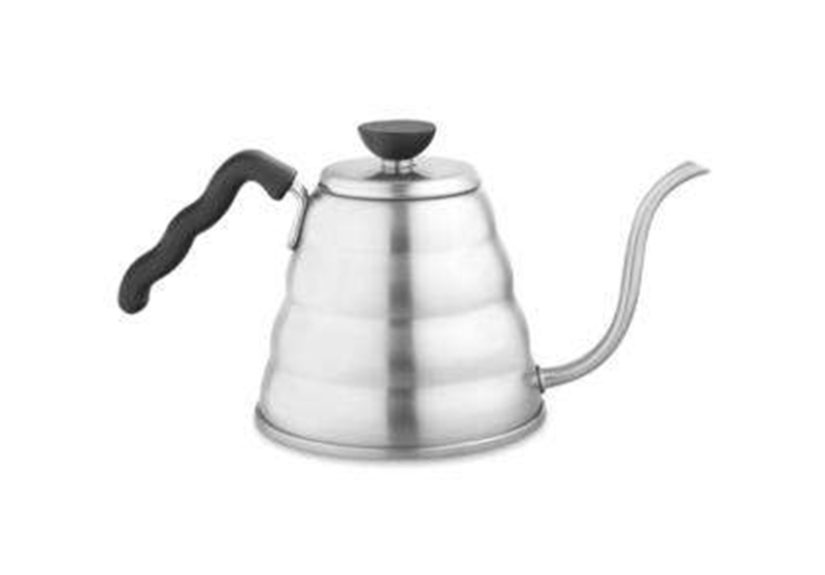
The Hario Buono is a stovetop pour-over kettle designed for manual coffee brewing. Its most recognizable feature is the elegant wave-shaped stainless steel body paired with a long, narrow gooseneck spout. That spout is not just for dramatic countertop beauty shots. It helps you pour water slowly, steadily, and precisely over coffee grounds.
The popular 1.2-liter model has a practical brewing capacity of about 800 milliliters. That means you should not fill it to the brim unless your morning routine includes wiping boiling water off the stove and questioning your life choices. The kettle’s body and lid are made from stainless steel, while the handle and lid knob are made from heat-resistant phenol resin. It is manufactured in Japan and built around the same careful, functional design language that made Hario’s V60 dripper famous.
Why Gooseneck Kettles Matter for Pour-Over Coffee
With regular kettles, water often rushes out like it has somewhere urgent to be. That can blast holes into the coffee bed, over-extract some grounds, under-extract others, and leave your cup tasting confused. A gooseneck coffee kettle solves this problem by narrowing the water stream and giving your hand better control.
Pour-over brewing depends on even saturation. When hot water meets ground coffee, it extracts acids, sugars, oils, aromatics, and bitter compounds at different rates. A controlled pour helps you manage extraction, maintain an even coffee bed, and avoid flooding the filter. The result is usually a clearer, sweeter, more balanced cup.
Better Control Over Flow Rate
The Hario Buono’s slim spout lets you pour in gentle circles, pause between pulses, and target specific areas of the coffee bed. This is especially useful for V60, Chemex, Kalita Wave, and other manual brewers where water movement directly affects flavor.
More Consistent Brewing
Consistency is the secret ingredient nobody brags about on Instagram. A good gooseneck kettle helps you repeat the same pour pattern each morning, which makes it easier to adjust grind size, brew time, and coffee-to-water ratio without changing everything at once.
A More Enjoyable Ritual
There is also something calming about pouring from a balanced kettle. The Hario Buono turns coffee brewing into a small daily ceremony. It slows you down, but in a good waynot like traffic, more like jazz.
Design and Build Quality
The Hario Buono is famous for its ribbed stainless steel body, low profile, and sculptural shape. It looks modern without trying too hard. Place it on a stovetop or open shelf and it instantly says, “Yes, someone here owns a coffee scale.”
The stainless steel body feels light but sturdy. It is not a heavy-duty whistling kettle meant to heat gallons of water for a family tea party. It is a precision tool for manual brewing, tea service, and small hot-water tasks. Empty, it is light enough to handle easily, and when filled to its practical capacity, it remains manageable for slow pouring.
The Spout
The spout is the heart of the kettle. It produces a thin, steady stream that is easy to direct. Beginners may need a few brews to learn how fast water exits the spout, but once you get used to it, the Buono feels natural. It is forgiving enough for casual users and precise enough for serious pour-over fans.
The Handle
The handle is positioned away from the kettle body to help with grip and balance. Because it is made from phenol resin rather than metal, it stays more comfortable than a fully stainless handle. Still, common sense matters. Use medium or low heat, especially on gas burners, and avoid letting flames lick up the sides toward the handle. Your kettle will thank you by not smelling like regret.
The Lid
The lid fits neatly and includes a simple knob. It is not a sealed pressure lid, and it is not supposed to be. The design is straightforward: fill, heat, pour, repeat. Cleaning is also easy because there are no digital controls, rubber gaskets, or complicated internal parts.
Performance: How the Hario Buono Pours
The Hario Buono performs best when used for what it was designed to do: pour hot water with grace and control. For pour-over coffee, the kettle allows you to bloom coffee grounds gently, pour in slow spirals, and maintain a consistent stream through multiple stages of brewing.
Compared with wider-spouted kettles, the Buono makes it much easier to keep water from rushing through the coffee bed too aggressively. That helps reduce uneven extraction and gives you more control over flavor. If your coffee tastes hollow, harsh, or muddy, switching to a gooseneck kettle can be one of the simplest upgrades.
It also works well for tea, instant oatmeal, hot cocoa, and other tasks where controlled pouring matters. However, it is not the best choice if you mainly need a large kettle for boiling water in bulk. The practical capacity is ideal for one to three cups of coffee, not for filling a stockpot or hosting a neighborhood chamomile festival.
Hario Buono vs. Electric Gooseneck Kettles
Electric gooseneck kettles have become very popular, especially models with variable temperature control. They can heat water quickly, hold a target temperature, and sometimes include timers or presets. So why choose the stovetop Hario Buono?
The answer depends on what you value. The Buono is simpler, lighter, and often more affordable than premium electric models. It has no electronics to fail, no base to store, and no cord cluttering the counter. If you already own a thermometer or are comfortable heating water to a boil and letting it rest briefly, the stovetop Buono can deliver excellent results.
On the other hand, if you brew delicate green tea, light-roast coffee, or multiple drinks that require exact temperatures, an electric variable-temperature kettle may be more convenient. The Hario Buono is wonderfully analog. That is charming if you like simplicity, but less ideal if you want a digital screen to do the thinking before caffeine reaches your bloodstream.
Best Uses for the Hario Buono Stainless Steel Gooseneck Kettle
Pour-Over Coffee
This is where the kettle shines. Pair it with a Hario V60, Chemex, Origami dripper, Kalita Wave, or similar brewer. The slim spout helps with blooming, pulse pouring, center pours, circular pours, and slow finishing pours.
Manual Tea Brewing
Loose-leaf tea drinkers also benefit from a controlled pour. The Buono lets you avoid splashing delicate leaves and makes it easier to pour into small teapots or cups.
Small Kitchen Tasks
The kettle is useful for ramen cups, instant oatmeal, cocoa, and warming mugs before brewing. It is not huge, but that compact size is part of its charm.
Who Should Buy the Hario Buono?
The Hario Buono is a great fit for coffee lovers who enjoy manual brewing and want better water control without buying a high-end electric kettle. It is especially appealing if you like classic Japanese design, compact tools, and equipment that does one job very well.
You should consider it if you brew pour-over coffee several times a week, want a kettle that looks good on display, prefer stovetop tools, or need a reliable entry point into better home brewing. It is also a thoughtful gift for someone who has already bought a grinder and V60 but is still pouring water from a saucepan like a medieval coffee monk.
Who Might Want Something Else?
The Buono is not perfect for everyone. If you want exact temperature control, a keep-warm function, or automatic shutoff, choose an electric gooseneck kettle. If you need to boil large amounts of water, a full-size whistling kettle may be more practical. If you are using a powerful gas burner, you must be careful with heat level and flame spread to protect the handle.
Also, the classic stovetop Buono does not whistle. That means you need to pay attention while heating water. This is not a kettle for people who regularly walk away from the stove and discover boiling water only when the kitchen starts auditioning for a steam room.
How to Use the Hario Buono for Better Coffee
Step 1: Fill to Practical Capacity
Use only the amount of water you need, staying within the practical capacity. For a single pour-over, 400 to 600 milliliters is usually plenty.
Step 2: Heat on Medium or Low
Use moderate heat. The kettle heats efficiently, and excessive flame can damage the handle or discolor the body. On gas stoves, keep flames under the base.
Step 3: Let Water Settle
If you do not use a thermometer, bring water to a boil, remove it from heat, and wait briefly before brewing. Many coffee drinkers aim for water around 195°F to 205°F, depending on roast level and personal taste.
Step 4: Bloom the Coffee
Start with a small amount of water, about twice the weight of your coffee grounds. Let it sit for 30 to 45 seconds. This releases trapped gas and prepares the grounds for even extraction.
Step 5: Pour Slowly and Evenly
Use gentle circles, avoid pouring directly onto the paper filter for long periods, and keep the coffee bed evenly saturated. The Buono’s spout makes this step feel smooth and controlled.
Cleaning and Maintenance
Cleaning the Hario Buono is simple. Rinse it after use, empty remaining water, and let it dry with the lid off. This helps reduce mineral buildup and prevents stale water odors. If you live in an area with hard water, descale the kettle occasionally using a gentle solution of water and white vinegar or a kettle-safe descaling product.
Avoid abrasive scrubbers that can scratch the stainless steel. For exterior fingerprints or water spots, a soft cloth usually does the trick. The kettle is attractive enough to leave out, but it looks even better when it is not wearing yesterday’s mineral freckles.
Pros and Cons
Pros
- Excellent pour control for manual coffee brewing
- Durable stainless steel body and lid
- Iconic design that looks great on the counter
- Lightweight and easy to handle
- Simple stovetop operation with no electronics
- Ideal for V60, Chemex, Kalita Wave, and similar brewers
Cons
- No built-in temperature control
- No whistle or automatic shutoff
- Practical capacity is smaller than full listed capacity
- Requires care on high-output gas burners
- Less convenient than electric kettles for frequent precision brewing
Real-World Experience With the Hario Buono Stainless Steel Gooseneck Coffee Kettle
Using the Hario Buono every morning feels a little like upgrading from typing with boxing gloves to writing with a fountain pen. The change is not only technical; it changes your rhythm. Instead of dumping water and hoping for the best, you begin to notice how the coffee reacts. Fresh beans swell during the bloom. The bed rises and settles. The aroma shifts from sharp and grassy to sweet, nutty, or chocolatey depending on the roast. Suddenly, making coffee becomes less of a chore and more of a small performance where you are both the barista and the audience.
The first thing most people notice is the pour. The Buono does not gush. It gives you a narrow, controllable stream that makes circular pouring feel natural. Even if your first few attempts are wobbly, the kettle quickly teaches your wrist what to do. After a week, you may find yourself pouring with suspicious confidence, as if you have been secretly training in a mountain café. The balance is comfortable, and the handle position helps keep the kettle from feeling awkward when partially filled.
For a single V60 brew, the practical capacity is more than enough. Brewing 20 grams of coffee with 320 grams of water feels easy. Brewing larger batches is possible, but you may need to refill and reheat if you are serving several people. That is not a flaw so much as a reminder of what this kettle is: a focused pour-over tool, not a banquet hall water boiler.
On a gas stove, the Buono heats steadily, but it rewards patience. Medium heat is the sweet spot. High flames may seem faster, but they can climb around the base and threaten the handle. On electric or induction-compatible setups, heating feels cleaner and more predictable. Because there is no whistle, you learn to stay nearby. This is actually not a bad thing. Coffee brewing benefits from attention, and the Buono quietly encourages you not to multitask your way into average coffee.
The biggest improvement comes in flavor consistency. With a normal kettle, one cup might taste bright and clean while the next tastes muddy, even with the same beans. With the Hario Buono, it becomes easier to repeat your technique. You can bloom gently, pour slowly, and avoid collapsing the coffee bed. Over time, this consistency helps you troubleshoot. If the coffee tastes bitter, you can adjust grind or temperature instead of wondering whether your kettle just attacked the grounds.
There is also the emotional bonus: the kettle looks fantastic. Its stainless steel waves catch the light, and the silhouette has enough personality to make a kitchen feel more intentional. It is the kind of object that makes guests ask, “Is that for coffee?” and gives you permission to answer with slightly too much enthusiasm.
After extended use, the Hario Buono proves that simple equipment can still feel premium. It does not offer digital precision, but it offers tactile precision. It asks you to participate. For many coffee lovers, that is exactly the point.
Final Verdict
The Hario Buono Stainless Steel Gooseneck Coffee Kettle remains one of the most recognizable and practical tools in manual coffee brewing. It is beautiful, durable, easy to use, and especially strong where it matters most: controlled pouring. While it cannot match the convenience of variable-temperature electric kettles, it offers a timeless stovetop experience that many coffee lovers still prefer.
If your goal is better pour-over coffee without overcomplicating your setup, the Hario Buono is an excellent choice. It gives you control, improves consistency, and makes the brewing process feel calmer and more intentional. In other words, it is a kettle that helps your coffee behaveand honestly, some mornings we all need that kind of leadership.
Note: Product specifications and market observations were checked against official Hario product information and current U.S. coffee/kitchen review sources. No external source links or citation tags are included in the publishable article body as requested.