Table of Contents >> Show >> Hide
- What Makes Hasami Porcelain Different?
- The Beauty of Stackable Dinnerware
- Material Matters: Semi-Porcelain with Character
- Inspired by Japanese Utility and Everyday Ritual
- How Hasami Porcelain Works in a Modern Home
- Care and Practical Use
- Building a Hasami Porcelain Collection
- Why Designers Love It
- Is Hasami Porcelain Worth It?
- Experience: Living with Hasami Porcelain's Modular Tableware
- Conclusion
- SEO Tags
Some tableware enters the kitchen like a diva: fragile, fussy, and demanding its own shelf, special sponge, and emotional support system. Hasami Porcelain does the opposite. It arrives quietly, stacks neatly, works hard, and somehow makes toast look like it has a design degree.
Hasami Porcelain’s modular tableware has become a favorite among people who love minimalist design, Japanese craftsmanship, and cabinets that do not collapse under the weight of mismatched mugs. Built around simple cylindrical forms, soft neutral tones, and a deeply tactile semi-porcelain body, the collection feels both ancient and modern. It is rooted in the long ceramic history of Hasami, a town in Nagasaki Prefecture known for centuries of porcelain production, yet it looks perfectly at home beside a stainless-steel espresso machine, linen napkins, or a very ambitious Tuesday-night noodle bowl.
The real genius is not just that Hasami Porcelain looks beautiful. Plenty of dishes can pose for a lifestyle photo. The genius is that the plates, bowls, mugs, trays, and lids are designed as a system. Pieces with shared diameters stack cleanly, serve multiple purposes, and create a visual rhythm that makes even a small apartment kitchen feel composed. In other words, this is tableware for people who appreciate order but still occasionally eat dinner standing at the counter.
What Makes Hasami Porcelain Different?
Hasami Porcelain is not simply another set of beige dishes trying to look calm on the internet. Its appeal comes from the way it combines tradition, utility, and restraint. The pieces are made in Japan and draw from the ceramic heritage of Hasami, where porcelain production has been part of everyday life for roughly 400 years. That matters because this is not tableware designed only to sit in a glass cabinet and wait for a holiday. Hasami ware historically developed as practical, consistent, usable porcelain for daily meals.
Modern Hasami Porcelain was shaped by designer and creative director Takuhiro Shinomoto, known for connecting Japanese craft with contemporary living. His approach was refreshingly direct: remove the unnecessary, respect the material, and create forms that people can actually use. The resulting collection is built on circles, straight lines, and stacked proportions. It is the design equivalent of a well-written sentence: no fluff, no drama, just quiet confidence.
A Modular System, Not Just a Dinnerware Set
The word “modular” gets tossed around a lot in design, sometimes to describe things that merely sit next to each other without arguing. With Hasami Porcelain modular tableware, the term is more meaningful. A plate can become a lid. A wooden tray can become a serving board. A bowl can stack with another bowl or pair with a plate to form a compact storage unit. Pieces are not isolated objects; they are parts of a visual and functional family.
This makes the collection especially useful for compact kitchens, open shelving, studio apartments, and anyone who has ever opened a cabinet and been attacked by a falling salad plate. Because many items share compatible diameters, stacking is not an afterthought. It is part of the architecture.
The Beauty of Stackable Dinnerware
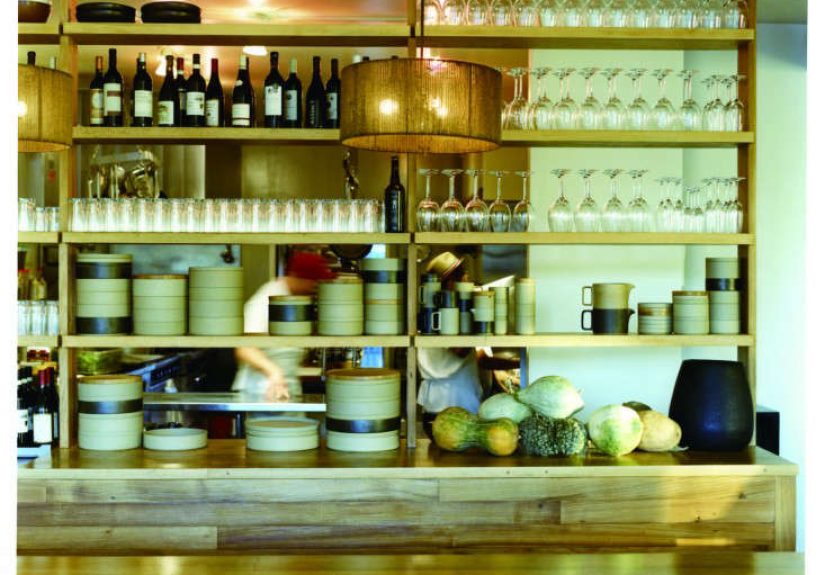
Stackable dinnerware sounds practical, which it is, but Hasami Porcelain turns practicality into something elegant. The stacks look intentional rather than squeezed together. A pile of bowls becomes a sculptural column. Plates line up with satisfying precision. Mugs nest visually beside trays and lids in a way that makes the cabinet feel less like storage and more like a tiny ceramics gallery.
For everyday life, this is a big advantage. Most people do not have endless kitchen storage. Even larger homes can suffer from dish chaos: six souvenir mugs, three chipped cereal bowls, a mystery saucer that belongs to nothing, and one oversized platter that appears only when guests bring dip. Hasami Porcelain offers an antidote. Its modular system encourages you to own fewer pieces that do more jobs.
Why Stacking Changes the Way You Use Tableware
When dishes stack well, they become easier to use. You are more likely to reach for them. You are more likely to put them away properly. You are also less likely to buy duplicate items because you can actually see what you own. This sounds small until you realize how much daily friction lives in a kitchen cabinet.
A Hasami plate can serve breakfast toast in the morning, hold a sandwich at lunch, become a lid for leftovers in the afternoon, and support a small dessert in the evening. A shallow bowl can handle rice, salad, fruit, pasta, or snacks. The pieces do not scream for attention, so they adapt to the food rather than forcing every meal into a specific mood.
Material Matters: Semi-Porcelain with Character
Hasami Porcelain is made from semi-porcelain, a material that combines qualities often associated with porcelain and earthenware. The result is a satisfying balance: refined but not precious, sturdy but not clunky, smooth yet earthy. The natural finish has a matte, unglazed feel that many people love because it keeps the hand connected to the material. The black and gloss gray versions offer deeper tones while still preserving the collection’s clean geometry and tactile appeal.
This is tableware you notice with your fingers as much as with your eyes. A glossy white plate can sometimes feel anonymous, like it was designed by a committee in a fluorescent room. Hasami Porcelain has more personality. The surface may show subtle variations, and that is part of the charm. Each piece feels like it belongs to a craft tradition rather than a warehouse of identical objects.
Natural, Black, and Gloss Gray Finishes
The Natural finish is warm, quiet, and organic. It pairs beautifully with wood, linen, stone countertops, open shelving, and food that benefits from a softer background: eggs, rice, fruit, roasted vegetables, or a slice of cake that deserves better than a paper towel.
The Black finish has a more dramatic presence. It makes bright foods pop and can turn a simple meal into something that feels restaurant-adjacent without requiring tweezers, foam, or a chef saying “deconstructed.” Gloss Gray offers a polished middle ground. It feels contemporary and calm, with enough shine to catch light but not so much that it becomes flashy.
Inspired by Japanese Utility and Everyday Ritual
One of the most interesting references behind Hasami Porcelain is the tradition of tiered Japanese containers, often associated with serving and storing food in elegant stacked forms. That inspiration helps explain why the collection feels so natural when stacked. The design is not a gimmick; it comes from a cultural history of compact, layered, practical beauty.
Japanese tableware often values proportion, seasonality, texture, and the relationship between vessel and food. Hasami Porcelain translates those values into a modern modular system. It is not overly decorative, but it is not cold either. The restraint gives meals room to breathe. A bowl of ramen, a small salad, grilled fish, or even popcorn for a movie night all look considered without looking staged.
How Hasami Porcelain Works in a Modern Home
Hasami Porcelain is particularly well suited to modern interiors because it refuses to fight with its surroundings. It works in Scandinavian-inspired kitchens, Japanese minimalist spaces, rustic homes, industrial lofts, and bright contemporary apartments. The clean shapes and muted colors give it rare flexibility.
On open shelves, the pieces look orderly. On a dining table, they look relaxed but refined. In a cabinet, they behave themselves, which is more than can be said for many dinnerware sets. This adaptability makes the collection appealing to homeowners, renters, designers, food stylists, and anyone who has discovered that “casual dinner” still deserves a decent bowl.
For Small Spaces
If your kitchen is short on storage, modular tableware can feel like a miracle with a matte finish. Shared diameters and stackable shapes help reduce clutter. Instead of a dozen unrelated pieces, you can build a compact set: a few plates, bowls, mugs, and trays that cover most meals while taking up less room.
For Entertaining
Hasami Porcelain also shines when hosting. Wooden trays can bring warmth to the table, while plates and bowls create a cohesive setting without looking stiff. The modular design makes it easy to serve dips, sides, snacks, tea, coffee, desserts, and shared dishes in combinations that feel intentional.
For Everyday Meals
The best tableware does not wait for guests. It improves ordinary meals. Hasami Porcelain makes a weekday breakfast feel calmer and a quick lunch feel less thrown together. Even leftovers gain dignity. Not a lot of dignity, perhaps, if we are talking about cold pizza at 11 p.m., but still more than they had before.
Care and Practical Use
Hasami Porcelain is designed for home use and everyday routines. Many pieces are dishwasher and microwave safe, which is essential for anyone who loves design but does not want to hand-wash a bowl after eating oatmeal. However, like most ceramic tableware, it should not be used in the oven, placed over an open flame, or treated like indestructible camping gear.
The unglazed and matte surfaces can develop patina over time. For some owners, this aging is part of the appeal. The pieces slowly reflect use, developing a quiet history. To keep them looking their best, avoid abrasive cleaners, harsh scrubbing, or careless stacking that causes hard impacts. Stack them gently. They are sturdy, not superhero armor.
Simple Care Tips
- Use the dishwasher when appropriate, but avoid overcrowding.
- Microwave only according to care guidance and avoid extreme temperature shock.
- Do not place pieces in the oven or directly over flame.
- Use non-abrasive sponges to protect the surface.
- Stack carefully to prevent chips from repeated impact.
Building a Hasami Porcelain Collection
You do not need to buy an entire tableware set at once. In fact, Hasami Porcelain is ideal for gradual collecting. Start with the pieces you will use most: a plate, a bowl, and a mug in a diameter and finish that suits your habits. Then add trays, deeper bowls, or additional sizes as your kitchen routine reveals what you actually need.
For a breakfast-focused setup, consider mugs, small plates, and wooden trays. For everyday lunches and dinners, medium plates and bowls are the workhorses. For people who love tea, coffee, or small desserts, the cups and shallow dishes are especially useful. The collection rewards thoughtful buying because each new piece can connect with what you already own.
Natural Pairings for the Table
Hasami Porcelain pairs beautifully with linen napkins, walnut or ash wood, stainless flatware, glass tumblers, bamboo accessories, and simple flowers. It also works well with imperfect textures: sourdough crust, roasted vegetables, handmade noodles, fresh herbs, and fruit. The table does not need to look perfect. In fact, the table looks better when it feels lived in.
Why Designers Love It
Designers are drawn to Hasami Porcelain because it solves multiple problems at once. It is attractive, functional, durable enough for daily use, easy to style, and visually consistent across categories. It offers the calm of minimalism without feeling sterile. It also has a backstory rooted in craft, which gives the collection depth beyond its good looks.
In photography, Hasami Porcelain gives food a grounded frame. In interiors, it supports the room rather than dominating it. In real life, it stacks. That final point may not sound poetic, but anyone who has lived with badly designed tableware knows that poetry fades quickly when your bowls wobble like a tiny ceramic landslide.
Is Hasami Porcelain Worth It?
Hasami Porcelain is not the cheapest tableware on the market, and it is not trying to be. Its value lies in design longevity, material quality, modular flexibility, and daily usefulness. If you want bright patterns, ornate edges, or ultra-lightweight bone china, this may not be your style. But if you appreciate minimalist tableware that feels substantial, stacks beautifully, and improves the small rituals of eating and serving, it is a strong investment.
The collection is especially worthwhile for people who prefer buying fewer, better things. A small, well-chosen set can replace a chaotic mix of dishes and create a more peaceful kitchen. It is also a great choice for anyone building a first serious home collection, upgrading from mismatched college-era plates, or looking for Japanese tableware that balances craft and modern design.
Experience: Living with Hasami Porcelain’s Modular Tableware
The first thing you notice about Hasami Porcelain in daily life is not the design history. It is the sound. A soft, grounded ceramic sound when a plate meets a wooden table. A gentle weight in the hand when you lift a mug. A small moment of satisfaction when one bowl settles neatly onto another instead of sliding sideways like it has personal issues.
Using Hasami Porcelain changes the rhythm of a kitchen. Breakfast becomes simpler. A natural mug, a small plate, coffee, toast, and maybe a boiled egg suddenly look like a breakfast from a calm person’s life, even if you are answering emails with one hand and wondering where your keys went. The pieces do not demand ceremony, but they make ordinary routines feel less rushed.
At lunch, the modular system becomes even more useful. A shallow bowl works for rice and vegetables. A plate becomes a lid if you need to step away. A wooden tray turns a desk lunch into something that feels intentional rather than accidental. This is where Hasami’s stacking logic becomes more than a storage feature. It becomes a way to move through the day with fewer objects doing more work.
Dinner is where the tableware’s quiet confidence really appears. The muted tones let food take the lead. Pasta looks warm and generous in a natural bowl. Greens look sharp against black. Soup feels cozy in a tall bowl, especially when paired with a plate underneath for bread. Nothing feels overly styled, yet everything looks pulled together. Hasami Porcelain has that rare ability to make a meal feel designed without making the cook feel underdressed.
The storage experience is also surprisingly satisfying. Open a cabinet and the stacks look calm, even architectural. Plates sit in orderly columns. Bowls nest with purpose. Mugs line up like they understand teamwork. For small kitchens, this can make a real difference. Instead of using cabinet space as a ceramic junk drawer, you get a compact system that respects the limits of the room.
There is also pleasure in the way the material ages. A highly polished plate often asks to remain perfect. Hasami Porcelain feels more relaxed. The natural surface may shift slightly with use, developing character. That can be uncomfortable if you want every object to stay showroom-new forever. But if you like things that gather memory, the patina becomes part of the relationship. The tableware begins to feel like it belongs to your home, not just your shopping history.
Of course, living with it also teaches you to slow down a little. You stack pieces gently. You avoid banging rims together. You use a soft sponge instead of attacking the surface like you are trying to remove evidence. In return, the pieces offer a daily kind of beauty: not loud, not trendy, not desperate for applause. Just useful, balanced, and quietly excellent.
That may be the deepest appeal of Hasami Porcelain’s modular tableware. It does not transform your kitchen through decoration alone. It improves the small interactions: serving, stacking, storing, reheating, sharing, cleaning, and starting again the next morning. It is made for stacking, yes. But it is also made for living.
Conclusion
Hasami Porcelain’s modular tableware proves that practical objects can be beautiful without becoming complicated. Its stackable forms, tactile semi-porcelain material, and roots in Japanese ceramic tradition create a collection that feels timeless, useful, and refreshingly calm. Whether you are designing a minimalist kitchen, upgrading everyday dishes, or simply trying to make your cabinets less dramatic, Hasami Porcelain offers a smart and elegant solution.
It is tableware with discipline, warmth, and flexibility. It respects space. It respects food. It respects the person who has to unload the dishwasher. And in the world of home design, that last one deserves a standing ovation.