Table of Contents >> Show >> Hide
- Why Oil Leaks Matter More Than a Messy Driveway
- Way 1: Confirm That the Leak Is Actually Engine Oil
- Way 2: Inspect the Most Common Oil Leak Locations
- Way 3: Decide What to Do Next
- Common Causes of Leaking Oil
- How to Clean Up Oil So You Can Find the Fresh Leak
- Preventing Future Oil Leaks
- of Real-World Experience: What Oil Leaks Teach You the Hard Way
- Conclusion
Few things make a driver’s stomach drop faster than seeing a dark, shiny puddle under the car. Is it engine oil? Transmission fluid? Something from the neighbor’s car? Did your vehicle quietly turn into a tiny petroleum fountain overnight? Before panic takes the wheel, take a breath. A leaking oil problem can be serious, but it is also one of the most common vehicle issues drivers can learn to identify early.
Engine oil is the hardworking liquid that lubricates moving parts, reduces heat, helps prevent metal-on-metal wear, and keeps your engine from sounding like a blender full of silverware. When oil leaks out, the engine can run low, overheat, wear faster, or suffer expensive damage. The good news is that many leaks leave clues: stains, smells, smoke, low dipstick readings, or fresh oil around gaskets and seals.
This guide explains three practical ways to troubleshoot leaking oil: identify the fluid, inspect the common leak points, and decide whether the fix is safe for DIY or needs a professional mechanic. You do not need to become a full-time auto technician. You just need a flashlight, a little patience, and the courage to look under the hood without pretending the problem will “probably heal itself.”
Why Oil Leaks Matter More Than a Messy Driveway
An oil leak may start as a few harmless-looking drops, but small leaks can become bigger problems quickly. Engine oil circulates through hot, pressurized areas. Gaskets, seals, drain plugs, filters, and oil pans all work together to keep that oil where it belongs. When one part fails, loosens, cracks, or wears out, oil can escape.
The danger is not only the puddle. Low oil levels reduce lubrication, which increases friction and heat inside the engine. Oil dripping onto hot exhaust components can also create a burning smell or even light smoke from under the hood. In severe cases, continuing to drive with too little oil can lead to engine knocking, overheating, or catastrophic engine failure. Translation: a $20 gasket problem can invite a four-digit repair bill to dinner.
Way 1: Confirm That the Leak Is Actually Engine Oil
The first step in troubleshooting leaking oil is confirming the fluid type. Cars contain several fluids, and they are all capable of making dramatic stains at the worst possible time. Engine oil usually appears amber, brown, or black depending on its age. It feels slick and greasy between your fingers and often has a burnt or petroleum-like smell.
Check the Color and Texture
Place a piece of clean cardboard under the engine area overnight. In the morning, check the stain. Fresh motor oil may look honey-colored or light brown. Older oil often looks dark brown or black. If the fluid is red or pink, it may be transmission fluid or power steering fluid. If it is green, orange, yellow, or pink and has a sweet smell, coolant is more likely. Clear water under the passenger side after using the air conditioner is usually just condensation, not a car emergency.
Engine oil will feel slippery and leave a greasy smear. If you are not sure, avoid tasting ityes, that should be obvious, but cars have seen things. Use gloves or a paper towel instead.
Check the Oil Level with the Dipstick
Park the vehicle on level ground and turn off the engine. For many vehicles, it is best to wait a few minutes so oil can drain back into the pan, though some owner’s manuals recommend checking when the engine is cool. Pull the dipstick, wipe it clean, reinsert it fully, and pull it out again. The oil should sit between the minimum and maximum marks.
If the level is low, add the correct oil slowly in small amounts. Do not overfill it. Too much oil can create pressure and foaming issues, which may cause more problems than it solves. Always use the oil grade recommended in your owner’s manual.
Look for Dashboard Warnings
A low oil pressure warning light is not a polite suggestion. It is more like your engine waving both arms and yelling, “Please stop now.” If the oil pressure light comes on while driving, pull over safely, turn off the engine, and check the oil level. Driving with low oil pressure can damage the engine quickly.
Way 2: Inspect the Most Common Oil Leak Locations
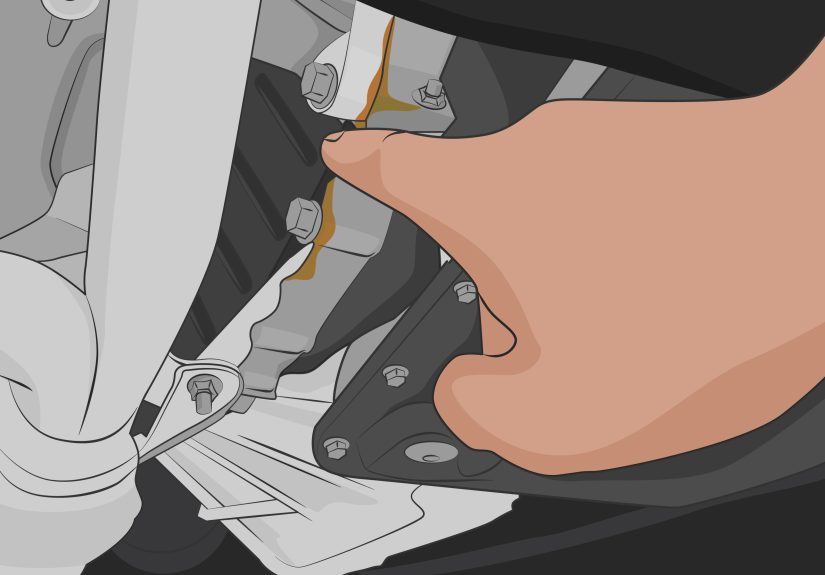
Once you know the fluid is probably engine oil, the next step is finding where it is coming from. Oil follows gravity, airflow, and engine vibration, so the wettest spot may not always be the original source. Start high, then work downward. A flashlight can make this much easier.
Valve Cover Gasket
The valve cover sits near the top of the engine. Its gasket seals the cover to the cylinder head. Over time, heat can harden the gasket, causing oil to seep around the edges. A valve cover gasket leak often leaves oily residue high on the engine and may create a burning oil smell if oil drips onto hot parts.
Symptoms may include oil around the top of the engine, smoke or odor after driving, and oil collecting near spark plug wells on some vehicles. This is a common leak point, especially on older engines or vehicles with high mileage.
Oil Filter
The oil filter can leak if it is loose, overtightened, cross-threaded, installed with a damaged gasket, or accidentally installed over an old filter gasket. That last mistake is called a double gasket, and it can cause a surprisingly fast leak after an oil change.
If the leak began immediately after an oil change, inspect the filter area first. Look for fresh oil around the filter housing or dripping directly below it. A properly installed oil filter should be snug, sealed, and matched to the vehicle.
Oil Drain Plug and Washer
The oil drain plug sits at the bottom of the oil pan. If it is loose, stripped, overtightened, or missing its sealing washer, oil can drip from the lowest point of the engine. This is another common culprit after an oil change.
A slow drip from the plug area may be caused by a worn crush washer. A faster leak may suggest a damaged plug or stripped oil pan threads. If the plug spins without tightening, stop. That is not a “try harder” moment; it is a repair moment.
Oil Pan Gasket
The oil pan stores engine oil at the bottom of the engine. Its gasket seals the pan to the engine block. Because the oil pan sits low, it is exposed to road debris, potholes, curbs, and the occasional parking block that jumps out of nowhere.
Oil pan gasket leaks often appear as oil collecting around the pan seam. A damaged pan may show dents, cracks, or wet spots. Depending on the vehicle, replacing an oil pan gasket can be simple or surprisingly involved.
Crankshaft, Camshaft, and Timing Cover Seals
Front and rear crankshaft seals, camshaft seals, and timing cover gaskets can also leak. These areas may be harder to inspect because they are often hidden behind pulleys, covers, or drivetrain components. Oil around the front of the engine, inside the bell housing area, or behind timing components often requires professional diagnosis.
These leaks should not be ignored. They may contaminate belts, reduce oil levels, and require more labor to repair than an easy-access gasket.
Way 3: Decide What to Do Next
After identifying the likely source, decide whether the problem is safe to monitor, simple enough to fix, or urgent enough for a mechanic. Not every oil leak requires a tow truck, but some absolutely deserve immediate attention.
When You Can Monitor the Leak Briefly
If the leak is tiny, the oil level is stable, there is no burning smell, no smoke, and no dashboard warning light, you may be able to monitor it for a short time. Mark the oil level, place cardboard under the car overnight, and recheck the dipstick daily. This can help you understand whether the vehicle is losing a few drops or a meaningful amount.
However, monitoring is not the same as ignoring. A leak rarely fixes itself. Rubber gaskets do not wake up one morning refreshed and emotionally available.
When a DIY Fix Might Be Reasonable
Some leaks are simple enough for experienced DIYers. Replacing a drain plug washer, tightening a loose oil filter correctly, or cleaning residue after a messy oil change may be manageable. Always use the correct torque specifications when tightening drain plugs. Over-tightening can strip threads, crack parts, or turn a small leak into a weekend-long vocabulary lesson.
If you perform any DIY work involving used motor oil, collect the oil in a proper drain pan and recycle it at an approved collection site. Never pour used oil down a drain, onto the ground, or into a storm sewer. Used motor oil is harmful to waterways and should be handled responsibly.
When to Stop Driving and Call a Mechanic
Stop driving and seek professional help if the oil pressure warning light comes on, the dipstick shows little or no oil, oil is spraying or dripping rapidly, smoke comes from under the hood, or the engine makes knocking or ticking noises. These are not “maybe next weekend” symptoms.
You should also call a mechanic if the leak appears to come from the rear main seal, timing cover, camshaft seal, oil cooler, turbocharger oil line, or any area you cannot safely access. A professional technician may use dye, UV light, cleaning methods, pressure checks, or lift inspection to confirm the leak source.
Common Causes of Leaking Oil
Oil leaks usually happen because a seal has failed, a part was installed incorrectly, or a component has been damaged. The most common causes include worn gaskets, loose drain plugs, damaged oil pans, faulty oil filter gaskets, worn crankshaft or camshaft seals, and high crankcase pressure.
High-mileage vehicles are more likely to develop leaks because heat cycles harden rubber and gasket materials over time. Vehicles that sit unused for long periods may also develop dry seals. Recent oil changes can reveal or create leaks if the drain plug, washer, or filter was not installed correctly.
How to Clean Up Oil So You Can Find the Fresh Leak
Old oil residue can make diagnosis confusing. If the engine is covered in grime, it is hard to know what is new and what has been there since the last presidential administration. Carefully clean the suspected area with an appropriate degreaser, avoiding electrical components and hot surfaces. Then drive briefly, park on clean cardboard, and inspect again.
For driveway stains, absorb fresh oil with clay kitty litter, sawdust, or a commercial absorbent. Let it sit, sweep it up, and dispose of it according to local guidelines. Cleaning the stain is nice; finding the source is better.
Preventing Future Oil Leaks
Preventing oil leaks begins with routine maintenance. Use the correct oil viscosity, change oil at the interval recommended by the vehicle manufacturer, replace the oil filter with a quality part, and inspect the drain plug washer during oil changes. Check the oil level regularly, especially before long trips or if your vehicle has high mileage.
Avoid ignoring small leaks. The sooner you repair a worn gasket or loose filter, the less likely you are to face engine damage, belt contamination, burning smells, or environmental mess. A clean, dry engine is not just pretty; it is easier to diagnose and safer to drive.
of Real-World Experience: What Oil Leaks Teach You the Hard Way
Anyone who has dealt with a leaking oil problem knows the experience is part detective story, part inconvenience, and part comedy if you are lucky enough to still have a sense of humor. The first lesson is simple: never trust the size of the spot alone. A small stain can come from a leak that only appears while the engine is running, and a dramatic puddle can sometimes come from a loose filter after a recent oil change. The cardboard test is one of the most practical tricks because it gives you location, color, and freshness without requiring a mechanic’s lift.
The second lesson is that oil travels. Many drivers look directly beneath the drip and assume the leak is right above it. Sometimes that is true. Other times, oil starts high on the engine, runs along a seam, gets pushed backward by airflow, and finally drips from a completely different place. That is why cleaning the area first can save hours of guessing. A clean engine tells the truth faster than a greasy one.
The third lesson is to pay attention after every oil change. A vehicle that did not leak yesterday but leaks today may have a loose drain plug, a damaged washer, an incorrectly seated oil filter, or leftover spilled oil burning off. Not every post-service smell means disaster, but it deserves inspection. Checking the dipstick and looking under the vehicle after service takes two minutes and can prevent a very expensive surprise.
Another experience worth remembering is that burning oil smell should not be ignored. It is tempting to roll down the window and pretend the smell belongs to another car. But if oil is dripping onto hot exhaust parts, the issue can become unsafe. Smoke from under the hood, even light smoke, should be treated seriously. Pull over, shut the engine off, and inspect only when it is safe.
Finally, oil leaks teach the value of humility. A confident DIYer can replace a washer or filter, but some leaks require tools, lifts, and experience. Rear main seal leaks, timing cover leaks, and oil cooler leaks can be tricky. Guessing can waste money. A proper diagnosis may cost less than throwing random parts at the problem. In the long run, the smartest driver is not the one who fixes everything alone. It is the one who knows when to inspect, when to monitor, when to repair, and when to hand the keys to a professional.
Conclusion
Troubleshooting leaking oil starts with three smart steps: confirm the fluid, inspect common leak points, and decide whether the repair is DIY-friendly or professional territory. Engine oil leaks can come from valve cover gaskets, oil filters, drain plugs, oil pan gaskets, crankshaft seals, camshaft seals, or damaged components. Some leaks are minor, but low oil pressure, smoke, rapid dripping, or engine noise means it is time to stop driving and get help.
The best approach is calm, careful, and practical. Check your dipstick. Look for fresh oil. Use cardboard. Clean old residue. Keep records. And remember: your car does not leak oil because it wants attention. It leaks oil because something needs fixing. Catch it early, and you can protect your engine, your wallet, and your driveway from becoming a modern art installation.