Table of Contents >> Show >> Hide
- What Is Fiber?
- How Much Fiber Do You Need?
- Benefits of Fiber for Weight Loss
- Benefits of Fiber for Improved Digestion
- Fiber and Heart Health
- Fiber and Blood Sugar Balance
- Fiber and Long-Term Health
- Best High-Fiber Foods to Add to Your Diet
- Easy Ways to Eat More Fiber Every Day
- Can You Eat Too Much Fiber?
- Food vs. Fiber Supplements
- Sample High-Fiber Day
- Common Myths About Fiber
- Real-Life Experiences: What Happens When You Actually Eat More Fiber?
- Conclusion
Fiber is the quiet hero of the nutrition world. It does not arrive with the flashy reputation of protein, the dramatic plot twists of carbohydrates, or the celebrity status of collagen powder. Yet this humble plant-based nutrient does an impressive amount of work behind the scenes. It helps digestion move smoothly, supports healthy weight management, feeds beneficial gut bacteria, helps stabilize blood sugar, and may contribute to better heart health. In other words, fiber is not just “the thing your grandma told you to eat for regularity.” Grandma was right, of course, but she was only covering chapter one.
The benefits of fiber go far beyond the bathroom. A fiber-rich diet is linked with better appetite control, healthier cholesterol levels, improved bowel regularity, and a lower risk of several chronic diseases. The catch? Many people do not get nearly enough. Modern eating habits often lean heavily on refined grains, packaged snacks, sweet drinks, and fast meals that are convenient but sadly fiber-light. A croissant may be charming, but it is not exactly carrying your digestive system on its back.
The good news is that adding more dietary fiber does not require a complete personality change, a refrigerator full of mysterious greens, or a solemn goodbye to delicious food. With a few simple swapsoats instead of sugary cereal, beans in your soup, berries with breakfast, vegetables at lunch, chia seeds in yogurtyou can increase fiber naturally and enjoy meals that feel satisfying instead of punishing.
What Is Fiber?
Fiber is a type of carbohydrate found in plant foods. Unlike sugars and starches, fiber is not fully digested by the body. Instead, it travels through the digestive system, performing useful jobs along the way. Think of it as the friendly traffic manager of your gut: slowing things down when needed, moving things along when necessary, and keeping the whole system from turning into rush-hour chaos.
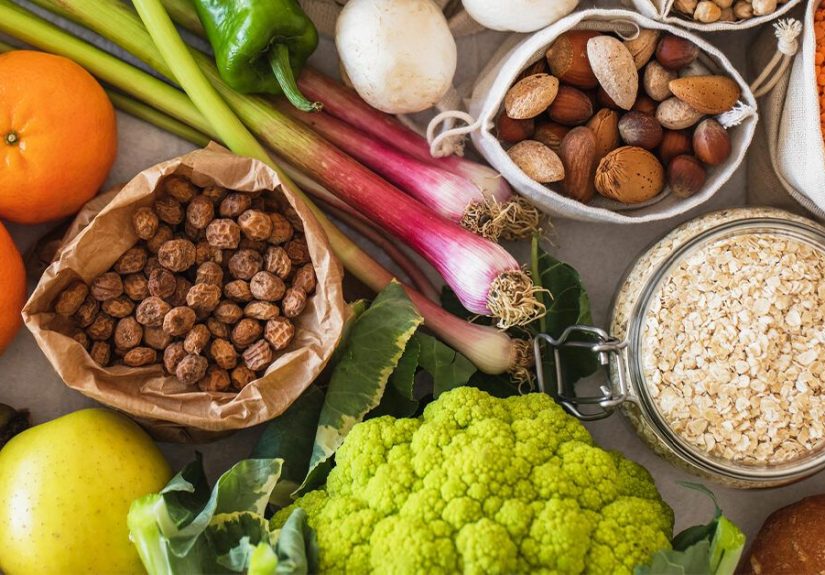
Fiber is found in fruits, vegetables, beans, lentils, whole grains, nuts, and seeds. Animal foods such as meat, eggs, fish, and dairy do not naturally contain fiber. That does not make them “bad,” but it does mean a high-fiber diet needs plants at the table. If your plate rarely includes plants, your fiber intake may be running on fumes.
Soluble Fiber
Soluble fiber dissolves in water and forms a gel-like substance in the digestive tract. This gel can slow digestion, help you feel full longer, and support steadier blood sugar after meals. Soluble fiber is commonly found in oats, barley, apples, citrus fruits, beans, lentils, peas, carrots, chia seeds, and psyllium.
This type of fiber is especially known for its role in supporting heart health because it may help lower LDL cholesterol, often called “bad” cholesterol. It can also be helpful for appetite control because meals containing soluble fiber tend to feel more filling.
Insoluble Fiber
Insoluble fiber does not dissolve in water. Instead, it adds bulk to stool and helps food move through the digestive tract. If soluble fiber is the slow-and-steady organizer, insoluble fiber is the motivational coach saying, “Let’s keep this moving.”
You can find insoluble fiber in foods such as wheat bran, whole grains, nuts, beans, cauliflower, green beans, potatoes with the skin, and many vegetables. It is especially helpful for supporting regular bowel movements and preventing constipation.
How Much Fiber Do You Need?
Fiber needs vary by age, sex, calorie intake, and health status, but a common daily goal for adults is around 25 to 38 grams per day. Another practical guideline is about 14 grams of fiber for every 1,000 calories eaten. Unfortunately, many adults get far less than that, often closer to half of what they need.
Rather than obsessing over exact numbers every day, aim to include fiber-rich foods at most meals. A bowl of oatmeal with berries, a lunch salad with chickpeas, an apple with peanut butter, lentil soup, roasted vegetables, or whole-grain toast can all help you move toward the target without turning lunch into a math exam.
Benefits of Fiber for Weight Loss
One of the most popular reasons people look up the benefits of fiber is weight loss. Fiber is not a magic wand, and it will not cancel out a week of midnight nachos. However, it can make weight management easier in several realistic ways.
Fiber Helps You Feel Full Longer
High-fiber foods often take longer to chew and digest. This slows down eating and gives your body more time to recognize fullness. Soluble fiber, in particular, forms a gel in the gut that can slow stomach emptying. The result is a meal that sticks with you longer, so you are less likely to go hunting for snacks 45 minutes later like a raccoon with a deadline.
For example, compare a glass of apple juice with a whole apple. The juice may contain sugar from the fruit, but it lacks the same fiber structure. The whole apple provides fiber, chewing satisfaction, and more fullness. That does not mean juice is forbidden, but when weight control is the goal, whole fruit usually wins.
Fiber-Rich Foods Are Often Lower in Calories
Many foods naturally high in fiber are also nutrient-dense and relatively low in calories. Vegetables, fruits, legumes, and whole grains provide volume, texture, vitamins, minerals, and antioxidants. A large bowl of vegetable and bean soup can feel hearty without delivering the calorie load of a greasy fast-food meal.
This is one reason high-fiber eating can support a healthy calorie deficit without making you feel like you are living on air and willpower. Meals built around beans, vegetables, whole grains, and lean proteins can be satisfying, balanced, and enjoyable.
Fiber Supports Better Blood Sugar Control
Fiber can slow the absorption of sugar into the bloodstream. This may help reduce sharp blood sugar spikes and crashes after meals. Stable blood sugar is important for overall metabolic health and may also help control hunger. When blood sugar rises and falls rapidly, cravings can show up with the enthusiasm of a pop-up ad.
Choosing high-fiber carbohydratessuch as oats, quinoa, beans, lentils, berries, and sweet potatoescan provide energy while helping the body process that energy more gradually.
Benefits of Fiber for Improved Digestion
Digestive health is where fiber first earned its reputation. A healthy digestive system is not glamorous dinner conversation, but anyone who has experienced constipation, bloating, or irregular bowel habits knows it matters. Fiber helps keep the digestive tract functioning more comfortably and predictably.
Fiber Helps Prevent Constipation
Insoluble fiber adds bulk to stool, while soluble fiber helps hold water. Together, they can make stool easier to pass. This is why whole grains, fruits, vegetables, beans, and seeds are often recommended for people who struggle with constipation.
However, there is one very important rule: increase fiber gradually. Jumping from a low-fiber diet to a mountain of beans overnight may lead to gas, bloating, and regret. Your digestive system appreciates ambition, but it prefers a polite introduction.
Fiber Feeds Good Gut Bacteria
Your gut contains trillions of bacteria, many of which play important roles in digestion, immune function, and overall health. Certain fibers act as prebiotics, meaning they feed beneficial gut bacteria. When these bacteria ferment fiber, they produce short-chain fatty acids, compounds that help support the health of the colon and may influence inflammation and metabolism.
Prebiotic fiber is found in foods such as onions, garlic, leeks, asparagus, bananas, oats, beans, and whole grains. These foods help create a gut environment where beneficial bacteria can thrive. Basically, fiber is room service for your microbiome.
Fiber May Support a Healthier Gut Barrier
A strong gut barrier helps keep digestion running smoothly and supports immune health. The short-chain fatty acids produced when gut bacteria ferment fiber, especially butyrate, provide fuel for cells lining the colon. This is one reason researchers continue to study fiber’s role in long-term digestive and metabolic health.
Fiber and Heart Health
Fiber is not just good for your gut; your heart may appreciate it too. Diets rich in fiber, especially soluble fiber, are associated with healthier cholesterol levels. Soluble fiber can bind with cholesterol-containing compounds in the digestive tract and help remove them from the body.
Oats are a classic example. They contain beta-glucan, a type of soluble fiber known for its cholesterol-supporting benefits. Beans, lentils, barley, apples, and citrus fruits also provide soluble fiber. Add these foods regularly, and your heart may send a thank-you note. It will probably be handwritten, because the heart is classy like that.
High-fiber diets also tend to be rich in potassium, magnesium, antioxidants, and other nutrients that support cardiovascular health. When fiber comes from whole foods, you get more than one benefit at a time. It is nutrition’s version of a bundle deal.
Fiber and Blood Sugar Balance
Fiber can be especially valuable for people trying to maintain healthy blood sugar levels. When you eat refined carbohydrates with little fiber, they are often digested quickly. This can cause blood sugar to rise rapidly. High-fiber carbohydrates digest more slowly, producing a more gradual blood sugar response.
This does not mean carbohydrates are the villain. It means the type and quality of carbohydrates matter. A bowl of lentils, brown rice, vegetables, and grilled chicken behaves very differently in the body than a large soda and a frosted pastry. Both contain carbohydrates, but only one is bringing fiber, protein, minerals, and dignity to the table.
Fiber and Long-Term Health
Higher fiber intake is associated with a lower risk of several chronic conditions, including heart disease, type 2 diabetes, and colorectal cancer. While no single nutrient can guarantee disease prevention, fiber-rich eating patterns often reflect an overall healthier diet. People who eat more fiber usually consume more fruits, vegetables, legumes, nuts, seeds, and whole grainsfoods linked with better health outcomes.
Fiber may also support healthy aging by helping maintain bowel regularity, metabolic health, and a more diverse gut microbiome. As researchers continue studying the gut’s connection to immunity, inflammation, and brain health, fiber remains a major focus because it influences so many systems at once.
Best High-Fiber Foods to Add to Your Diet
The best fiber sources are usually whole or minimally processed plant foods. Supplements can be helpful in some situations, but food should be the foundation because it provides vitamins, minerals, antioxidants, water, and satisfying texture along with fiber.
Beans and Lentils
Beans, lentils, chickpeas, black beans, kidney beans, and split peas are fiber champions. They are also affordable, filling, and flexible. Add them to soups, salads, tacos, grain bowls, pasta sauces, or dips. If beans make you gassy, start with small portions, rinse canned beans well, and increase slowly.
Whole Grains
Oats, barley, quinoa, brown rice, bulgur, farro, whole-wheat pasta, and whole-grain bread can all contribute fiber. Look for “whole grain” or “whole wheat” as the first ingredient. Do not assume brown-colored bread is automatically high in fiber; sometimes bread is just wearing a convincing costume.
Fruits
Berries, apples, pears, oranges, bananas, and avocados provide fiber along with vitamins and antioxidants. Eat the peel when appropriate, because peels often contain extra fiber. A pear with skin, for example, is a much better fiber choice than a peeled fruit cup swimming in syrup.
Vegetables
Broccoli, carrots, Brussels sprouts, sweet potatoes, peas, artichokes, leafy greens, and squash are excellent choices. Aim to fill half your plate with vegetables at meals when possible. Roasting vegetables with olive oil, herbs, and garlic can turn even reluctant vegetable eaters into believers.
Nuts and Seeds
Chia seeds, flaxseeds, almonds, pistachios, sunflower seeds, and pumpkin seeds offer fiber plus healthy fats. Chia seeds are especially useful because they absorb liquid and form a gel-like texture. Stir them into yogurt, oatmeal, smoothies, or homemade pudding.
Easy Ways to Eat More Fiber Every Day
Increasing fiber does not require complicated meal plans. Small changes add up quickly when you repeat them daily.
Upgrade Breakfast
Start the day with oatmeal topped with berries and chia seeds, whole-grain toast with avocado, or Greek yogurt with fruit and nuts. Breakfast is a perfect time to add fiber because it sets the tone before snack cravings begin their dramatic entrance.
Add Beans to One Meal
Add black beans to tacos, lentils to soup, chickpeas to salad, or white beans to pasta. Even half a cup can provide a meaningful fiber boost.
Choose Whole Fruit Over Juice
Fruit juice can be tasty, but whole fruit provides more fiber and fullness. Try apples, berries, oranges, pears, or bananas as snacks.
Make Vegetables Convenient
Keep washed greens, baby carrots, frozen broccoli, or pre-chopped vegetables available. Convenience matters. A vegetable you actually eat is better than an inspirational cauliflower slowly aging in the back of the refrigerator.
Read Nutrition Labels
Look for cereals, breads, and snacks with at least 3 grams of fiber per serving. Products with 5 grams or more per serving are considered high-fiber options.
Can You Eat Too Much Fiber?
Yes, especially if you increase it too quickly. Too much fiber at once can cause gas, bloating, cramps, or changes in bowel habits. People with certain digestive conditions may need individualized guidance from a healthcare professional.
To increase fiber safely, add a little at a time and drink plenty of water. Fiber works best when fluid intake is adequate. Without enough water, fiber can feel less like a helpful digestive assistant and more like a traffic jam.
Food vs. Fiber Supplements
Fiber supplements such as psyllium, methylcellulose, or inulin can help some people reach their goals, especially if constipation or cholesterol management is a concern. However, supplements do not replace the full nutritional benefits of whole foods. A spoonful of fiber powder does not bring the antioxidants of berries, the minerals of beans, or the satisfying crunch of vegetables.
If you use a fiber supplement, start with a small amount, follow label directions, and take it with enough water. If you take medications, ask a healthcare professional whether fiber supplements could affect absorption timing.
Sample High-Fiber Day
Here is a simple example of how fiber can fit into a normal day without turning meals into a wellness obstacle course:
Breakfast: Oatmeal with blueberries, chia seeds, and a spoonful of peanut butter.
Snack: An apple with a handful of almonds.
Lunch: A grain bowl with quinoa, roasted vegetables, chickpeas, greens, and lemon-tahini dressing.
Snack: Greek yogurt with raspberries or carrot sticks with hummus.
Dinner: Lentil soup with a side salad and whole-grain toast.
This kind of day provides fiber from several sources, which is ideal because different fibers offer different benefits.
Common Myths About Fiber
Myth 1: Fiber Is Only for Constipation
Fiber does help with regularity, but it also supports weight management, cholesterol levels, blood sugar balance, gut bacteria, and long-term health. Constipation may be fiber’s most famous job, but it is not the only one on the résumé.
Myth 2: All Fiber Foods Taste Boring
High-fiber foods can be delicious. Think chili with beans, berry oatmeal, avocado toast, roasted sweet potatoes, lentil curry, popcorn, hummus, and black bean tacos. If fiber tastes boring, the problem may be seasoning, not fiber.
Myth 3: You Need Expensive Health Foods
Some of the best fiber sources are budget-friendly staples: oats, lentils, beans, brown rice, cabbage, carrots, bananas, potatoes, and frozen vegetables. Fiber does not require a luxury grocery cart.
Real-Life Experiences: What Happens When You Actually Eat More Fiber?
Adding more fiber sounds simple on paper, but real life is not a nutrition textbook. Real life includes busy mornings, cravings, takeout menus, office snacks, family dinners, and the occasional day when dinner is a handful of crackers eaten while standing in the kitchen. That is why the most successful fiber changes are practical, gradual, and forgiving.
One common experience people notice after increasing fiber is better fullness after meals. For example, swapping a low-fiber breakfast pastry for oatmeal with berries and nuts can change the entire morning. Instead of feeling hungry an hour later, many people feel satisfied until lunch. This does not happen because oatmeal is magical. It happens because the meal contains soluble fiber, complex carbohydrates, healthy fats, and some protein. The body receives slower-burning energy instead of a quick sugar rush followed by a snack emergency.
Another noticeable change is improved digestion. Someone who usually eats white bread, refined pasta, chips, and very few vegetables may struggle with irregular bowel movements. Adding beans, fruit, vegetables, and whole grains can help create a more predictable rhythm. At first, there may be some bloating or gas, especially with legumes. This is normal for many people and often improves as the gut adapts. Starting with small portions helps. A few tablespoons of beans in a salad is a kinder beginning than eating a giant bean burrito and hoping for the best.
People trying to lose weight may find fiber helpful because it makes meals feel more substantial. A plate with grilled chicken and a tiny scoop of rice may technically be “healthy,” but it might not feel satisfying. Add roasted vegetables, lentils, or a big crunchy salad, and suddenly the meal has volume. You can eat a generous portion without relying on heavy sauces or oversized servings of refined carbohydrates. This is where fiber shines: it helps you eat more food by volume while often consuming fewer calories overall.
Fiber can also improve snack habits. A high-fiber snack, such as an apple with peanut butter, popcorn, hummus with vegetables, or chia pudding, tends to be more satisfying than candy or chips alone. That does not mean you can never eat chips. It simply means fiber-rich snacks are better at keeping hunger quiet. Hunger, as we know, is not famous for making calm decisions.
A realistic fiber journey might look like this: in week one, you add fruit to breakfast. In week two, you switch to whole-grain bread. In week three, you add beans or lentils to lunch three times a week. In week four, you make vegetables a regular part of dinner. These small changes may seem almost too easy, but consistency beats intensity. A sustainable habit you keep is more powerful than a perfect meal plan you abandon by Wednesday.
Another useful experience is learning which fiber foods your body likes best. Some people tolerate oats, berries, and chia seeds beautifully but need to go slowly with beans. Others can eat lentils daily but feel bloated after large amounts of raw vegetables. There is no shame in personalizing your fiber sources. Your gut is not taking orders from an internet checklist.
Hydration also becomes more important. Many people increase fiber but forget to drink enough water, then wonder why digestion feels uncomfortable. Fiber and water work as a team. Add more fiber gradually, drink fluids regularly, and give your body time to adjust. The goal is not to shock your digestive system into submission; it is to support it.
In everyday life, the benefits of fiber are often subtle but meaningful: fewer cravings, better bathroom habits, steadier energy, more satisfying meals, and a stronger sense of control around food. Fiber is not a quick-fix trend. It is a long-term nutrition habit that quietly improves the way you feel. No dramatic cleanse required. No expensive powder with a name that sounds like a spaceship. Just more plants, more often.
Conclusion
The benefits of fiber are wide-ranging, practical, and backed by real nutrition science. Fiber supports weight loss by increasing fullness, slowing digestion, and helping manage appetite. It improves digestion by adding bulk, supporting regular bowel movements, and feeding beneficial gut bacteria. It also plays a role in heart health, blood sugar balance, and long-term disease prevention.
The best way to get more fiber is to eat a variety of plant foods every day: beans, lentils, oats, fruits, vegetables, whole grains, nuts, and seeds. Start slowly, drink enough water, and choose foods you actually enjoy. A high-fiber diet should not feel like punishment. It should feel like colorful, satisfying meals that happen to help your body work better.
If there is one simple takeaway, it is this: eat more plants in forms close to how nature made them. Your gut, heart, appetite, and future self will all be grateful. Your snack drawer may need a moment to adjust, but it will survive.
Note: This article is for general educational purposes and should not replace medical advice. People with digestive disorders, chronic health conditions, or medication concerns should consult a qualified healthcare professional before making major dietary changes.