Table of Contents >> Show >> Hide
- Why Face Washing Matters for Teens
- How Often Should Teens Wash Their Face?
- How to Wash Your Face (Teens): 9 Steps
- Best Face-Washing Routine for Different Teen Skin Types
- Common Face-Washing Mistakes Teens Should Avoid
- What About Toners, Scrubs, Masks, and Trendy Products?
- When Should a Teen See a Dermatologist?
- Real-Life Teen Face-Washing Experiences and Practical Lessons
- Conclusion
Editorial note: This guide is for everyday teen skin care and general education. If your skin is painful, suddenly very irritated, infected-looking, or acne is leaving marks or scars, ask a parent, guardian, doctor, or dermatologist for help.
Washing your face sounds like the easiest thing in the world. Splash, scrub, towel, doneright? Not quite. Teen skin has its own dramatic little universe happening under the surface: oil glands working overtime, sweat from sports or school activities, sunscreen, makeup, hair products, and the occasional pimple that appears right before picture day like it was personally invited.
The good news is that a great teen face-washing routine does not need to be expensive, complicated, or 14 products deep. In fact, dermatologists usually recommend the opposite: keep it simple, gentle, and consistent. A basic routine with a mild cleanser, lukewarm water, moisturizer, and daytime sunscreen can help remove oil, sweat, dirt, and product buildup without irritating your skin.
This step-by-step guide explains how to wash your face as a teen, what mistakes to avoid, and how to build a routine that works whether your skin is oily, dry, sensitive, acne-prone, or somewhere in the “my face changes personalities by lunch” category.
Why Face Washing Matters for Teens
During the teen years, hormones can increase oil production. That oil can mix with dead skin cells and bacteria inside pores, which may lead to blackheads, whiteheads, and pimples. Face washing does not “cure” acne by itself, and acne is not caused by being dirty. But gentle cleansing helps remove excess oil, sweat, sunscreen, makeup, and pollution so your skin has a cleaner starting point.
The key word is gentle. Scrubbing harder does not make skin cleaner; it usually makes skin angrier. Think of your face like a phone screen: you want to clean it, not sand it down like an old wooden table.
How Often Should Teens Wash Their Face?
For most teens, washing the face twice a day is enough: once in the morning and once before bed. You should also wash after heavy sweating, such as after sports, gym class, dance practice, biking, or wearing a helmet for a long time. Washing much more than that can dry out or irritate the skin, which may make breakouts worse.
If your skin is very dry or sensitive, you may prefer a gentle rinse in the morning and a full cleanse at night. If your skin is very oily, stick with twice daily and resist the temptation to wash every time you see shine. Oil-blotting paper or a light, non-comedogenic moisturizer can often help more than constant washing.
How to Wash Your Face (Teens): 9 Steps
Step 1: Wash Your Hands First
Before touching your face, wash your hands with soap and water. Your hands pick up germs, oil, food residue, school desk mystery particles, phone grime, and whatever was living on the bus rail. Starting with clean hands helps keep extra dirt and bacteria away from your skin.
This step is especially important if you have acne-prone skin. Touching your face throughout the day can transfer oil and debris, and picking at pimples can increase irritation and the chance of marks. So yes, your face-washing routine secretly begins at the sink before the cleanser even appears.
Step 2: Pull Hair Away From Your Face
Use a headband, clip, scrunchie, or soft towel to keep hair out of the way. Hair can carry oil, styling gel, hairspray, leave-in conditioner, and other products that may clog pores around the forehead, temples, cheeks, and jawline.
If you notice breakouts near your hairline, your hair products may be part of the story. Try keeping them off your face and choosing products labeled “non-comedogenic” when possible. Also, wash your hair often enough that oil does not constantly transfer to your skin, especially if you have bangs or long hair touching your cheeks.
Step 3: Choose the Right Cleanser
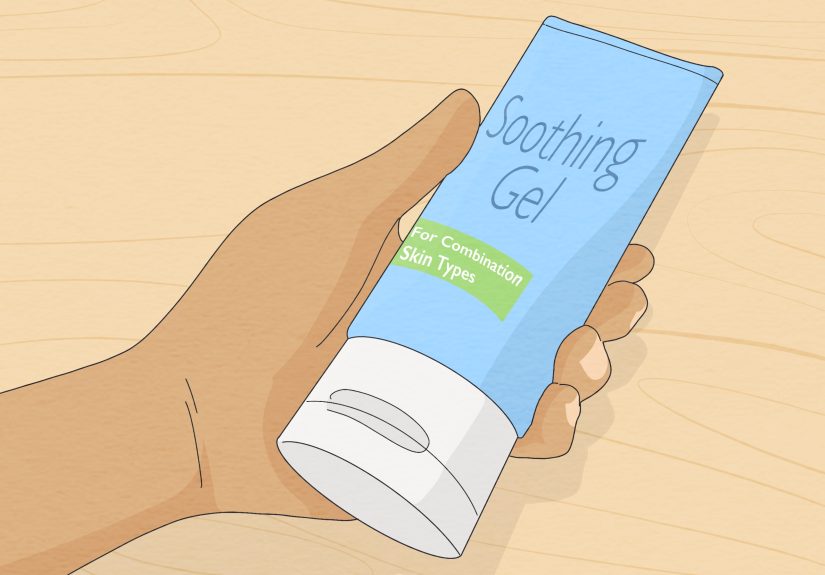
A good teen cleanser should clean without leaving your face tight, burning, squeaky, or flaky. Look for words like “gentle,” “mild,” “fragrance-free,” “non-comedogenic,” “oil-free,” or “for sensitive skin.” A basic cleanser is usually better than a harsh scrub, strong bar soap, or heavily scented product.
If you have acne-prone skin, a cleanser with salicylic acid or benzoyl peroxide may help some teens. Salicylic acid helps loosen dead skin cells and unclog pores, while benzoyl peroxide helps reduce acne-causing bacteria. However, these ingredients can be drying, so start slowly and avoid using multiple strong acne products at once unless a healthcare professional recommends it.
If your skin stings, burns, peels heavily, or gets very red after washing, that cleanser may be too harsh. Your skin should feel clean and comfortablenot like it just completed a spicy-food challenge.
Step 4: Use Lukewarm Water
Wet your face with lukewarm water. Not hot. Not freezing. Lukewarm is the friendly middle child of face washing.
Hot water can strip the skin barrier and make dryness or irritation worse. Very cold water may feel refreshing, but it does not magically close pores like a garage door. Pores do not open and shut on command. Lukewarm water helps loosen sweat, oil, and product residue while being gentle enough for most skin types.
Step 5: Apply Cleanser With Your Fingertips
Place a small amount of cleanser on your fingertips and gently massage it over your face using light circular motions. Focus on areas that collect oil and sweat, such as the forehead, nose, chin, jawline, and around the hairline.
You do not need a rough washcloth, mesh sponge, cleansing brush, or gritty scrub for daily washing. These can irritate teen skin, especially if you already have acne, eczema, sensitivity, or dryness. Your fingertips are usually the best tool because they are soft, easy to control, and freean underrated feature.
Massage for about 20 to 30 seconds. If you are using a medicated acne cleanser, follow the product directions. Some acne cleansers work better when left on briefly before rinsing, but leaving them on too long can irritate your skin.
Step 6: Rinse Thoroughly
Rinse with lukewarm water until all cleanser is gone. Pay attention to the sides of your nose, eyebrows, jawline, and hairline, where cleanser can hide like it owes rent. Leftover cleanser may cause dryness, itching, or irritation.
If you wear makeup or water-resistant sunscreen, you may need a gentle makeup remover or micellar water before cleansing at night. Then wash with your regular cleanser. Going to bed with makeup, sunscreen, or heavy product buildup can contribute to clogged pores and breakouts.
Step 7: Pat Dry With a Clean Towel
After rinsing, pat your face dry with a clean, soft towel. Do not rub aggressively. Rubbing can irritate the skin and make redness worse, especially around active breakouts.
Try to use a towel that is only for your face, or at least make sure it is clean. A towel that has been sitting damp for days is not exactly a spa-level experience. If you have acne-prone or sensitive skin, changing your face towel regularly can help reduce extra oil, residue, and bacteria.
Step 8: Apply Moisturizer
Yes, teens with oily or acne-prone skin may still need moisturizer. In fact, skipping moisturizer can sometimes make your skin feel dry and irritated, especially if you use acne treatments. When skin gets too dry, it may feel uncomfortable, flaky, or tight.
Choose a lightweight, fragrance-free, non-comedogenic moisturizer. Gel or lotion textures often feel nice for oily skin, while creamier formulas may work better for dry skin. Apply moisturizer while your skin is still slightly damp to help seal in hydration.
Moisturizer does not have to feel greasy. The right one should make your skin feel calm and comfortable, not like you spread butter on your forehead before math class.
Step 9: Use Sunscreen in the Morning
In the morning, finish with sunscreen. Choose a broad-spectrum sunscreen with SPF 30 or higher. This helps protect skin from sunburn, early skin damage, and dark marks that can linger after pimples heal.
If you have acne-prone skin, look for sunscreen labeled “oil-free,” “non-comedogenic,” or “won’t clog pores.” Sunscreen is especially important if you use acne ingredients like benzoyl peroxide, salicylic acid, adapalene, or prescription acne treatments, because some products can make your skin more sensitive to the sun.
For school days, apply sunscreen in the morning before leaving home. If you are outdoors for sports, swimming, or a long event, reapply according to the product directions. Future you will be grateful. Future you may even send a thank-you note, though probably not because postage is annoying.
Best Face-Washing Routine for Different Teen Skin Types
For Oily Skin
Use a gentle foaming or gel cleanser twice daily. If you get frequent clogged pores, a cleanser with salicylic acid may help. Avoid alcohol-heavy toners and harsh scrubs because they can make skin irritated. Follow with a lightweight, non-comedogenic moisturizer.
For Dry Skin
Choose a creamy, hydrating, fragrance-free cleanser. Avoid hot water and long washing sessions. Apply moisturizer right after cleansing. If your skin flakes or stings, simplify your routine and avoid strong acne products until your skin feels calm.
For Sensitive Skin
Look for a fragrance-free cleanser made for sensitive skin. Avoid scrubs, strong acids, heavily scented products, and anything that burns. Patch test new products on a small area first. Sensitive skin does not like surprises, and honestly, who does?
For Acne-Prone Skin
Cleanse gently twice daily and after sweating. Do not pop pimples. Use non-comedogenic sunscreen, moisturizer, and makeup. If over-the-counter acne care does not help after several weeks, or if acne is painful, deep, or leaving scars, talk with a healthcare professional or dermatologist.
Common Face-Washing Mistakes Teens Should Avoid
The first mistake is washing too often. More washing does not mean fewer pimples. It can lead to dryness and irritation, which may make acne look worse.
The second mistake is scrubbing. Acne is not dirt sitting on top of your skin. It forms when oil, dead skin cells, and bacteria become trapped inside pores. Scrubbing cannot dig acne out, but it can upset your skin barrier.
The third mistake is using too many products at once. A cleanser, moisturizer, sunscreen, and one acne treatment if needed is plenty for most teens. Layering multiple acids, scrubs, masks, and spot treatments can turn your face into a science fair project with questionable results.
The fourth mistake is skipping moisturizer because your skin is oily. Moisture and oil are not the same thing. Skin can be oily and dehydrated at the same time.
The fifth mistake is sleeping with makeup or sunscreen on. Nighttime cleansing matters because your skin has collected the day’s sweat, oil, dust, and products. Give your face a clean pillowcase and a clean start.
What About Toners, Scrubs, Masks, and Trendy Products?
Some products can be useful, but they are not required for a healthy teen face-washing routine. Toners can be irritating if they contain alcohol or strong fragrance. Scrubs can be too rough for acne-prone skin. Clay masks may help oily skin occasionally, but using them too often can dry your face out.
Be careful with trendy routines that promise glass skin overnight or show someone using seven products before breakfast. Social media skin care can be fun to watch, but your skin does not need to audition for a product commercial every morning.
If you want to try a new product, add only one at a time and use it for a few weeks before judging results. This makes it easier to know what helps and what causes irritation.
When Should a Teen See a Dermatologist?
Consider asking for medical help if acne is painful, deep, widespread, or leaving dark marks or scars. You should also get help if your skin burns, itches, cracks, bleeds, or suddenly reacts badly to products. A dermatologist can recommend treatments that match your skin type and acne severity.
You do not have to wait until acne feels “bad enough.” If your skin is affecting your comfort or confidence, it is reasonable to ask for support. Good skin care is not about perfection. It is about keeping your skin healthy and making daily life a little easier.
Real-Life Teen Face-Washing Experiences and Practical Lessons
One common teen experience is the “I washed my face five times and somehow made everything worse” phase. Many teens try to beat oily skin by cleansing again and again throughout the day. At first, it feels satisfying because the shine disappears. But after a few days, the skin may feel tight, flaky, red, or extra oily by afternoon. The lesson: balance matters. Washing twice daily and after heavy sweating is usually enough. If shine bothers you at school, blotting paper or a gentle tissue press is better than another full cleanse.
Another familiar story is the sports breakout. A teen plays soccer, basketball, volleyball, or runs track, then leaves sweat on their face until bedtime. Add sunscreen, a helmet strap, a chin guard, or a sweaty hoodie, and breakouts can show up along the forehead, jawline, or cheeks. The practical fix is simple: rinse or cleanse soon after heavy sweating. Keep a gentle cleanser in your gym bag if you can. If there is no sink available, use a soft clean towel to gently blot sweat, then wash properly when you get home.
Makeup and sunscreen can also teach lessons the hard way. Some teens notice bumps after using heavy foundation, stage makeup, or a rich sunscreen that was designed more for beach days than daily school wear. This does not mean makeup or sunscreen is “bad.” It means product choice matters. Labels like “non-comedogenic,” “oil-free,” and “won’t clog pores” can be helpful. Removing makeup before bed is just as important as applying it nicely in the morning.
Then there is the classic “new product excitement” problem. A teen buys a cleanser, toner, serum, mask, spot treatment, and moisturizer all in one weekend because the internet said it would change everything. By Tuesday, their skin is confused, dry, and possibly plotting revenge. The better approach is to introduce one product at a time. Give your skin a chance to respond. If something burns or causes major irritation, stop using it and return to basics.
Some teens with acne also learn that moisturizer is not the enemy. At first, adding moisturizer to oily skin feels wrong, like bringing an umbrella into a swimming pool. But acne treatments can dry out the skin, and a light moisturizer can make the whole routine easier to tolerate. When skin feels comfortable, it is easier to stay consistent.
The biggest real-life lesson is that consistency beats drama. A simple morning and night routine may not create instant results, but it builds habits that support healthier skin. Wash gently. Moisturize. Use sunscreen. Avoid picking. Change pillowcases regularly. Keep hair products away from your face. Do the boring basics well, and your skin gets fewer reasons to complain.
Conclusion
Learning how to wash your face as a teen is not about chasing perfect skin. It is about building a simple routine that respects your skin barrier, removes daily buildup, and helps prevent irritation. The best routine is usually gentle, consistent, and easy enough to repeat when you are tired, busy, or running late.
Start with clean hands, lukewarm water, a mild cleanser, and your fingertips. Rinse well, pat dry, moisturize, and use sunscreen in the morning. Avoid harsh scrubs, over-washing, and picking at pimples. If acne becomes painful, stubborn, or leaves marks, ask for help from a healthcare professional. Skin care should make your life calmernot turn your bathroom into a chemistry lab with a mirror.