Table of Contents >> Show >> Hide
- Why coming sooner matters more than people think
- Family visits are not only for the patient
- Early visits create better conversations
- When the visit is about aging, not crisis
- When serious illness enters the picture
- How to visit well, not just visit often
- What to say when words feel clumsy
- If you live far away, sooner is still possible
- The regret pattern families know too well
- Experiences families remember later
- Conclusion
There are many sentences families repeat after a health scare, a long decline, or a loss. “We thought we had more time.” “We didn’t realize it would change so fast.” “I was going to come next month.” Almost nobody says, “I really wish I had waited longer to visit.” That is the stubborn little truth at the center of family life: when someone you love is aging, ill, fragile, or simply slipping into a harder season, showing up early is almost always the right call.
This is not just sentimental advice dressed in a cardigan. It is practical, human, and surprisingly strategic. Early family visits can ease loneliness, reduce uncertainty, support caregivers, open needed conversations, and create ordinary memories before everything starts to feel like a medical drama with bad lighting. When families visit sooner, they usually get more than a bedside moment. They get time to laugh, observe, help, listen, and say things that are better said while everyone still has the energy to hear them.
In other words, do not wait for the “perfect” moment. It never arrives. Life is rude like that.
Why coming sooner matters more than people think
Families often delay visits for reasons that sound sensible at first. Work is hectic. Flights are expensive. Kids are in school. The person seems “about the same.” Nobody wants to overreact. And many relatives fear they will somehow make things worse by arriving too early, too emotional, or too awkwardly. But delay has a sneaky habit of turning a manageable visit into a rushed emergency trip.
Coming sooner matters because serious illness, aging, and caregiving are rarely static. Energy changes. Symptoms change. Mood changes. What looked stable on a Tuesday can feel totally different two weeks later. An early visit gives you the one thing families always wish they had more of: margin. Margin to sit on the porch. Margin to notice the medication bottles piling up. Margin to give the main caregiver a shower, a nap, or a grocery run. Margin to ask, gently, “What do you need right now?”
There is also an emotional advantage to arriving before the situation becomes critical. Early visits allow families to interact as people, not just as crisis managers. You can still tell stories, eat pie, argue about baseball, watch an old movie, or complain about the thermostat like civilized Americans. Once things become urgent, everything narrows. Time gets measured in appointments, blood pressure readings, and whispered updates in hallways.
That is why early presence is so valuable. It protects the relationship from becoming nothing but logistics.
Family visits are not only for the patient
When one person is sick or declining, the whole family system shifts. The spouse who became the medication manager did not apply for that job. The adult daughter answering insurance calls did not major in hold music. The son across the country may be carrying guilt in one pocket and confusion in the other. A family visit helps more than the person in the bed or recliner. It helps everyone orbiting the situation.
The loved one feels less alone
Human beings are not built to go through hard seasons without connection. A visit reminds someone that they are still part of a family story, not just a case file. Sometimes the greatest gift is not a speech. It is a familiar voice, a hand on the shoulder, or someone who remembers the funny camping trip from 1998 when the tent collapsed and everyone pretended that was “part of the experience.”
The primary caregiver gets backup
A family visit can be practical relief in sneakers. One person can fold laundry. Another can sit with Dad while Mom takes a walk. Someone can refill prescriptions, sort mail, or simply make lunch without asking where the spatula lives. Caregivers often say the most helpful relatives are not the ones who arrive with opinions. They are the ones who arrive with awareness.
The family gets a clearer picture
Phone calls and text messages are useful, but they are famously terrible at conveying reality. “She’s doing okay” can mean she is thriving, struggling, exhausted, or being brave on speakerphone. An in-person visit helps relatives understand what life actually looks like: the pace, the fatigue, the risks, the routines, the unspoken worries. That kind of clarity can change everything.
Early visits create better conversations
Many families wait to talk until they are forced to talk. Unfortunately, crisis is a terrible meeting planner. It brings urgency, fear, and half-charged phones.
Visiting earlier gives families room for conversations that matter without turning them into a dramatic season finale. You can ask what feels comfortable. You can ask what kind of help is welcome. You can ask whether the person wants more visitors or fewer. You can ask what a good week looks like now. If illness is serious, you may also talk about care goals, comfort, treatment preferences, and what the person wants their days to feel like.
These conversations do not have to be heavy every minute. In fact, they usually go better when they are woven into ordinary time. A short talk during coffee is often more helpful than a family summit that feels like a courtroom with casseroles.
The point is not to force emotional breakthroughs on a schedule. The point is to make room for truth while there is still time for choice.
When the visit is about aging, not crisis
Not every important family visit happens in hospice or after a diagnosis. Sometimes “coming too soon” means visiting an aging parent before the warning signs become impossible to ignore. That matters, too.
An earlier visit may reveal subtle changes that do not show up in cheerful phone calls: unopened mail, spoiled food, missed appointments, balance problems, confusion, isolation, or signs that daily tasks are becoming harder. None of this means you need to storm in like a home inspection squad. It means being present helps you see what love over the phone can miss.
Even when no urgent intervention is needed, a timely visit can strengthen routines that keep someone safer and more connected. You may help organize transportation, set up a medication box, identify local resources, or simply establish a rhythm of regular contact. Small steps taken sooner are almost always easier than big steps taken later.
When serious illness enters the picture
If your loved one has a serious illness, early visits become even more meaningful. Families often assume they should wait until things are “worse,” but that logic can backfire. The earlier you visit, the more likely your loved one can participate in real conversation, enjoy shared activities, and help shape what support looks like.
This is also where palliative care is often misunderstood. Many people hear the phrase and assume it means giving up. It does not. Palliative care is extra support focused on comfort, symptoms, stress, and quality of life for the patient and the family. It can happen alongside treatment. Hospice is different; it is meant for the last stage of life and centers comfort when a cure is no longer the goal. Families who understand this distinction earlier tend to make calmer, better-informed decisions.
That matters because a good visit is not just emotional. It can help a family notice whether support is sufficient. Is pain controlled? Is the caregiver overwhelmed? Are there questions nobody has asked the medical team yet? Is the person still enjoying visitors, or do they need shorter, quieter visits? Showing up early lets families respond to needs before exhaustion is driving the car.
How to visit well, not just visit often
Presence is powerful, but technique helps. A good family visit is not measured by how long you stay or how inspirational your speech sounds. It is measured by whether the visit brings comfort, dignity, and relief.
1. Ask what would actually help
Before arriving, ask a simple question: “What would make this visit useful or comforting?” Maybe the answer is companionship. Maybe it is dinner. Maybe it is staying with the patient so the caregiver can go outside and stare at a tree in peace for ten minutes. All noble purposes.
2. Follow the patient’s energy, not your agenda
If someone is tired, a short visit may be the kindest choice. If they want conversation, great. If they want quiet company, also great. Not every meaningful visit needs a Hallmark monologue. Sometimes the best line is, “I’m glad I’m here.”
3. Bring normal with you
Read a favorite passage. Share neighborhood gossip that is harmless and mildly ridiculous. Play music. Look through old photos. Tell stories. People dealing with illness or decline do not stop being themselves. They still have preferences, humor, memories, and opinions about sandwiches.
4. Respect boundaries
Some people want visitors. Some want only a few. Some are chatty one day and done the next. Respecting a loved one means listening to what kind of visit they want, not staging the visit that makes everyone else feel emotionally accomplished.
5. Do one practical thing without making it theatrical
Take out the trash. Wash dishes. Pick up prescriptions. Label leftovers. Fix the lamp. Refill the dog food bin. Heroism is often just helpfulness wearing plain clothes.
What to say when words feel clumsy
Many people delay visiting because they do not know what to say. That fear is understandable and wildly overrated. Your job is not to deliver the perfect line. Your job is to be real.
Try simple language:
- “I wanted to come now, not later.”
- “I’m really glad to be with you.”
- “You do not have to entertain me.”
- “What would make today feel easier?”
- “Tell me what you want more of, and what you want less of.”
If the person wants to talk about fear, sadness, faith, unfinished business, or family tension, listen more than you perform. If they want to talk about football, the weather, or the criminal overpricing of airport snacks, follow them there. Serious love does not always sound serious.
If you live far away, sooner is still possible
Long-distance relatives often feel trapped between guilt and logistics. You may not be able to move closer, but you can still act sooner rather than later. An early visit can be short and focused. It can help you understand the situation, coordinate support, learn the routines, and build trust with the primary caregiver.
If travel is impossible right away, show up in other ways while planning the next in-person trip. Schedule consistent calls. Order groceries. Handle paperwork online. Join a medical update call if invited. Send voice notes or short videos. Mail a printed photo or handwritten note. These are not substitutes for every visit, but they are real forms of presence.
And when you do visit, do not spend the whole trip trying to optimize the universe. Leave room to simply be together. Efficiency is useful. Relationship is the point.
The regret pattern families know too well
What families usually regret is not coming early. It is waiting for certainty. Waiting for a cleaner schedule. Waiting for one more good report. Waiting because they did not want to “bother” someone. Waiting because the person sounded strong on the phone. Waiting because facing decline is painful and delay briefly disguises pain as practicality.
But time has terrible customer service. It does not offer refunds, extensions, or a manager to speak to.
When people say, “No one ever regrets coming too soon,” they are really saying something deeper: love rarely embarrasses us when it arrives early. It is absence that stings. Early visits may feel inconvenient in the moment, but later they often become one of the few decisions that bring relief instead of second-guessing.
Experiences families remember later
Ask families what stays with them, and the answers are rarely dramatic. They remember the ordinary scenes that almost did not happen because someone chose to come now instead of later.
One family visits their grandfather after hearing he has been “slowing down.” That phrase could mean anything, but the daughter books the flight anyway. She arrives expecting to help with appointments and medication lists. She does help with those things. But what she remembers years later is that her grandfather still had enough strength to sit outside at dusk and explain, for the tenth and final time, why he believed charcoal grilling is a moral virtue. They laugh. He repeats three stories. She lets him. Two weeks later, he declines sharply. The flight had looked premature on paper. In real life, it was exactly on time.
Another family comes together while their mother is receiving treatment for a serious illness. She is not dying. Nobody is holding vigil. Life is messy and uncertain, not cinematic. Her sons rotate visits over several months. Because they come early, they do not only meet the version of her defined by fatigue. They cook with her on decent days. They organize drawers she has been meaning to tackle. They hear her wishes about future care long before decisions become urgent. Later, when the illness becomes harder, the family is steadier because they already built the habits of showing up, listening, and sharing responsibility.
In another home, a spouse has become the full-time caregiver and insists, as caregivers often do, that everything is “fine.” A sister decides to visit anyway. She discovers that “fine” includes sleeping in fragments, reheating coffee four times, and pretending not to be overwhelmed. Her visit changes the household not because she makes a grand speech, but because she quietly handles dinner, laundry, phone calls, and the kind of tiny domestic jobs that keep life from tipping over. Years later, the caregiver does not remember exactly what she said. He remembers that she came before he had to ask.
Families also remember how early visits allow for honesty without panic. A father in hospice may still have enough energy to say he wants fewer visitors, softer music, and the old quilt from the hall closet. A grandmother may want to give away a book, a recipe box, or a ring while she is still present enough to see the recipient’s face. A patient may want to talk about faith, forgiveness, or simply which pie should be served after the memorial. These moments are not morbid. They are intimate. They preserve dignity. They let a person remain a person all the way to the end.
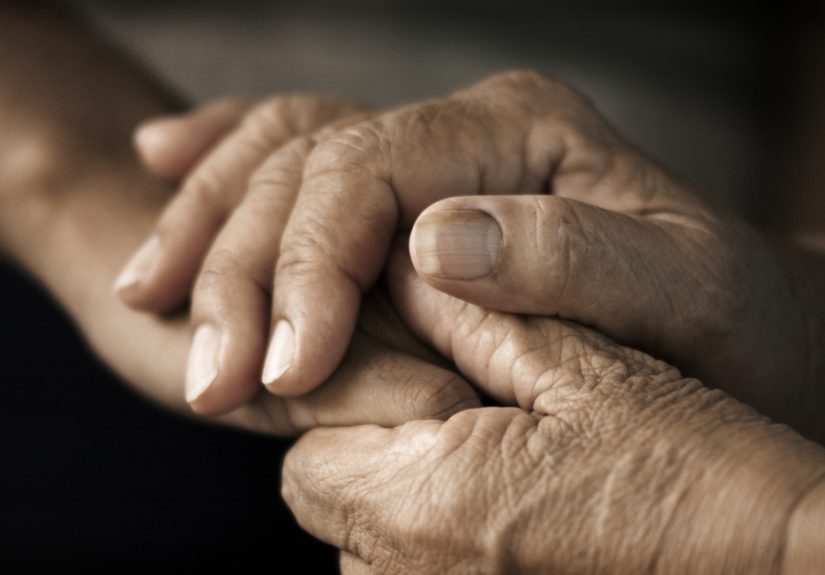
And sometimes the most powerful experience is the least impressive from the outside. A niece arrives, sits at eye level, holds a hand, tells a family story, and does not rush. There is no miracle, no big revelation, no swelling soundtrack. Just presence. But afterward, the family carries a quiet relief: we did not wait too long. We came while there was still time to be together, not just time to say goodbye.
That is why early visits matter. They expand what is possible. They make room for memory, comfort, clarity, and care. They remind families that love does not need perfect timing to be meaningful. It just needs the courage to go.
Conclusion
Family visits are not about checking a box or appearing noble on short notice. They are about refusing to let delay steal what presence can still give. Whether your loved one is aging, facing a serious illness, receiving palliative care, or nearing the end of life, coming sooner usually creates more comfort, more clarity, and fewer regrets. You may not know exactly what to say. You may not know whether the timing is ideal. Come anyway. Bring your attention, your flexibility, your practical help, and your humanity. In most families, that is what people remember. Not perfect words. Not perfect plans. Just the grace of someone who showed up while showing up could still change the day.