Table of Contents >> Show >> Hide
- The Story Behind Andrée Jardin
- Why Andrée Jardin Makes Cleaning Tools Feel Special
- Made in France, Designed for Everyday Life
- The Aesthetic: Old-World Utility Meets Modern Decor
- Popular Andrée Jardin Tools and How They Work
- Domestic Science in Action: Matching the Brush to the Job
- Sustainability Without the Lecture
- Why U.S. Design Lovers Notice Andrée Jardin
- How to Care for Andrée Jardin Brushes
- Experience Notes: Living With the Andrée Jardin Mindset
- Conclusion: The Beauty of Better Everyday Tools
There are two kinds of people in this world: those who hide their cleaning tools in a dark closet like embarrassing family secrets, and those who look at an Andrée Jardin brush and think, “Actually, this deserves a hook on the wall.” The French brand Andrée Jardin has built its reputation on that second ideathe belief that household tools can be useful, durable, sustainable, and good-looking enough to live in plain sight.
Based near Nantes in western France, Andrée Jardin is an artisan brushmaker with roots dating back to 1947. Its world is not about disposable plastic gadgets or mystery-fiber dusters that shed after three uses. It is about beechwood, ash, oak, horsehair, tampico plant fiber, metal dustpans, replaceable brush heads, and the quiet satisfaction of owning a tool that feels like it was made by someone who actually uses a broom.
The title “Domestic Science” fits beautifully here because Andrée Jardin turns ordinary chores into a study of materials, design, ergonomics, and ritual. Sweeping a floor may not sound glamorous, but in the hands of this French manufacturer, it becomes a tiny lesson in physics, craft, and lifestyle. Dust, meet your elegant opponent.
The Story Behind Andrée Jardin
Andrée Jardin’s story begins with traditional French brushmaking. The company traces its roots to Brosserie Julio, founded in 1947 by Georges-René Julio, who developed brushmaking expertise in the Nantes region. Over time, the family business became known for durable, made-to-last household brushes and brooms. The modern Andrée Jardin brand honors Andrée Jardin herself, connecting the company’s present identity to a family legacy rather than a marketing department’s random word cloud.
That heritage matters. In a world where many household items are designed to be replaced quickly, Andrée Jardin moves in the opposite direction. The brand focuses on “real brushes that last,” a phrase that sounds simple until you realize how rare that approach has become. Many modern cleaning tools are treated like temporary items: use, wear out, toss, repeat. Andrée Jardin’s brushes invite a slower rhythm. Buy one thoughtfully. Use it often. Care for it properly. Let it age like a kitchen table, not expire like a cheap sponge.
The brand’s charm also comes from its ability to balance tradition with freshness. Its products have the shapes and materials of older European household tools, but the colors, proportions, and collaborations feel modern. A hand brush may come in a soft sage, brick red, gray, black, or natural wood finish. A dustpan might be simple enough for a farmhouse kitchen yet refined enough for a design-conscious apartment. It is domestic practicality wearing a very nice French jacket.
Why Andrée Jardin Makes Cleaning Tools Feel Special
At first glance, a broom is just a broom. But anyone who has used a flimsy one knows the truth: bad tools make chores more annoying than they need to be. A poor brush scatters crumbs instead of collecting them. A weak handle feels awkward. Synthetic bristles bend into strange shapes. The dustpan never quite meets the floor, leaving that tiny line of debris that makes you question all your life choices.
Andrée Jardin approaches household cleaning tools with the seriousness usually reserved for cookware, furniture, or clothing. The brand pays attention to the grain of the wood, the stiffness of the fiber, the angle of the brush, the finish of the handle, and the way a tool looks when it is hanging near the sink. That attention turns a basic product into something quietly luxurious.
Natural Materials With a Purpose
One of the strongest reasons Andrée Jardin stands out is its material philosophy. The brand frequently uses French beechwood, thermo-treated ash, oak, horsehair, white silk, tampico plant fiber, hog bristle, cotton, and metal. These are not just romantic-sounding ingredients sprinkled into product descriptions like parsley. Each material has a job.
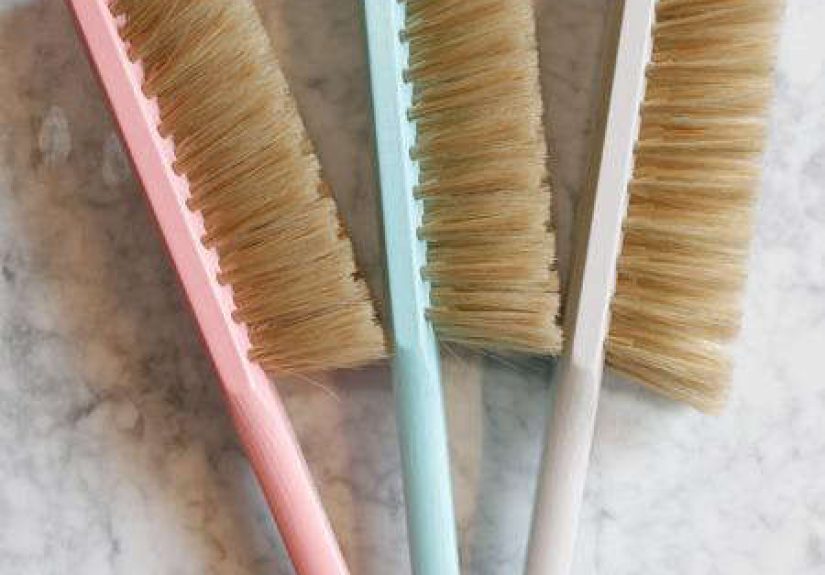
Beechwood is strong, smooth, and well-suited for handles and brush backs. Ash can be heat-treated for better resistance to moisture, making it useful in bath and kitchen accessories. Horsehair is soft and flexible, which makes it ideal for delicate sweeping, polishing, or dusting. Tampico fiber, derived from agave plants, is firmer and practical for scrubbing, dishes, vegetables, laundry stains, and tougher household tasks.
This material intelligence is the “science” in domestic science. The right bristle for the right surface can protect floors, clean dishes more effectively, and make maintenance easier. Andrée Jardin does not pretend one brush can do everything. Instead, it offers specific tools for specific jobs, from tabletop crumb brushes to radiator brushes, bottle brushes, dish brushes, nail brushes, body brushes, and full-size brooms.
Made in France, Designed for Everyday Life
The phrase “made in France” carries real weight in the Andrée Jardin story. The company manufactures many of its tools in France and emphasizes local know-how, traditional techniques, and responsible material sourcing. This is not merely a decorative label. It is central to the brand’s identity: French craftsmanship applied to the ordinary tasks of home life.
In practical terms, that means the brand is not trying to reinvent sweeping with an app, Bluetooth sensor, or subscription-based broom head. Thank goodness. Instead, it refines classic tools. A dustpan and brush set becomes easier to use and better looking. A dish brush gains a replaceable head. A radiator brush reaches narrow spaces a vacuum attachment may miss. A vegetable brush offers both firm and softer bristles for different produce textures.
This is the beauty of good domestic design: it does not scream for attention. It simply works, lasts, and makes a daily task feel less irritating. When a tool is pleasant to hold and pleasant to see, people are more likely to use it. That is not vanity; that is behavioral design with a French accent.
The Aesthetic: Old-World Utility Meets Modern Decor
Andrée Jardin’s visual appeal is a major reason the brand appears in design-focused conversations. Its brooms and brushes do not look like emergency cleaning supplies. They look like objects that belong in a carefully edited kitchen, pantry, mudroom, laundry room, or bathroom.
The brand often leans into soft, earthy, and vintage-inspired colors. Natural wood finishes pair with muted metals, lacquered handles, and simple silhouettes. Some pieces have a nostalgic look, as if they wandered out of a grandmother’s French country house, but without smelling like attic dust and old jam jars. Others feel crisp and contemporary, especially the collaborations and wall-mounted sets that turn cleaning tools into organized décor.
This matters for modern homes, especially smaller apartments where storage is limited. If your broom is beautiful, it can hang on the wall. If your hand brush and dustpan look elegant, they can sit near the table or countertop. If your dish brush has a beechwood handle and replaceable head, it becomes part of the sink area instead of visual clutter.
Popular Andrée Jardin Tools and How They Work
Andrée Jardin’s catalog covers many categories, but several products capture the brand’s personality particularly well. These are the pieces that make people understand why a cleaning tool can inspire loyalty.
Hand Brush and Dustpan Sets
The hand brush and dustpan set may be the brand’s unofficial ambassador. It is compact, useful, and instantly charming. These sets often combine wood handles, natural fibers, and metal dustpans in colors that look good enough to leave out. They are ideal for crumbs, coffee grounds, desk debris, pet kibble, fireplace dust, and the mysterious tiny particles that appear five minutes after you finish cleaning.
Dish Brushes With Replaceable Heads
The dish brush is a smart example of sustainability through design. Rather than replacing the entire tool when the bristles wear out, users can change the head on certain models. That makes the brush more economical over time and reduces waste. The firm plant fibers help with everyday dishwashing, while the wood handle keeps the tool comfortable and handsome by the sink.
Radiator, Blind, and Crevice Brushes
One reason Andrée Jardin feels so practical is that it acknowledges the annoying places dust loves most: radiator fins, cabinet tops, fan blades, blinds, baseboards, and gaps between appliances. Specialized brushes make those tasks less dramatic. A radiator brush, for example, can reach tight spaces that a cloth or standard vacuum head cannot easily manage.
Vegetable Brushes
A vegetable brush is one of those humble tools that earns its place quickly. Andrée Jardin’s versions often use different bristle textures so you can scrub potatoes, carrots, beets, or mushrooms with more control. It is a small upgrade, but if you cook often, it saves time and helps reduce reliance on peeling when a good scrub will do.
Body and Bath Brushes
The brand also extends into bath and body accessories, including brushes made with softer fibers such as white silk. These products continue the same philosophy: natural materials, tactile pleasure, and objects that feel permanent rather than disposable.
Domestic Science in Action: Matching the Brush to the Job
Good cleaning is not about attacking every surface with the same tool and hoping for the best. It is about matching friction, fiber, moisture, and surface sensitivity. That is where Andrée Jardin’s old-fashioned approach becomes surprisingly modern.
Soft fibers such as horsehair are useful for delicate dusting and sweeping because they collect fine particles without scratching surfaces. Firmer plant fibers such as tampico are better for scrubbing dishes, stains, and textured materials. Wood handles provide durability and a warmer feel than plastic. Metal dustpans hold shape better than flimsy alternatives and can look refined when paired with natural wood.
Think of it like cooking. You would not flip pancakes with a tiny spoon or whisk soup with a rolling pin. Cleaning also benefits from the right instrument. A tabletop brush belongs near the dining table. A dish brush belongs at the sink. A long-handled broom belongs where daily floor debris gathers. A crevice brush belongs wherever dust has been holding secret meetings behind your furniture.
Sustainability Without the Lecture
One appealing part of Andrée Jardin’s sustainability message is that it does not need to shout. The products themselves make the argument. Wood, metal, and natural fibers tend to age better than many plastic alternatives. Replaceable parts extend product life. Durable construction encourages long-term ownership. Beautiful design makes people less likely to treat the object as disposable.
This is a more realistic version of eco-friendly living. Not everyone is going to turn their home into a zero-waste laboratory overnight. But replacing flimsy tools with well-made ones is a practical step. A durable broom will not solve every environmental issue, but it can reduce repeated purchases and make daily maintenance feel more intentional.
Andrée Jardin also fits into a broader return to visible utility: homes where tools are chosen carefully, stored beautifully, and used regularly. This approach values maintenance over constant replacement. It says your home is not just a stage set for photos; it is a living place that needs care, crumbs and all.
Why U.S. Design Lovers Notice Andrée Jardin
American audiences often discover Andrée Jardin through design shops, home publications, and carefully curated retailers. The attraction is easy to understand. U.S. consumers have become increasingly interested in household goods that combine function, sustainability, and visual appeal. Andrée Jardin checks all three boxes.
The brand also fits neatly into several popular home trends: French country style, slow living, sustainable cleaning, plastic-free kitchen swaps, artisan-made goods, and design-worthy utility rooms. But unlike trend-only products, Andrée Jardin has real practical value. Its tools are not decorative props pretending to be useful. They are useful objects that happen to be decorative.
For homeowners, renters, cooks, parents, pet owners, and people who eat toast over the sink like unsupervised raccoons, this matters. Cleaning tools should not make life harder. They should be ready, effective, and pleasant enough to use often.
How to Care for Andrée Jardin Brushes
A well-made brush still needs basic care. Wood and natural fibers should not be left soaking in water. After using a dish brush, vegetable brush, or scrub brush, rinse it, shake off excess water, and let it air dry with good circulation. Avoid trapping damp brushes in closed containers, where moisture can shorten their life.
For dry brushes, tap out dust and debris after use. Occasionally comb out fibers by hand or with another brush. Store brooms hanging when possible so bristles keep their shape. Keep wooden handles away from prolonged dampness and harsh cleaners. These habits take seconds, but they help the tools age gracefully.
That is another small pleasure of owning better tools: they invite better habits. When an object feels crafted, you treat it with more respect. Suddenly you are the kind of person who hangs up a broom properly. Look at you, becoming civilized.
Experience Notes: Living With the Andrée Jardin Mindset
The real value of Andrée Jardin becomes clear when you imagine using these tools in an actual home rather than admiring them in a product photo. Picture a small kitchen after breakfast. There are toast crumbs on the counter, a little flour near the mixing bowl, coffee grounds beside the grinder, and one suspicious oat under the table. A plastic dustpan could handle the job, technically. But a tabletop brush with a smooth wooden handle makes the cleanup feel different. You do not postpone it. You simply sweep the mess into the pan and move on. The tool is close by because it looks nice enough to keep out, and because it is close by, you actually use it.
That is the secret: beautiful tools reduce resistance. The chore is still a chore, but it loses some of its emotional weight. A good broom by the door encourages a quick sweep after shoes track in dust. A proper dish brush makes washing a pan feel less like punishment for cooking. A radiator brush turns a neglected corner into a five-minute task instead of a Saturday-long guilt festival.
In a laundry room, the same principle applies. A sturdy natural-fiber brush paired with stain soap can make garment care feel more deliberate. Instead of tossing a stained shirt into the machine and hoping for laundry magic, you work the spot gently before washing. It is a slower act, but it often feels satisfying because it gives you control. Domestic science is not about perfection; it is about understanding small systems and improving them.
In the bathroom, a well-made nail brush or body brush adds a touch of ritual. These are small objects, but they change the mood of the space. Plastic accessories often make a sink area look temporary. Wood and natural fiber make it feel calmer and more grounded. The bathroom becomes less like a utility zone and more like a place of daily care.
There is also a psychological benefit to tools that are not ugly. When cleaning products look chaotic, we hide them. When we hide them, we forget them. When we forget them, mess grows until cleaning becomes a project instead of a habit. Andrée Jardin solves this by making tools that can stay visible. A visible tool becomes an invitation. The crumb brush says, “Use me now.” The broom says, “Two minutes, and the floor is respectable.” The dish brush says, “Do not fear the oatmeal bowl.”
For anyone building a more thoughtful home, Andrée Jardin offers a useful lesson: luxury does not have to mean fragile, flashy, or expensive for its own sake. Sometimes luxury is a brush that fits your hand, a broom that does not shed like a nervous cat, and a dustpan that actually collects the final line of dust. It is the luxury of fewer frustrations. It is the pleasure of ordinary objects doing their jobs well.
Conclusion: The Beauty of Better Everyday Tools
Andrée Jardin proves that domestic life deserves good design. Its French cleaning tools are not about making chores glamorous in a silly way. Nobody is asking you to put on pearls before scrubbing potatoes. The point is more practical and more powerful: the things we use every day should be made well, feel good in the hand, and last longer than a season.
From its 1947 brushmaking heritage near Nantes to its modern collections of brooms, dish brushes, dustpans, and specialty cleaning tools, Andrée Jardin connects craftsmanship with daily usefulness. The brand understands that a home is maintained through small repeated actions. Sweep here. Scrub there. Dust the forgotten corner. Rinse the brush. Hang the broom. Repeat, but make it beautiful.
In the end, “Domestic Science: Andrée Jardin in France” is not only a story about a French brand. It is a reminder that home care can be smarter, calmer, and more satisfying when the tools are thoughtfully made. A great brush will not clean the house by itself, sadly. But it may make you less annoyed about doing it. In domestic life, that counts as a minor miracle.