Table of Contents >> Show >> Hide
- The Grossglockner Tragedy: What Happened on Austria’s Highest Peak?
- Who Was Kerstin Gurtner?
- Why the Boyfriend Faced Criminal Charges
- The Court Verdict and Why It Matters
- Why Grossglockner Is So Dangerous in Winter
- The Role of Experience in Partner Responsibility
- Public Reaction: Grief, Anger, and a Bigger Conversation
- Lessons From the Grossglockner Case
- Why This Story Continues to Attract Global Attention
- Experiences and Reflections Related to the Grossglockner Tragedy
- Conclusion
Editorial note: This article is a fact-based, original rewrite for web publication. It summarizes public reporting on the Grossglockner tragedy, the identification of Kerstin Gurtner, and the legal questions surrounding responsibility, judgment, and survival in extreme alpine conditions.
Some stories are tragic because of a single terrible moment. Others are tragic because of every decision that came before that momentthe late start, the weather ignored, the turn-back point passed, the emergency call delayed, and the quiet belief that “we can still make it.” The case of the woman who froze near the summit of Austria’s highest peak has become one of those stories.
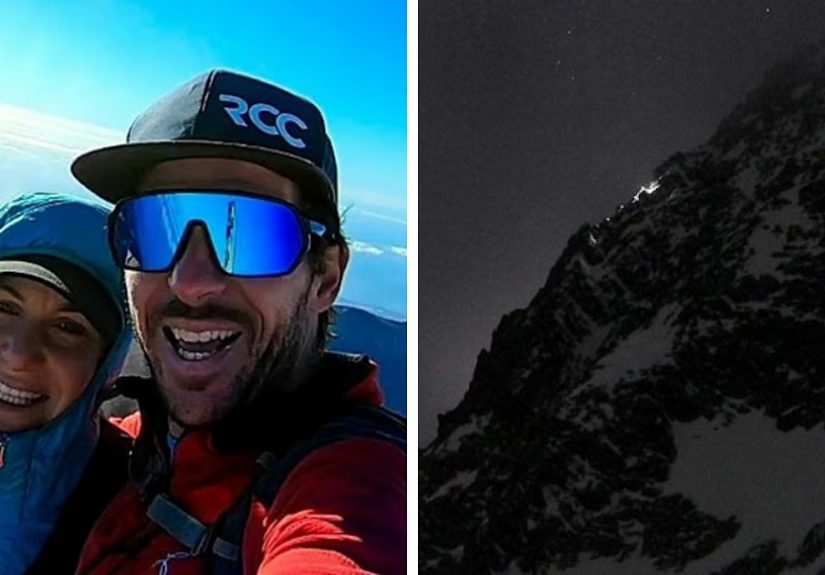
Officials and public reports have identified the woman as Kerstin Gurtner, a 33-year-old from Salzburg, Austria, who died during a winter climb on Grossglockner, the country’s highest mountain. Her boyfriend, Thomas Plamberger, an experienced mountaineer compared with Gurtner, was later accused of leaving her behind in dangerous conditions while attempting to seek help. The case eventually moved from a heartbreaking mountain incident into a courtroom, where judges examined whether this was only a tragic accidentor a case of gross negligence.
It is the kind of story that makes hikers check the weather twice, climbers triple-check their emergency gear, and casual readers ask one painful question: how could someone get so close to the summit and still be so far from safety?
The Grossglockner Tragedy: What Happened on Austria’s Highest Peak?
Grossglockner rises to about 3,798 meters, or roughly 12,460 feet, making it Austria’s tallest mountain and one of the most iconic peaks in the Eastern Alps. It is beautiful in the way alpine postcards are beautiful: sharp ridges, dramatic snowfields, and views that make people say, “Wow,” right before checking whether their toes still have feelings.
But Grossglockner is not a casual winter walk. In January, conditions can shift quickly. Wind, ice, darkness, exhaustion, and poor visibility can turn a challenging climb into a survival situation. According to prosecutors and court reports, Gurtner and Plamberger set out in January 2025 for a demanding winter ascent. They fell behind schedule, continued in worsening conditions, and ended up near the summit deep into the night.
Reports said Gurtner became exhausted and showed signs consistent with hypothermia. She was unable to continue safely. Plamberger eventually left her behind while trying to reach help. By the time rescuers reached her, she had died from exposure.
That basic outline is devastating enough. But the legal case turned on the details: who planned the climb, who had more experience, whether the correct equipment was carried or used, whether an emergency call should have been made earlier, and whether turning back could have saved her life.
Who Was Kerstin Gurtner?
Kerstin Gurtner was publicly identified as the 33-year-old woman who died near the top of Grossglockner. Reports described her as someone who enjoyed cold-weather adventures, but prosecutors argued that she did not have the same level of technical alpine experience as Plamberger.
That distinction became central to the case. In mountaineering, experience is not just a nice bonus, like extra trail mix or a jacket with too many zippers. It can determine who understands the risk, who recognizes the moment to turn back, and who carries responsibility when one partner is less prepared for the route.
Gurtner’s death also drew attention because she was not lost in the wilderness for days. She was reportedly close to the summitnear enough that the tragedy feels almost cruelly precise. A few dozen meters can sound small from the comfort of a living room. On an exposed winter ridge, in the dark, with cold and wind pressing down, that distance can become a wall.
Why the Boyfriend Faced Criminal Charges
The case against Thomas Plamberger centered on gross negligence. Prosecutors did not simply argue that a dangerous climb went wrong. They argued that preventable decisions made the outcome far worse.
Several alleged failures were highlighted in public reports. Prosecutors said Plamberger planned the trip, had greater alpine experience, and should have acted as the responsible leader. They also questioned whether the pair had adequate emergency equipment for winter conditions, whether Gurtner’s footwear and gear were suitable, and why emergency services were not contacted earlier.
Another key issue was the useor lack of useof emergency protection. Reports said an emergency blanket and bivouac equipment were available but were not used before Plamberger left Gurtner to seek help. In a mountain emergency, those items can provide crucial protection against heat loss. They are not magic, but they are also not decorative backpack confetti. If you carry them, the point is to use them when things go sideways.
Plamberger denied criminal wrongdoing and described the situation as a tragic accident. He said the couple made decisions together and that he left only after discussing the situation with Gurtner. His defense emphasized that he tried to seek help rather than abandon her out of malice.
The court, however, found that he had failed in what was described as a leadership responsibility. The judge reportedly concluded that Plamberger misjudged the situation and that Gurtner likely would have had a better chance of survival if more responsible measures had been taken earlier, such as turning back or making a clearer emergency call.
The Court Verdict and Why It Matters
In February 2026, an Austrian court convicted Plamberger of manslaughter caused by gross negligence. He received a suspended prison sentence and a financial penalty. The sentence was far below the maximum possible punishment, and reports noted that the verdict could be appealed.
The court’s decision did not portray him as a cold-blooded killer. That matters. The judge reportedly recognized that Plamberger did attempt to get help and did not act with deliberate intent to cause harm. But the ruling still drew a line: in extreme environments, bad judgment can become legally significant when one person’s experience and choices place another person at serious risk.
That is why the case has stirred debate far beyond Austria. Mountaineers, hikers, guides, and outdoor communities have been asking a difficult question: when does a mistake in the mountains become a crime?
Outdoor sports always include risk. Nobody can guarantee perfect safety on an alpine route. Weather shifts. Ropes snag. Energy drops. People make decisions under stress. But the Grossglockner case suggests that courts may look closely at leadership, experience gaps, preparation, and emergency decisions when a climbing partner dies.
Why Grossglockner Is So Dangerous in Winter
Grossglockner is not just “a big hill with a fancy Austrian name.” It is a serious alpine objective, especially in winter. Climbers may face steep snow, ice, exposed ridges, technical scrambling, and rapidly changing weather. A route that feels manageable in daylight can become dramatically harder at night.
Winter climbing adds layers of risk. Cold affects judgment. Wind steals body heat. Fatigue slows decision-making. Darkness makes every movement more complicated. Even experienced climbers can underestimate how quickly a manageable delay becomes an emergency.
One of the most important concepts in mountain travel is the turnaround time. It is the predetermined point when climbers stop chasing the summit and start prioritizing the descent. The summit is optional. Getting home is not. It sounds like a bumper sticker, but it is also one of the most practical survival principles in the mountains.
In the Grossglockner case, prosecutors argued that the couple passed key opportunities to turn back. They were behind schedule, conditions were worsening, and Gurtner’s condition eventually declined. The tragedy shows how summit fever can quietly creep into decision-making. Nobody announces, “Hello, I am making a dangerous choice now.” It often feels like, “Just a little farther.” Then another little farther. Then the mountain sends the bill.
The Role of Experience in Partner Responsibility
One reason this case became so widely discussed is that it involved a romantic relationship, not a professional guide-client arrangement. Many people wondered: if two adults choose to climb together, how much responsibility does one partner have for the other?
The court appeared to focus on the difference in experience. When one person has significantly more skill, has planned the route, and understands the technical demands better, that person may carry more responsibility in practiceeven without a formal guide badge pinned to their jacket.
This does not mean every experienced hiker is legally responsible for every friend who joins a trip. But it does mean that outdoor partners should be honest about ability levels. A person who is comfortable on exposed alpine terrain may forget how overwhelming it can be for someone newer to that environment. A route that feels “spicy but fine” to one climber can feel terrifying and exhausting to another.
That is why good outdoor partnerships require communication before the trip, during the trip, and especially when things begin to feel wrong. The strongest climber does not prove strength by charging ahead. Strength often looks like turning around early, carrying extra gear, checking on the slower partner, and swallowing pride before the mountain forces everyone to do it the hard way.
Public Reaction: Grief, Anger, and a Bigger Conversation
Public reaction to the case has been intense. Some people saw the facts and responded with outrage, focusing on the idea that Gurtner was left behind. Others emphasized the chaos of alpine emergencies, arguing that people under stress can make decisions that look unforgivable only in hindsight.
Both reactions are understandable. The emotional weight of the case is heavy because it involves trust. A climbing partner is not just someone sharing a rope or a GPS track. In dangerous terrain, that person becomes part of your safety system. When the partner is also a boyfriend or girlfriend, the expectation of care feels even more personal.
At the same time, mountain emergencies are rarely neat. They do not unfold like a movie scene with perfect lighting and a heroic soundtrack. People become cold, confused, scared, exhausted, and unsure. Phones fail. Signals drop. Plans collapse. The court’s task was not to judge the tragedy by internet outrage alone, but to determine whether Plamberger’s decisions crossed a legal threshold.
The result was a verdict that tried to balance sorrow, accountability, and the reality that not every fatal mistake is intentional. That nuance may not fit neatly into a viral headline, but it is essential to understanding the case.
Lessons From the Grossglockner Case
1. The Summit Is Never Worth a Life
One of the clearest lessons is painfully simple: reaching the top is not the goal. Returning safely is the goal. A summit photo is nice, but it does not deserve its own emergency rescue subplot.
2. Gear Only Helps If It Is Suitable and Used
Emergency blankets, bivouac sacks, insulated clothing, headlamps, and communication devices are not accessories. They are part of the safety plan. Carrying them is step one. Knowing when and how to use them is step two.
3. Experience Gaps Must Be Taken Seriously
When one person is more skilled than the other, the route should be chosen for the less experienced partner, not the more ambitious one. The mountain will not grade on a curve because someone is dating an experienced climber.
4. Early Emergency Calls Save Time
Many outdoor accidents worsen because people wait too long to ask for help. Calling early does not mean panic. It means giving rescuers time, information, and options.
5. Turning Back Is a Skill
Turning around can feel disappointing, but it is often the smartest decision of the day. Mountains are patient. They will still be there later, looking dramatic and mildly judgmental.
Why This Story Continues to Attract Global Attention
The title “Woman Abandoned By Boyfriend To Fatally Freeze On Austria’s Highest Peak Finally Identified By Officials” is powerful because it combines several elements that immediately grip readers: a young woman, a romantic partner, a deadly mountain, a delayed identification, and a legal question that feels morally charged.
But the deeper reason the story resonates is that it forces people to think about trust under pressure. Most of us will never climb Grossglockner in winter. Many of us will, however, depend on another person in a difficult moment. We understand the fear of being vulnerable and the responsibility of not failing someone who trusts us.
For web readers, the case is not only a crime or court story. It is also a survival story, a relationship story, an outdoor safety story, and a cautionary tale about decision-making. That combination explains why the Grossglockner tragedy has traveled across international headlines and outdoor communities.
Experiences and Reflections Related to the Grossglockner Tragedy
Anyone who has spent time in the mountains, even on modest trails, knows how quickly confidence can shrink when the weather turns. A sunny morning can make people feel invincible. By late afternoon, wet socks, tired legs, low battery, and a wrong turn can make the same trail feel like it has developed a personal grudge.
The Grossglockner case reminds outdoor travelers that danger is often built from small pieces. A late start may not feel disastrous. Neither does continuing a little past schedule. Neither does ignoring discomfort for another hour. But stack enough small problems together and the trip can become a crisis.
One common experience among hikers is the awkward moment when someone in the group wants to turn back and someone else wants to continue. It can feel embarrassing to say, “I am tired,” or “This feels unsafe,” especially when the stronger person seems calm. But that conversation is exactly where safety begins. A good partner listens before the situation becomes dramatic. A bad partner treats hesitation like weakness.
In serious terrain, partnership should feel boringly practical. Who has the map? Who has the emergency layers? What is the turnaround time? What happens if one person becomes exhausted? These questions may not sound romantic, but neither is hypothermia. The most loving thing a partner can say before an alpine climb may be, “Let’s make a conservative plan.” Not exactly poetry, but very useful.
Another lesson is that people should not confuse enthusiasm with readiness. Loving winter landscapes does not automatically prepare someone for technical winter mountaineering. Beautiful snow can hide serious hazards. A person can be fit, brave, and excited while still lacking the specific skills needed for a route. The mountain does not care about confidence; it responds to preparation.
The case also shows why leadership must be clear. In friend groups, couples, and informal adventure teams, people often avoid naming a leader because it sounds too formal. But when skill levels differ, someone is usually leading whether they admit it or not. The experienced person sets the pace, chooses the route, interprets danger, and influences whether the group turns around. Pretending everyone is equally responsible can become unfair when one person clearly knows more.
For readers who enjoy hiking or climbing, the takeaway is not to fear the outdoors. Nature is not the villain here. The mountains are beautiful, challenging, and deeply rewarding. The real takeaway is to respect conditions, respect limits, and respect the people who come with you. A summit should never become more important than the quiet voice in the group saying, “I’m not okay.”
For readers who do not climb, the story still carries a wider human lesson. In any high-pressure situation, responsibility grows when someone depends on your judgment. Whether on a mountain, on the road, at work, or in a relationship, being the more capable person means noticing when another person is struggling and responding before the damage is irreversible.
Kerstin Gurtner’s death is heartbreaking because it happened in a place known for beauty. But perhaps that is why the story has such force. It reminds us that beauty and danger can stand very close together, separated only by preparation, humility, and the courage to turn back.
Conclusion
The story of Kerstin Gurtner on Austria’s Grossglockner is more than a headline about a woman abandoned by her boyfriend on a mountain. It is a sobering account of trust, preparation, responsibility, and the thin margin between adventure and disaster. Officials and courts examined whether the tragedy was unavoidable or whether better decisions could have changed the outcome. Their conclusion placed responsibility on the more experienced climber, while still recognizing the emotional complexity of the case.
For the public, the lesson is clear: extreme environments do not forgive poor planning, delayed action, or pride disguised as determination. Whether you are climbing an alpine ridge or simply choosing a weekend trail, the safest adventure is the one where everyone comes home.