Table of Contents >> Show >> Hide
- Why the Peralta Full Set Chez Panisse Line Still Gets Attention
- What Is Included in the Peralta Set?
- The Chez Panisse Influence: Food Comes First
- Heath Ceramics: California Craft With Staying Power
- Design Analysis: Shape, Color, Texture, and Table Presence
- Who Should Consider the Peralta Full Set Chez Panisse Line?
- How to Style the Peralta Set at Home
- Care and Practicality
- Is It Worth the Price?
- Buying Tips Before You Choose the Peralta Set
- Common Questions About the Peralta Full Set Chez Panisse Line
- Experiences Related to the Peralta Full Set Chez Panisse Line
- Conclusion
Note: The phrase “Peralta Full Set Chez Panisse Line” is often used by design lovers searching for the Heath Ceramics dinnerware style connected to Chez Panisse. Today, the closest active product language is the Peralta 5-Piece Dinnerware Set from Heath’s Chez Panisse Line, a curated mix of Sand and Slate pieces inspired by the calm, ingredient-first beauty of the Berkeley restaurant world.
Why the Peralta Full Set Chez Panisse Line Still Gets Attention
The Peralta Full Set Chez Panisse Line is not just a mouthful of a search phrase. It is a little breadcrumb trail into a very specific design universe: California clay, restaurant-born elegance, hand-glazed dinnerware, and the idea that a plate should make dinner look better without shouting, “Look at me, I am a plate.”
At its heart, the Peralta set belongs to the broader Heath Ceramics Chez Panisse Line, a collection designed in collaboration with Alice Waters and designer Christina Kim. The line reflects a meeting of two philosophies: Heath’s durable, modern ceramic craft and Chez Panisse’s devotion to seasonal food, simple beauty, and thoughtful hospitality. In plain English, it is dinnerware for people who think a salad deserves a proper stage but do not want their table to look like it is auditioning for a palace drama.
The Peralta combination is especially appealing because it balances warm neutrality with a quiet hit of depth. The Sand glaze offers an earthy, creamy texture, while Slate adds a darker, matte contrast. Together, they create a table setting that feels relaxed, grounded, and quietly expensive. Not flashy-expensive. More like “I read books and own good olive oil” expensive.
What Is Included in the Peralta Set?
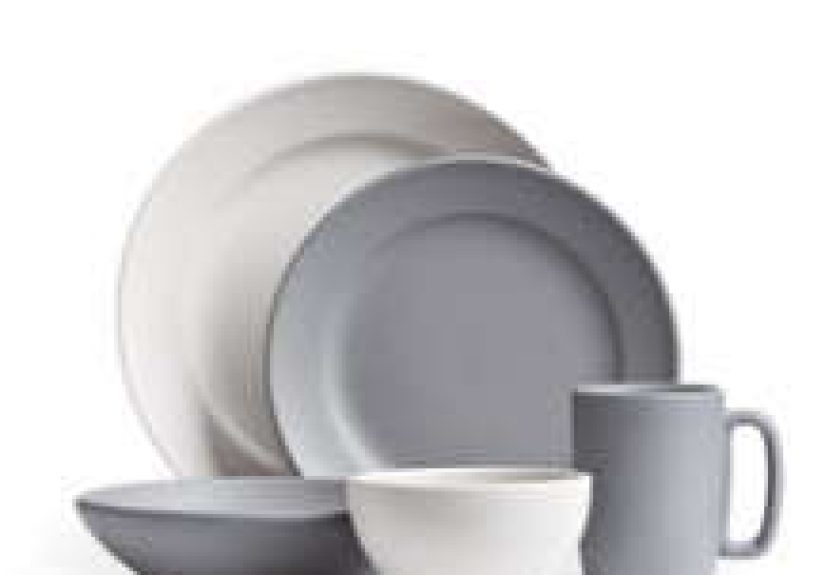
The current Peralta 5-Piece Dinnerware Set is built around everyday dining needs. A typical place setting includes pieces such as a dinner plate, salad plate, café bowl, side bowl, and large mug. The structure is practical: one set can handle breakfast, lunch, dinner, soup, grain bowls, late-night cereal, and the emotional support coffee that gets many people through Tuesday morning.
The key design story is the relationship between Sand and Slate. The dinner plate and café bowl lean into the soft, earthy character of Sand. The salad plate, side bowl, and mug bring in Slate, giving the set more dimension. This contrast prevents the table from looking flat while still keeping the mood calm and cohesive.
Why Sand and Slate Work So Well Together
Sand is warm, natural, and food-friendly. It makes roasted vegetables look richer, pasta look creamier, and a simple fried egg look like it has been styled by someone with excellent linen napkins. Slate, meanwhile, gives structure. It frames lighter foods beautifully and adds a contemporary edge without becoming cold or severe.
This is one reason the Peralta Full Set Chez Panisse Line works for both casual and elevated dining. It does not care whether you are serving slow-braised short ribs or takeout noodles transferred into a nice bowl because you respect yourself. The pieces bring the same mood either way: relaxed, tactile, and intentional.
The Chez Panisse Influence: Food Comes First
To understand the appeal of this dinnerware, it helps to understand the Chez Panisse mindset. Chez Panisse, founded in Berkeley, California, became famous for changing how Americans think about restaurants, ingredients, and seasonal cooking. Instead of hiding food under heavy sauces or overly complicated presentation, the restaurant helped popularize a more ingredient-centered way of eating.
The Chez Panisse Line carries that same spirit. The shapes are refined but not stiff. The glazes are beautiful but not distracting. The pieces are meant to support food, not compete with it. That is the secret saucealthough, in this case, the sauce is probably made from peak-season tomatoes and a splash of very good olive oil.
The Peralta set fits this philosophy perfectly. Its muted palette allows herbs, citrus, grains, greens, fish, fruit, and baked goods to shine. A colorful summer salad looks fresh on Sand. A creamy soup feels richer in Slate. A morning cappuccino in the large mug looks like the beginning of a reasonable life plan.
Heath Ceramics: California Craft With Staying Power
Heath Ceramics was founded in 1948 by Edith and Brian Heath and has become one of America’s most respected ceramic makers. The company is closely associated with California modernism, functional design, and dinnerware that is meant to be used, not locked behind glass like a museum artifact with commitment issues.
One of Heath’s strongest qualities is its ability to make objects that feel both old and current. The forms are clean, the glazes are distinctive, and the pieces carry small variations that remind you they were made through a hands-on process. That variation is part of the charm. A Heath plate does not look factory-perfect in a sterile way. It looks alive.
The Peralta Full Set Chez Panisse Line benefits from this heritage. It feels like something you could use for decades. It is not trend-driven dinnerware that looks tired after one social media season. It has the quiet confidence of a well-made wooden table, a favorite cast-iron pan, or a sweater you keep repairing because it somehow understands you.
Design Analysis: Shape, Color, Texture, and Table Presence
Shape
The shapes in the Chez Panisse Line are simple but expressive. Plates have a generous, useful surface. Bowls feel natural in the hand. Mugs are substantial enough for daily use without becoming clunky. The result is dinnerware that works for real meals, not just carefully photographed ones.
Color
The Peralta color pairing is subtle but strategic. Sand gives warmth. Slate adds contrast. Together, they create a palette that can move through seasons. In spring, it works with asparagus, peas, herbs, and lemon. In summer, it loves tomatoes, berries, grilled corn, and stone fruit. In fall and winter, it suits soups, stews, roasted squash, mushrooms, and deep red wines.
Texture
Texture is where Heath pieces often win people over. The surface does not feel flat or anonymous. It has a ceramic honesty that makes food presentation feel more natural. If glossy white porcelain is a crisp dress shirt, the Peralta set is a perfectly broken-in linen jacket: polished, but not trying too hard.
Table Presence
On the table, the Peralta set reads as calm and collected. It pairs well with wood, marble, linen, stainless steel, brass, clear glass, and woven placemats. It can handle a minimal table with only flatware and napkins, or a more layered setting with candles, flowers, serving boards, and mismatched vintage pieces.
Who Should Consider the Peralta Full Set Chez Panisse Line?
This set is ideal for people who want dinnerware with design credibility, durability, and a clear story. It is especially attractive for home cooks, design enthusiasts, slow-living fans, restaurant lovers, and anyone building a serious tableware collection.
It is also a good fit for people who dislike overly decorative plates. There are no loud patterns, metallic rims, or seasonal motifs that only make sense three weeks a year. The Peralta set is more versatile than that. It is the dinnerware equivalent of a great neutral coat: it goes with almost everything and somehow makes the rest of the outfit look better.
Best Uses for the Set
The dinner plate works beautifully for composed meals, roasted proteins, pasta, and hearty salads. The salad plate is useful for appetizers, desserts, toast, and smaller lunches. The café bowl may become the most-used piece because it suits grain bowls, soups, noodles, oatmeal, fruit, and anything involving a spoon. The side bowl is great for snacks, sauces, nuts, olives, or small servings. The mug, naturally, is for coffee, tea, hot chocolate, and pretending you are not checking email before breakfast.
How to Style the Peralta Set at Home
For a casual everyday table, pair the Peralta set with natural linen napkins, simple stainless flatware, and clear tumblers. Keep the table uncluttered and let the food provide color. A bowl of citrus or a small vase of herbs can add freshness without turning the meal into a centerpiece competition.
For dinner parties, lean into contrast. Use darker napkins, beeswax candles, a wooden serving board, and low flowers in warm tones. Because the Sand and Slate palette is restrained, it can support richer styling without looking chaotic.
For a Chez Panisse-inspired meal, think seasonally. Serve grilled bread with good butter, a bright salad, roasted vegetables, a simple main dish, and fruit or a rustic tart for dessert. The dinnerware will make the meal feel connected, even if the “main dish” is really just whatever you rescued from the fridge and introduced to olive oil.
Care and Practicality
Heath dinnerware is made for daily use, but like any quality ceramic, it rewards basic care. Avoid sudden temperature shocks, such as moving a very hot piece directly onto a cold surface. Use the pieces for serving and everyday dining rather than treating them like cookware. A little common sense goes a long way.
The advantage of investing in dinnerware like this is that it does not need to be saved for special occasions. In fact, saving it forever would miss the point. The Peralta Full Set Chez Panisse Line is best appreciated when it becomes part of daily rituals: breakfast at the counter, soup on a rainy evening, coffee before the house wakes up, or a long dinner with friends who somehow always stay one hour later than planned.
Is It Worth the Price?
The Peralta set is not budget dinnerware, and it should not be evaluated like a bargain box from a big-box store. Its value comes from design heritage, California production, tactile quality, and long-term usefulness. If you simply need something to hold spaghetti, cheaper plates will do the job. If you want dinnerware that shapes the feeling of a meal, Peralta makes a stronger case.
Another reason it feels worthwhile is its flexibility. Many premium dinnerware sets look formal and end up collecting dust. The Peralta set does the opposite. It is beautiful enough for guests and relaxed enough for scrambled eggs. That means it earns its cabinet space, which is more than can be said for certain novelty mugs that shall remain emotionally protected.
Buying Tips Before You Choose the Peralta Set
Before buying, think about how many place settings you need. A single five-piece set is perfect for testing the feel, color, and weight. For a couple, two to four settings may be enough for daily use. For frequent hosts, six to eight settings create more flexibility.
Also consider mixing the Peralta set with other Heath pieces. The Sand and Slate palette is easy to blend with white, indigo, moonstone, sage, and other muted glazes. Mixing can make the table feel collected rather than overly matched. That said, a full Peralta table has a beautiful rhythm of its own.
If you care about resale or long-term collecting, keep notes on product names, colors, and purchase dates. Heath pieces often attract design collectors, and older names such as “Peralta Full Set” may appear in design archives, resale listings, or editorial roundups. Knowing the naming history helps you search more accurately.
Common Questions About the Peralta Full Set Chez Panisse Line
Is the Peralta Full Set the same as the Peralta 5-Piece Dinnerware Set?
The older phrase “Peralta Full Set” appears in historical design references, while Heath’s current catalog language points to the Peralta 5-Piece Dinnerware Set. For most shoppers, the modern five-piece set is the practical equivalent to search for today.
Does the set work for everyday meals?
Yes. The pieces are designed for real use, not just display. They work especially well for people who want their everyday table to feel more thoughtful without becoming formal.
What decor styles pair well with Peralta dinnerware?
The set works with California casual, modern farmhouse, Japandi, rustic modern, mid-century modern, minimalist, and restaurant-inspired interiors. It is neutral enough to adapt but distinctive enough to avoid looking generic.
Is this a good gift?
Yes, especially for weddings, housewarmings, milestone birthdays, or serious home cooks. One set can be a beautiful starter gift, while multiple place settings create a memorable registry-level present.
Experiences Related to the Peralta Full Set Chez Panisse Line
Living with dinnerware like the Peralta Full Set Chez Panisse Line changes small routines in a surprisingly pleasant way. The first thing many people notice is the weight. These pieces do not feel flimsy. When you pick up the café bowl, it has presence. When you set down the dinner plate, it makes the table feel anchored. This may sound dramatic for a plate, but anyone who has eaten cereal from a sad, lightweight bowl knows dinnerware can absolutely affect the mood of a meal.
The Sand and Slate combination also makes weekday food look more intentional. Leftover roasted vegetables suddenly look like a warm grain bowl from a neighborhood café. Toast with ricotta and honey looks less like “I forgot to grocery shop” and more like “I believe in rustic simplicity.” Even a basic tomato salad gains color and shape against the earthy glaze. The set does not perform magic, but it does provide excellent lighting for your food, metaphorically speaking.
Another enjoyable experience is how easily the pieces move between meals. The mug feels right for strong morning coffee, but it also works for herbal tea after dinner. The side bowl can hold olives during a casual gathering, berries at breakfast, or flaky salt beside the stove. The café bowl may become the household favorite because it handles almost anything: soup, rice, noodles, oatmeal, yogurt, or a very serious serving of ice cream.
For entertaining, the Peralta set creates a table that feels warm before the food even arrives. It does not need elaborate styling. A folded linen napkin, a fork, a knife, and a glass of wine are enough. Add candles and a loaf of bread on a board, and suddenly the table has that relaxed Northern California energy: unfussy, generous, and quietly stylish. Guests may not immediately name the dinnerware, but they will notice the atmosphere.
The set also encourages a more seasonal way of thinking. Because the colors are grounded and natural, they make you want to serve food that feels connected to the moment. In spring, that might mean asparagus, soft herbs, and lemony dressings. In summer, it could be tomatoes, peaches, grilled corn, and fresh basil. In fall, squash, mushrooms, and beans look beautiful against the darker Slate pieces. In winter, stews and braises feel especially comforting in the café bowl.
There is also an emotional quality to using well-made ceramics. Small glaze variations remind you that the pieces have passed through human hands. They feel less anonymous than mass-produced dinnerware. Over time, they become part of the household rhythm: the plate used for Sunday eggs, the mug chosen first, the bowl everyone reaches for. That is where the real value appears. The Peralta Full Set Chez Panisse Line is not only about owning attractive tableware. It is about making ordinary meals feel more cared for.
Conclusion
The Peralta Full Set Chez Panisse Line is a strong example of why thoughtful dinnerware still matters. It combines Heath Ceramics’ California craft, Chez Panisse’s food-first philosophy, and a versatile Sand-and-Slate palette that works for daily meals and special gatherings alike. Whether you are building a registry, upgrading your everyday table, or searching for a design-forward set with real heritage, Peralta offers beauty without fuss and function without boredom.
Its appeal is not about perfection. It is about warmth, texture, proportion, and the quiet pleasure of eating from pieces that make food feel respected. In a world full of disposable trends, that kind of lasting usefulness feels refreshingly rare.