Table of Contents >> Show >> Hide
- What Is White Panelling Wallpaper?
- Why White Panelling Wallpaper Is So Popular
- Where White Paneling Wallpaper Works Best
- How to Choose the Right White Panelling Wallpaper
- White Paneling Wallpaper vs. Real Wall Paneling
- How to Install White Panelling Wallpaper Like You Meant It
- Design Ideas for White Panelling Wallpaper
- Mistakes to Avoid
- Maintenance and Cleaning
- Experience Section: What It Is Really Like to Use White Panelling Wallpaper
- Conclusion
White panelling wallpaper is the decorating shortcut that looks like it hired a contractor, borrowed a nail gun, and then politely refused to leave a mess. It gives walls the charm of beadboard, shiplap, wainscoting, or raised panel moulding without the sawdust, caulk, wood cuts, or “Why is this board suddenly diagonal?” moment that every DIY project seems to include.
In American English, you will usually see the spelling white paneling wallpaper, while “panelling” is more common in British English. Either way, the idea is the same: wallpaper printed, textured, or embossed to imitate painted wall panels. It can make a plain room feel brighter, cleaner, taller, cozier, and more architectural. In other words, it is a small design move with a very confident handshake.
Whether you rent, own, decorate on a budget, or simply want the look of classic millwork without turning your living room into a construction zone, white panelling wallpaper is worth a closer look. Used well, it can add cottage warmth, coastal freshness, farmhouse texture, traditional elegance, or modern softness. Used badly, it can look like a sad sticker trying to be a wall. The difference is planning, placement, scale, lighting, and installation.
What Is White Panelling Wallpaper?
White panelling wallpaper is a wallcovering designed to mimic the appearance of real wall paneling. Some versions are flat printed vinyl with wood-grain or panel lines. Others are lightly embossed to create a raised texture that feels more realistic. Popular designs include beadboard wallpaper, white shiplap wallpaper, faux wainscoting wallpaper, board-and-batten wallpaper, and raised-panel wallpaper.
The big appeal is simple: it delivers architectural interest without requiring actual carpentry. Real paneling may involve measuring, cutting, attaching boards, filling nail holes, sanding, priming, painting, and occasionally questioning your life choices. Wallpaper, by comparison, can often be installed with basic tools, patience, and a playlist long enough to survive the first wall.
Common Types of White Paneling Wallpaper
White beadboard wallpaper has narrow vertical grooves and works beautifully in bathrooms, breakfast nooks, laundry rooms, cottage bedrooms, and kitchen islands. It creates a cheerful, casual look that feels clean but not sterile.
White shiplap wallpaper uses horizontal plank lines to create a relaxed farmhouse or coastal feel. It can make a room feel wider and is especially popular behind beds, sofas, entry benches, and media walls.
White wainscoting wallpaper imitates lower-wall paneling, often with rectangular trim details. It adds traditional polish to dining rooms, hallways, staircases, and powder rooms.
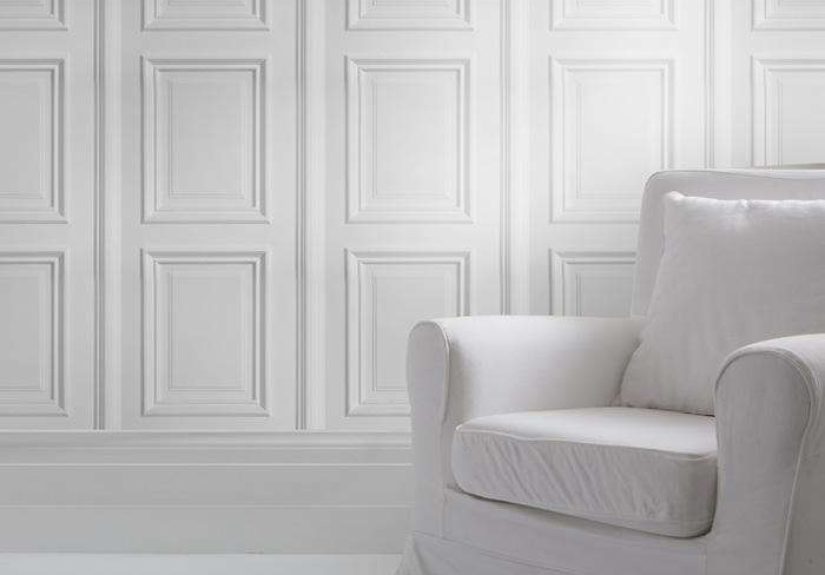
White raised-panel wallpaper looks more formal, with framed rectangular shapes that suggest classic moulding. It pairs well with chandeliers, vintage mirrors, upholstered furniture, and elegant entryways.
White board-and-batten wallpaper has wider vertical spacing and a clean, structured rhythm. It works nicely in modern farmhouse interiors, kids’ rooms, mudrooms, and small offices.
Why White Panelling Wallpaper Is So Popular
There are plenty of reasons this wallcovering has become a favorite for DIY decorators, renters, and budget-minded homeowners. First, white is flexible. It plays nicely with nearly every color palette, from navy and brass to sage green, blush, black, oak, walnut, rattan, and soft gray. It can look crisp and modern or warm and vintage depending on the surrounding finishes.
Second, paneling patterns add texture without screaming for attention. A bold floral wallpaper can be gorgeous, but it walks into a room wearing a hat with feathers. White paneling wallpaper is calmer. It gives walls depth, shadow, and rhythm while still allowing furniture, art, rugs, and lighting to take center stage.
Third, it is practical. Peel-and-stick versions are especially attractive for renters or anyone who likes to redecorate without making a lifelong commitment. Traditional pasted versions can offer a more permanent finish. Paintable textured wallpaper is another option for people who want the paneling effect but prefer to choose a custom white, cream, or off-white paint color.
Where White Paneling Wallpaper Works Best
Entryways and Hallways
Entryways are natural candidates for white panelling wallpaper because they often need character but have limited square footage. A faux wainscoting or board-and-batten pattern can make a hallway feel intentional instead of forgotten. Add hooks, a slim bench, a mirror, and a durable runner, and suddenly the drop zone looks designed rather than defeated.
Bedrooms
Behind a bed, white shiplap or raised-panel wallpaper can create the effect of a built-in headboard wall. This is a smart choice for small bedrooms because it adds style without taking up floor space. Pair it with linen bedding, warm wood nightstands, and soft lighting for a calm retreat that says “boutique inn” instead of “laundry chair headquarters.”
Dining Rooms
Dining rooms often benefit from traditional details. White wainscoting wallpaper on the lower half of the wall, combined with a painted upper wall or patterned wallpaper above, can create a layered designer look. It is also a budget-friendly way to imitate classic millwork without installing wood trim.
Bathrooms and Powder Rooms
White beadboard wallpaper is popular in bathrooms because it creates a fresh, cottage-inspired look. However, bathroom use requires caution. High humidity, poor ventilation, and direct water contact can shorten the life of wallpaper, especially peel-and-stick styles. A powder room or well-ventilated half bath is usually safer than a steamy shower room.
Kitchens and Breakfast Nooks
White paneling wallpaper can brighten a breakfast nook, wrap the back of open shelving, or refresh a kitchen island. Look for washable or scrubbable materials in food-prep areas. Wallpaper is not a substitute for tile behind a sink or stove, but it can work beautifully in low-splash zones.
Rental Apartments
For renters, removable white paneling wallpaper can be a design lifesaver. It offers the feeling of built-in detail without paint, nails, or permanent construction. Before installing, test a small hidden area and check lease rules. A “renter-friendly” label is helpful, but your wall paint, texture, age, and humidity still matter.
How to Choose the Right White Panelling Wallpaper
Look at the Undertone
White is not just white. It can be cool, warm, creamy, gray, blue, yellow, or slightly pink. A bright cool white may look crisp in a modern space but harsh beside warm oak floors. A creamy white may look cozy in a farmhouse room but dingy next to pure white trim. Always order samples when possible and view them morning, afternoon, and evening.
Match the Scale to the Room
Small rooms usually handle narrow beadboard, slim shiplap, or delicate wainscoting patterns well. Large rooms can support wider planks, deeper shadows, or more dramatic raised-panel effects. If the pattern is too tiny, it may look busy. If it is too large, it may look like oversized stage scenery. Scale is the quiet boss of good design.
Choose the Right Material
Peel-and-stick wallpaper is convenient and removable, but it requires smooth, clean walls and careful application. Pre-pasted wallpaper activates with water and can feel more traditional. Unpasted wallpaper requires separate adhesive and is often best for more permanent projects. Paintable wallpaper gives you texture plus color control, making it useful when you want the paneling to match existing trim.
Consider Texture
Flat printed wallpaper can look convincing from a distance, especially in low-traffic areas. Embossed or textured wallpaper usually looks more realistic because light creates actual shadows in the grooves. For high-visibility walls, texture is worth considering. For a temporary rental project, a simpler flat print may still do the job nicely.
White Paneling Wallpaper vs. Real Wall Paneling
Real wall paneling has depth, durability, and authentic architectural value. It can increase the sense of craftsmanship in a room and may last for decades. It is also more expensive, more labor-intensive, and usually permanent.
White panelling wallpaper is faster, lighter, and more budget-friendly. It is ideal for cosmetic upgrades, rentals, small spaces, accent walls, and experimental decorating. It will not have the exact same dimension as wood, and close inspection may reveal the illusion. But from a normal viewing distance, a good design can be surprisingly convincing.
The best choice depends on your goal. If you want a forever dining room with substantial trim, real paneling wins. If you want to transform a bedroom wall this weekend without borrowing a saw, wallpaper deserves applause.
How to Install White Panelling Wallpaper Like You Meant It
1. Measure Carefully
Measure the height and width of each wall. Do not subtract too aggressively for windows and doors because you will need extra material for pattern matching, trimming, and mistakes. Buy more than the exact square footage, and make sure all rolls come from the same batch or lot when that information is available.
2. Prepare the Wall
Wallpaper loves a smooth, clean, dry surface. Fill holes, sand bumps, remove dust, and wipe away grease or grime. If the wall was recently painted, allow the paint to cure according to the wallpaper manufacturer’s instructions before applying peel-and-stick paper. Textured walls are risky because adhesive may not bond evenly and panel lines may look distorted.
3. Start Straight
Do not trust corners, ceilings, or floors to be perfectly level. They often are not, because houses enjoy having secrets. Use a level to draw a vertical guideline for the first strip. If the first piece is crooked, every strip after it will join the rebellion.
4. Work Slowly
For peel-and-stick wallpaper, peel back only a small section of backing at a time. Smooth from the center outward to push out air bubbles. Use a plastic smoothing tool or felt-covered scraper rather than anything sharp that may damage the surface.
5. Match the Pattern
Paneling wallpaper depends on alignment. Grooves, planks, or moulding lines should continue cleanly from strip to strip. Lay out panels before applying them so you understand the repeat. Some installers slightly overlap peel-and-stick seams to prevent tiny gaps from appearing later, but always follow the specific product directions.
6. Trim Cleanly
Use a sharp utility knife and a straightedge for clean cuts along ceilings, baseboards, door frames, and outlets. Turn off power before working around switches or receptacles. Dull blades tear wallpaper, and torn wallpaper has a gift for appearing exactly at eye level.
Design Ideas for White Panelling Wallpaper
Classic Cottage
Use white beadboard wallpaper on the lower half of a wall and pair it with soft blue, sage, or floral wallpaper above. Add painted furniture, woven baskets, and vintage-style lighting. This look is charming in bathrooms, laundry rooms, and breakfast corners.
Modern Farmhouse
Choose white shiplap wallpaper for an accent wall behind a bed, sofa, or dining banquette. Keep the rest of the palette simple: black metal, warm wood, linen, matte ceramics, and maybe one dramatic branch in a vase because apparently branches are furniture now.
Traditional Dining Room
Install faux wainscoting wallpaper below a chair rail or use a printed raised-panel design across the whole wall. Pair it with a dark dining table, brass fixtures, framed art, and a patterned rug. The result feels polished without becoming stiff.
Coastal Calm
White paneling wallpaper works naturally with coastal interiors. Combine it with sandy beige, driftwood tones, pale blue, striped textiles, and natural fiber rugs. The key is restraint. You want “breezy beach house,” not “souvenir shop after a hurricane.”
Small-Space Brightening
In a small office, closet, or reading nook, white paneling wallpaper can bounce light and create structure. Vertical beadboard can make walls feel taller, while horizontal shiplap can visually widen a narrow room. Add one bold accent color through art or seating to keep the space from feeling flat.
Mistakes to Avoid
Ignoring Wall Texture
Orange peel, knockdown, or heavily textured walls can make wallpaper adhesion difficult. Even if it sticks, the pattern may look uneven. If your walls are textured, consider a liner, professional skim coating, or a different wall treatment.
Choosing the Wrong White
A cool white wallpaper next to creamy trim can make the trim look yellow. A warm white wallpaper beside stark white cabinets can look dull. Compare samples with your existing baseboards, doors, cabinets, floors, and lighting before ordering full rolls.
Using It in the Wrong Moisture Zone
Not every wallpaper belongs near steam, splashes, or heat. For bathrooms and kitchens, check whether the product is washable, moisture-resistant, or recommended for those areas. Even then, avoid direct water exposure.
Forgetting About Seams
Panel patterns are unforgiving when seams are poorly matched. Take time to align grooves and trim details. If the first strip is straight and the seams are planned, the finished wall will look much more expensive than it was.
Maintenance and Cleaning
White surfaces show dust, scuffs, and fingerprints faster than darker finishes, so choose a wallpaper that fits the room’s traffic level. In hallways, mudrooms, and kitchens, washable vinyl or coated wallpaper is more practical than delicate paper. For routine cleaning, use a soft cloth or sponge and avoid harsh scrubbing unless the manufacturer allows it.
If a corner lifts, press it back gently according to the product instructions. For peel-and-stick wallpaper, avoid repeatedly removing and reapplying the same section because the adhesive can weaken. Keep leftover scraps for patches, especially near baseboards or corners where daily life tends to bump into walls with suspicious enthusiasm.
Experience Section: What It Is Really Like to Use White Panelling Wallpaper
The first thing people usually notice after installing white panelling wallpaper is how quickly a room changes personality. A plain wall that used to sit in the background suddenly looks intentional. It may not fool a carpenter standing three inches away with a flashlight, but most guests will simply say, “This wall looks great,” which is the decorating equivalent of a standing ovation.
In real-life use, the biggest lesson is that preparation matters more than enthusiasm. Enthusiasm gets the roll out of the package. Preparation keeps it on the wall. Cleaning the surface, smoothing rough spots, and drawing a level guide may feel boring, but those steps decide whether the final result looks crisp or chaotic. White paneling wallpaper is especially honest because shadows and lines reveal crooked installation. A floral pattern can hide small sins. A vertical beadboard line reports them directly to management.
Another practical experience is that lighting changes everything. In a bright room, textured white beadboard wallpaper can look fresh and dimensional. In a dim room with warm bulbs, the same paper may look creamier and softer. This can be lovely, but it is why samples are worth the wait. Tape a sample to the wall, live with it for a few days, and observe it during breakfast, afternoon light, and evening lamps. The wallpaper may have three different personalities, and you should meet all of them before committing.
Peel-and-stick installation is convenient, but it is not always effortless. The backing can be awkward, large sheets can cling to themselves, and bubbles appear with the confidence of uninvited guests. Having a second person helps, especially on full-height strips. One person can guide the top while the other slowly removes the backing and smooths downward. If you are working alone, cut manageable lengths and avoid rushing. Wallpaper can sense panic.
White panelling wallpaper also teaches the importance of styling around texture. Once the wall is finished, avoid covering every inch with art or furniture. Let the pattern breathe. A single mirror, a pair of sconces, a slim shelf, or one framed print may be enough. The wall already has detail, so it does not need to audition for a museum.
Durability depends heavily on product quality and room conditions. In a dry bedroom or hallway, good wallpaper can stay attractive for a long time. In a humid bathroom with poor ventilation, edges may lift sooner. In a kid’s room or mudroom, washable surfaces are a blessing. White wallpaper is beautiful, but it is not magic. Shoes, backpacks, dog tails, and mystery fingerprints will still attempt their tiny crimes.
The best experience comes from using white panelling wallpaper where it makes design sense. It shines as an accent wall, a lower-wall treatment, a bookcase backing, a closet refresh, or a renter-friendly upgrade. It is less successful when forced onto rough walls, wet walls, or rooms where the scale feels wrong. When matched to the right space, it delivers charm fast. It is not real carpentry, but it gives a room the feeling of architectureand sometimes that is exactly what a plain wall needs.
Conclusion
White panelling wallpaper is one of the easiest ways to add architectural character without committing to lumber, nails, and a weekend of advanced measuring gymnastics. It can brighten a room, add texture, create a classic backdrop, and make a basic wall look thoughtfully designed. The secret is choosing the right style, checking the undertone, preparing the wall, matching the pattern, and respecting the limits of moisture and wall texture.
For renters, it can be a low-commitment upgrade. For homeowners, it can be a budget-friendly design layer. For anyone who wants the look of beadboard, shiplap, wainscoting, or raised panels without installing actual millwork, white paneling wallpaper is a practical and stylish solution. Pick carefully, install patiently, and your walls may finally stop looking like they are waiting for something interesting to happen.