Table of Contents >> Show >> Hide
- What Is Wildflower Seed Paper?
- How Wildflower Seed Paper Works
- Why Wildflower Seed Paper Has Become So Popular
- Best Uses for Wildflower Seed Paper
- How to Plant Wildflower Seed Paper
- What to Look for When Buying Wildflower Seed Paper
- Can You Make Wildflower Seed Paper at Home?
- Common Mistakes to Avoid
- Wildflower Seed Paper for Businesses and Events
- Is Wildflower Seed Paper Really Eco-Friendly?
- Hands-On Experiences With Wildflower Seed Paper
- Conclusion: A Small Paper With a Blooming Second Act
Wildflower seed paper is what happens when stationery decides it has a second career in gardening. Instead of becoming another forgotten card in a draweror worse, a tiny paper ghost in the trashit can be planted, watered, and coaxed into flowers. That is a pretty charming upgrade for a piece of paper that may have started life as a greeting card, wedding favor, thank-you note, business insert, bookmark, gift tag, or promotional mailer.
At its simplest, wildflower seed paper is handmade or machine-formed paper embedded with flower seeds. The paper is usually made from recycled fibers, cotton scraps, or other biodegradable pulp. Once planted in soil, the paper breaks down while the seeds receive moisture, warmth, and contact with the growing medium. With the right conditionsand a little patience that does not involve staring at the pot every twelve minutesseedlings may sprout and eventually produce blooms.
The appeal is easy to understand. Wildflower seed paper feels personal, low-waste, and pleasantly surprising. It is a message and a miniature garden plan tucked into the same object. For brands, couples, schools, nonprofits, and crafty people with suspiciously large collections of mason jars, it offers a memorable alternative to ordinary paper goods. But to use it well, you need to understand what it can do, what it cannot do, and how to help those tiny seeds avoid a dramatic career change into compost only.
What Is Wildflower Seed Paper?
Wildflower seed paper, also called plantable paper or seeded paper, is paper that contains viable flower seeds inside the fibers. Unlike glossy coated paper, laminated cards, or plastic-heavy packaging, good seed paper is designed to soften and decompose in soil. The embedded seeds are usually small and hardy enough to survive the papermaking process, storage, printing, and handling.
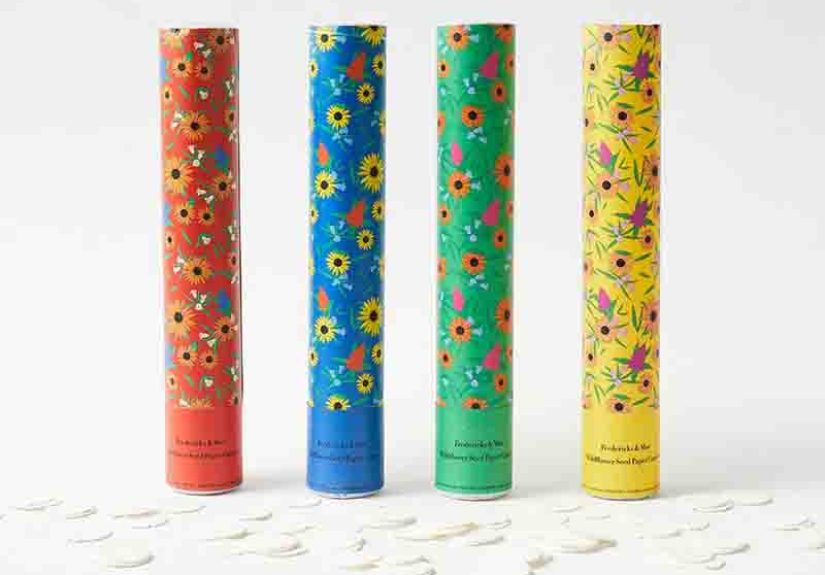
Common seed mixes may include flowers such as black-eyed Susan, baby blue eyes, catchfly, sweet alyssum, poppy, coneflower, coreopsis, cosmos, calendula, or other annual and perennial wildflowers. The exact blend varies by producer. Some seed paper is labeled as “wildflower mix,” while better products may specify whether the seeds are native, non-invasive, pollinator-friendly, regionally appropriate, or suitable for container growing.
That detail matters. “Wildflower” is a friendly word, but it is not automatically the same thing as “native to your area.” A flower can be lovely in one region and a garden troublemaker in another. Choosing wildflower seed paper with regionally appropriate seeds is like choosing shoes that fit: technically optional, but your future self will have opinions.
How Wildflower Seed Paper Works
The basic science is wonderfully simple. Seeds need moisture, oxygen, suitable temperature, and contact with soil. Wildflower seed paper holds the seeds in a thin, biodegradable sheet. When you plant the sheet, the paper absorbs water, softens, and begins to break apart. As the fibers loosen, the seeds can germinate.
Most plantable paper should not be buried deeply. A light covering of soil is usually enough because many small wildflower seeds need shallow planting. If they are pushed too far underground, they may run out of energy before reaching the surface. Think of it as asking a toddler to climb out of a basement while wearing a backpack full of bricksnot ideal.
Seed paper also needs consistent moisture during germination. That does not mean drowning it into a mud smoothie. It means keeping the soil evenly damp until seedlings appear. Once the plants are established, watering can usually become less frequent, depending on the flowers, climate, container size, and season.
Why Wildflower Seed Paper Has Become So Popular
It Turns a Message Into an Experience
A regular card says, “Thank you.” A seed paper card says, “Thank you, and here is a future flower situation.” That small transformation makes the object more memorable. Recipients are more likely to keep it, plant it, photograph it, or talk about it. For weddings, baby showers, memorials, Earth Day campaigns, teacher gifts, and customer appreciation mailers, that little emotional bonus is powerful.
It Supports Low-Waste Thinking
Wildflower seed paper fits naturally into a broader movement toward eco-friendly stationery and sustainable packaging. Many versions use recycled paper pulp, avoid plastic coatings, and can break down in soil. It is not a cure-all for waste, but it is a thoughtful alternative to single-use paper items that have no afterlife beyond the recycling bin or landfill.
It Connects People With Pollinators
Wildflowers can support bees, butterflies, beneficial insects, and other pollinators when the right plants are chosen for the region. Native wildflowers are especially valuable because local insects often evolved alongside them. A small pot of flowers will not single-handedly restore an ecosystem, but many small plantings can help build awareness and create pockets of habitat.
Best Uses for Wildflower Seed Paper
Wildflower seed paper works beautifully for items that people are meant to receive, read, enjoy, and plant. It is especially popular for:
- Wedding invitations, save-the-dates, place cards, and favors
- Thank-you cards and sympathy cards
- Business cards for eco-conscious brands
- Product packaging inserts and hang tags
- Bookmarks, postcards, and event tickets
- Earth Day activities, school projects, and nonprofit campaigns
- Holiday ornaments, gift tags, and party favors
The best designs keep the paper plantable. Heavy ink coverage, foil stamping, plastic lamination, synthetic glitter, and glossy coatings can reduce biodegradability and may make planting less appealing. If the paper looks like it has been dressed for a disco ball convention, it may not be the best candidate for soil.
How to Plant Wildflower Seed Paper
Planting wildflower seed paper is easy, but success depends on timing and care. Here is a reliable method for containers or garden beds.
1. Choose the Right Spot
Most wildflowers prefer a sunny location with several hours of direct light per day. A bright windowsill may work for starting seeds indoors, but outdoor planting is often better once temperatures are mild. If you are planting outside, check your region’s frost dates and choose a season that suits the seed mix. Spring and fall are common planting windows for many wildflowers, though the best timing varies by climate.
2. Prepare the Soil
Use loose, well-draining soil. For containers, choose a pot with drainage holes and a quality potting mix. For garden beds, remove weeds and loosen the top layer of soil. Wildflower seeds do not love competing with aggressive weeds during their baby plant phase. Frankly, neither would anyone.
3. Soak or Moisten the Paper
Some gardeners soak seed paper briefly before planting; others place it directly on damp soil. Either method can work. Moistening the paper helps it soften and improves contact between seed and soil.
4. Plant Shallowly
Lay the seed paper flat on the soil or tear it into smaller pieces. Cover it with a very thin layer of soil, usually about one-eighth inch or just enough to hold it in place. Do not bury it like treasure unless your goal is to confuse the seeds.
5. Water Gently
Use a spray bottle, watering can with a gentle rose, or light misting. Keep the soil consistently moist during germination. Avoid heavy watering that can wash seeds away or compact the soil.
6. Wait, Watch, and Thin if Needed
Germination may take one to three weeks or longer, depending on the seed mix, temperature, moisture, and light. Once seedlings appear, continue watering gently. If too many seedlings grow in one clump, thin them so the strongest plants have room to develop.
What to Look for When Buying Wildflower Seed Paper
Not all plantable paper is created equal. Some is thoughtfully made, regionally responsible, and easy to plant. Some is more decorative than functional. Before buying wildflower seed paper in bulk, especially for an event or business campaign, check these details.
Seed Transparency
Look for sellers that list the actual seed varieties. “Wildflower mix” sounds cheerful, but it does not tell you whether the flowers are native, annual, perennial, or suitable for your area. Clear labeling helps buyers avoid invasive or poorly adapted species.
Paper Ingredients
Good seed paper is usually made from recycled paper, cotton fiber, or other biodegradable pulp. Avoid paper with plastic coatings, synthetic additives, or heavy finishes. The paper should be able to break down in soil without leaving weird confetti from the future.
Printing Method
Seed paper can be printed, but printing should be gentle. Water-based inks, low-coverage designs, and simple layouts are usually better for plantability. Bold, full-color designs may look gorgeous, but they can sometimes reduce flexibility, breathability, or soil-friendliness.
Storage Guidance
Seeds are living things in pause mode. Store wildflower seed paper in a cool, dry, dark place until planting. Heat, humidity, and long storage times can reduce germination rates. If you are ordering for a wedding next summer, do not stash the paper in a steamy garage and expect botanical miracles.
Can You Make Wildflower Seed Paper at Home?
Yes, you can make handmade wildflower seed paper at home, and it is a fun project for classrooms, craft nights, eco-themed events, or anyone who enjoys turning old paper into something with a personality. The basic process involves soaking shredded paper, blending it into pulp, mixing in seeds after blending, spreading the pulp thinly on a screen or towel, pressing out water, and letting it dry.
The key is to add seeds after the hot or rough blending stage. Tiny seeds may be damaged by aggressive blending, and warm water may trigger premature germination. Use small seeds, dry the sheets thoroughly, and store them carefully. Homemade seed paper may be thicker and less predictable than professional versions, but that is part of its handmade charm. It says, “I made this with love,” and occasionally, “I may have clogged the sink, but art has risks.”
Common Mistakes to Avoid
Planting Too Deep
Seed paper should usually be planted close to the surface. A thin dusting of soil is enough for many wildflower seeds. Deep planting is one of the most common reasons seed paper fails to sprout.
Letting It Dry Out
Seeds need steady moisture to germinate. If the paper dries completely during the early stage, germination may suffer. Keep the soil damp but not soaked.
Using the Wrong Seed Mix
A generic wildflower mix may not be ideal for every location. For outdoor planting, choose seed paper designed for your region whenever possible. Native wildflower seed paper is often a better choice for supporting local pollinators.
Expecting an Instant Meadow
Seed paper can grow flowers, but it is not a magic carpet. Results depend on seed quality, weather, soil, watering, sunlight, and patience. Some flowers bloom quickly in one season; others take longer or may not bloom until the following year.
Wildflower Seed Paper for Businesses and Events
For businesses, wildflower seed paper can make a strong impression when it matches the brand message. A landscaping company can use plantable business cards. A skincare brand can include seed paper thank-you notes. A nonprofit can send donor cards that grow into flowers. A coffee shop can tuck plantable bookmarks into spring gift sets. The format is flexible, friendly, and easy to understand.
For weddings, seed paper favors are especially popular because they combine beauty with symbolism. Flowers suggest growth, memory, renewal, and celebration. Guests can plant the favor later, which gives the event a longer emotional life. Just remember to include simple planting instructions. Without instructions, half the guests may assume the paper is simply rustic and adorable, then leave it in a kitchen drawer until it becomes an archaeological artifact.
Is Wildflower Seed Paper Really Eco-Friendly?
Wildflower seed paper can be eco-friendly, but the answer depends on how it is made, printed, packaged, shipped, and planted. The best versions use recycled or responsibly sourced biodegradable fibers, appropriate seeds, minimal packaging, and non-toxic printing. The least sustainable versions may use vague seed mixes, excessive wrapping, or decorative finishes that limit plantability.
Think of seed paper as a better choice, not a perfect halo. It reduces waste when it replaces conventional single-use paper and gives people a reason to plant something. But it still requires resources to produce and ship. The greenest option is the one that is useful, well-designed, responsibly sourced, and actually planted.
Hands-On Experiences With Wildflower Seed Paper
The first time many people receive wildflower seed paper, they treat it like a tiny mystery. Is it paper? Is it a garden? Is it a greeting card that went to a wellness retreat? That curiosity is part of the experience. In real use, seed paper works best when the recipient understands exactly what to do with it. A short message such as “Plant me under a thin layer of soil, keep me moist, and place me in sun” can make the difference between a blooming pot and a forgotten souvenir.
One practical experience comes from using seed paper as thank-you cards after a small event. Guests loved the idea, but the people who had the most success were the ones who planted the paper in containers first instead of tossing it into a crowded flower bed. Containers made it easier to control moisture, light, and weeds. The seedlings were easier to see, which also helped prevent accidental “weeding” by enthusiastic family members who believed anything under two inches tall was suspicious.
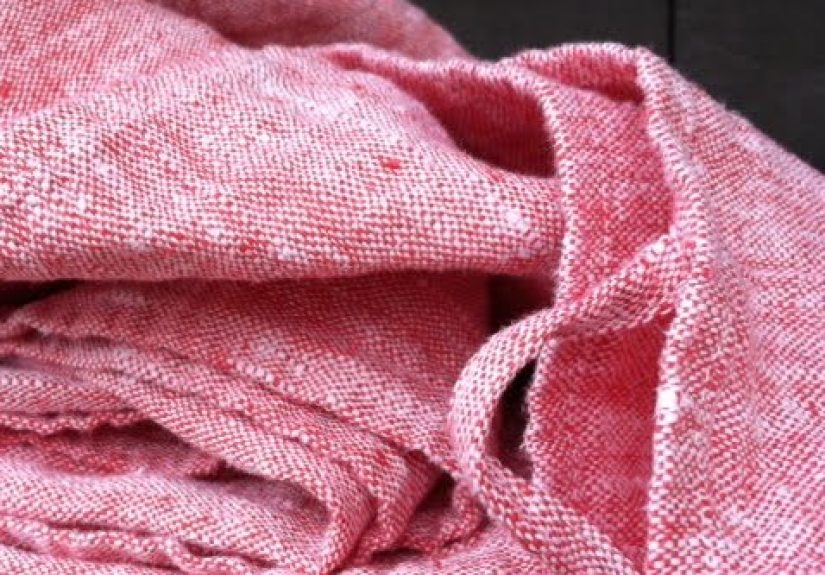
Another helpful lesson is that seed paper is not always visually perfect after printing, and that can be a good thing. Handmade seed paper often has texture, uneven edges, visible fibers, and tiny seed bumps. Instead of looking flawed, it feels organic and personal. For wedding favors or handmade gifts, this texture adds charm. For luxury branding, however, designers should test samples before ordering hundreds or thousands of pieces. Seed paper has a natural look; it is not trying to be sleek coated cardstock, and forcing it to behave that way is like asking a sunflower to wear a tuxedo.
Planting tests are also worth doing. Before sending seed paper to customers, students, donors, or guests, plant a few samples yourself. Test them in a pot, in a garden bed, and possibly indoors near a bright window. Watch how quickly the paper breaks down, how many seedlings appear, and whether the printed instructions are clear. This small experiment gives you better confidence and lets you write honest guidance. It may also give you a windowsill full of tiny green sprouts, which is a cheerful side effect.
Storage is another real-world detail people underestimate. Seed paper should be kept dry and cool before planting. In humid climates, it can curl, soften, or lose seed strength if stored poorly. For events, order close enough to the date that the paper remains fresh, but not so late that shipping delays cause emotional weather systems. For businesses, rotate stock and avoid leaving seed paper in hot display windows.
Finally, wildflower seed paper creates the best experience when expectations are realistic. Not every piece will bloom into a postcard-worthy meadow. Some will sprout modestly. Some may fail because of dry soil, hungry birds, old seeds, deep planting, or weather that behaves like it has a personal grudge. Still, the act of planting a message is meaningful. It slows people down. It invites them to touch soil, water something, and watch for life. That is a rare achievement for a card, and honestly, most regular paper just sits there looking flat.
Conclusion: A Small Paper With a Blooming Second Act
Wildflower seed paper is simple, memorable, and full of personality. It turns ordinary communication into a hands-on experience and gives paper a useful second life. Whether used for wedding favors, eco-friendly business cards, classroom projects, promotional mailers, or heartfelt thank-you notes, plantable paper offers a delightful blend of sustainability, creativity, and garden magic.
For the best results, choose biodegradable paper, transparent seed mixes, regionally appropriate wildflowers, and clear planting instructions. Plant shallowly, keep the soil moist, give the seeds enough sunlight, and be patient. Wildflower seed paper is not an instant meadow in disguise, but with good care, it can become something far more interesting than a card: a living reminder that even small gestures can grow.